Attractions and Places To See around Bey - Top 20
Best attractions and places to see around Bey include historical settlements and cultural sites located near the confluence of the Doubs and Saône rivers. This region in France offers a blend of natural river landscapes and rich historical heritage. Visitors can explore towns known for their architectural significance and contributions to scientific history. The area provides opportunities to discover historical buildings, museums, and riverine environments.
Best attractions and places to see around Bey
- The most popular attractions is Verdun-Ciel,…
Last updated: July 6, 2026
Verdun-Ciel
Highlight • Settlement
Tip by

Chalon-sur-Saône
Highlight • Settlement
Translated by Google •
Tip by

Sign up now to discover places like this
Get recommendations on the best single tracks, peaks, & plenty of other exciting outdoor places.
Sign up for free
Rue du Chatelet
Highlight • Historical Site
Translated by Google •
Tip by

Nicéphore Niépce Museum
Highlight • Monument
Translated by Google •
Tip by
Musée Vivant Denon
Highlight • Historical Site
FREE ENTRANCE; Open every day …
Translated by Google •
Tip by
Sign up for free to discover even more attractions around Bey.
Sign up for free
Already have an account?
Start today with a free account
Your next adventure awaits.
Login or Signup

Tips from the Community

The striking bridge is a very beautiful eye-catcher
0
0

The entire city center is worth a visit
0
0

We found a nice bar on Rue du Pignon. They also serve good local food!
1
0

Rue du Chatelet is a pretty pedestrian street in the center of Chalon-sur-Saône. A beautiful place to stroll through the architectural heritage of the city.
0
0

Central square!! Chalon-sur-Saône [ʃa.lɔ̃.syʁ.soːn] is a French town in the Saône-et-Loire department in the Bourgogne-Franche-Comté region. With 45,031 inhabitants (as of January 1, 2021)[1], it is the largest town in the department, but not its administrative seat, but merely the seat of a sub-prefecture. After Dijon, Chalon is the second largest city in Burgundy. The inhabitants are called Chalonnais and Chalonnaises. The municipality received the "Four Flowers" award in 2022, which is awarded by the Conseil national des villes et villages fleuris (CNVVF) as part of the annual competition for flower-decorated towns and villages.[2]
1
0

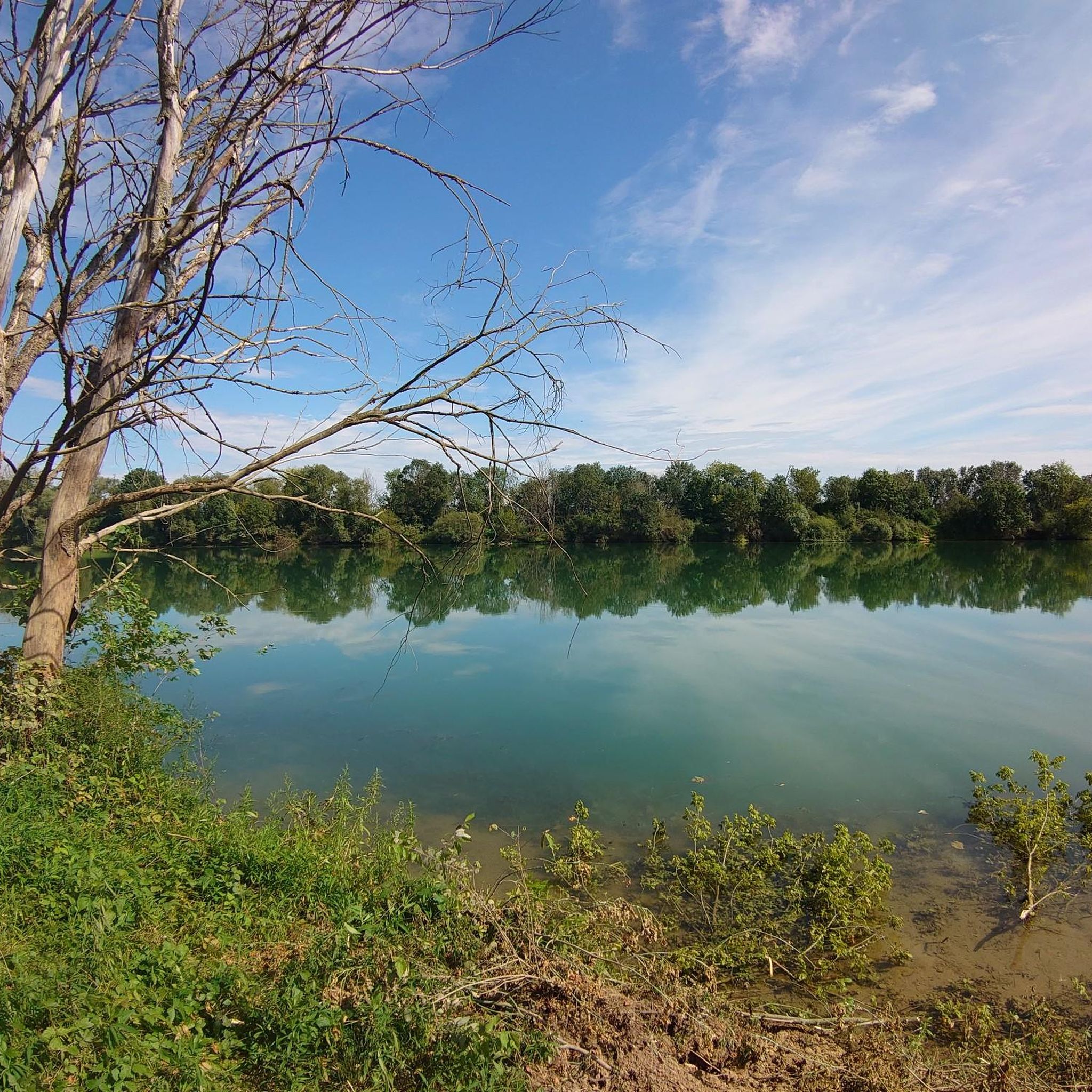
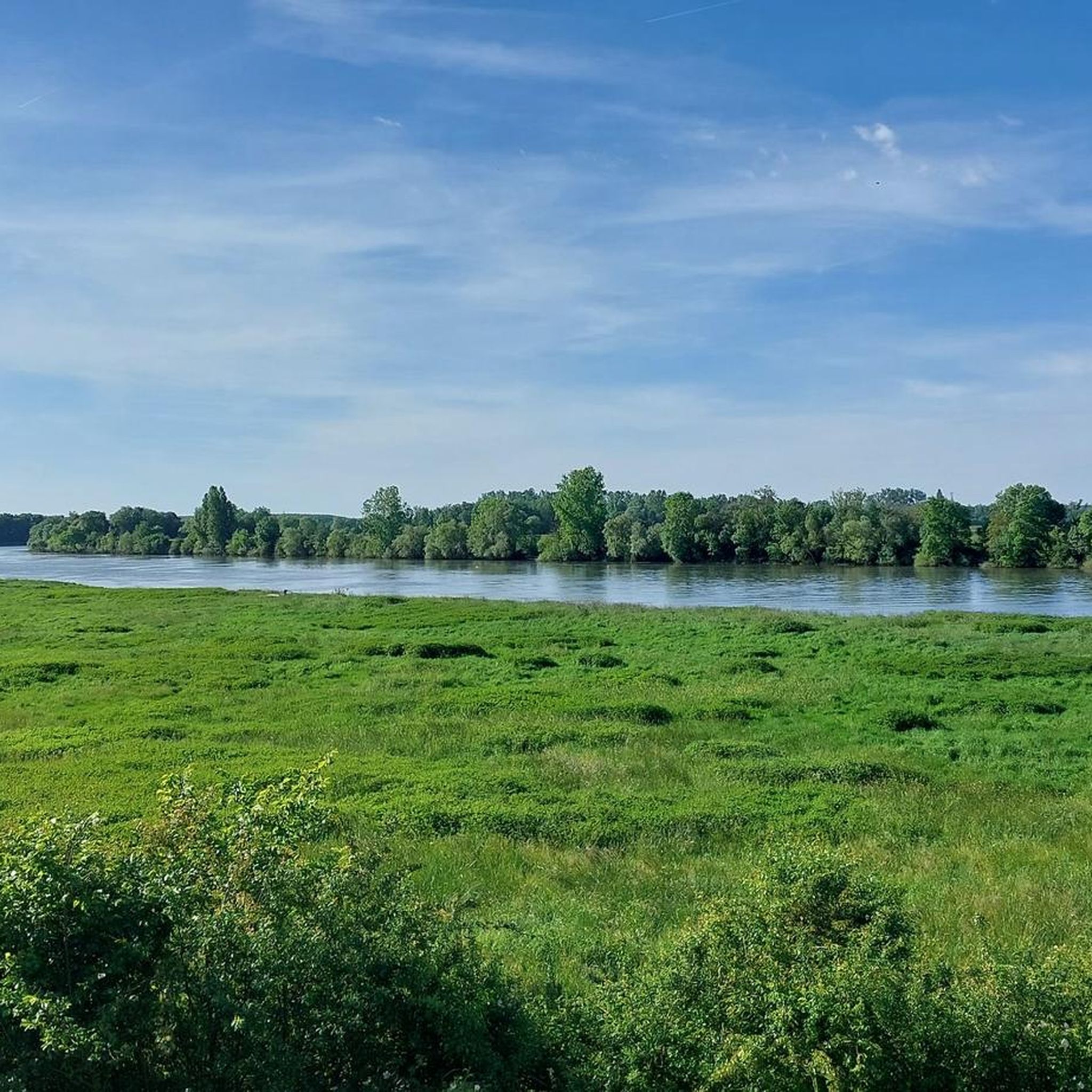
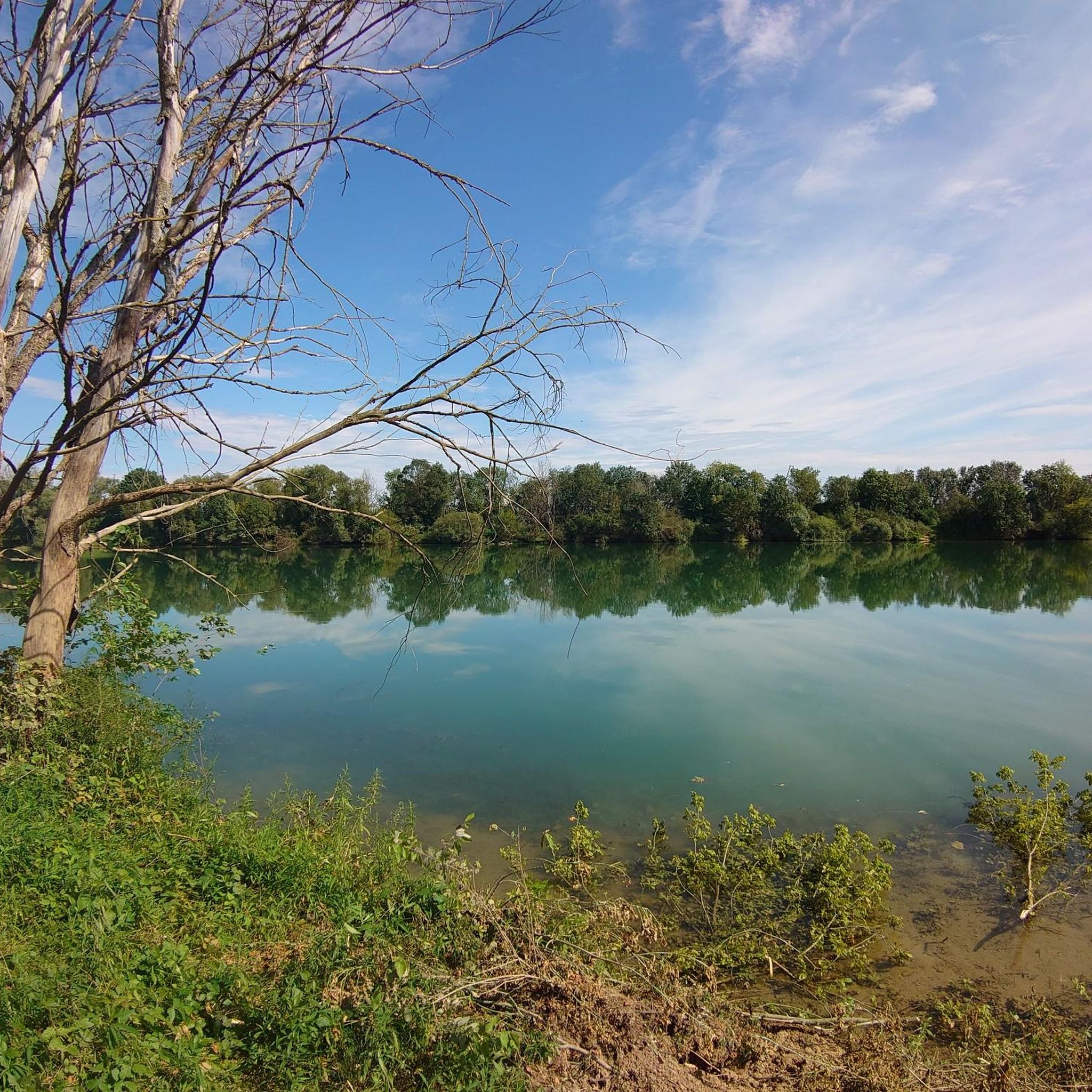
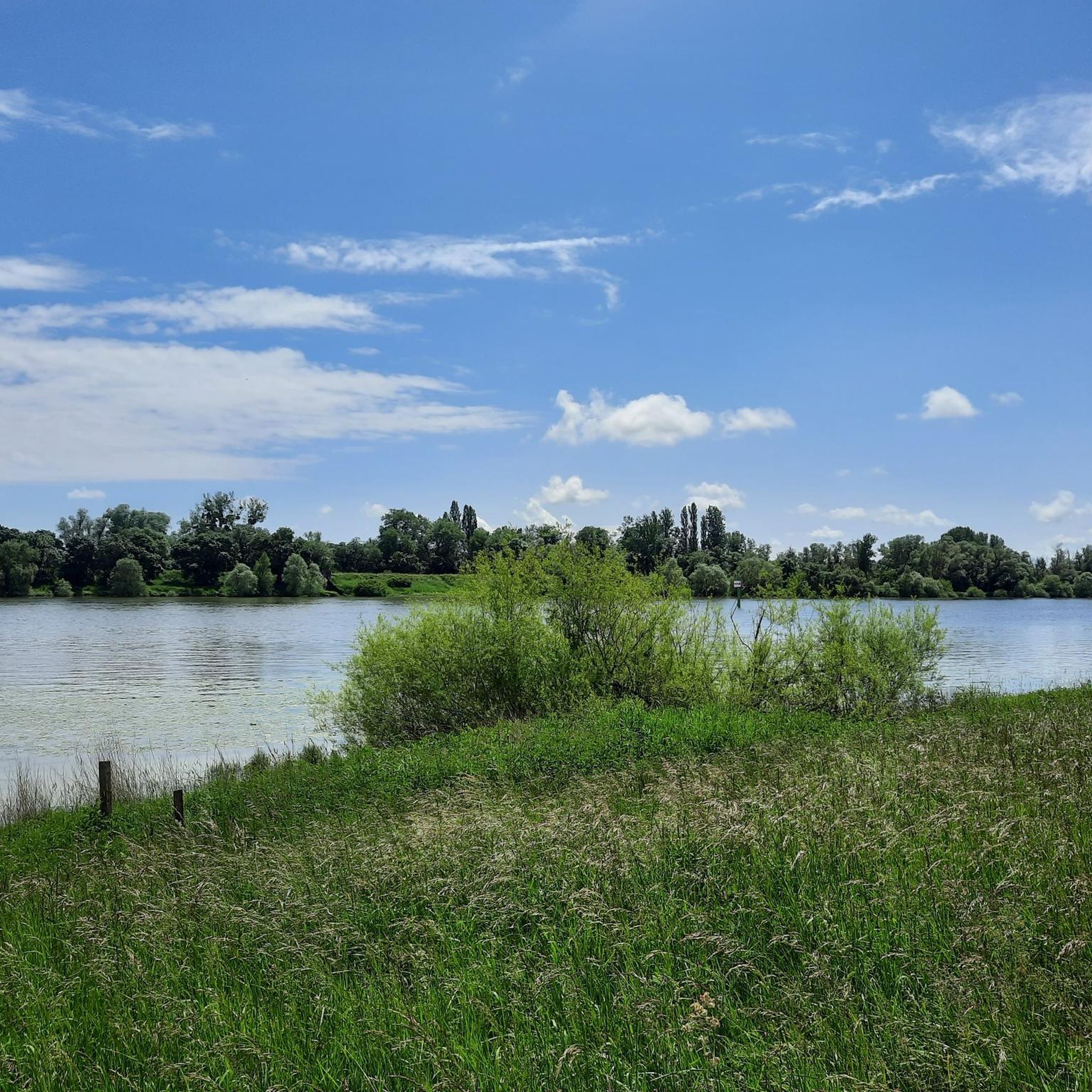
For a stopover and a little refreshment, I can recommend the "AU Bistro de la Capitainerie". Here you can sit nicely by the river Doubs before it joins the Saóne.
0
0
Frequently Asked Questions
What historical and cultural sites can I visit near Bey?
The region around Bey is rich in history and culture. You can explore Chalon-sur-Saône, a historical settlement known for its old town with half-timbered houses and the Saint Vincent Cathedral. Don't miss the Nicéphore Niépce Museum in Chalon-sur-Saône, dedicated to the inventor of photography. The central square, Rue du Chatelet, also offers a glimpse into the area's past with its picturesque architecture.
Are there family-friendly attractions around Bey?
Yes, several attractions are suitable for families. Verdun-Ciel, with its lively farmers market and river confluence, is a pleasant spot. Chalon-sur-Saône offers the Nicéphore Niépce Museum, which can be engaging for older children, and its old town is great for strolling. The central Rue du Chatelet in Chalon-sur-Saône also provides a lively atmosphere with cafes and shops.
What natural features or outdoor activities are available around Bey?
The region is characterized by its riverine landscapes, particularly the confluence of the Doubs and Saône rivers near Verdun-Ciel. For outdoor activities, the area is excellent for cycling. You can find various routes for touring bicycles, mountain bikes, and road cycling. Explore options like 'The Saône – Chalon-sur-Saône loop' or 'Verdun-sur-le-Doubs – Saône River loop'. For more details on routes, visit the Cycling around Bey, MTB Trails around Bey, and Road Cycling Routes around Bey guides.
What is the best time of year to visit Bey attractions?
The best time to visit depends on your interests. If you enjoy cultural festivals, July is ideal for the 'Chalon dans la rue' festival in Chalon-sur-Saône, which hosts street shows. For a lively local experience, visit Verdun-Ciel on a Thursday to experience its farmers market. Generally, spring and summer offer pleasant weather for exploring the river landscapes and historical towns.
Are there any unique events or festivals in the Bey area?
Yes, Chalon-sur-Saône is famous for its 'Chalon dans la rue' festival, which takes place every July. This festival features street shows and performances, bringing a vibrant atmosphere to the town. It's a significant cultural event that draws many visitors.
What kind of food and drink options are available near the attractions?
In Chalon-sur-Saône, particularly around Rue du Chatelet and the Saint Vincent Cathedral, you'll find many cafes and restaurants. Verdun-Ciel also has bakeries for snacks, especially on market days. The region offers opportunities to enjoy local French cuisine and pastries.
What do visitors enjoy most about the attractions around Bey?
Visitors particularly appreciate the blend of natural beauty and rich history. The charming old towns with their half-timbered houses, like in Chalon-sur-Saône, are highly rated. The historical significance of sites like the Nicéphore Niépce Museum and the picturesque river confluences also receive positive feedback. The lively atmosphere of markets and festivals is also a highlight for many.
Are there opportunities for cycling along the rivers?
Absolutely. The EuroVelo 6 route crosses the region, particularly near Verdun-Ciel and Chalon-sur-Saône, offering excellent cycling opportunities along the Doubs and Saône rivers. You can find various routes for different cycling styles in the Cycling around Bey, MTB Trails around Bey, and Road Cycling Routes around Bey guides.
Can I find antique shops or unique local stores in the area?
Yes, in Chalon-sur-Saône, especially around the central Rue du Chatelet, you can discover many antique shops, small patisseries, and cozy cafes, perfect for finding unique local items.
What is the significance of Nicéphore Niépce in this region?
Joseph Nicéphore Niépce, the inventor of photography, was a native of this region. His pioneering work in heliography led to the world's first surviving photograph. The Nicéphore Niépce Museum in Chalon-sur-Saône celebrates his legacy, housing over two million photographs and various historical photographic equipment, as well as his other inventions like the Pyréolophore, the world's first internal combustion engine.
Are there any viewpoints to enjoy the river landscapes?
Yes, Verdun-Ciel is situated at the confluence of the Doubs and Saône rivers, offering scenic views of the waterways. The EuroVelo 6 route also provides opportunities to cross larger bridges, giving panoramic perspectives of the rivers and surrounding landscapes.
What is the history behind the Saint Vincent Cathedral?
The Saint Vincent Cathedral in Chalon-sur-Saône was originally built in the Romanesque style between 1092 and 1220, with Gothic additions made later in the 16th century. It features a beautiful cloister and is characterized by a Gothic elevation and a 'neo-Gothic' façade. Inside, you can find Romanesque capitals, a 1510 Brussels tapestry, and a 16th-century stained glass window.

Get inspired with the komoot mobile app


Explore more
Still not found the Highlight you’re looking for? See guides of the top attractions in other regions:
