The best walks and hikes around Saint-Ythaire
4.6
(292)
1,214
hikers
151
hikes
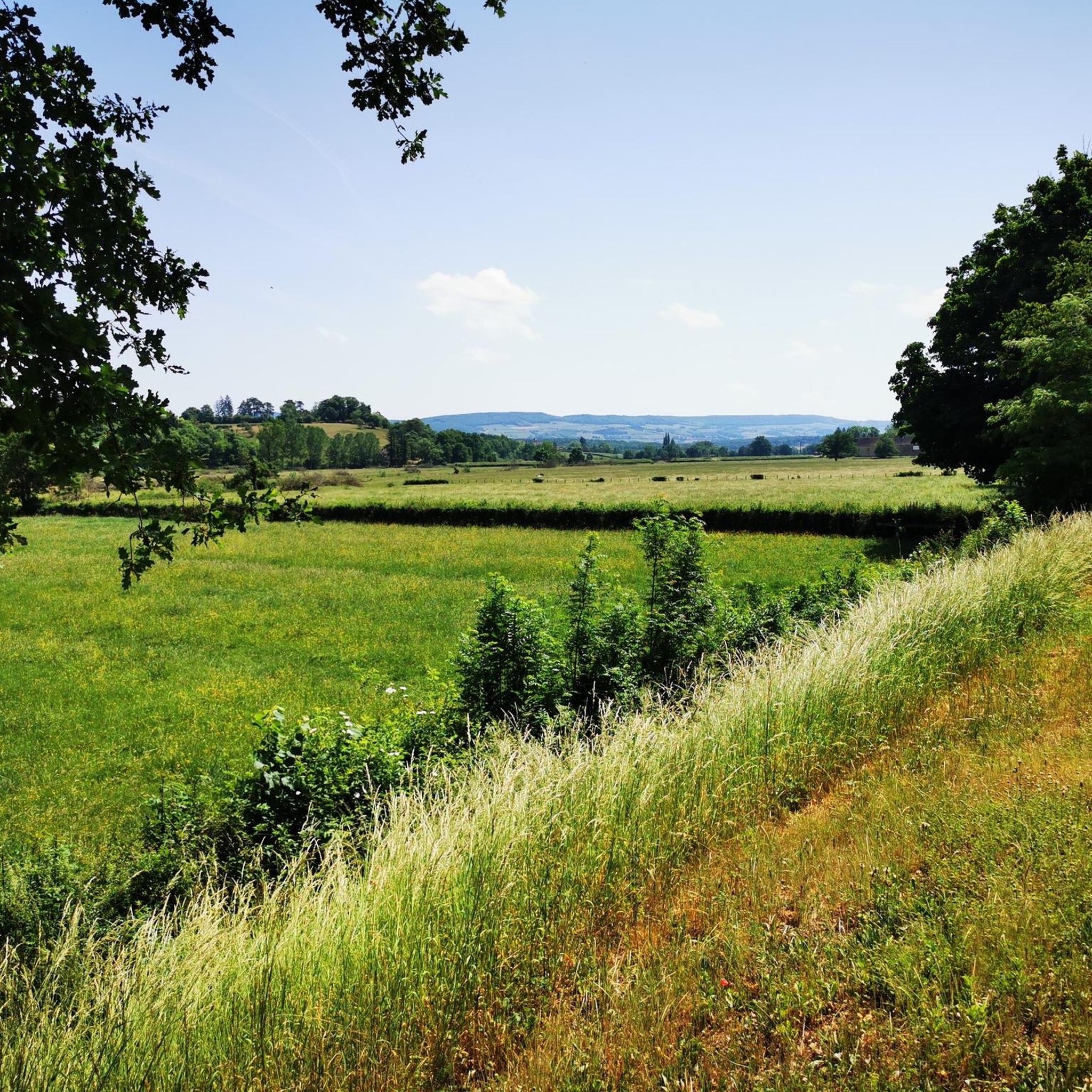
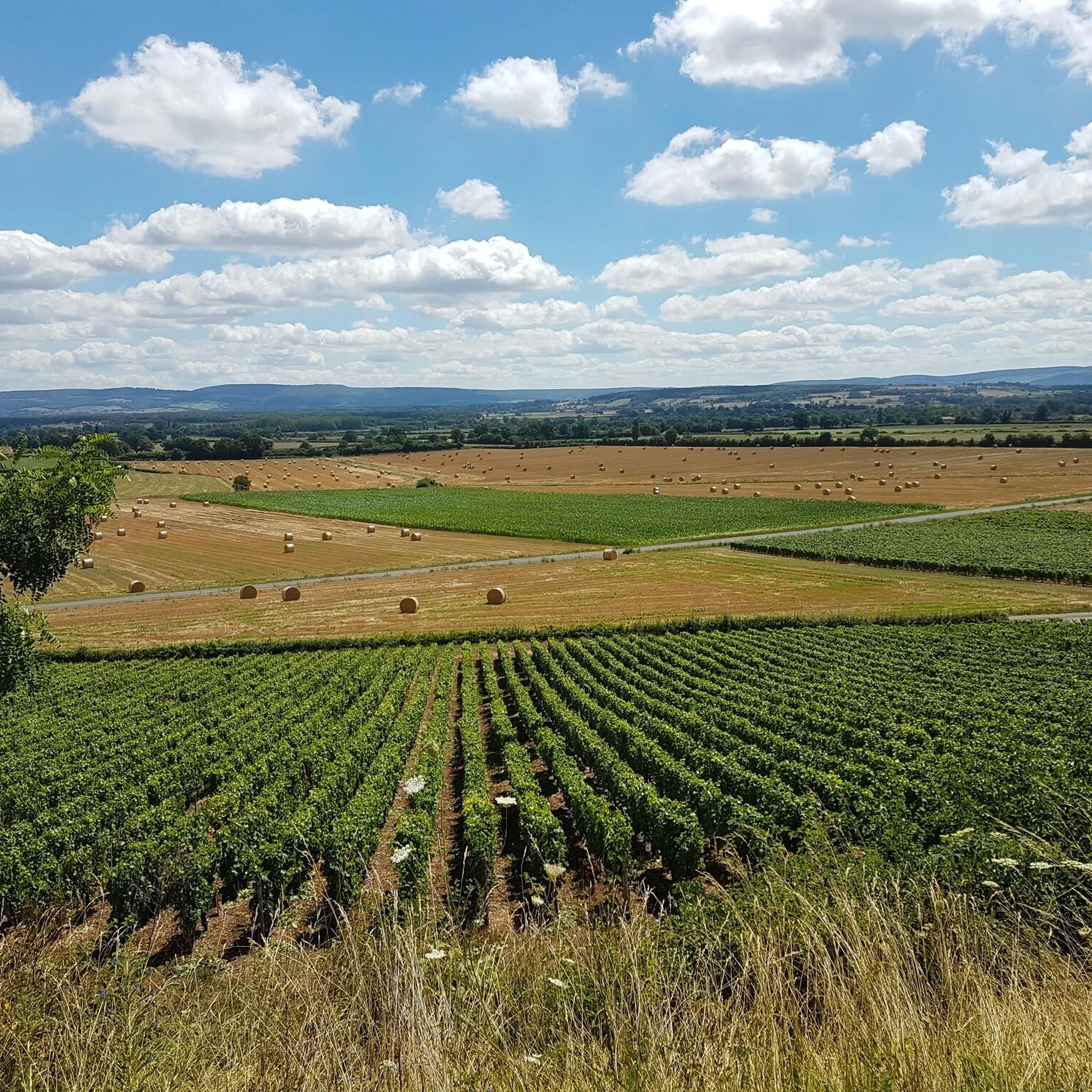
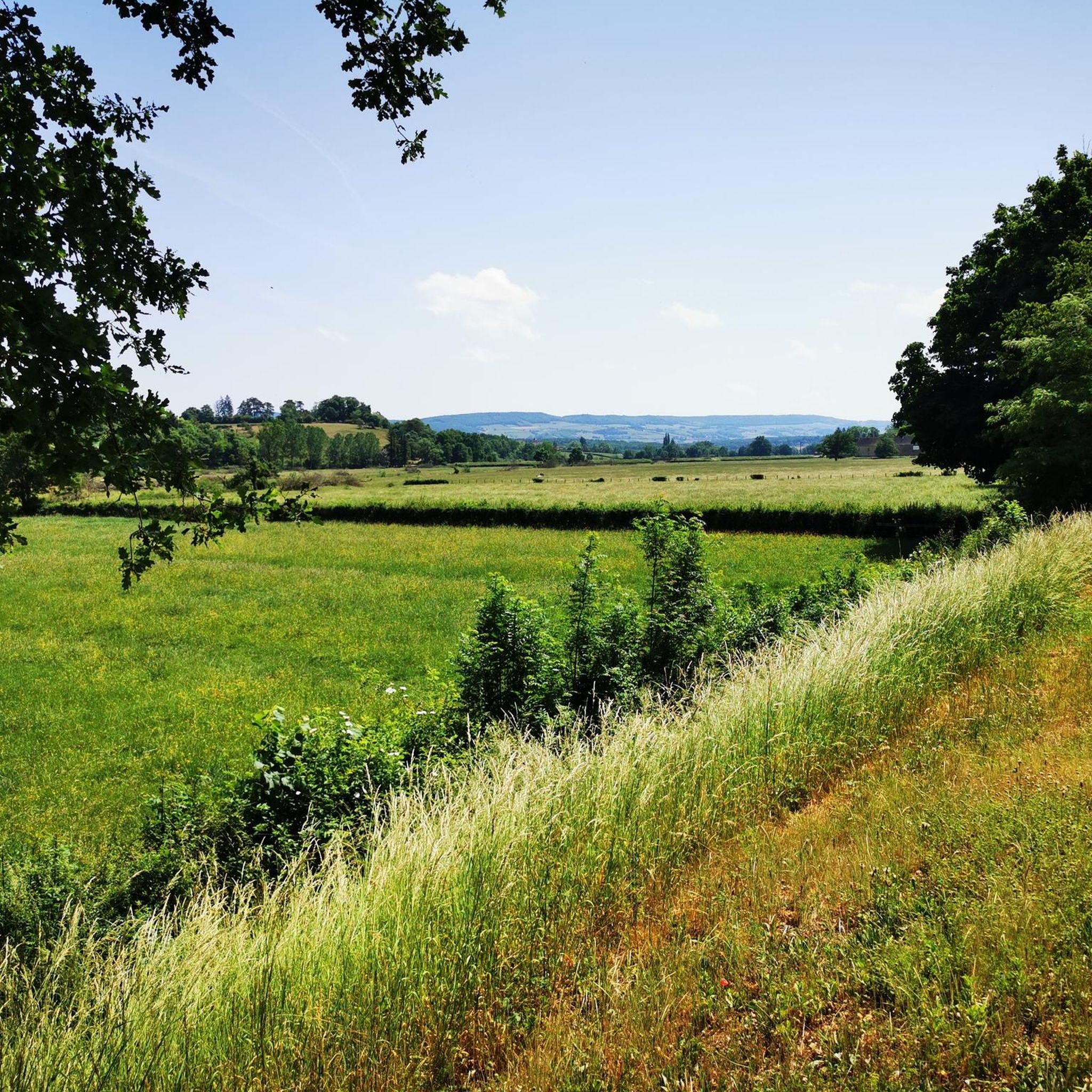
Hiking around Saint-Ythaire offers a variety of routes through the rural landscape of the region. The terrain is characterized by rolling hills and village paths, with moderate elevation changes. Hikers can expect to explore a mix of open countryside and local settlements. The area provides opportunities for both shorter, easier walks and longer, more challenging trails.
Best hiking trails around Saint-Ythaire
- The most popular hiking route is Saint-Gengoux-le-National – La lavoir The washhouse loop from Burnand, a 6.7 miles…
Last updated: August 29, 2026
4.6
(5)
27
hikers
11.0km
03:10
270m
270m
Moderate hike. Good fitness required. Easily-accessible paths. Suitable for all skill levels.
5.0
(1)
7
hikers
10.5km
02:51
150m
150m
Moderate hike. Good fitness required. Easily-accessible paths. Suitable for all skill levels.

Sign up for free
5.0
(1)
9
hikers
7.59km
02:11
180m
180m
Moderate hike. Good fitness required. Easily-accessible paths. Suitable for all skill levels.
5.0
(8)
14
hikers
12.5km
03:37
310m
310m
Moderate hike. Good fitness required. Easily-accessible paths. Suitable for all skill levels.
4.0
(1)
4
hikers
14.1km
03:53
230m
230m
Moderate hike. Good fitness required. Easily-accessible paths. Suitable for all skill levels.
Get access to more routes and recommendations from other explorers.
Sign up for free
Already have an account?
Our route recommendations are based on thousands of hikes, rides, and runs completed by other people on komoot.
Start today with a free account
Your next adventure awaits.
Login or Signup

Tips from the Community

The imposing church was originally built in the 12th century by the monks of the Abbey of Cluny. It officially belongs to the Cluniac sites and is on the candidate list for UNESCO World Heritage. The building combines different architectural eras. While the striking transept and the octagonal bell tower date from the Romanesque era, the three-aisled choir visible in the background shows Gothic features. A central eye-catcher in the sanctuary is the large, colorful neo-Gothic church window, which casts a soft light into the elongated interior. Along the mighty pillars of the nave, detailed sculptures and reliefs on the capitals can be seen in the foreground.
0
0
The ruins of the church of Saint-Hippolyte are located in the commune of Bonnay-Saint-Ythaire. The Romanesque church was built in the 11th century by the monks of the Abbey of Cluny. Fortification: In the 13th century (around 1214), the building was converted into a fortified church at the request of the monks to offer better protection. In the process, the church was partially transformed into a keep (Donjon). The building was severely damaged in the 15th and 16th centuries, and the nave of the church finally collapsed in the 18th century. Since 1913, the site has been a listed Monument historique.
1
0

Very beautiful little town with all services and shops.
0
0

http://www.les-lierres.fr/ Very charming and atypical holiday home in a Burgundian residence in the heart of Saint Gengoux le National. Absolutely recommended - a very nice and accommodating hostess
0
0
http://lebaronperche.fr/ Bookstore, board games, but also a place to drink. Above all, a place where you feel comfortable... immediately! That is its magical effect. It's worth stopping by the store
0
0

An extraordinary vestige of the Middle Ages. The church of Saint-Hippolyte was one of the oldest fortified churches in Burgundy. It was classified as a "Historic Monument" of France in 1913. Its history and legend are palpable when you are inside the ruins.
5
0

The ruins of the Romanesque church. On September 10, 1913, the church was classified as a Historic Monument, thanks to the intervention of archaeologist Jean Virey; in 1927, the Historical Monuments consolidated its bell tower which threatened to fall. Then, the work of destruction resumes, the church being invaded by vegetation. In 2003, the commune of Bonnay became the owner of the church by buying it from an individual, for a symbolic euro.
1
0

The Château de Burnand, located in Saône-et-Loire is a magnificent castle steeped in history. In the middle of the countryside, it exudes architectural grandeur and offers visitors a captivating insight into the region's rich heritage.
0
0
Frequently Asked Questions
How many hiking trails are there in Saint-Ythaire?
There are over 160 hiking trails around Saint-Ythaire, offering a wide range of options for all abilities. You'll find approximately 60 easy routes, nearly 100 moderate trails, and a few more challenging options.
Are there any easy or beginner-friendly hikes in Saint-Ythaire?
Yes, Saint-Ythaire offers around 60 easy hiking routes suitable for beginners or those looking for a relaxed walk. These trails typically feature rolling hills and village paths with moderate elevation changes, making them accessible for most. For a moderate option, consider the Bierre Village loop from Saint-Ythaire, which is 4.7 miles (7.6 km) long.
What is the typical length of hikes around Saint-Ythaire?
Hikes around Saint-Ythaire vary in length. Many popular routes are moderate and range from 4 to 8 miles (6 to 13 km), taking a few hours to complete. For example, the Hiking loop from Bonnay-Saint-Ythaire is 6.5 miles (10.5 km) long.
Are there any circular or loop trails available in Saint-Ythaire?
Yes, many of the hiking routes in Saint-Ythaire are circular or loop trails, allowing you to start and end at the same point. A notable example is the Saint-Gengoux-le-National – La lavoir The washhouse loop from Burnand, which is a 6.7-mile (10.8 km) loop.
What kind of attractions can I expect to see along the hiking trails?
The region around Saint-Ythaire is rich in historical and cultural sights. Along your hikes, you might encounter charming villages, traditional lavoirs (washhouses), and historic churches. Notable attractions include the Cormatin Castle, the Chapaize Church, and the medieval town of Saint-Gengoux-le-National.
Are there any castles or historical landmarks near the hiking routes?
Absolutely. The area is dotted with historical landmarks. You can explore several castles such as Sercy Castle, Château de Gros Chigy, and La Serrée Castle. Additionally, there are beautiful churches like the Sainte-Marie-Madeleine Church and the Church of the Assumption of Ameugny.
What do other hikers enjoy the most about hiking in Saint-Ythaire?
The komoot community highly rates the hiking experience in Saint-Ythaire, with an average score of 4.6 stars from over 290 reviews. Hikers often praise the peaceful rural landscapes, the well-maintained village paths, and the variety of routes suitable for different fitness levels. The blend of open countryside and local settlements is also a frequently mentioned highlight.
Is Saint-Ythaire suitable for family-friendly hikes?
Yes, Saint-Ythaire is well-suited for family-friendly hikes, especially given the abundance of easy and moderate trails. The terrain, characterized by rolling hills and village paths, is generally manageable for children. Many routes offer opportunities to explore local nature and charming villages without overly strenuous climbs.
What is the best time of year to go hiking in Saint-Ythaire?
The best time to hike in Saint-Ythaire is typically during spring, summer, and early autumn. These seasons offer pleasant weather for exploring the rural landscapes and village paths. Spring brings blooming wildflowers, while autumn showcases colorful foliage. Summers are generally warm, ideal for longer days out.
Are there opportunities to see wildlife while hiking in Saint-Ythaire?
While specific wildlife sightings cannot be guaranteed, the rural landscape of Saint-Ythaire, with its mix of open countryside and wooded areas, provides habitats for various local wildlife. Hikers might spot common birds, small mammals, and insects typical of the French countryside, especially during quieter times of day.
Are there any hikes that pass through or near the town of Saint-Gengoux-le-National?
Yes, several routes explore the vicinity of Saint-Gengoux-le-National. One popular option is the Bierre Village – Church of Sigy-le-Châtel loop from Sigy-le-Châtel, which is a moderate 7.6-mile (12.3 km) trail that passes through the area, offering views of the local architecture and countryside.
Are there any longer, more challenging hikes available?
While the majority of trails are easy to moderate, Saint-Ythaire does offer a few more challenging options for experienced hikers. These routes typically feature greater distances and more significant elevation changes. For a longer moderate hike, consider the Bierre Village – Church of Sigy-le-Châtel loop from Burzy, which spans 8.8 miles (14.1 km).
Most popular routes around Saint-Ythaire
Most popular attractions around Saint-Ythaire

Get inspired with the komoot mobile app


Explore more
Browse the best Hikes in other regions.
