Attractions and Places To See around Saint-Boil - Top 20
Attractions and places to see around Saint-Boil, a commune in the Saône-et-Loire department of France, offer a blend of historical sites and cultural heritage. The area features a landscape with rural villages and historical landmarks, providing opportunities for exploration. Visitors can discover medieval architecture and significant religious buildings within the region. These landmarks and natural features around Saint-Boil contribute to its appeal for those interested in history and local culture.
Best attractions and places to see around Saint-Boil
- The most…
Last updated: May 9, 2026
Cormatin Castle
Highlight • Castle
Translated by Google •
Tip by

Chapaize Church
Highlight • Religious Site
Translated by Google •
Tip by

Sign up now to discover places like this
Get recommendations on the best single tracks, peaks, & plenty of other exciting outdoor places.
Sign up for free
Saint-Gengoux-le-National
Highlight • Settlement
Translated by Google •
Tip by

Saint-Hippolyte Church Ruins
Highlight • Religious Site
Translated by Google •
Tip by
Sercy Castle
Highlight • Castle
Translated by Google •
Tip by

Sign up for free to discover even more attractions around Saint-Boil.
Sign up for free
Already have an account?
Start today with a free account
Your next adventure awaits.
Login or Signup
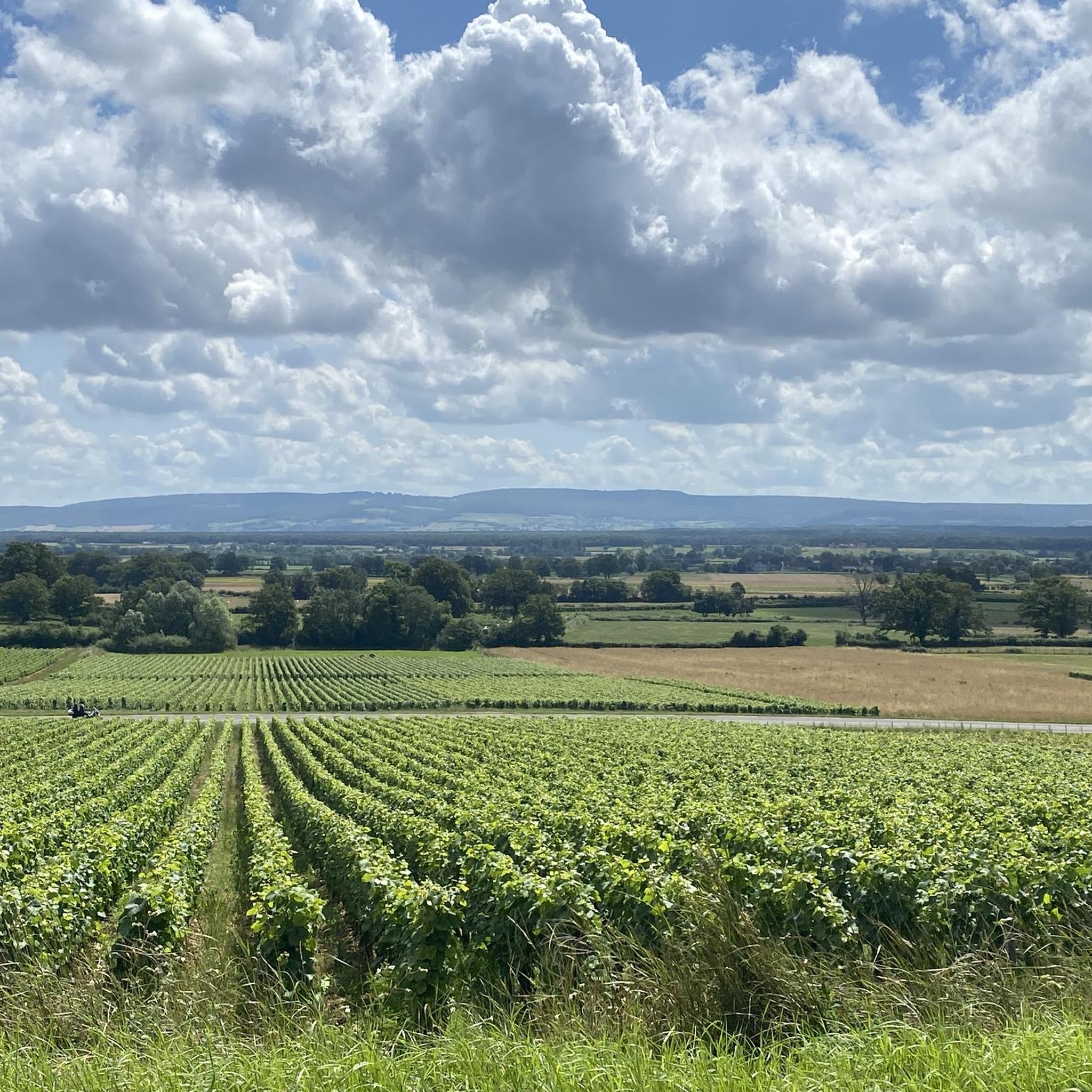

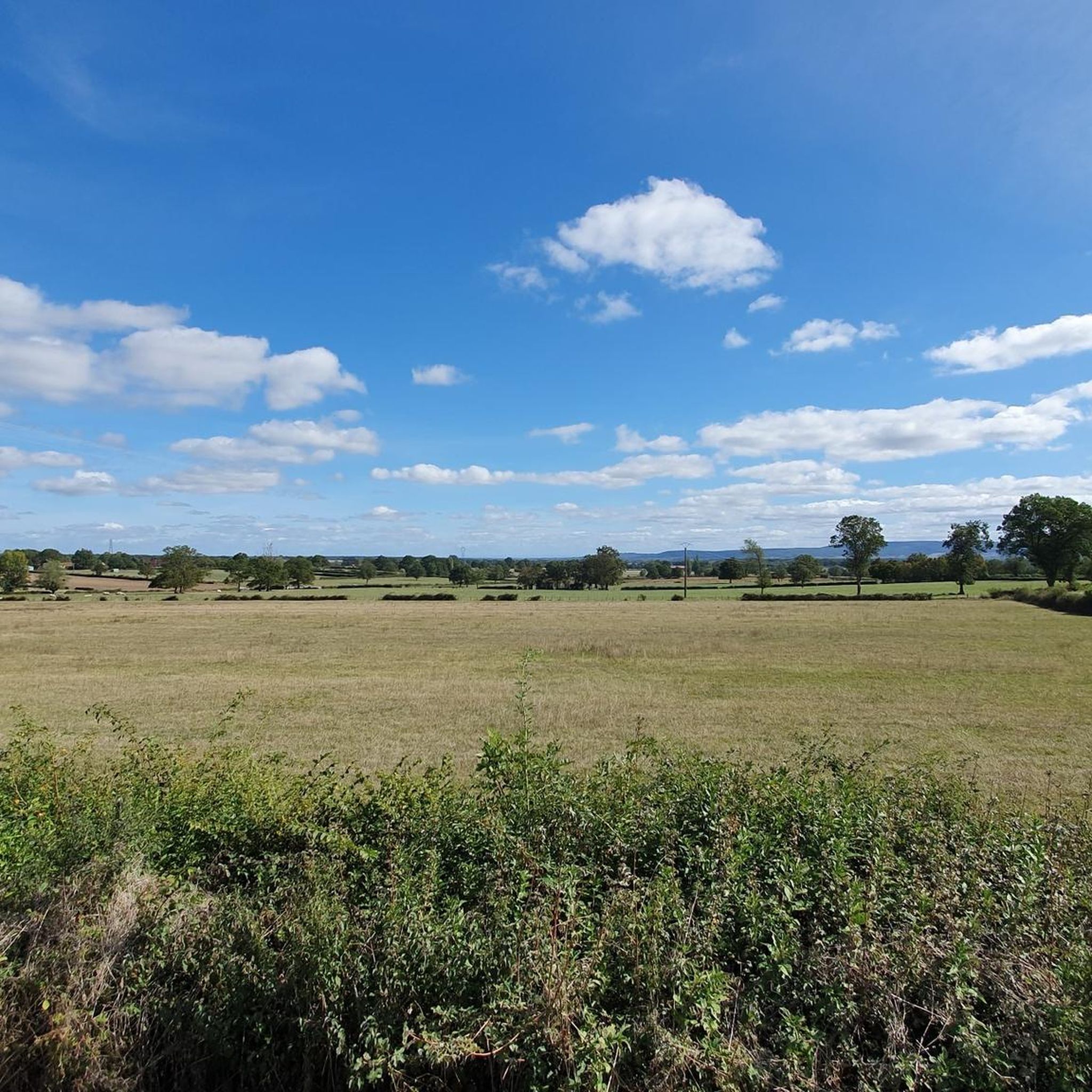
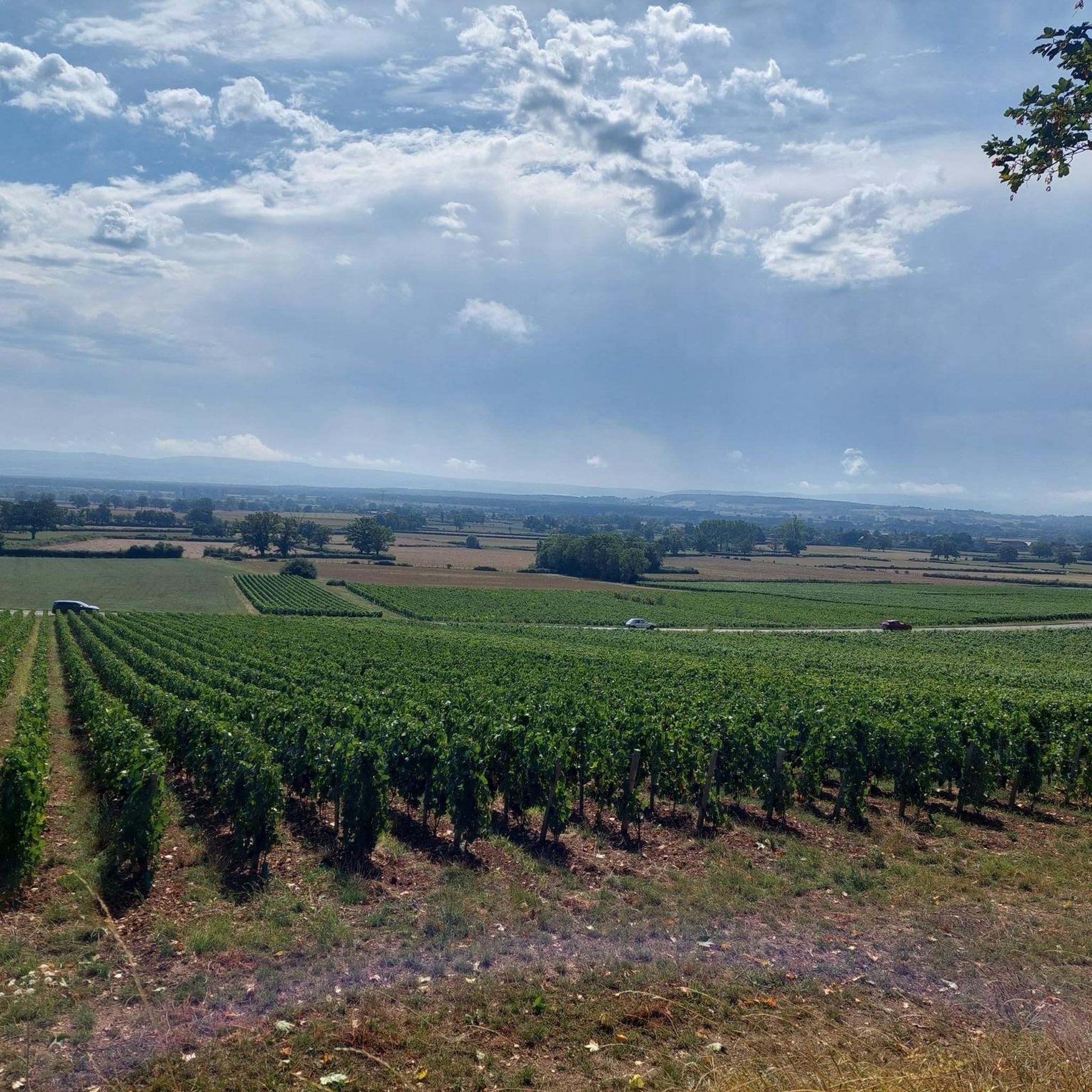
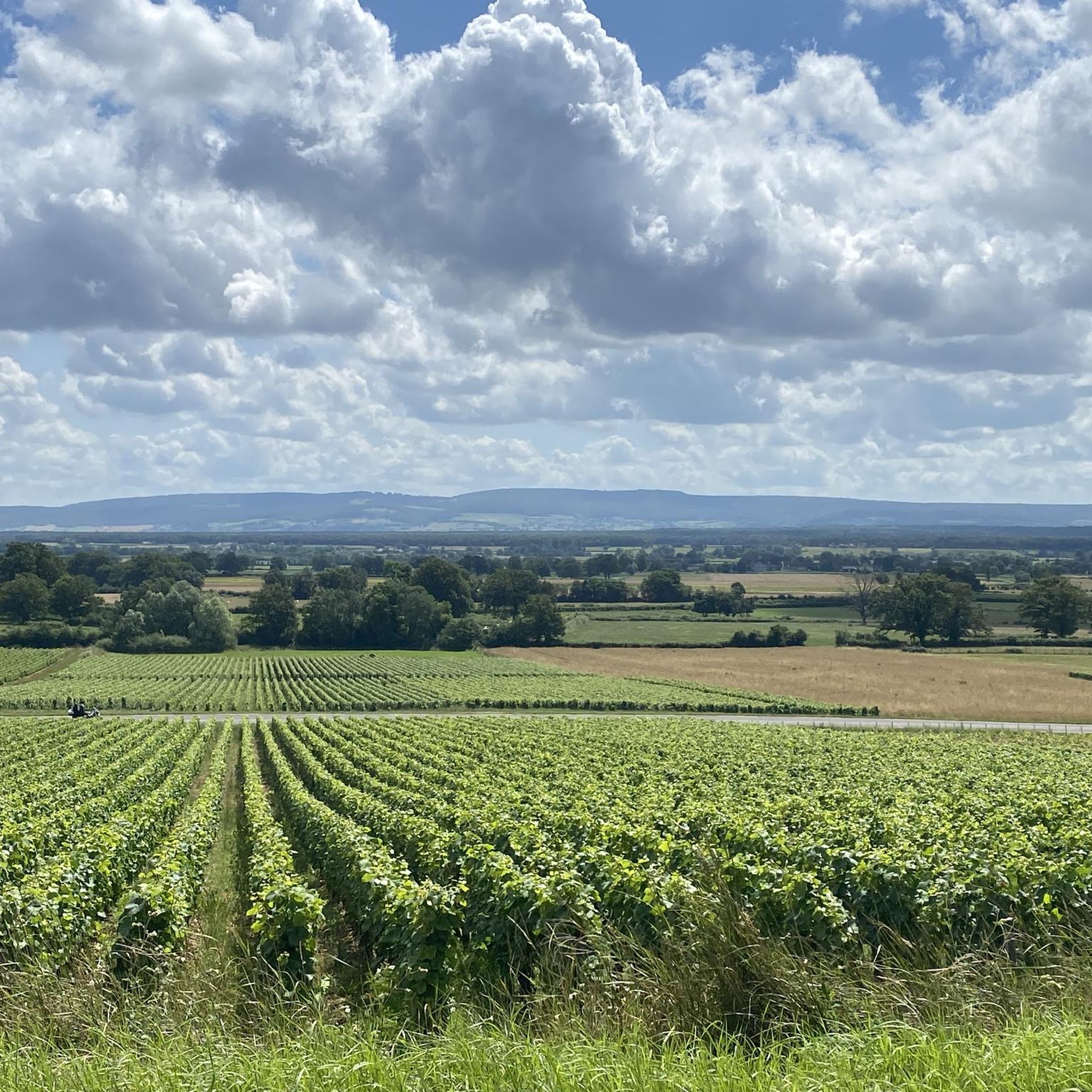
Tips from the Community

The ruins of the church of Saint-Hippolyte are located in the commune of Bonnay-Saint-Ythaire. The Romanesque church was built in the 11th century by the monks of the Abbey of Cluny. Fortification: In the 13th century (around 1214), the building was converted into a fortified church at the request of the monks to offer better protection. In the process, the church was partially transformed into a keep (Donjon). The building was severely damaged in the 15th and 16th centuries, and the nave of the church finally collapsed in the 18th century. Since 1913, the site has been a listed Monument historique.
0
0

The residence of the Marquis d'Huxelles, built between 1606 and 1625, is home to the most sumptuous Louis XIII apartment preserved in France. Fireplaces, ceilings and wood panelling were painted, carved and gilded with sumptuous exuberance for the favourite of Queen Marie de Medici. Paintings, tapestries and period furniture complete this seductive evocation of "château life" at the time of the "Three Musketeers". The tour also reveals a monumental stone staircase (20 metres high), an 18th century kitchen and the opulent 1900s salons of an opera director. The garden, in the spirit of the Baroque period, offers 12 hectares of flowerbeds, a large boxwood labyrinth with aviary-belvedere, vegetable garden, green theatre, water features and remarkable trees.
2
1

Superb little town, all shops and services.
1
0

Picnic table, or lawn on the other side of the road, for those who want to picnic with a view. Few tourists even on a long weekend!
0
0

Saint-Gengoux-le-National owes its medieval town to the dual supervision exercised by the Abbey of Cluny and by King Louis VII from the 12th century. Walking through the streets of this city is a real pleasure, it has managed to preserve its urban, architectural and landscape heritage.
2
0
This castle from the beginning of the 17th century can be visited, both for its gardens and for its interior. You will notably discover a monumental stone staircase and a well-preserved Louis XIII apartment. Outside, a large boxwood labyrinth, a green theater, ponds and flower beds will delight young and old alike.
4
1

An extraordinary vestige of the Middle Ages. The church of Saint-Hippolyte was one of the oldest fortified churches in Burgundy. It was classified as a "Historic Monument" of France in 1913. Its history and legend are palpable when you are inside the ruins.
5
0

Very pretty castle! Always has an effect when I walk past!
0
0
Frequently Asked Questions
What historical and cultural sites can I explore around Saint-Boil?
The region around Saint-Boil is rich in history. You can visit the 12th-century Cormatin Castle, known for its Louis XIII apartments and extensive gardens. Another significant site is Saint-Gengoux-le-National, a village with authentic medieval streets and Renaissance residences. Don't miss the 12th-century Église Saint-Baudile in Saint-Boil itself, featuring a notable Romanesque bell tower.
Are there any family-friendly attractions near Saint-Boil?
Yes, several attractions are suitable for families. Cormatin Castle offers a large boxwood labyrinth, a green theater, and ponds in its gardens, which delight both children and adults. The medieval streets of Saint-Gengoux-le-National also provide an engaging experience for families to explore.
What kind of outdoor activities can I do near Saint-Boil?
The area around Saint-Boil offers various outdoor activities. You can find numerous routes for hiking, mountain biking, and road cycling. For instance, there are easy hiking trails like the "Saint-Gengoux-le-National and Sercy Castle Loop" and moderate mountain biking routes such as the "Culles les Roches – Fley Church loop from Saint-Boil." You can explore more options on the dedicated guides for hiking, MTB trails, and cycling around Saint-Boil.
Where can I see impressive religious architecture in the region?
The region boasts remarkable religious architecture. The Chapaize Church, a former priory church of Saint-Martin, is considered one of Burgundy's most beautiful early Romanesque churches, known for its age, simple beauty, and a surprisingly high bell tower with Lombard influences. Additionally, the Église Saint-Baudile in Saint-Boil itself is a 12th-century church with a noteworthy Romanesque bell tower and Gothic additions.
Are there any hidden historical gems or unique ruins to discover?
Yes, for a unique historical experience, visit the Saint-Hippolyte Church Ruins. These 11th-century ruins, built by the Cluniacs, were later fortified into a keep in the 13th century. Located on a height, they offer a mystical journey back in time and are classified as a "Historic Monument" of France.
What do visitors enjoy most about the attractions around Saint-Boil?
Visitors frequently praise the well-preserved historical sites and the authentic charm of the villages. For example, the gardens of Cormatin Castle are highly appreciated for their beauty and the fun boxwood maze. The medieval atmosphere of Saint-Gengoux-le-National also receives positive feedback for making visitors feel like time has stood still.
Can I find any medieval castles that are well-preserved?
Absolutely. Sercy Castle is one of the best-preserved medieval castles in the region, featuring a Romanesque chapel and a rich history. Its picturesque surroundings and peaceful ambiance make it a top destination for history enthusiasts.
What is the best time of year to visit Saint-Boil and its attractions?
The best time to visit Saint-Boil and its attractions is generally during the spring, summer, and early autumn months (April to October). During these periods, the weather is pleasant for exploring historical sites, enjoying the castle gardens, and engaging in outdoor activities like hiking and cycling. Many attractions also have extended opening hours during the peak summer season.
Are there any specific villages known for their historical character?
Yes, Saint-Gengoux-le-National is particularly celebrated for its authenticity. It features beautiful medieval streets lined with half-timbered houses and rich Renaissance residences, easily recognizable by their distinctive mullioned windows. The village's church also showcases a unique blend of Gothic and Romanesque architecture.
Are there opportunities for long-distance cycling or mountain biking?
Yes, the area around Saint-Boil is well-suited for longer cycling and mountain biking adventures. You can find moderate mountain bike routes like the "Fley – Saint-Gengoux-le-National loop" which covers nearly 40 km, or the "Saône-et-Loire Greenway – Les Marguerons Washhouse loop" at over 44 km. For touring cyclists, routes like the "Medieval town of Buxy – Saint-Gengoux-le-National loop" offer distances of over 45 km. More details are available in the MTB Trails and Cycling guides.
What kind of architectural details should I look for in the churches?
When visiting the churches, pay attention to the blend of architectural styles. For instance, the Église Saint-Baudile in Saint-Boil features a Romanesque bell tower with sculpted decorations and Gothic additions in its choir. The church in Saint-Gengoux-le-National is notable for its unique combination of Gothic and Romanesque elements, including splendid stained-glass windows. At Chapaize Church, observe the harmonious early Romanesque architecture and the high bell tower with Lombard influences.
Most popular attractions around Saint-Boil

Get inspired with the komoot mobile app


Explore more
Still not found the Highlight you’re looking for? See guides of the top attractions in other regions:
