Top 4 Castles around Le Champ-De-La-Pierre
Best castles around Le Champ-De-La-Pierre offer a journey through centuries of history in the Normandy region. This area features a diverse landscape, including the Forêt d’Ecouves, part of the Normandy-Maine Regional Nature Park. Visitors can explore historical sites ranging from medieval strongholds to stately residences. The castles provide insight into the architectural evolution and cultural heritage of the region.
Best castles around Le Champ-De-La-Pierre
- The most popular castles is Carrouges Castle, a castle that showcases seven centuries of history,…
Last updated: July 8, 2026
Carrouges Castle
Highlight • Castle
Translated by Google •
Tip by

Rânes Castle
Highlight • Castle
Translated by Google •
Tip by
Sign up now to discover places like this
Get recommendations on the best single tracks, peaks, & plenty of other exciting outdoor places.
Sign up for free
Petit Jard Castle
Highlight • Historical Site
Translated by Google •
Tip by

Château de La Motte-Fouquet
Highlight • Castle
Translated by Google •
Tip by
Château de Beauvain
Highlight • Castle
Translated by Google •
Tip by
Start today with a free account
Your next adventure awaits.
Login or Signup
Tips from the Community

Very beautiful castle. The outside area is very interesting and a nice walk. Unfortunately I didn't see the inside of the castle. The bicycle parking area is behind the archway on the inside on the right.
0
0

Beauvain Castle is a 19th century residence built for a royal officer. The castle has a central pavilion, two wings and two turrets which give it a medieval charm. You can admire the architecture and surrounding landscape from the outside, as the castle is not open to the public. Beauvain Castle is a hidden gem that offers a glimpse into the past as you drive past.
2
0
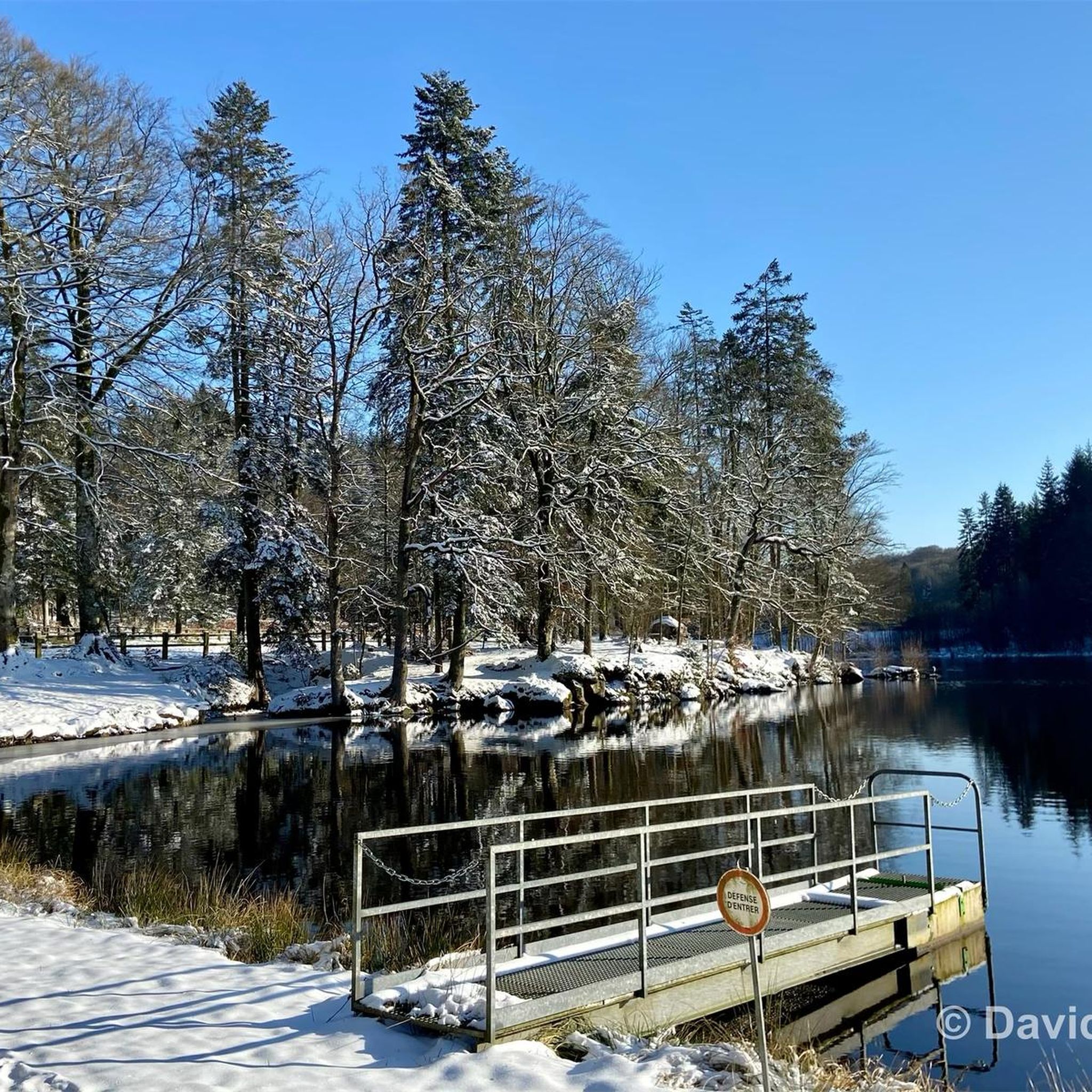
Château de la Motte is a 17th century castle built on the remains of a 15th century tower and a 16th century turret, surrounded by a large park with an orchard, a pond and a chapel. You will be able to admire the architecture and landscape of this former seigniorial estate dating from the 13th century and having rights of high and low justice. The castle is private property, but you can access the park and the chapel, classified as historic monuments.
2
0
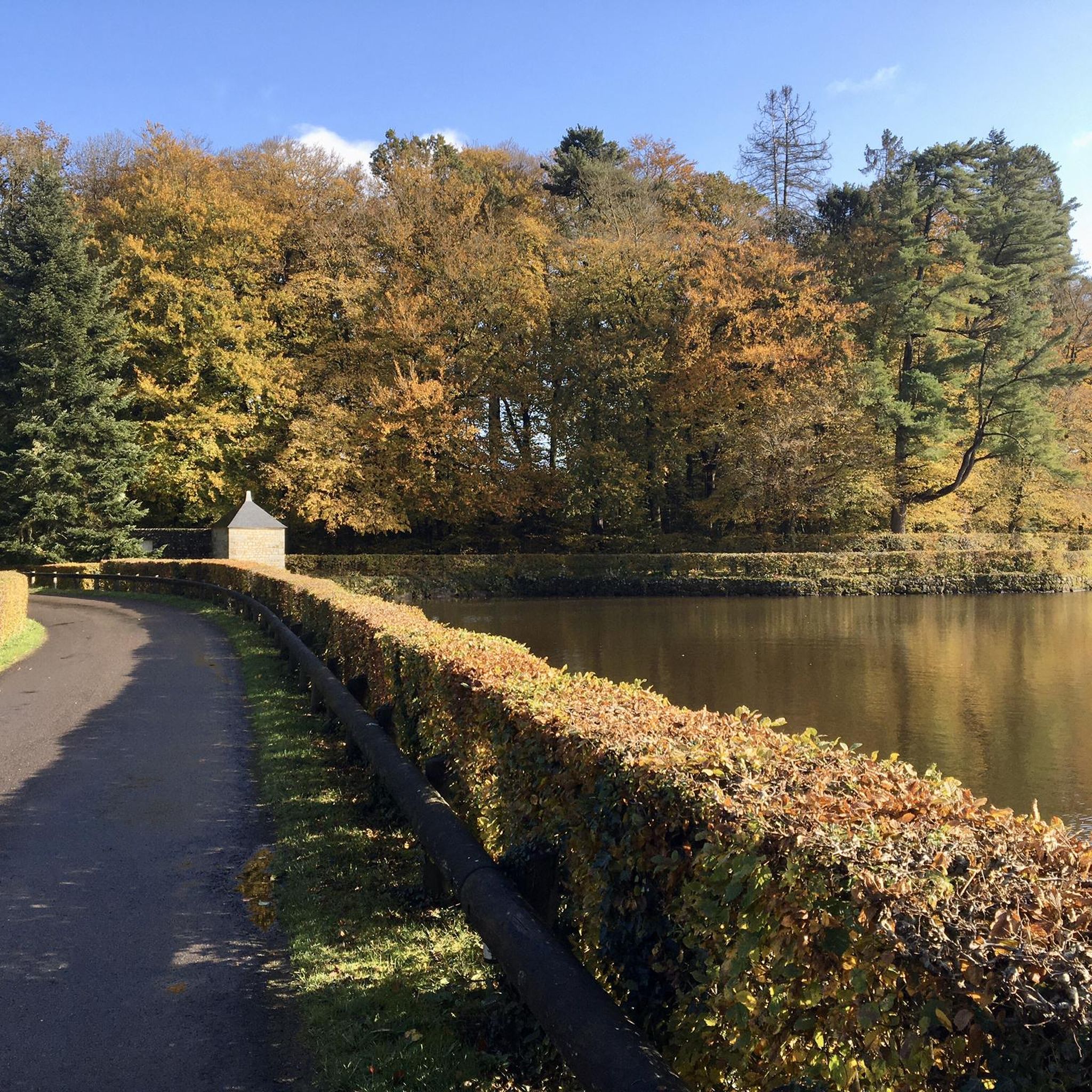
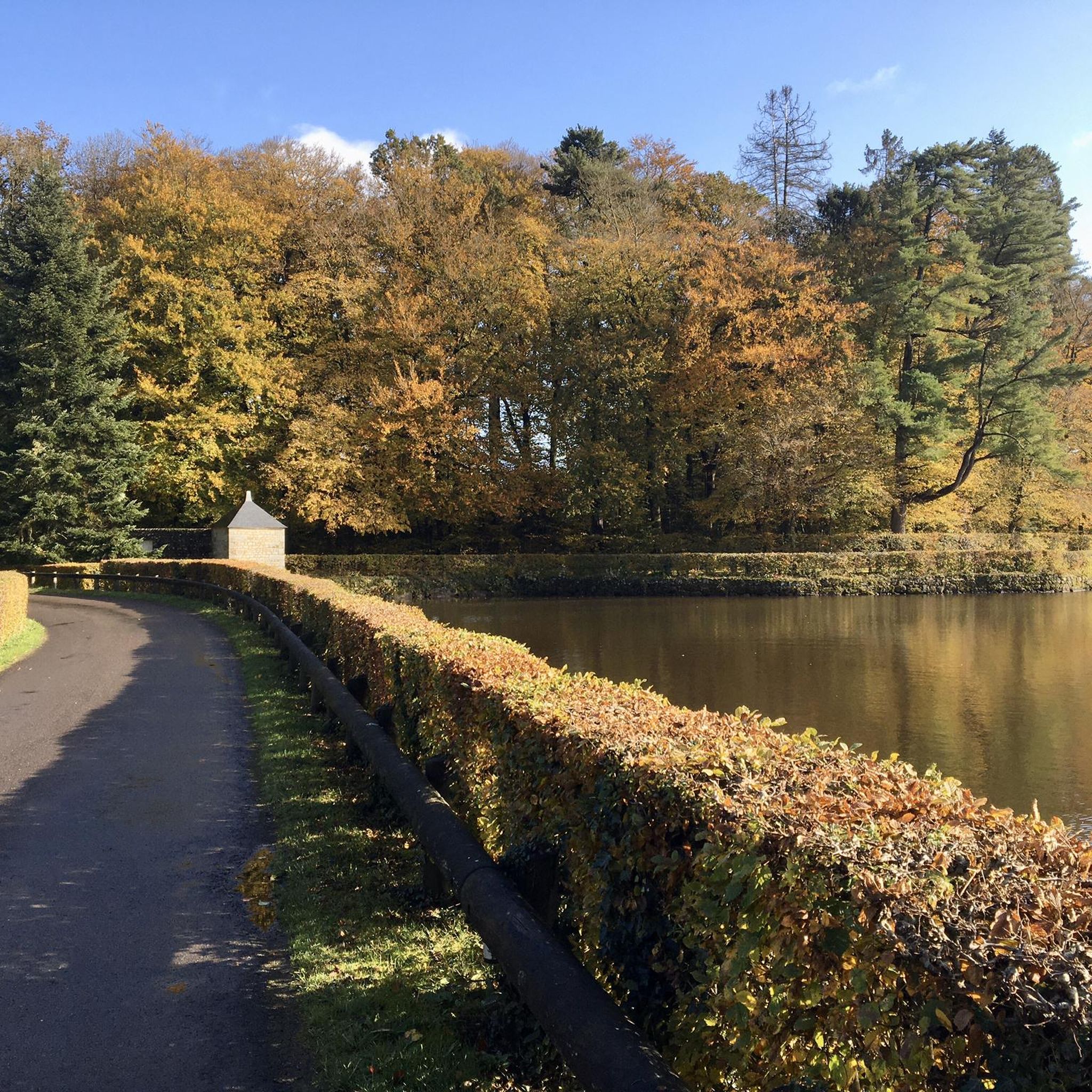
The Château du Petit-Jard is a former hunting lodge dating from the 18th century. It is surrounded by a beautiful area with a pond, an orangery, a kennel and a vegetable garden. You can admire the brick and stone architecture of the castle, as well as the neo-Gothic details of the outbuildings. The castle is not open to the public, but you can enjoy the view from outside and explore the nearby La Motte forest.
3
0

The castle is one of the largest in Normandy. It has been a listed building since 1927. From the free car park, a gravel path leads first to a gatehouse, then to the square castle, which is as defensive as it is representative and stands next to the small castle garden and a pasture. Beyond the castle stretches the beech and oak forest of the Forêt d’Ecouves, which is part of the Normandy-Maine Regional Nature Park. Inside, the Château de Carrouges invites you to travel through three centuries. The dining room with its marble fireplace and the bishops’ room with its wood-paneled prayer chamber are particularly beautiful.
1
0


A very beautiful castle in a historic city.
0
0

Carrouges Castle was built at the end of the 14th century to serve as a stately residence. Over the centuries, the castle has been remodeled and is now managed by the National Monuments Center which restored it. It is possible to visit the castle and its park on a self-guided tour or guided tour.
1
0
Frequently Asked Questions
Are there family-friendly castles to visit around Le Champ-De-La-Pierre?
Yes, several castles in the area are suitable for families. Carrouges Castle offers a journey through centuries of history and is managed by the National Monuments Center. Rânes Castle, with its accessible battlements and machicolations, also houses a prehistoric museum that can be engaging for children. Additionally, the park and chapel of Château de La Motte-Fouquet are accessible and offer space for exploration.
What kind of historical experiences do these castles offer?
The castles around Le Champ-De-La-Pierre provide a rich historical experience, spanning from medieval strongholds to Renaissance residences and 18th-century hunting lodges. Carrouges Castle, for instance, showcases seven centuries of history, evolving from a 14th-century fortress to a 16th-century Renaissance structure. Rânes Castle, built in 1404, features original battlements and machicolations, offering a glimpse into medieval defense architecture.
Are there guided tours available for any of the castles?
Yes, Carrouges Castle offers both self-guided and guided tours, allowing visitors to delve deeper into its extensive history and architecture. For other castles, it's advisable to check their official websites for current tour availability.
What outdoor activities can I do near the castles?
The region around Le Champ-De-La-Pierre, including areas near the castles, offers various outdoor activities. You can find numerous hiking trails, such as the 'Le Champ-de-la-Pierre – La Raitière chapel loop' or routes around Rânes Castle. There are also running trails and gravel biking routes available. For detailed routes and guides, explore the Hiking around Le Champ-De-La-Pierre, Running Trails around Le Champ-De-La-Pierre, and Gravel biking around Le Champ-De-La-Pierre guides.
Can I find natural features or wildlife near the castles?
Yes, many castles are situated within or near natural landscapes. Carrouges Castle is adjacent to the Forêt d’Ecouves, part of the Normandy-Maine Regional Nature Park, offering opportunities to experience nature. Petit Jard Castle is surrounded by a pond and is near the La Motte forest. Château de La Motte-Fouquet also features a large park with an orchard and a pond.
Is there parking available at the castles?
For Carrouges Castle, there is a free car park available for visitors. For other castles, especially those that are private or not fully open to the public, parking availability may vary. It's recommended to check local signage or official websites if planning a visit.
What is the difference between a 'castle' and a 'château' in this region?
In the context of Normandy, the terms 'castle' and 'château' are often used interchangeably, though 'château' is the French word for castle or stately home. Historically, 'castle' might imply a more fortified, medieval structure, while 'château' can refer to a grand country house or palace, often built for nobility. The sites in this guide, such as Carrouges Castle and Rânes Castle, represent both fortified origins and later residential transformations, blurring the distinction.
Are there any castle ruins to explore near Le Champ-De-La-Pierre?
While the castles mentioned in this guide are generally well-preserved structures, some, like Rânes Castle, retain significant medieval elements such as battlements and machicolations that evoke their original fortified state. The region's history of conflicts means many castles have undergone various stages of destruction and reconstruction, offering a sense of their past, even if not in complete ruin.
Can I visit castles that are not fully open to the public?
Yes, some castles, while private property or not fully open for interior tours, can still be admired from the outside. For example, Petit Jard Castle, an 18th-century former hunting lodge, can be viewed from its exterior. Similarly, Château de Beauvain, a 19th-century residence, offers architectural views from the outside. For Château de La Motte-Fouquet, while private, its park and chapel are accessible to visitors.
What do visitors enjoy most about the castles in this area?
Visitors frequently appreciate the rich history and architectural evolution showcased by the castles. The blend of medieval fortifications and later Renaissance or classical additions, as seen in Carrouges Castle, is a major draw. The extensive grounds, parks, and natural surroundings, such as those at Rânes Castle with its ancient trees, also contribute to a memorable experience. The komoot community has shared over 60 photos and given more than 80 upvotes, highlighting the visual appeal and historical significance of these sites.
Are there any cafes or dining options near the castles?
While specific cafes directly adjacent to every castle are not detailed, the castles are located within the broader region of Le Champ-De-La-Pierre and nearby towns like Rânes. Visitors can typically find dining options in these local communities. It's advisable to check local listings or plan for provisions, especially when visiting more secluded sites.
Most popular routes around Le Champ-De-La-Pierre
Most popular attractions around Le Champ-De-La-Pierre

Get inspired with the komoot mobile app


Explore more
Looking for the best castles somewhere else? Discover other guides around Le Champ-De-La-Pierre:
