Attractions and Places To See around Bretoncelles - Top 20
Best attractions and places to see around Bretoncelles include a blend of historical landmarks and natural features within the Orne department of Normandy, France. Situated in the Perche Natural Regional Park, the area offers diverse landscapes from wetlands to forests. Visitors can explore historical sites, enjoy scenic greenways, and discover protected natural areas along rivers. The region provides opportunities to experience tranquil countryside and local heritage.
Best attractions and places to see around Bretoncelles
- The most popular attractions is Alençon–Condé-sur-Huisne…
Last updated: May 11, 2026
Former Rémalard-Bellou Station
Highlight • Structure
Translated by Google •
Tip by

Alençon–Condé-sur-Huisne Greenway
Highlight (Segment) • Cycleway
This crossing may seem a little monotonous, but it is punctuated by old stations which are generally inhabited and maintained.
Translated by Google •
Tip by

Sign up now to discover places like this
Get recommendations on the best single tracks, peaks, & plenty of other exciting outdoor places.
Sign up for free
Above the Huisne
Highlight • Other
Translated by Google •
Tip by

Church of Manou
Highlight • Religious Site
Translated by Google •
Tip by

Notre-Dame Church, Nogent-le-Rotrou
Highlight • Religious Site
Originally the chapel of the Hôtel-Dieu, built in 1182, it was then placed under the name of Saint-Jacques …
Translated by Google •
Tip by

Sign up for free to discover even more attractions around Bretoncelles.
Sign up for free
Already have an account?
Start today with a free account
Your next adventure awaits.
Login or Signup


Tips from the Community

The Huisne is a river in central France, flowing in the regions of Normandy, Centre-Val de Loire and Pays de la Loire. It rises in the municipality of La Perrière, in the Perche Regional Nature Park, initially drains to the northeast, later to the southeast, finally turns to the southwest near Condé-sur-Huisne and, after around 165[2] kilometres, flows into the Sarthe in Le Mans as a left tributary.
2
0

Near the greenway.
0
0

The building now houses a restaurant “En Gare”. This is absolutely recommended! So be sure to make a reservation and treat yourself to culinary delights. (3-course menu for 19 euros)!
0
0

The nave of Notre-Dame church dates from the 12th and 13th centuries. Originally the chapel of the Hôtel-Dieu, built in 1182, it was then placed under the name of Saint-Jacques and only became a parish church after the Revolution, after the destruction in 1798 of the Notre-Dame church. des Marais from which it will take its name. The church does not have a bell tower, the monks of the Saint-Denis abbey of Nogent-le-Rotrou not wanting a new bell tower to exceed theirs. The collaterals were added in the 14th and 15th centuries. It has been classified as a historic monument since 1907 for its nave and in 1949 for the funeral chapel of Sully.
0
0

Of Romanesque origin, the predominantly Grison building consisted of a single central bay. Significantly altered during the 19th century, the church was increased by two chapels. The old octagonal bell tower which stood above the roof was demolished and replaced by the current tower. Two tombstones located behind the current master testify to this old historic town; that of Nicolas de Menou, knight, died in 1271 and that of Hélène d'Illiers (wife of Jean d'O, adviser to King Henry III) who died in 1610 and whose arms can be found on the door of the church.
0
0

Opened in 1873 to goods and in 1874 to passengers, the railway operated for 110 years. We took the train at 5:53 a.m. in Condé to arrive at 8:49 a.m. in Alençon, after a 20-minute stop in Mortagne. Thirteen stations punctuated the route, including that of Rémalard-Bellou which also had its freight station serving, among other things, the cider house, where the BFC factory has since been established. In 1934, the red and cream diesel micheline replaced the steam locomotive. The Japanese and the Americans continue to use the line to go in search of Percheron horses. Then, passenger traffic ceased in 1954. Portions of the lines were still used until the 1980s by companies along the route. Since June 2010, the old railway line has become the Voie Verte.
0
0

Very beautiful bell tower of red bricks
0
0

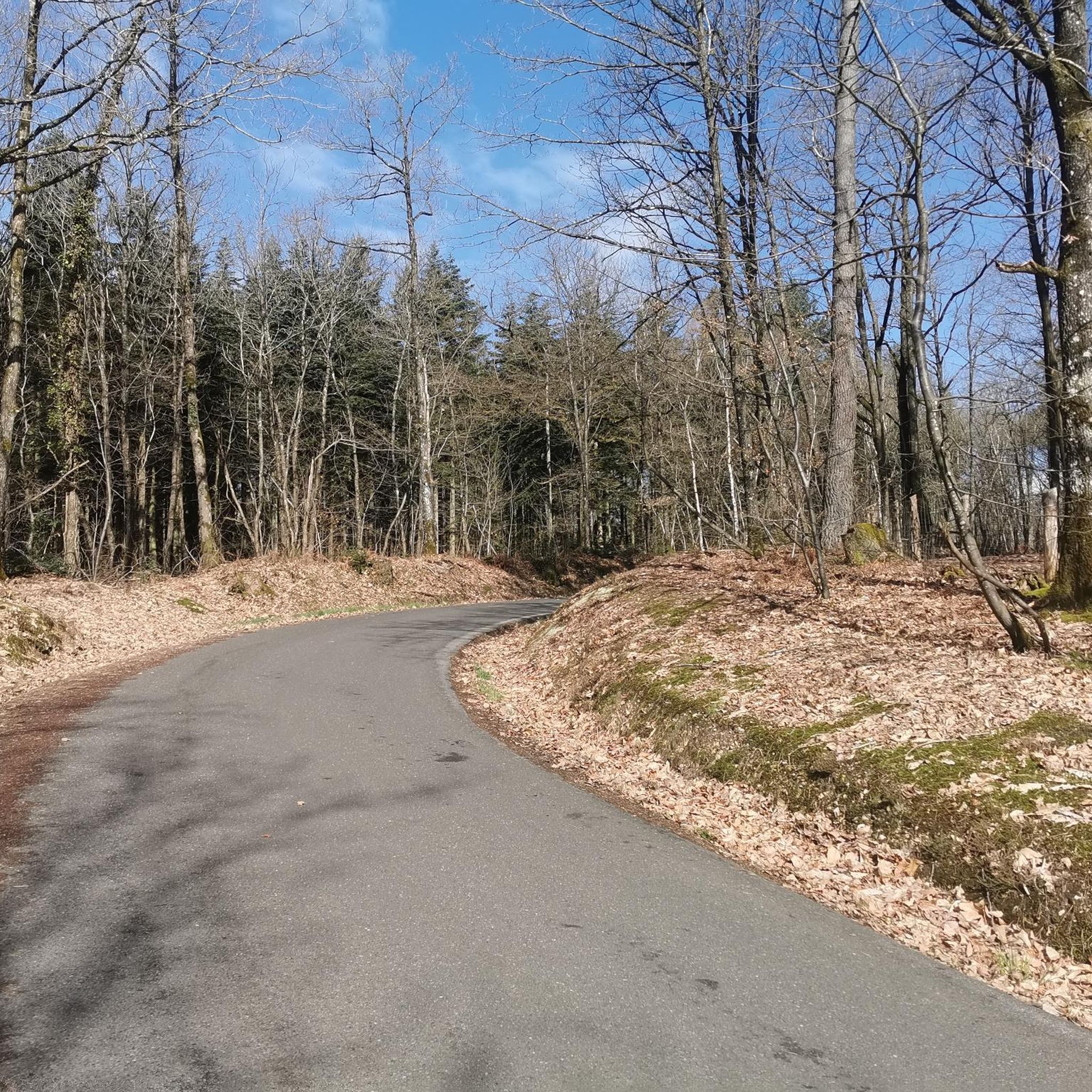
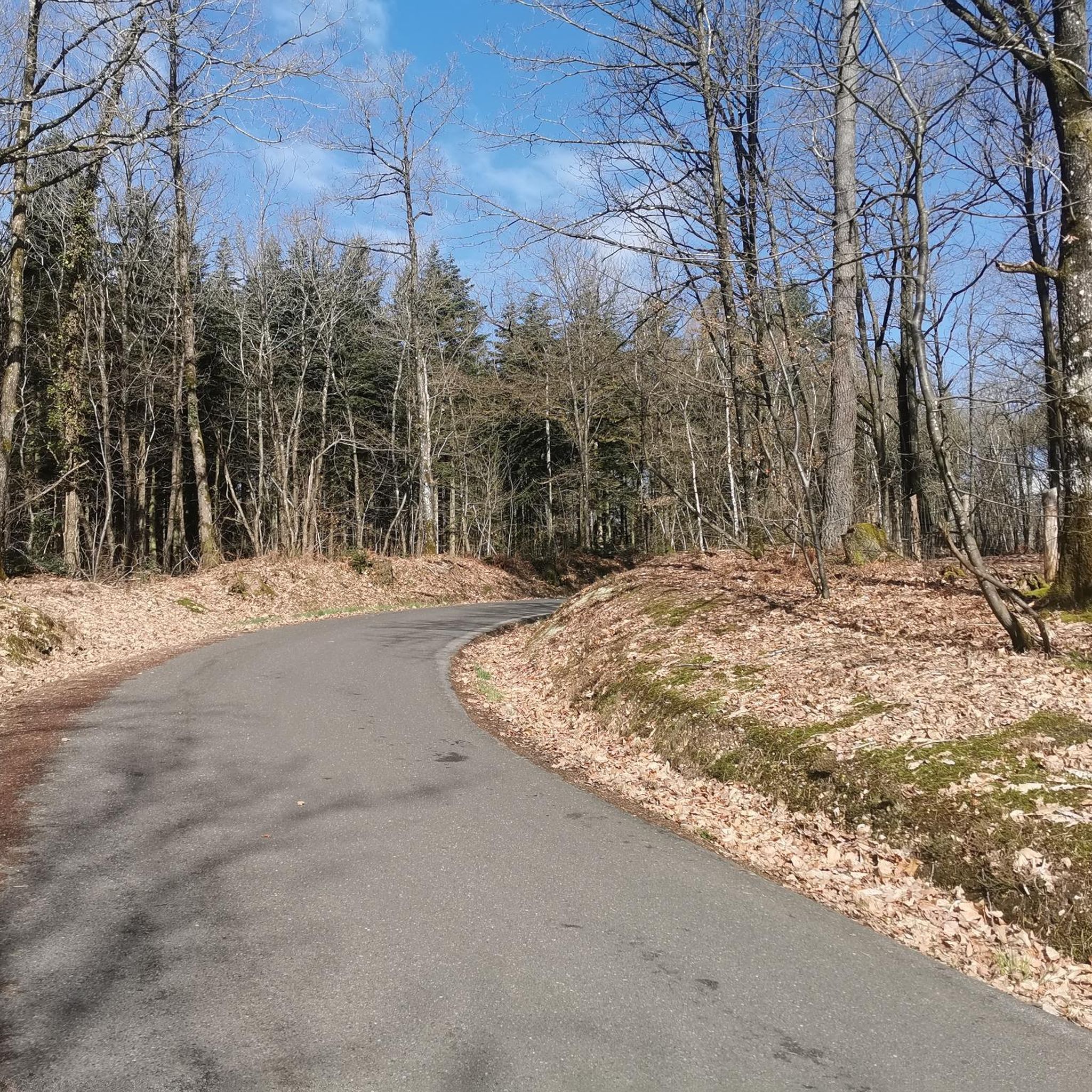
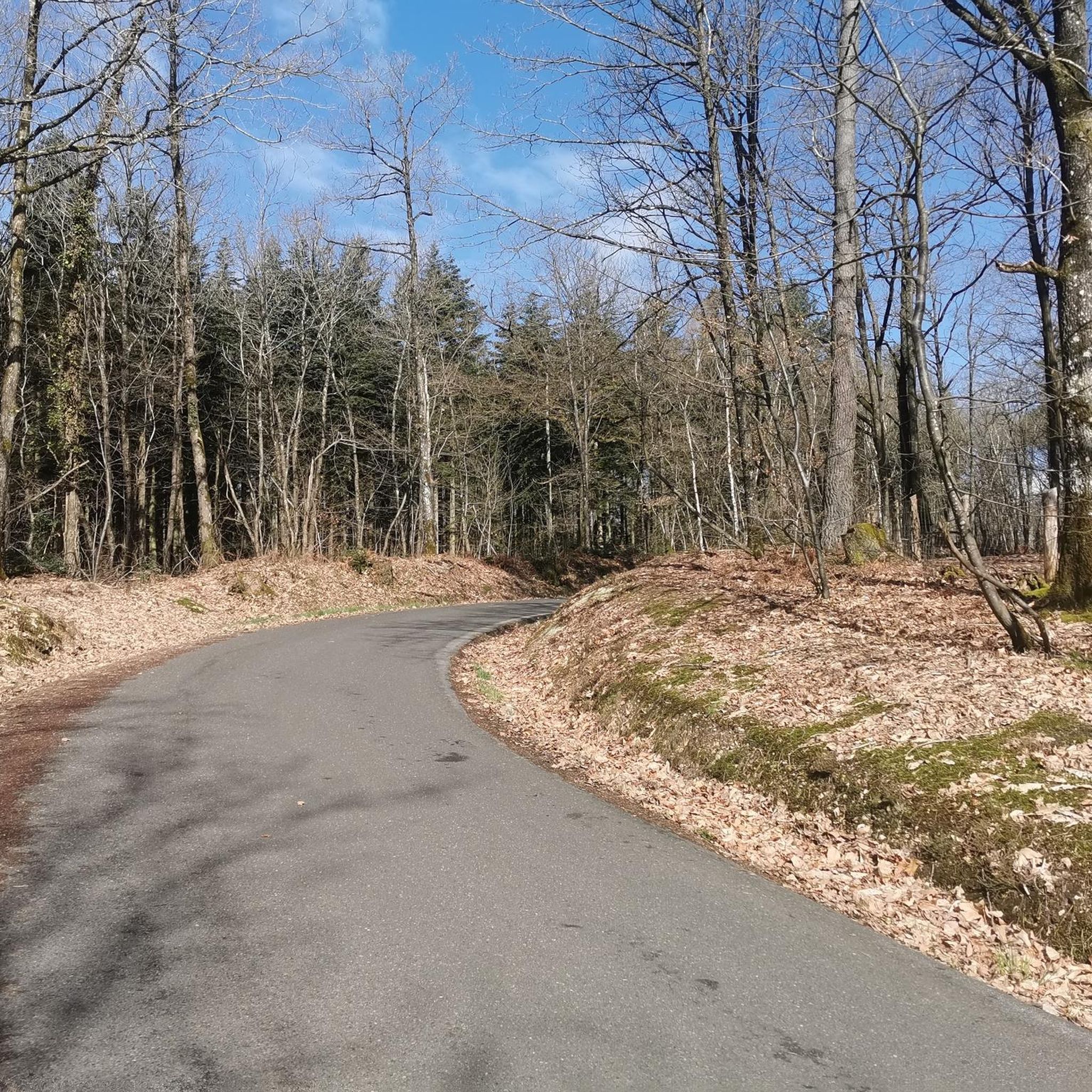
This greenway is a towpath which winds between forests and meadows. This crossing may seem a little monotonous, but it is punctuated by old stations which are generally inhabited and maintained.
3
0
Frequently Asked Questions
What kind of outdoor activities can I enjoy around Bretoncelles?
Bretoncelles, nestled within the Perche Natural Regional Park, is an excellent base for outdoor enthusiasts. You can explore eight circular hiking trails totaling approximately 100 km, traversing hamlets and magnificent forests. There are also three mountain biking trails of varying difficulty (41 km, 23 km, and 11 km). A shorter circular route is available for individuals with reduced mobility. For cycling, the Alençon–Condé-sur-Huisne Greenway offers a flat, scenic route. You can find more detailed routes for various sports on the Road Cycling, Running, and Gravel Biking guide pages.
Are there any historical sites to visit in Bretoncelles?
Yes, Bretoncelles offers a glimpse into its rich history. The 16th-century Church of St Peter and St Paul features flamboyant Gothic architecture, beautiful frescoes, and an 18th-century wooden tabernacle. In the Saussay forest, you can explore the impressive ruins of La Butte du Château, a 10th-century castle mound. Additionally, the Former Rémalard-Bellou Station, now a restaurant, is a historical railway building near the greenway.
What natural features can I explore in the Bretoncelles area?
The region is rich in natural beauty, being part of the Perche Natural Regional Park. A key natural feature is the Vallée et marais de Bretoncelles (Grands Prés), a protected wetland area with an accessible educational discovery trail on stilts. Here, you can observe diverse flora and fauna, including wetland birds and rare orchids. The Huisne River also flows nearby, providing a peaceful setting for walks.
Are there family-friendly attractions or activities in Bretoncelles?
Bretoncelles offers several family-friendly options. The educational discovery trail on stilts in the Vallée et marais de Bretoncelles is perfect for children to learn about nature. The Alençon–Condé-sur-Huisne Greenway is a flat, safe route ideal for family cycling. Many of the circular hiking trails also offer shorter, easier options suitable for families.
Where can I go for a peaceful walk or a scenic stroll?
For peaceful walks, the banks of the Huisne River offer a serene setting. The educational discovery trail in the Vallée et marais de Bretoncelles provides a unique and tranquil experience through wetlands. Additionally, the numerous circular hiking trails around Bretoncelles, especially those through the magnificent forests, are perfect for scenic strolls.
What is the best way to explore the Perche Natural Regional Park from Bretoncelles?
Bretoncelles is ideally situated within the Perche Natural Regional Park. The best way to explore is by utilizing the extensive network of hiking and mountain biking trails that start from the village. The Alençon–Condé-sur-Huisne Greenway also provides a gentle way to traverse the park's landscapes by bike, connecting various points of interest.
Are there any unique natural conservation efforts in Bretoncelles?
Yes, Bretoncelles is actively involved in conservation. The village features a conservation orchard dedicated to preserving ancient Percheron apple varieties. There is also a willow (osier) plantation, which supports local basket weavers and provides a vital habitat for local flora and fauna. These initiatives highlight the region's commitment to protecting its natural heritage.
Can I find places to eat or stay near the attractions?
While Bretoncelles itself offers local amenities, the Former Rémalard-Bellou Station, located near the greenway, now houses a restaurant called “En Gare” which is highly recommended for culinary delights. For broader options, nearby towns like Nogent-le-Rotrou, Rémalard, and Mortagne-au-Perche host vibrant weekly markets and offer various cafes, restaurants, and accommodation choices.
What are some notable religious buildings in the vicinity?
Beyond the Church of St Peter and St Paul in Bretoncelles, you can visit the Church of Manou, known for its beautiful red brick bell tower and Romanesque origins. Further afield, in Nogent-le-Rotrou, the Notre-Dame Church, with its 12th and 13th-century nave, is also a significant historical monument.
What do visitors particularly enjoy about the attractions around Bretoncelles?
Visitors appreciate the blend of historical sites, tranquil natural landscapes, and dedicated cycling routes. The Alençon–Condé-sur-Huisne Greenway is popular for its gentle gradients and scenic views through forests and meadows. The peaceful setting of the Huisne River is often highlighted for its timeless charm, offering moments of pure happiness during walks.
Are there any accessible routes for people with reduced mobility?
Yes, Bretoncelles is mindful of accessibility. A shorter circular hiking route is specifically available for individuals with reduced mobility, with its starting point opposite the sports hall and swimming pool. Additionally, the educational discovery trail on stilts in the Vallée et marais de Bretoncelles is designed to be accessible, allowing everyone to explore the preserved natural environment.
When is the best time to visit Bretoncelles for outdoor activities?
The Perche Natural Regional Park, where Bretoncelles is located, is beautiful throughout the warmer months. Spring and autumn offer pleasant temperatures for hiking and cycling, with vibrant foliage in autumn. Summer is also ideal for enjoying the greenways and trails, though it can be busier. The natural areas, like the Vallée et marais de Bretoncelles, are particularly engaging when flora and fauna are most active.
Most popular routes around Bretoncelles

Get inspired with the komoot mobile app


Explore more
Still not found the Highlight you’re looking for? See guides of the top attractions in other regions:
