Attractions and Places To See around La Romagne - Top 10
Attractions and places to see around La Romagne, located in the Maine-et-Loire department of France, include historical settlements, significant natural features, and cultural landmarks. This region offers a blend of historical sites, such as ancient abbeys and churches, alongside scenic forest trails and panoramic viewpoints. Visitors can explore areas rich in local heritage and natural beauty, providing opportunities for discovering both historical architecture and serene outdoor environments.
Best attractions and places to see around La Romagne
- The most popular attractions…
Last updated: May 9, 2026
Signy-l'Abbeye
Highlight • Other
Translated by Google •
Tip by

Forest Road Crossing
Highlight • Trail
Tip by

Sign up now to discover places like this
Get recommendations on the best single tracks, peaks, & plenty of other exciting outdoor places.
Sign up for free
Liart
Highlight • Settlement
Translated by Google •
Tip by
The Butte de Marlemont
Highlight • Other
Viewpoint from the Butte de Marlemont (292 m).
From the end of 1941 it housed one of the 15 Hertzian stations of the …
Translated by Google •
Tip by
Perched Oak
Highlight • Other
Translated by Google •
Tip by

Sign up for free to discover even more attractions around La Romagne.
Sign up for free
Already have an account?
Start today with a free account
Your next adventure awaits.
Login or Signup


Tips from the Community

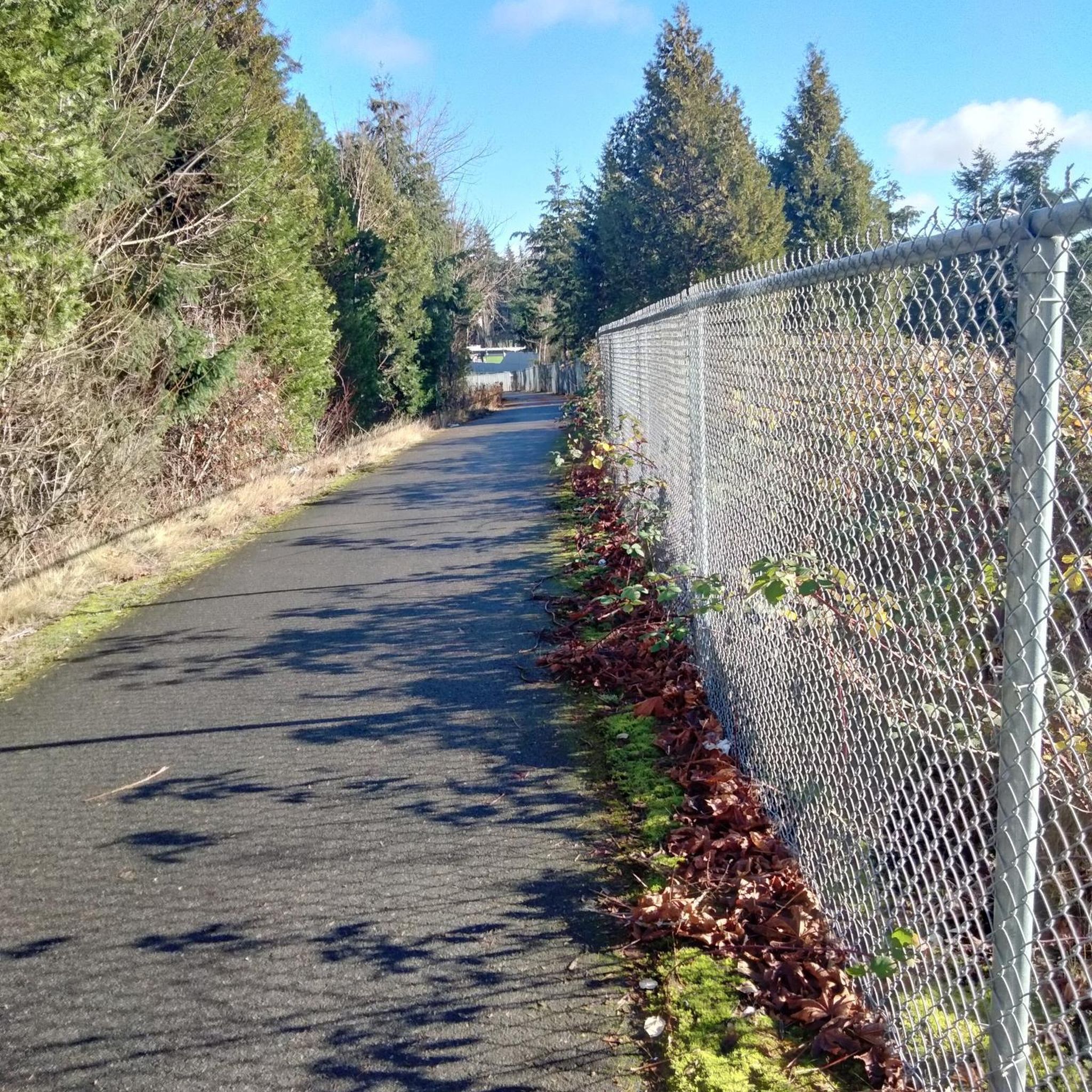
Pleasant walk in the forest. A bit of paved road, a lot of trail, a bit wet, even slippery. Downhills, uphills. Everything you need to make the walk enjoyable.
0
0
After a few days of heavy rain we could no longer find the path, which suddenly turned into a tough walk. The first and last third are very doable (asphalt and cart track). Middle section muddy and impassable. Very nice and beautiful.
1
0

Signy-l'abbeye is a pleasant town with two hotels and, for the region, quite a few amenities, an ATM and a small supermarket. There is a large (walking) forest to the west and you will also find a campsite there. The church was built in 1900 on the site of a 16th century shrine. There was a Cistercian abbey here between 1135 and 1793.
5
0
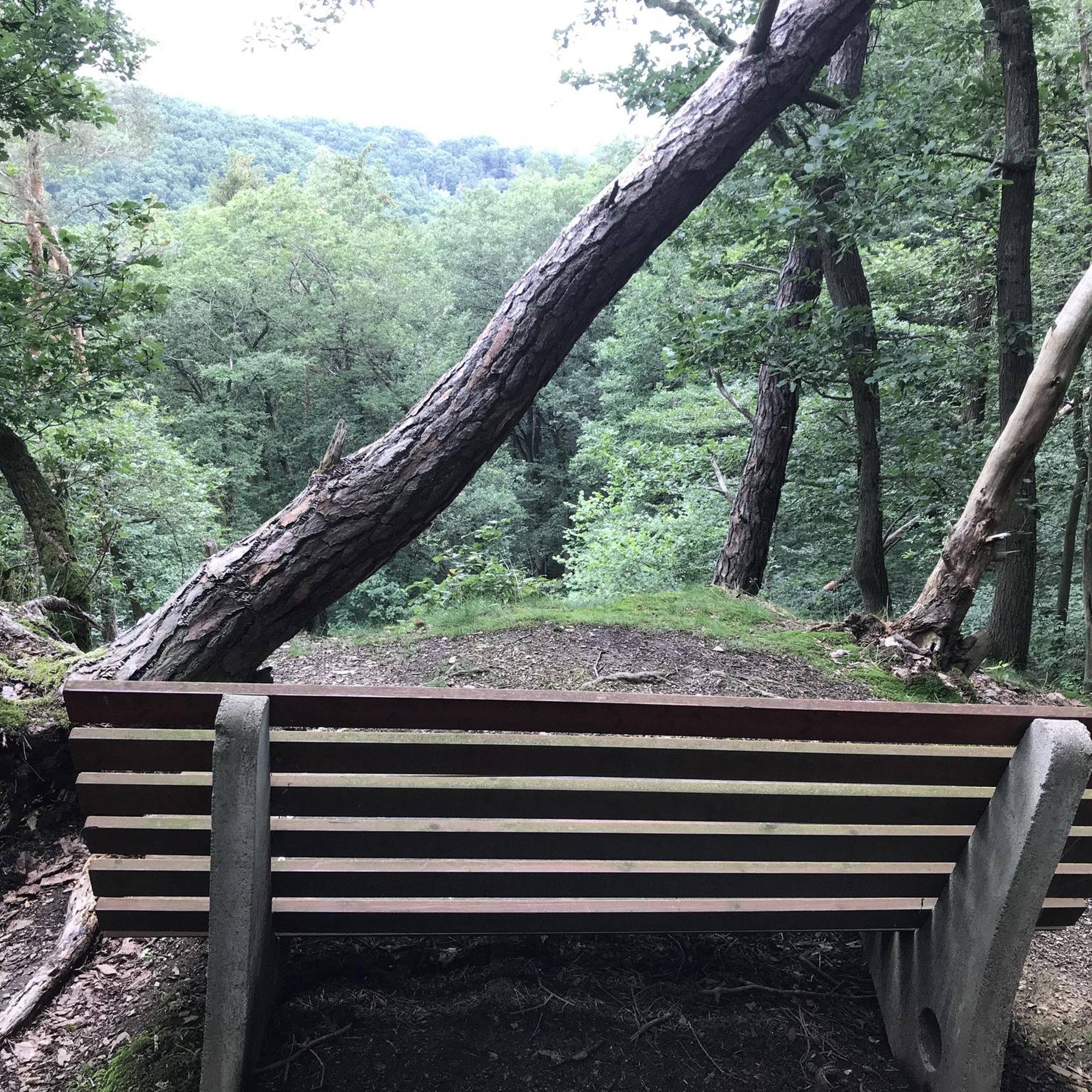
After a good climb you arrive at: Viewpoint from the Butte de Marlemont (292 m). From the end of 1941 it housed one of the 15 Hertzian stations of the BERNHARD system deployed by the Wehrmacht in the occupied zones (including 7 in France). At the top of this hill was a BERNHARDT guidance system known as FuSAn724/725, which was used by Luftwaffe fighter planes in their mission to intercept bombers. This 'VHF beacon' on Marlemont was identified by the code "Be6". It was sabotaged by the German army on 05.09.44. Invented in the midst of "gulf warfare" by Telefunken, this system foreshadowed modern air navigation aids. The statue of the Virgin was moved by the Germans during World War II. This statue was replaced after the war, at the top of Bernhard's round building Huge panorama over the Ardennes! Picnic tables and benches have been set up to appreciate this view in a wooded setting.
6
0
Liart is a small village in the Ardennes department in the Grand Est region of France. It has about 600 inhabitants and is located 35 km from Charleville-Mézières, the capital of the department. Liart is known for its Church of Our Lady, which is a notable example of Gothic architecture in the region. The church was built between the 13th and 16th centuries and has a beautifully carved portal, an impressive organ and a richly decorated interior. The church has been classified as a historical monument since 1913. Another attraction in Liart is the museum of the Ardennes red turkey, a local species that was threatened with extinction and was saved thanks to the efforts of some passionate breeders. The museum tells the history and characteristics of this bird, which is a symbol of the Ardennes identity and gastronomy. The museum also organizes tours of the farms where the turkeys are raised.
6
0
Signy-l'Abbeye is a pleasant town with two hotels, and for the region, quite a few amenities, an ATM and a small supermarket. To the west is a large (walking) forest and you will also find a campsite.
3
0

It is a very beautiful forest and right next to the crossing is a forester’s house.
3
0
Frequently Asked Questions
What historical sites can I explore around La Romagne?
The region offers a rich historical tapestry. You can visit the impressive Church of Our Lady in Liart, a notable example of Gothic architecture dating from the 13th to 16th centuries. Another significant site is the town of Signy-l'Abbeye, which was home to a Cistercian abbey between 1135 and 1793. Further afield, the 12th-century Château de Tiffauges, known for its connection to Gilles de Rais, is also a key historical landmark.
Are there opportunities for outdoor activities like hiking or cycling near La Romagne?
Yes, the area around La Romagne is well-suited for outdoor enthusiasts. You'll find numerous paths for hiking and cycling, including a 12.5 km pedestrian trail around La Romagne itself offering beautiful panoramic views. For more structured routes, explore options like the 'Fortified Church loop from La Férée' for cycling or the 'Saint-Gorgon Church loop from Le Fréty' for hiking. You can find more detailed routes in the cycling guide and hiking guide for La Romagne.
Where can I find natural beauty and scenic views in the region?
The region boasts several beautiful natural spots. The Butte de Marlemont offers a huge panorama over the Ardennes, complete with picnic tables. The Valley of the Three Provinces, carved by the Sèvre Nantaise river, is another scenic area, notable for a bridge at the confluence of three historical provinces. Additionally, the Forest Road Crossing provides a trail through a very beautiful forest.
Are there any family-friendly attractions in La Romagne?
Families can enjoy the Halle de Wasigny, a historical monument that serves as a community space. The village of Liart, with its Church of Our Lady, is also categorized as family-friendly. For outdoor fun, the Parc de la Mairie in La Romagne offers a green space with lawns and safe play areas for children, along with a pétanque court.
What are some notable architectural landmarks to visit?
Beyond the churches, you can explore the Halle de Wasigny, a superb 15th-century hall classified as a historical monument, characteristic of the region's architecture. The reconstructed Église Saint-Romain from 1840, featuring large frescoes by Joseph Bourigaud, is another architectural point of interest.
Can I find any unique historical mills in the area?
Yes, La Romagne has a rich history of mills. You can visit the Moulin du Bouchot, an ancient mill along the Moine river, which once served potters and features a private footbridge. The Moulin de la Roche is another magnificent, restored watermill with its wheel still turning. Additionally, the Ancien moulin à foulons (Torfou mill), attested from the early 18th century, has been restored by local associations.
What is the "Valley of the Three Provinces" and what can I do there?
The Valley of the Three Provinces is a scenic valley carved by the Sèvre Nantaise river. It's notable for a bridge where three historical provinces (Brittany, Anjou, and Poitou) converge. This peaceful area is a popular spot for cyclists and hikers, offering serene landscapes and opportunities for outdoor exploration.
What do visitors say about the trails around La Romagne?
Visitors appreciate the varied terrain of the trails. For instance, the Forest Road Crossing is described as a very beautiful forest trail, though some sections can be challenging after heavy rain. Generally, the region's trails are well-regarded for offering both easily traversable sections and more adventurous routes, providing beautiful views and a connection with nature.
Is there a good spot for a picnic with a view?
Absolutely. The top of the Butte de Marlemont is an excellent choice. After a good climb, you'll be rewarded with a huge panorama over the Ardennes, and there are picnic tables and benches set up in a wooded setting to help you appreciate the view.
Are there any climbing spots near La Romagne?
Yes, for those interested in climbing, there is a small climbing site near the Moulin du Bouchot. It features a cliff with about fifteen routes of varying difficulty, offering a good option for climbers.
What kind of religious heritage can be found in La Romagne?
The region has a notable religious heritage. The Church of Our Lady in Liart is a significant example of Gothic architecture. In La Romagne itself, the Église Saint-Romain, reconstructed in 1840, features impressive frescoes. Additionally, the Chapelle Saint-Joseph, built in 1891, served as a catechism hall and is a historical gift to the community. The Bords de la Moine also feature a Lourdes Grotto, built in 1950.
When is the best time to visit La Romagne for outdoor activities?
For outdoor activities like hiking and cycling, spring, summer, and early autumn generally offer the most pleasant weather. These seasons provide comfortable temperatures for exploring the trails and natural sites. Always check the local weather forecast before heading out, especially after heavy rain, as some trails can become muddy.
Are there any places to relax by the river?
Yes, the Bords de la Moine (banks of the Moine river) near Moulin du Bouchot offer a serene setting. It's a peaceful area perfect for relaxation, and you'll also find a Lourdes Grotto there.

Get inspired with the komoot mobile app


Explore more
Still not found the Highlight you’re looking for? See guides of the top attractions in other regions:
