Attractions and Places To See around Auvillers-Les-Forges - Top 20
Best attractions and places to see around Auvillers-Les-Forges. This commune in the Ardennes department of France offers a mix of local heritage and access to regional attractions. The area is characterized by its surrounding forests, such as Bois d'Auviller-les-Forges and the Forest of Pothées, and is drained by rivers like the Sormonne and the Ton. Auvillers-les-Forges is also part of the Ardennes Regional Nature Park, providing diverse natural landscapes.
Best attractions and places to see around Auvillers-Les-Forges
- The most popular attractions is Grand Marais East Casemate – Maginot Line, a historical site that served as a fortification along the Maginot Line. Built in the 1930s, these casemates were designed to prevent invasion and housed troops, machine guns, and light artillery.
- Another must-see spot is Fortified Church of Saint-Nicolas of Signy-le-Petit, a religious building and historical site. This late 17th-century church features a large square portico tower with embrasures and thick walls, typical of fortified churches in the Thiérache region.
- Visitors also love Stone Crusher Ruins of Maubert-Fontaine, a historical site reflecting the region's industrial past. Dating back to 1208, these ruins are near the Pothées forest and were used for quarry exploitation.
- Auvillers-Les-Forges is known for its historical sites, religious buildings, and natural landscapes. Visitors can explore fortifications, churches, and ruins, alongside forests and rivers.
- The attractions around Auvillers-Les-Forges are appreciated by the komoot community, with more than 20 upvotes and 14 photos shared by visitors.
Last updated: July 20, 2026
Grand Marais East Casemate – Maginot Line
Highlight • Historical Site
Translated by Google •
Tip by

Stone Crusher Ruins of Maubert-Fontaine
Highlight • Historical Site
Several personalities originating from Maubert-Fontaine have passed through the history of France and their names have been given to certain places: Jardin Bidois, former Jean-Marie Carré college. Other important characters were part of Maubert's story, such as Nicolas de Caruel and Napoleon Bonaparte who came to rest at the Hôtel du Grand Turc on the night of Waterloo. The proximity of the forest allows beautiful walks with certain points of interest: the 2-legged oak and the oak of the Franco-Belgian friendship. In the town you will find various sports facilities for all ages: playground, multi-sports ground, petanque ground, fitness room, sports complex, fishing pond.
Source: www-ardennes--thierache-com.translate.goog/fr/directory/entry/maubert-fontaine?_x_tr_sl=fr&_x_tr_tl=nl&_x_tr_hl=nl&_x_tr_pto=sc
Translated by Google •
Tip by

Sign up now to discover places like this
Get recommendations on the best single tracks, peaks, & plenty of other exciting outdoor places.
Sign up for free
Fortified Church of Saint-Nicolas of Signy-le-Petit
Highlight • Religious Site
Translated by Google •
Tip by

Château de l'Échelle
Highlight • Castle
On September 28, 1642, at dawn, Spanish troops sacked the village and attacked the castle. The walls of the castle still show the traces of the cannon balls. In 1730, L'Échelle Castle was acquired by the Reims Cathedral Chapter, and the building was subsequently rededicated as a farm.
During the French Revolution, the building was sold to Simon Pottier, the hat maker from L'Echelle. He then handed over a large part of it to the community, installed the town hall as well as the school and the teachers' accommodation.
Part of the residential buildings of the north wing have been converted into a school history museum, for the nostalgic community (the elementary school from the 1900s to 1960s), with the inkwell, the sergeant major pens (which preceded the pens), the slates, etc.
Source: according to Wikipedia
Translated by Google •
Tip by

Saint Martin Church
Highlight • Other
Aubigny-les-Pothées was burned to the ground in 1643 at the Battle of Rocroi.
At the beginning of the First World War in 1914, the village church served as a simple hospital.
The church was built in 1851.
Source: Wikipedia
Translated by Google •
Tip by
Sign up for free to discover even more attractions around Auvillers-Les-Forges.
Sign up for free
Already have an account?
Start today with a free account
Your next adventure awaits.
Login or Signup
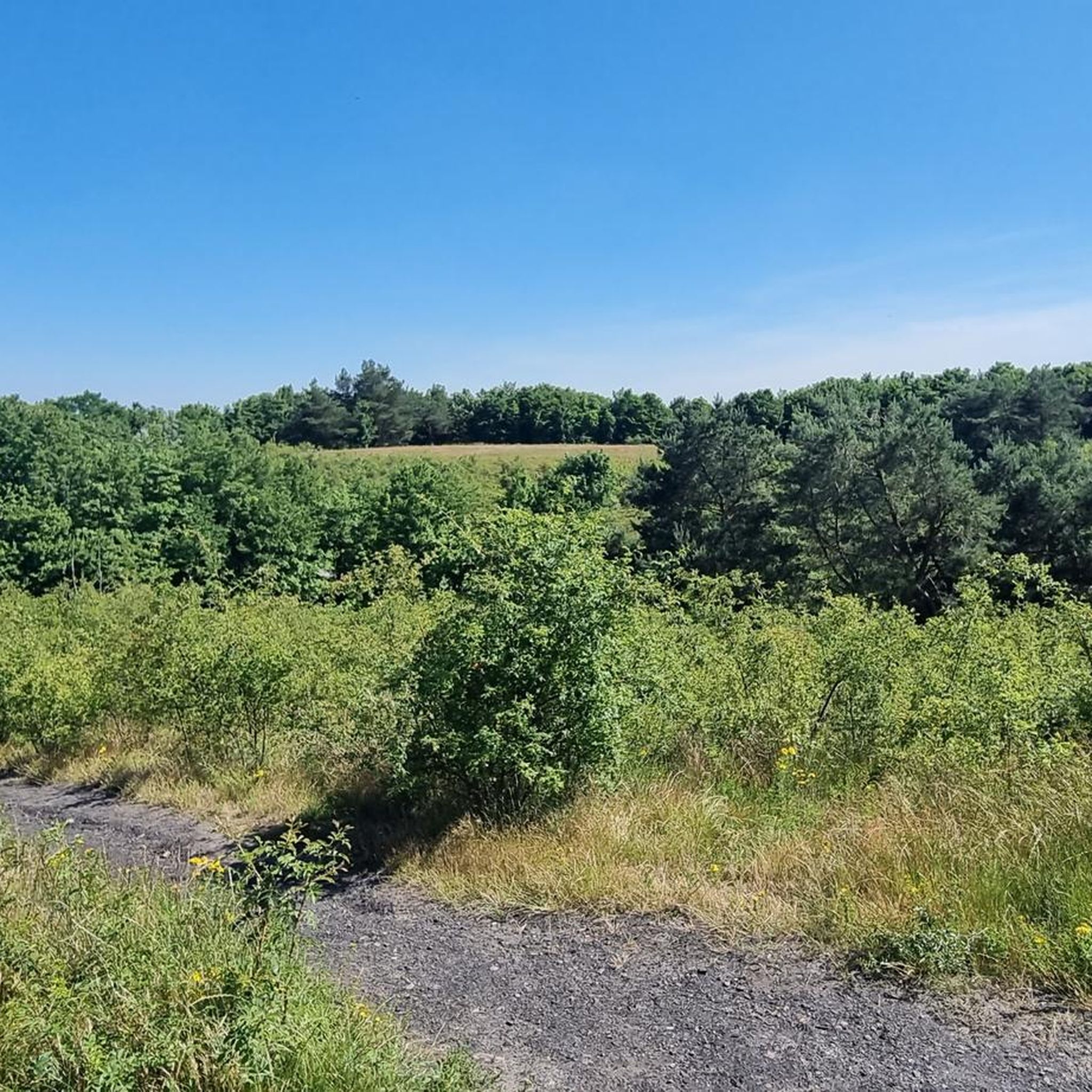

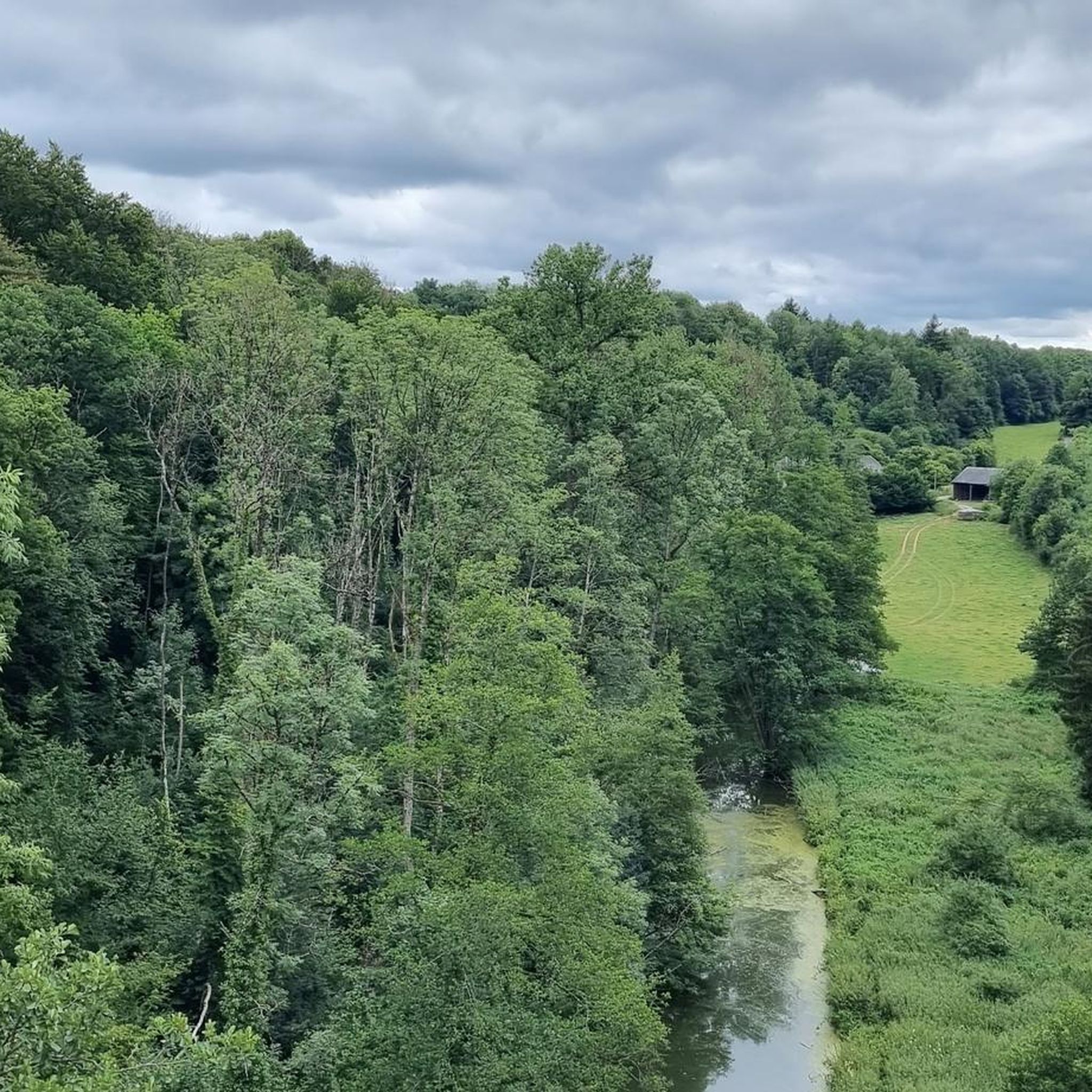
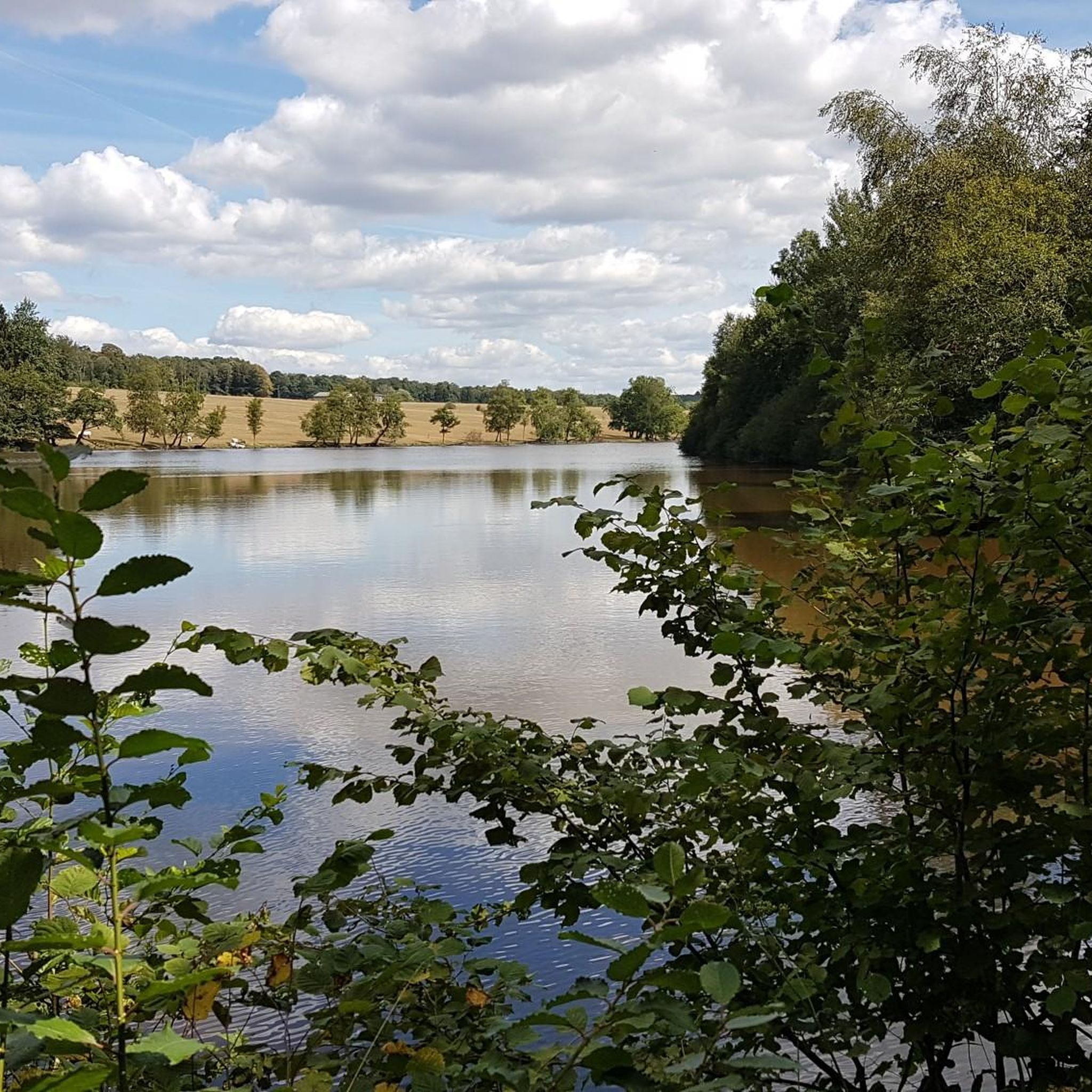

Tips from the Community

Very nice building with large picnic tables for a break
0
0

This casemate is typical of that encountered along the Maginot Line. This fortification line was built in the 1930s to prevent a German invasion. The casemates of the La Neuville-aux-Joutes forest mainly served as shelters for troops and locations for machine guns and light artillery.
0
0

The phenomenon of fortified churches and farms is typical of the Thiérache region. In the 16th century, the churches took over the role of protecting the population against the conquests of the French and the actions from Flanders. With cattle and all, people were sometimes locked up for weeks.
6
0
The Sint-Niklaaskerk is a very beautiful model of a fortified church on a spacious square with a music kiosk. The exterior is warlike in appearance, with a large square portico tower, dotted with embrasures, above the western portal, brick watchtowers at the corners of this tower, and other watchtowers on the arms of the transept. The walls of the tower are 3 m thick at the base and are made of quartz slate. The choir is equipped with a gatehouse that further reinforces the defensive vocabulary of this construction. The church was built at the end of the 17th century. After the previous one was burnt down by the Spaniards in 1636.
6
0

Silent witnesses of the Maginot Line. The Maginot Line was a French defense line constructed between 1930 and 1938 on the borders with Belgium, Luxembourg and Germany in the north and with Italy in the south. The purpose of the line was to protect France against a surprise attack such as that which had taken place in the Franco-Prussian War of 1870, in which France had lost Alsace and part of Lorraine to Germany. When Alsace and Lorraine became part of France again after the First World War, the old defenses were not only outdated, but also too far from the new border. Moreover, France had lost so many soldiers in the First World War that its borders could not be adequately defended without additional measures. French Minister of War Paul Painlevé was the driving force behind the line, but ultimately his successor and war veteran André Maginot submitted the construction plan to the French parliament in 1930. His 2.9 billion francs (today: 1.5 billion euros) project placed a heavy burden on the French economy, especially at a time of economic crisis. However, defense against Germany was considered vital, especially when Adolf Hitler came to power. In addition, it created 20,000 jobs and electrified the border areas. Source: https://nl.wikipedia.org/wiki/Maginotlinie
1
0
Located in the heart of the territory of the commune of the Ardennes Thiérache, near the forest of Pothées, it was recognized by the Charter of Milon de Nanteuil in 1208. Crossed by the departmental road 8043 halfway between Charleville-Mézières and Hirson and 10 minutes from the A304 it is a lively town center with various shops, businesses, artisans and services. A dozen sports and cultural associations animate Maubert-Fontaine all year round. Maubert-Fontaine is home to many monuments: Saint Nicholas Church, with inside the war memorial, sculpted by a Mauberian, Henri Migeot; Fountain; the private high school, with its lime tree, which was requisitioned by the Germans as a hospital during the 14/18 war; the war memorial; the Stele of Saint Remi. From this, along the forest alley of the dead girl, we arrive at the crusher where in 1915 the Germans exploited important quarries. Several personalities originating from Maubert-Fontaine have passed through the history of France and their names have been given to certain places: Jardin Bidois, former Jean-Marie Carré college. Other important characters were part of Maubert's story, such as Nicolas de Caruel and Napoleon Bonaparte who came to rest at the Hôtel du Grand Turc on the night of Waterloo. The proximity of the forest allows beautiful walks with certain points of interest: the 2-legged oak and the oak of the Franco-Belgian friendship. In the town you will find various sports facilities for all ages: playground, multi-sports ground, petanque ground, fitness room, sports complex, fishing pond. Source: https://www-ardennes--thierache-com.translate.goog/fr/directory/entry/maubert-fontaine?_x_tr_sl=fr&_x_tr_tl=nl&_x_tr_hl=nl&_x_tr_pto=sc
2
0

Saint Martin, to whom the church of Aubigny-Les-Pothees is dedicated, is - next to Saint Nicholas - probably one of the most popular saints of all. The memorial day of the former officer in the Roman army is November 11th. On the night after the famous “coat sharing”, when he surrendered half his army cloak to a freezing beggar, Jesus Christ appears to him in a dream. He then converted to Christianity and was later elected Bishop of Tours (France) - initially against his will.
3
0

Two Merovingian cemeteries from the sixth and seventh centuries were discovered on the territory of the municipality. During the Hundred Years War the village was besieged by the Armagnaks. Aubigny-les-Pothées was burned to the ground in 1643 at the Battle of Rocroi. At the beginning of the First World War in 1914, the village church served as a simple hospital. The church was built in 1851. Source: Wikipedia
4
1
Frequently Asked Questions
What historical sites can I visit near Auvillers-Les-Forges?
The region is rich in history. You can explore the Grand Marais East Casemate – Maginot Line, a fortification from the 1930s. Another significant historical spot is the Stone Crusher Ruins of Maubert-Fontaine, which reflects the area's industrial past dating back to 1208. Additionally, the Château de l'Échelle, with its 15th-century reconstruction and cannonball traces, offers a glimpse into medieval history.
Are there any notable religious buildings in the area?
Yes, the Fortified Church of Saint-Nicolas of Signy-le-Petit is a remarkable example of a 17th-century fortified religious building, typical of the Thiérache region. You can also visit the Saint Martin Church in Aubigny-les-Pothées, built in 1851, which stands in a village with a history spanning from Merovingian times to both World Wars.
What natural features can I explore around Auvillers-Les-Forges?
Auvillers-Les-Forges is surrounded by natural beauty. The Bois d'Auviller-les-Forges and the Forest of Pothées offer extensive opportunities for walks and enjoying nature, including unique spots like the '2-legged oak' and the 'oak of Franco-Belgian friendship'. The commune is also drained by several rivers, including the Sormonne and the Ton, and is part of the Ardennes Regional Nature Park, providing diverse landscapes.
What outdoor activities are available near Auvillers-Les-Forges?
The region is excellent for outdoor enthusiasts. You can find numerous routes for cycling, hiking, and mountain biking. For example, there are moderate to difficult cycling routes like the 'Forges Village – Chapel loop' and hiking trails such as the 'Old Forge Pond – Virgin Mary Tree and Shrine loop'. For mountain biking, consider the 'Vieilles-Forges Lake – Doby Pond Loop'. You can find more details and routes in the dedicated guides for cycling, hiking, and MTB trails around Auvillers-Les-Forges.
Are there family-friendly attractions or activities in the area?
Yes, several attractions are suitable for families. The Stone Crusher Ruins of Maubert-Fontaine are considered family-friendly, offering a historical outdoor experience. The Fortified Church of Saint-Nicolas of Signy-le-Petit can also be an interesting visit for families. Beyond specific highlights, the town of Maubert-Fontaine offers various sports facilities including a playground and a fishing pond. Additionally, the nearby Lac des Vieilles Forges (about 17.7 km away) provides opportunities for swimming, tree climbing, and horse riding.
What is the best time to visit Auvillers-Les-Forges for attractions and outdoor activities?
The best time to visit Auvillers-Les-Forges for exploring attractions and engaging in outdoor activities is generally during the spring, summer, and early autumn months (April to October). During these periods, the weather is typically mild and pleasant, ideal for hiking, cycling, and visiting historical sites. The natural landscapes, especially the forests, are particularly beautiful in spring with new growth and in autumn with changing foliage.
Are there any hidden gems or lesser-known spots worth discovering?
Beyond the main highlights, consider exploring the local heritage within Auvillers-Les-Forges itself, such as the Église Saint-Nicolas and Les Halles. The Forest of Pothées, with its unique '2-legged oak' and 'oak of Franco-Belgian friendship', offers a charming natural escape. For a unique historical insight, the Maison de l'Ardoise (Slate House) in Rimogne, about 11 km away, explores the region's slate mining history.
What kind of wildlife can I spot in the Auvillers-Les-Forges region?
Given its location within the Ardennes Regional Nature Park and surrounded by extensive forests like the Bois d'Auviller-les-Forges and the Forest of Pothées, the area is home to diverse wildlife. You might spot various bird species, deer, wild boar, and smaller mammals during walks or hikes. The rivers and streams also support aquatic life. Early mornings or late evenings are often the best times for wildlife observation.
What are the local sports facilities available in Auvillers-Les-Forges?
Auvillers-Les-Forges offers several local sports facilities for residents and visitors. These include a playground, a multi-sports ground, a pétanque ground, a fitness room, a sports complex, and a fishing pond. These facilities provide opportunities for various recreational activities within the commune.
What is the significance of the Maginot Line casemates in this region?
The Grand Marais East Casemate – Maginot Line is a significant historical site. These fortifications were built in the 1930s as part of the Maginot Line, a French defense system designed to prevent a German invasion. The casemates in the La Neuville-aux-Joutes forest primarily served as shelters for troops and strategic locations for machine guns and light artillery, standing as silent witnesses to a pivotal period in European history.
Can I find picturesque villages near Auvillers-Les-Forges?
Yes, the broader region offers charming villages. Parfondeval, recognized as a 'Most Beautiful Village,' is located about 19 km away and is known for its picturesque and remote setting. Monthermé, situated about 27 km away, is also noted for its pleasant setting on the Meuse river and its two churches, offering scenic views and a tranquil atmosphere.
Most popular routes around Auvillers-Les-Forges

Get inspired with the komoot mobile app


Explore more
Still not found the Highlight you’re looking for? See guides of the top attractions in other regions:
