The best running trails around Saint-Pierre-De-Chignac
4.2
(51)
1,967
runners
71
runs
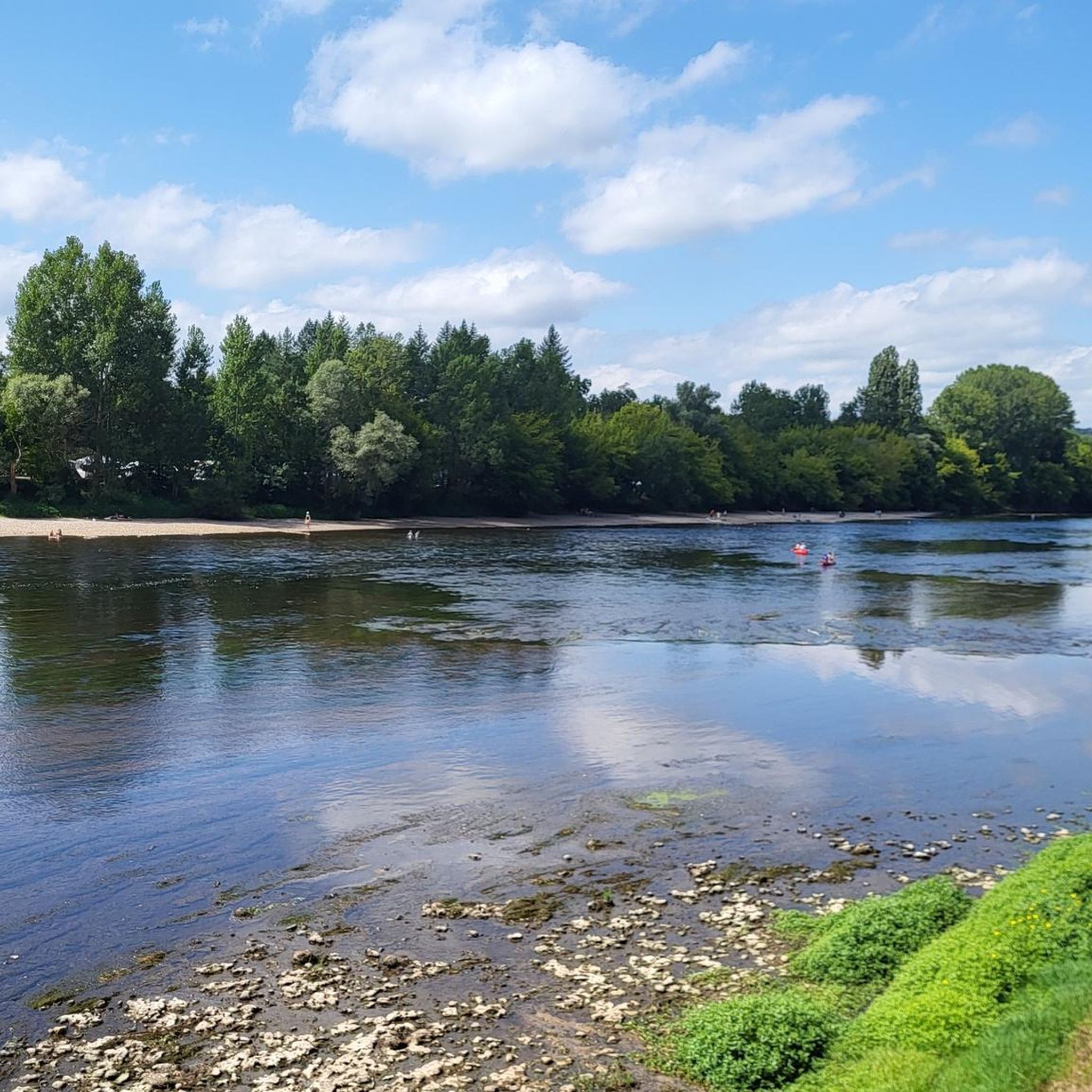
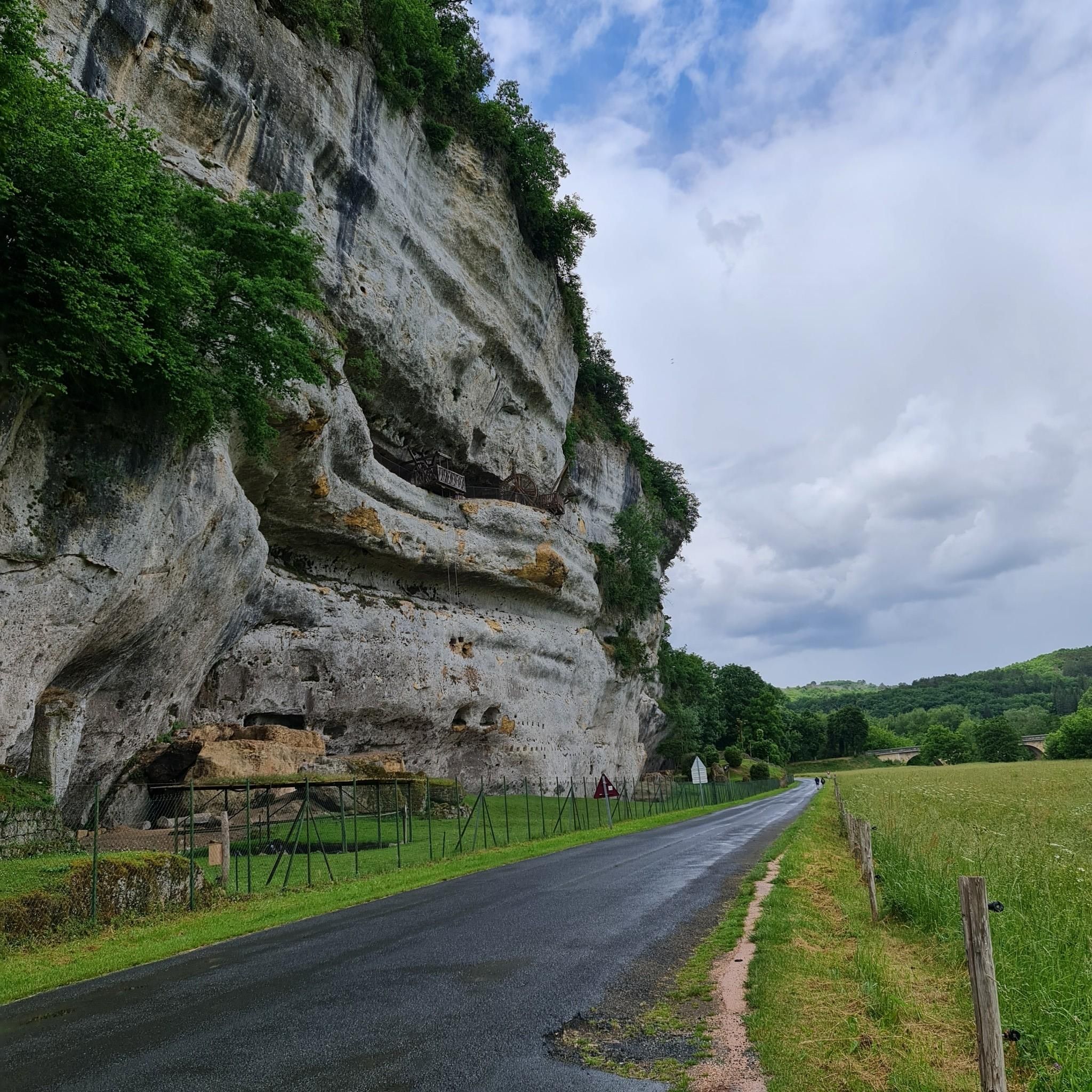
Jogging around Saint-Pierre-De-Chignac offers diverse landscapes within the picturesque Dordogne department of France. The region features green countryside, lush forests, and flowing rivers, providing varied terrain for running. Joggers can expect a mix of pleasant wooded paths, small country roads, and trails around local ponds. The area's integration into the Dordogne Valley also means access to scenic environments with limestone cliffs and diverse sporting activities.
Best jogging routes around Saint-Pierre-De-Chignac
- The most popular jogging route is Étang de Lamoura loop…
Last updated: July 13, 2026
35
runners
Moderate run. Good fitness required. Mostly paved surfaces. Suitable for all skill levels.
25
runners
24.2km
02:31
80m
80m
Hard run. Very good fitness required. Mostly paved surfaces. Suitable for all skill levels.

Sign up for free
13
runners
15.9km
01:48
240m
240m
Hard run. Very good fitness required. Mostly paved surfaces. Suitable for all skill levels.
8
runners
12.2km
01:27
220m
220m
Moderate run. Good fitness required. Mostly paved surfaces. Suitable for all skill levels.
5.0
(1)
7
runners
7.80km
00:50
110m
110m
Moderate run. Good fitness required. Mostly paved surfaces. Suitable for all skill levels.
Get access to more routes and recommendations from other explorers.
Sign up for free
Already have an account?
Our route recommendations are based on thousands of hikes, rides, and runs completed by other people on komoot.
Start today with a free account
Your next adventure awaits.
Login or Signup



Tips from the Community

12th century cathedral
1
0

The Eschif of Périgueux is a small medieval building located on the banks of the Isle River, in the heart of the historic city center. It is one of the few defensive constructions still standing in Périgueux, a testament to medieval military architecture. Points of interest of the Eschif: Architecture and History: Dating from the Middle Ages, the Eschif served as a lookout post to monitor the passage of the Isle River. Its strategic location made it possible to control access to the city by river. This small tower, built in stone and wood, is typical of medieval watchtowers or sentry boxes. It has narrow openings and a sloping roof, characteristic of military buildings of this period. The Eschif was once part of the fortifications that protected the city, especially during the Hundred Years' War.
2
0
The Pont des Barris, located in Périgueux, is one of the city's emblematic bridges. This stone bridge, which crosses the Isle River, connects the two banks of Périgueux and is part of the historic urban landscape. Points of interest of the Pont des Barris: Architecture and History: The Pont des Barris is a beautiful example of traditional stone architecture. It was built in the 19th century to replace old wooden bridges that once allowed people to cross the Isle. Its solid structure makes it an essential crossing point between the different districts of the city. It is made up of several stone arches, which give it both robustness and elegance. View of Périgueux: From the bridge, you can enjoy a magnificent view of the old town of Périgueux, including the Saint-Front Cathedral, whose domes dominate the skyline. The bridge is also a great vantage point to admire the Isle River, which meanders peacefully through the city. Access to the Isle Riverbanks: The Pont des Barris provides easy access to the Isle Riverbanks, which are ideal for walking or cycling. Along the river, many paths offer picturesque views of the city and surrounding nature. Place of Passage: This bridge is a central axis for residents and visitors of Périgueux, connecting the city center to the outlying districts and facilitating access to important sites such as markets, shops, and residential areas. Why go there? The Pont des Barris is both a strategic point for exploring Périgueux and a place offering superb panoramic views of the city. Its charm lies in its historic architecture and its central location, making it an essential passage for any visit to the city. Whether strolling along the river or crossing the town, it embodies one of the peaceful and picturesque symbols of Périgueux.
1
0
Gastronomy: Périgourdine Cuisine: Enjoy the region's culinary richness with specialties such as foie gras, duck confit, walnuts, and Bergerac wines. Why Visit Périgueux? Rich Heritage: The city combines ancient, medieval, and modern historical treasures in a charming setting. Cultural Experience: With its museums, churches, and markets, Périgueux offers an immersion in the culture and history of the Périgord. Pleasant Setting: The city is surrounded by natural landscapes and picturesque sites, perfect for a quiet getaway or an in-depth cultural exploration. Périgueux is an ideal destination for history buffs, architecture enthusiasts, and foodies, offering an exceptional cultural and heritage richness in the heart of the Dordogne.
1
0
Périgueux, capital of the Périgord Blanc, is a city in the southwest of France located in the Dordogne department. With its rich historical and cultural heritage, this city offers a fascinating mix of Roman remains, medieval quarters and Renaissance monuments. Points of Interest in Périgueux: Saint-Front Cathedral: A symbol of the city, this cathedral, listed as a UNESCO World Heritage Site, is a masterpiece of Byzantine architecture, with its five white domes. Built in the 12th century, it is part of the Way of St. James. Its imposing structure and generous volumes dominate the city. Vesunna, Gallo-Roman Museum: This museum, designed by the architect Jean Nouvel, houses the remains of an ancient Roman domus (villa). It displays many objects from the Gallo-Roman period and offers a fascinating insight into the history of Vesunna, the ancient Roman Périgueux. You can admire mosaics, frescoes, and the ruins of an amphitheater. The Medieval Alleys: The historic center of Périgueux is made up of a labyrinth of small cobbled streets lined with half-timbered houses and buildings dating from the Middle Ages and the Renaissance. Stroll around the Place Saint-Louis or the Quartier du Puy-Saint-Front to admire these architectural treasures. The Tower of Vésone: This Gallo-Roman tower, the remains of an ancient temple dedicated to the goddess Vésone, is one of the oldest monuments in Périgueux. Standing 24 meters high, it is one of the rare witnesses to the importance of the city in Roman times.
1
0
Why visit the Saint-Front Cathedral? For its unique architecture: The combination of Byzantine and Romanesque styles makes this cathedral a rare and impressive example of religious architecture. For its historical importance: As a stop on the Way of Saint James, the cathedral is a historic pilgrimage site and an important symbol for Christians around the world. For the spiritual and cultural experience: A visit to the cathedral allows you to delve into the religious history of Périgueux while admiring a major architectural work. The Saint-Front Cathedral is a must-see for anyone interested in history, architecture, and religious heritage, offering an enriching experience in the city of Périgueux.
2
0
Why visit the Saint-Front Cathedral? For its unique architecture: The combination of Byzantine and Romanesque styles makes this cathedral a rare and impressive example of religious architecture. For its historical importance: As a stop on the Way of Saint James, the cathedral is a historic pilgrimage site and an important symbol for Christians around the world. For the spiritual and cultural experience: A visit to the cathedral allows you to delve into the religious history of Périgueux while admiring a major architectural work. The Saint-Front Cathedral is a must-see for anyone interested in history, architecture, and religious heritage, offering an enriching experience in the city of Périgueux.
1
0
The Saint-Front Cathedral of Périgueux is a masterpiece of religious architecture, emblematic of the city and classified as a UNESCO World Heritage Site as a stop on the Way of Saint James. It is distinguished by its unique architecture and historical importance. Points of interest of the Saint-Front Cathedral: Distinctive architecture: The cathedral is famous for its Byzantine architecture, rare in France, inspired by the great basilicas of the Byzantine Empire. It is distinguished by its five bulbous domes, an impressive visual aspect that makes it unique in the French architectural landscape. The building has a Greek cross structure, with a centralized plan, and elements of Romanesque architecture that recall the first Christian constructions. History and construction: The construction of the cathedral began in the early 11th century on the site of an older church. It was built to replace the first church, which had been destroyed. It was consecrated in 1137, but has undergone several alterations and restorations over the centuries, particularly after damage caused by the Wars of Religion. Spacious Interior: Inside, the cathedral offers a large and bright space, with barrel vaults and elegant columns. The side chapels and altars are decorated with sculptures and religious artwork. Wall frescoes and stained glass windows add a colourful touch to the interior, although these have been partly restored or redone over the centuries. Historical Significance: The cathedral has played a central role in the religious and cultural life of Périgueux since its construction. It is also an important pilgrimage site on the Way of St. James. The site has a long tradition of welcoming pilgrims and visitors from all over Europe who come to pray and discover the unique architecture. Nearby Monuments: The Jardin des Arènes, with its ancient remains, and the Vesunna Museum, which displays Gallo-Roman artifacts, are within walking distance of the cathedral, offering visitors the opportunity to discover several aspects of Périgueux's history in a single visit.
1
0
Frequently Asked Questions
How many running routes are available in Saint-Pierre-de-Chignac?
There are over 65 running routes around Saint-Pierre-de-Chignac listed on komoot, offering a wide variety of options for all fitness levels.
What kind of terrain can I expect on the jogging trails in Saint-Pierre-de-Chignac?
The jogging trails in Saint-Pierre-de-Chignac feature a diverse landscape, including pleasant wooded paths, small country roads, and routes around local ponds. You'll experience green countryside, lush forests, and scenic views within the picturesque Dordogne Valley.
Are there any easy or beginner-friendly running routes in the area?
Yes, Saint-Pierre-de-Chignac offers several easy running routes suitable for beginners. For instance, the Étang de Sauge loop from Saint-Pierre-de-Chignac is a moderate 3.5-mile (5.6 km) trail that provides a tranquil setting around Sauge Pond, perfect for a gentle run.
Are there any circular jogging routes in Saint-Pierre-de-Chignac?
Many of the running routes in Saint-Pierre-de-Chignac are circular, allowing you to start and finish at the same point. Popular options include the Étang de Lamoura loop from Niversac and the Manoir des Mounards loop from Saint-Laurent-sur-Manoire.
What natural features or landmarks can I see along the running trails?
Joggers can enjoy the tranquil setting of Étang de Sauge, complete with a small fishing house, along the Étang de Sauge loop. The broader region is known for its green countryside, lush woodlands, and the scenic Dordogne Valley, which features limestone cliffs and rivers, providing a beautiful backdrop for your run.
Are the running routes in Saint-Pierre-de-Chignac suitable for families or dog-friendly?
The diverse trails in Saint-Pierre-de-Chignac offer options that can be enjoyed by families. Many routes traverse pleasant wooded paths and country roads, which are generally suitable for dogs, provided they are kept under control. Always check specific route details for any local restrictions.
What is the best time of year for running in Saint-Pierre-de-Chignac?
The Dordogne region, including Saint-Pierre-de-Chignac, is beautiful throughout much of the year. Spring and autumn offer pleasant temperatures and vibrant scenery, making them ideal for running. Summer can be warm, so early morning or late afternoon runs are recommended. Even winter offers opportunities for peaceful runs through the countryside.
Are there options for longer distance running or more challenging routes?
Yes, while there are easy options, the area also caters to those seeking longer distances or more challenging runs. Some trails extend over 10 miles with significant elevation gains. For example, the Tour de Bournard loop from Bassillac et Auberoche is a moderate 7.6-mile (12.2 km) route with over 200 meters of elevation gain.
What do other runners enjoy most about jogging in Saint-Pierre-de-Chignac?
The running routes in Saint-Pierre-de-Chignac are highly rated by the komoot community, with an average score of 4.3 stars from over 40 reviews. Runners often praise the varied terrain, the peaceful green countryside, and the beautiful natural settings around ponds and through woodlands.
Is parking available near the jogging trailheads?
Yes, many of the running routes in Saint-Pierre-de-Chignac have accessible starting points, and parking is generally available in or near the villages and towns where the trails begin. It's advisable to check the specific route details on komoot for parking information for your chosen trail.
Can I find cafes or places to eat near the running routes?
Saint-Pierre-de-Chignac and its surrounding villages offer local amenities where you can find cafes or restaurants. While not directly on every trail, you can often find establishments in the nearby towns to refuel after your run. Consider exploring options in Saint-Pierre-de-Chignac itself or neighboring communities like Niversac or Saint-Laurent-sur-Manoire.
How long do the running routes typically take to complete?
The duration of running routes varies depending on their length and your pace. For example, the Étang de Lamoura loop from Niversac, an 8.2-mile (13.1 km) trail, typically takes about 1 hour and 22 minutes, while the shorter Étang de Sauge loop can be completed in around 39 minutes.
Most popular routes around Saint-Pierre-De-Chignac
Most popular attractions around Saint-Pierre-De-Chignac

Get inspired with the komoot mobile app


Explore more
Browse the best Running Trails & Routes in other regions.
