Attractions and Places To See around Oletta - Top 20
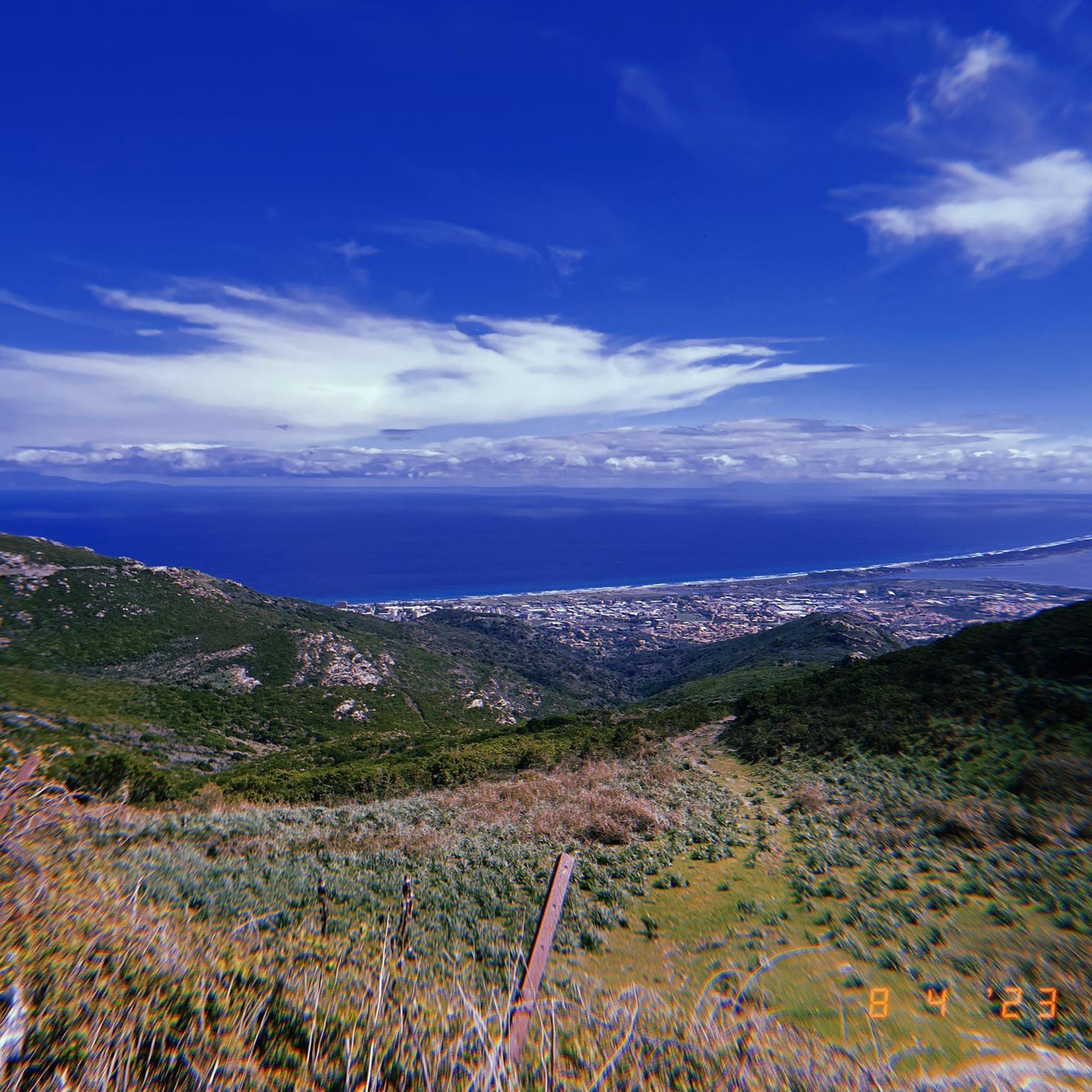
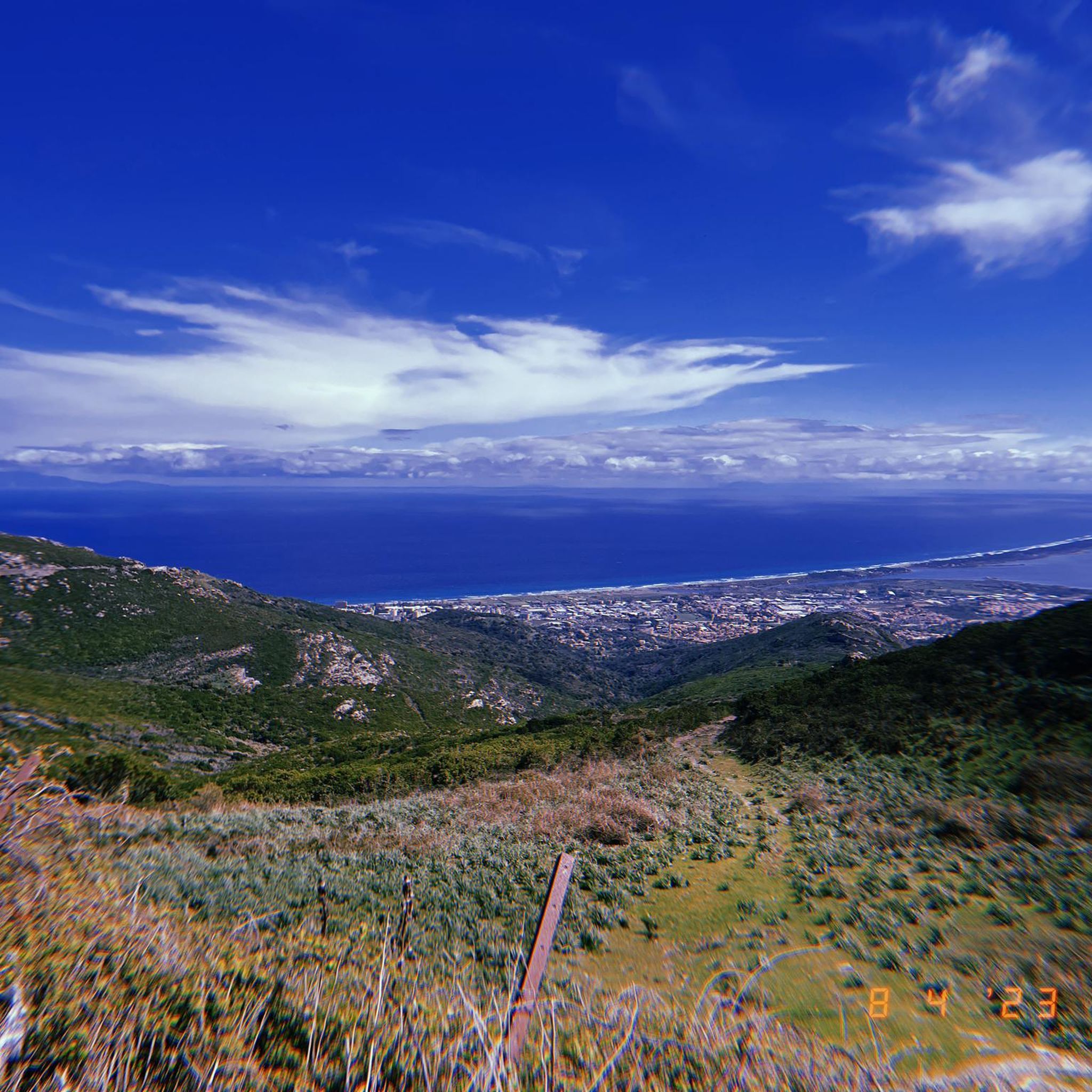
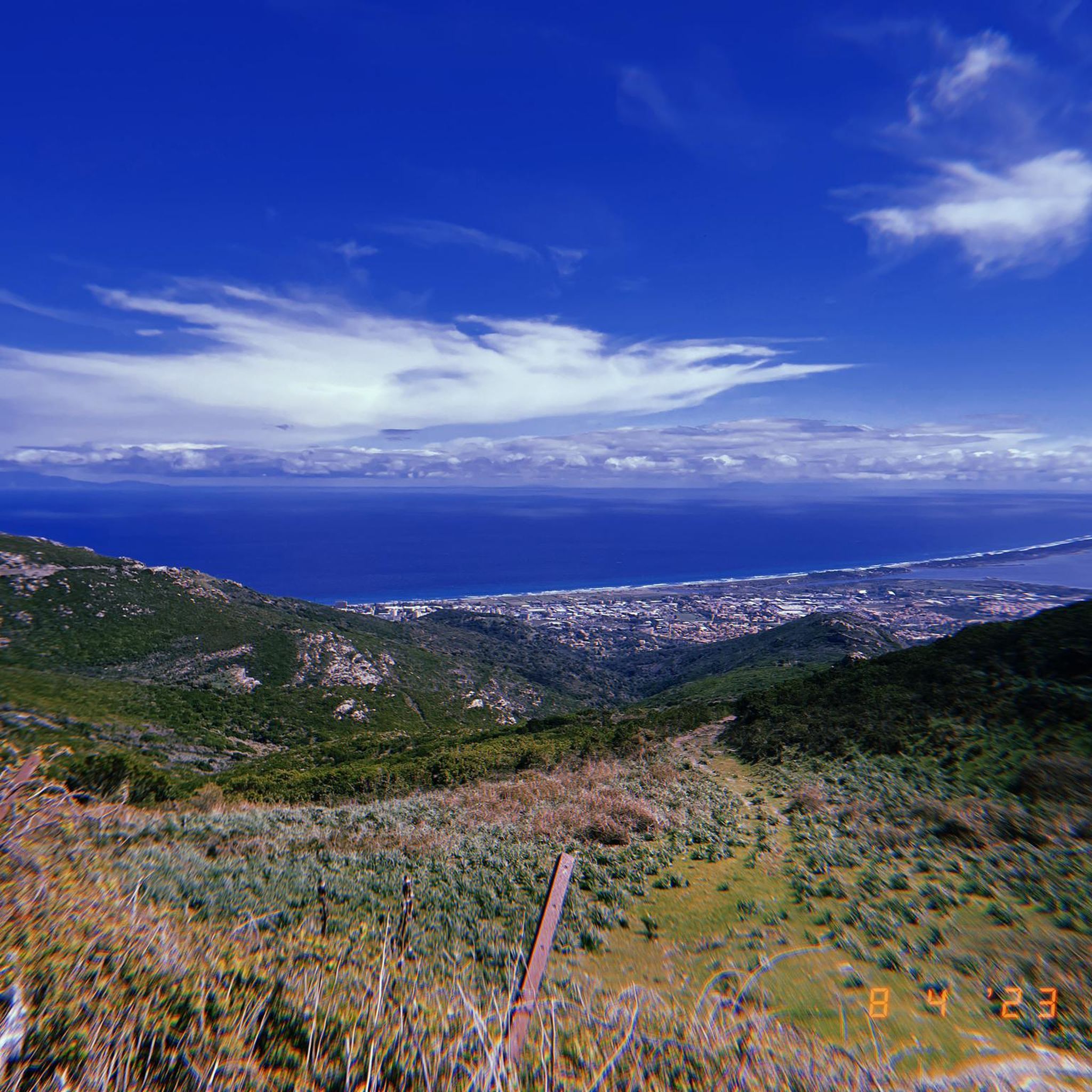
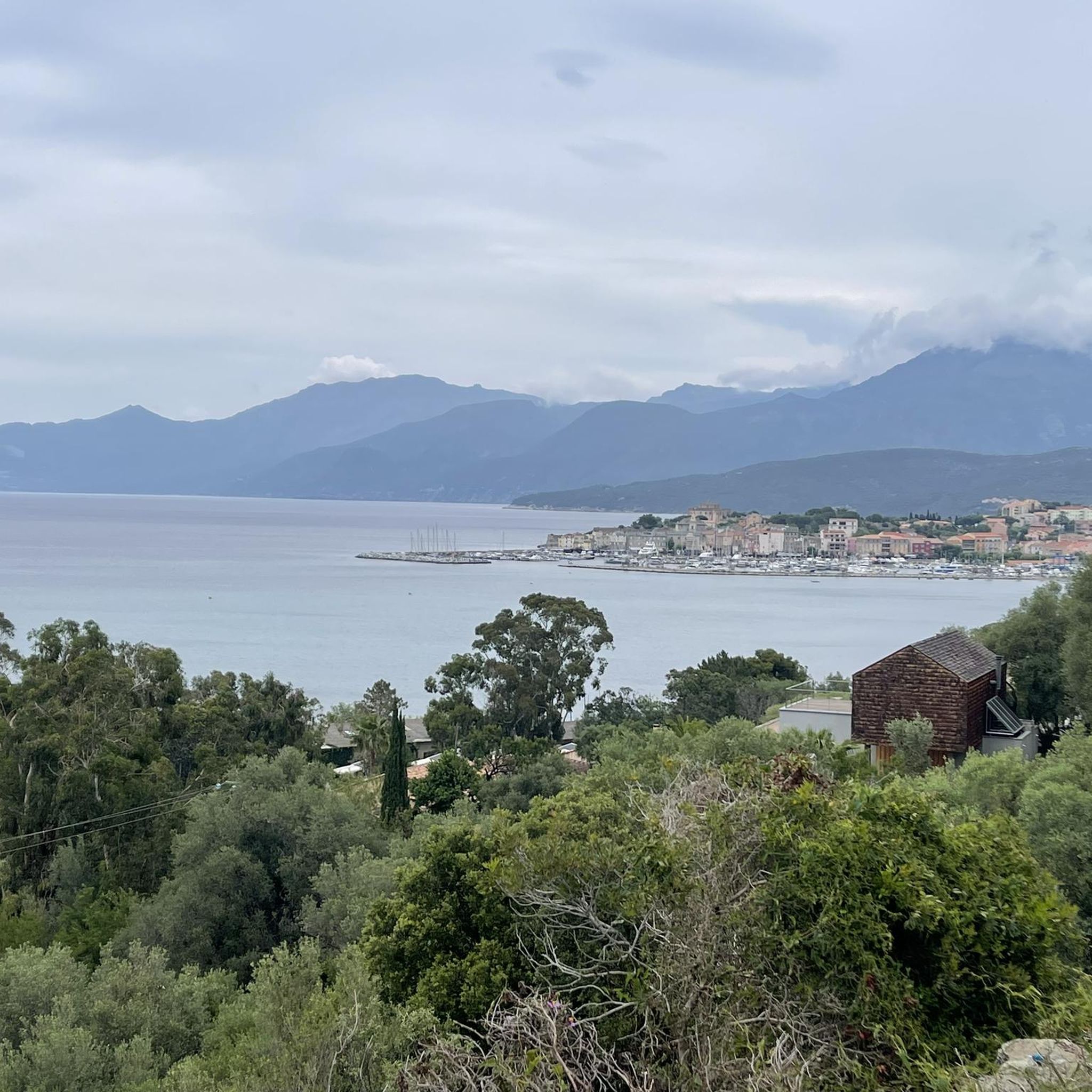
Best attractions and places to see around Oletta include a blend of historical landmarks, cultural richness, and natural beauty. The village is nestled in Corsica, overlooked by Mont Zuccarellu, offering panoramic views of the surrounding plain and the Gulf of Saint-Florent. The region is known as "A Conca d'Oru" due to its fertile landscape of olive groves, chestnut trees, and vineyards. Oletta serves as a base for exploring nearby towns and the diverse Corsican environment.
Best attractions and places to see around Oletta
- The most popular attractions is Lotu Beach, a beach known for its white sand and turquoise waters. It is a popular spot for sunbathing and swimming.
- Another must-see spot is Saint-Florent Frog Fountain, a fountain located in a lively city center. The surrounding area offers a bustling atmosphere with dining options.
- Visitors also love Mortella Point, a cape featuring an old tower and a lighthouse. It provides views of Saint-Florent and the Cap Corse.
- Oletta is known for its historical sites, natural landscapes, and proximity to coastal areas. Visitors can explore ancient structures, enjoy scenic views, and access beaches.
- The attractions around Oletta are appreciated by the komoot community, with more than 100 upvotes and over 30 photos shared.
Last updated: August 30, 2026
Lotu Beach
Highlight • Beach
Translated by Google •
Tip by

Saint John the Baptist Church, Bastia
Highlight • Religious Site
Translated by Google •
Tip by

Sign up now to discover places like this
Get recommendations on the best single tracks, peaks, & plenty of other exciting outdoor places.
Sign up for free
Saint-Florent Frog Fountain
Highlight • Viewpoint
Translated by Google •
Tip by

Mortella Point
Highlight • Other
Translated by Google •
Tip by

Coastal Path
Highlight (Segment) • Trail
Translated by Google •
Tip by

Sign up for free to discover even more attractions around Oletta.
Sign up for free
Already have an account?
Start today with a free account
Your next adventure awaits.
Login or Signup

Tips from the Community

The church is the largest church in Corsica. It was built between 1636 and 1666.
0
0

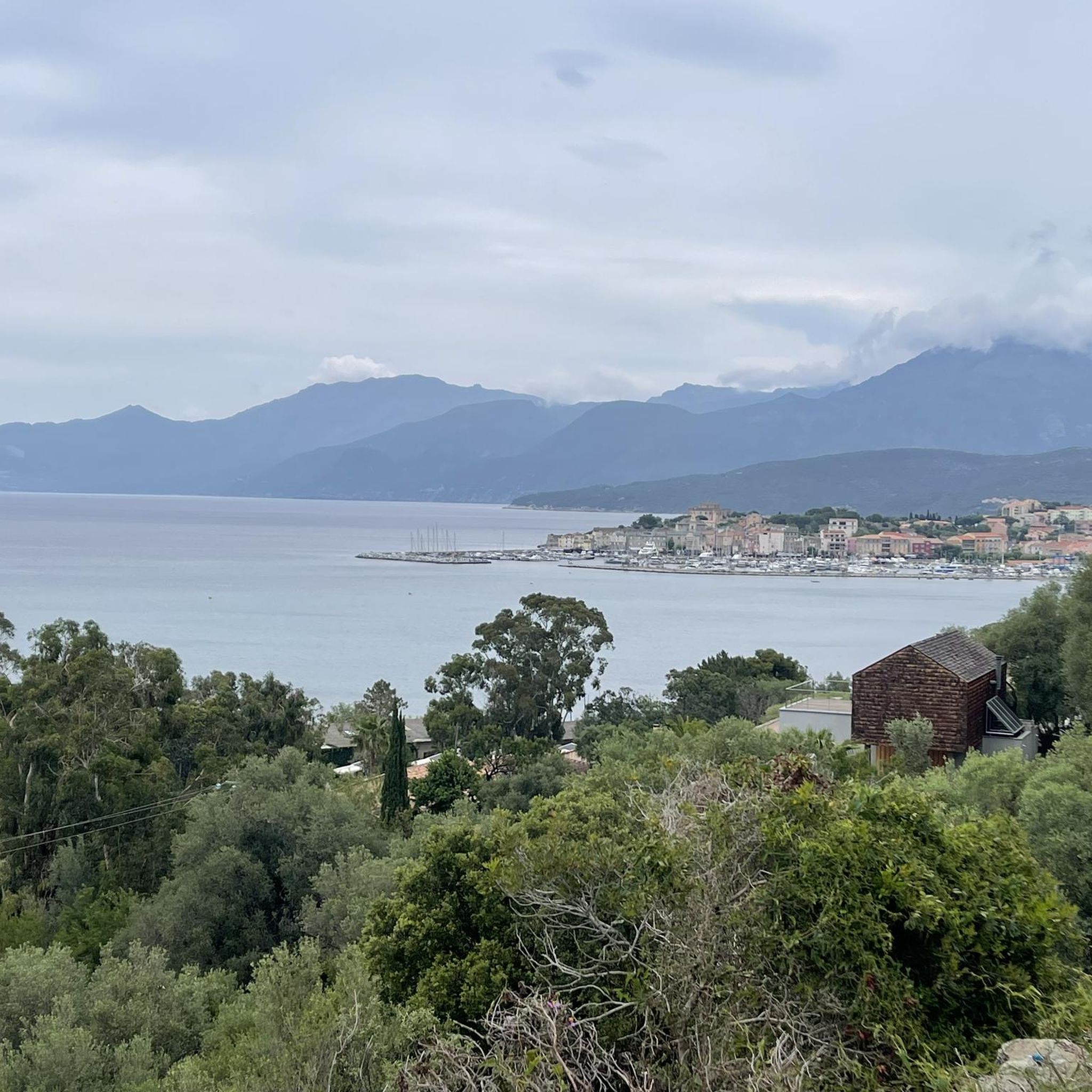
Saint-Florent is also known as "the Corsican Saint-Tropez" because of its Mediterranean flair. In the 1970s, Saint-Florent was a place for the jet set. The town is located high in the northwest of the island of Corsica on the Gulf of the same name between the almost uninhabited Désert des Agriates and Cap Corse.
2
0
Saint-Florent dates back to a small settlement that once arose in the protection area of the Genoese round fortress. The citadel was built by the Genoese in 1440 and served as the seat of the Bishop of Nebbio and the governor's palace until the 18th century. The small Pianese church from the 12th century, Santa Maria Assunta, was built as a cathedral for the then diocese of Nebbio.
2
0
Although malaria raged devastatingly, the town was fiercely fought over by the French, Genoese and Corsicans in the 16th century. However, little remains of the fortress built in 1439, apart from the round keep. The fortress itself was demolished in the 17th century when Genoa's rule seemed secure and Saint-Florent no longer had any strategic importance. The town experienced a new growth spurt after Napoleon III ordered the draining of the swamps, thus eradicating the cause of malaria.
2
0
Saint-Florent (Corsican: San Fiurenzu; Italian: San Fiorenzo) is a French commune and the capital of the Nebbio region on the Mediterranean island of Corsica with 1,689 inhabitants.
2
0

I can definitely recommend the sentier du littoral but even if it seems easy to ride at the beginning, the last third is almost entirely a carrying section and cycling is not prohibited here for no reason.
0
0

Saint John the Baptist (Saint Jean Baptiste), to whom this church in Bastia is dedicated, is—like Saint Joseph—a man on the threshold between the Old and New Testaments. His parents are Zechariah and Elizabeth. After announcing the Incarnation through them, the Mother of God visits her relative Elizabeth, who, in her old age, will give birth to a son, John the Baptist. John the Baptist is six months older than Jesus and is considered his forerunner. He lives in the desert, preaches repentance from sin to the Jewish population, and baptizes them in the Jordan River. Jesus also comes there to be baptized, where he is filled with the Holy Spirit, who descends upon him from heaven. The feast day of Saint Jean Baptiste in the calendar of saints is June 24, exactly six months before Christmas Eve.
0
0

Beautiful coastal hike. Be sure to take your swimming costume with you - there are many beautiful bays.
0
0
Frequently Asked Questions
What natural attractions can I explore near Oletta?
Oletta is surrounded by a lush landscape known as "A Conca d'Oru" (The Golden Basin), featuring olive groves, chestnut trees, and vineyards. You can explore the nearby Agriates Desert, the Monte Stello massif for panoramic views, or enjoy the scenic countryside around Col de Teghime. The region also offers access to exquisite beaches.
Where can I find beautiful beaches close to Oletta?
Oletta is conveniently located near several stunning beaches. Lotu Beach is particularly popular for its white sand and turquoise waters, ideal for sunbathing and swimming. Other notable beaches in the Agriates region include Saleccia, and you can also find beautiful spots like Pietracorbara.
Are there opportunities for hiking and outdoor adventures around Oletta?
Yes, the area around Oletta offers numerous hiking trails, ranging from easy walks to more challenging routes, allowing you to discover Corsica's natural beauty. For more structured outdoor activities, you can find various routes for mountain biking, gravel biking, and cycling. Explore options like the 'Plage de l'Agriate – Assume loop' for mountain biking or the 'Nebbio Balcony - Saint Florent Loop' for cycling. You can find more details on these and other routes in the MTB Trails around Oletta, Gravel biking around Oletta, and Cycling around Oletta guides.
What historical and cultural sites are there to visit in Oletta itself?
In Oletta, you can visit the magnificent Church of Saint-André, which houses a wooden triptych from 1534 and a multimedia museum of sacred art. Wander through the charming Old Town of Oletta with its narrow cobblestone streets and traditional houses. The Former Saint-François Convent, a significant Franciscan site, now hosts cultural events, and the Chapel Sainte-Croix functions as a museum of sacred art. Don't miss the abandoned Hamlet of Romanacce or the ancient Fort de Montemagni.
What historical landmarks can I visit in nearby towns?
Just 11 km from Oletta in Bastia, you can visit the impressive Saint John the Baptist Church, the largest church in Corsica, known for its rich decoration. In Saint-Florent, approximately 7 km away, explore the 15th-century Citadel of Saint-Florent, which offers a glimpse into the region's past.
Are there family-friendly activities or attractions in the Oletta area?
Many attractions around Oletta are suitable for families. The beautiful beaches like Lotu Beach are perfect for a day out. In Saint-Florent, the lively area around the Saint-Florent Frog Fountain offers a bustling atmosphere with dining options that families can enjoy. Exploring the charming Old Town of Oletta is also a pleasant activity for all ages.
What local culinary experiences can I enjoy in Oletta?
Oletta and its surroundings offer a rich culinary scene. You can explore local markets for fresh produce, cheeses, and charcuterie. Given the region's vineyards and olive groves, consider visiting a winery or olive grove for tastings and to learn about Corsica's winemaking traditions. Some places may also offer cooking classes to learn traditional Corsican dishes like wild boar stew.
What nearby towns are worth visiting from Oletta?
Oletta serves as an excellent base for day trips. The popular resort town of Saint-Florent, with its citadel and vibrant atmosphere, is just 7 km away. Bastia, 11 km away, offers a bustling port, markets, and historical sites. You can also explore other charming villages in the vicinity, such as Sant'Antonino, recognized as one of Corsica's most beautiful villages.
What is special about <a href="https://www.komoot.com/highlight/1005122" target="_blank" rel="noopener">Lotu Beach</a>?
Lotu Beach is a highly popular beach known for its pristine white sand and clear turquoise waters, making it an ideal spot for sunbathing and swimming. It's a favorite among visitors for its natural beauty, though access for cyclists along the coastal path can be restricted.
What can I expect at <a href="https://www.komoot.com/highlight/5799848" target="_blank" rel="noopener">Saint-Florent Frog Fountain</a>?
The Saint-Florent Frog Fountain is located in the heart of Saint-Florent's lively city center. It's a charming spot surrounded by a bustling atmosphere, with numerous dining options and plenty of life in the old town and at the port, making it a great place to soak in the local ambiance.
What views can I get from <a href="https://www.komoot.com/highlight/770877" target="_blank" rel="noopener">Mortella Point</a>?
Mortella Point offers stunning views of Saint-Florent and the Cap Corse. This cape features the remains of an old Genoese tower and a new lighthouse. It's a great spot for photography and enjoying the coastal scenery, accessible via a beautiful coastal path from Saint-Florent.
When is the best time to visit Oletta for outdoor activities?
For hiking and exploring the natural beauty around Oletta, spring (April-May) and autumn (September-October) generally offer pleasant temperatures and fewer crowds. Summer (June-August) is ideal for enjoying the beaches and water sports, though it can be quite warm for strenuous hiking.
Most popular attractions around Oletta

Get inspired with the komoot mobile app


Explore more
Still not found the Highlight you’re looking for? See guides of the top attractions in other regions:
