The best walks and hikes around Garos
4.5
(145)
827
hikers
35
hikes
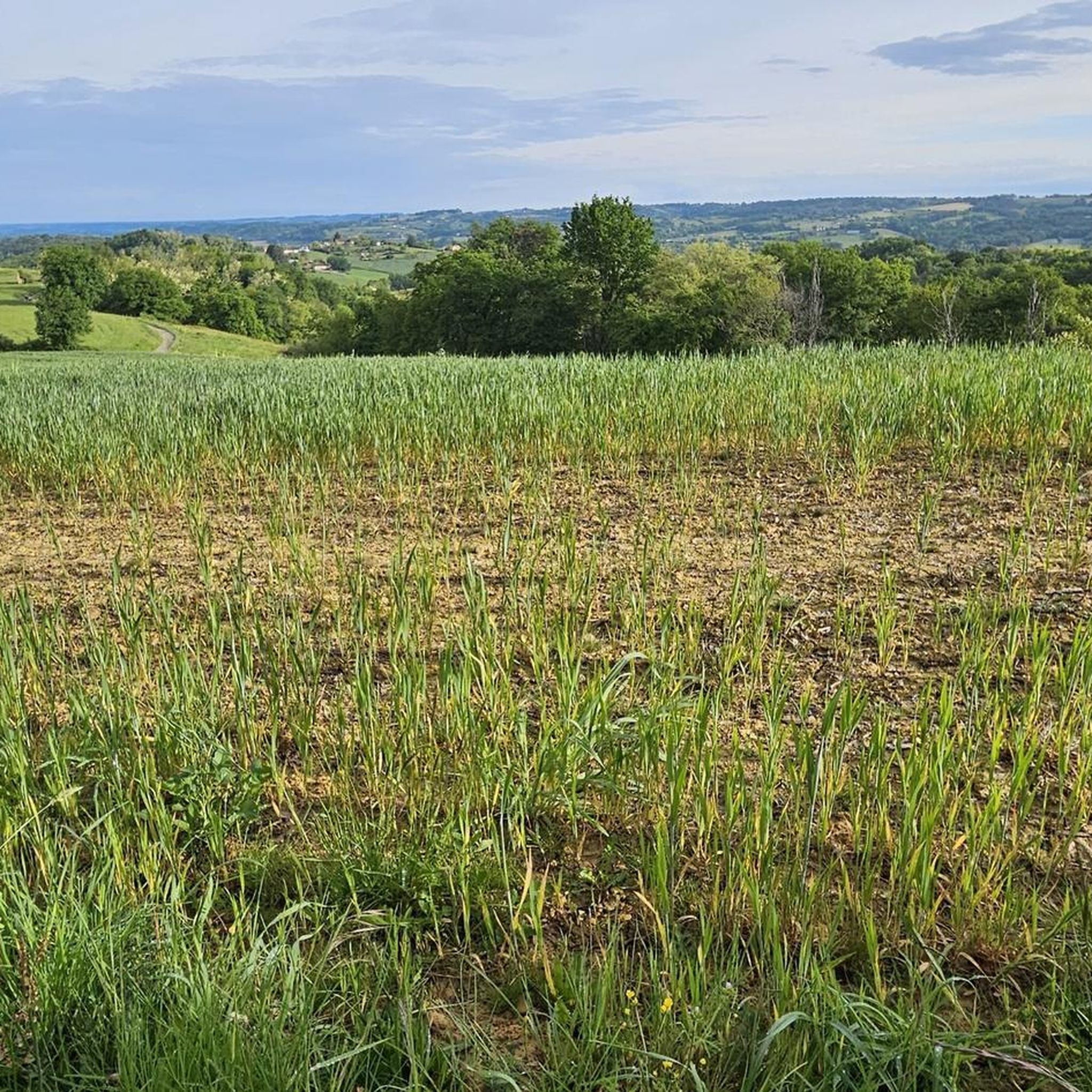
Hiking around Garos offers a network of trails through varied terrain, characterized by agricultural landscapes, rolling hills, and river valleys. The region features a mix of open country paths and routes that may pass through small villages or near historical landmarks like mills. Elevation gains are generally moderate, providing a good balance of challenge and accessibility for hikers.
Best hiking trails around Garos
- The most popular hiking route is Moulin de Louvigny – Compostelle milestone 908km loop from Garos,…
Last updated: October 20, 2026
4.1
(14)
84
hikers
29.9km
07:57
310m
310m
Hard hike. Very good fitness required. Easily walkable paths.
5.0
(1)
17
hikers
22.8km
06:20
420m
420m
Hard hike. Very good fitness required. Easily walkable paths.

4.0
(2)
12
hikers
8.46km
02:24
190m
190m
Moderate hike. Good fitness required. Easily walkable paths.
5.0
(1)
8
hikers
11.4km
03:14
260m
260m
Moderate hike. Good fitness required. Easily walkable paths.
8
hikers
11.7km
03:21
270m
270m
Moderate hike. Good fitness required. Easily walkable paths.
Get access to more routes and recommendations from other explorers.
Already have an account?
Our route recommendations are based on thousands of hikes, rides, and runs completed by other people on komoot.
Start today with a free account
Your next adventure awaits.



Tips from the Community

The Romanesque chapel was built on the orders of the Viscount of Béarn, Gaston IV, known as the Crusader (1090-1130), upon his return from the First Crusade. It was entrusted to the Knights of Saint John of Jerusalem and experienced its heyday until the mid-16th century, when the Wars of Religion broke out. Inside, behind the beautiful Gothic arches, we can see the tomb with the figure of a medieval knight. On the outside, the details of the capitals are worth seeing.
2
0
Very nicely laid out rest area with plenty of shade and comfortable seating
2
0
The original building was erected in the 12th century near the miraculous spring of Sainte-Quitterie (a virgin martyr very popular in the southwest of France). The spring, rebuilt in 1950, was already a place of pilgrimage before the construction of the parish church (its water was said to heal eye diseases and headaches).
2
0
The site of the abbey of Saint-Pierre de LARREULE was of great importance in the history of Béarn. During the formation of the Principality of the Pyrenees, around the 10th century, monks organized the large-scale clearing and development of the land; their abbeys were economic units. Only part of the Romanesque abbey church, built in the 12th century and rebuilt in the 16th century after significant destruction by Protestant troops, remains of the abbey. Three Romanesque capitals as well as several listed statues from the 17th and 18th centuries can still be seen there. As the nave (oriented East-West) was never rebuilt, the old Romanesque transept (oriented North-South) served as the nave from the 17th century onwards, when the west wall was erected to complete the church.
2
0
The Romanesque chapel was built on the orders of the Viscount of Béarn, Gaston IV, known as the Crusader (1090-1130), upon his return from the First Crusade. It was entrusted to the Knights of Saint John of Jerusalem and experienced its heyday until the mid-16th century, when the Wars of Religion broke out. Inside, behind the beautiful Gothic arches, we can see the tomb with the figure of a medieval knight. On the outside, the details of the capitals are worth seeing. 'La petite église' can be read framed at the entrance of the church.
2
0

An old manor house in the heart of Béarn, Arzacq-Arraziguet retains the lines of its past with its central square and typical arcades. A short bike ride away, its lake offers a pleasant setting, ideal for a break by the water.
0
0
The medieval village of Morlanne, perched on a ridge, houses some beautiful treasures such as its castle, its fortified church, or some beautiful panoramas of the surrounding countryside. It is a choice stopover in the heart of Béarnaise authenticity.
0
0

The text of this funny poster - translated into German by the babelfish program - reads: "Ola, I'm sorry Floreano, but to get to Santiago you have to walk a little longer. I'm full and I've covered more than 910 km."
6
0
Frequently Asked Questions
How many hiking trails are available around Garos?
Garos offers a diverse network of over 40 hiking trails. These include 11 easy routes, 22 moderate paths, and 7 more challenging options, catering to various fitness levels.
What kind of terrain can I expect on hikes in Garos?
The hiking trails in Garos primarily traverse agricultural landscapes, rolling hills, and river valleys. You'll find a mix of open country paths and routes that may pass through small villages or near historical landmarks. Elevation gains are generally moderate, providing a balanced hiking experience.
Are there easy hiking options suitable for beginners in Garos?
Yes, Garos has 11 easy hiking routes perfect for beginners or those looking for a relaxed walk. These trails typically feature gentle gradients and well-maintained paths through the region's scenic countryside.
Can I find more challenging or advanced hiking routes in Garos?
For experienced hikers, Garos offers 7 difficult routes. One such challenging option is the Rest Area – Béarn Farm loop from Arnos, a 17.5-mile (28.2 km) path that traverses farmland and provides significant elevation changes.
Are there any circular hiking routes in the Garos area?
Yes, many routes in Garos are designed as loops. For example, the Pimbo – Moulin de Louvigny loop from Arzacq-Arraziguet is a 16.2-mile (26.0 km) trail that takes you through rural landscapes and returns to your starting point.
What do other hikers say about the trails in Garos?
The trails in Garos are highly regarded by the komoot community, holding an average rating of 4.5 stars from over 120 reviews. Hikers frequently praise the region's quiet agricultural scenery and the well-defined paths that connect local points of interest.
Are the hiking trails around Garos suitable for families with children?
Many of the easy and moderate trails in Garos are suitable for families. The generally moderate elevation gains and open country paths make for enjoyable outings. We recommend checking the specific route details for distance and difficulty to ensure it matches your family's capabilities.
Can I bring my dog on the hiking trails in Garos?
Generally, dogs are welcome on trails in rural areas like Garos, especially on public footpaths. However, it's always best to keep your dog on a leash, particularly when passing through farmland or near livestock, and to clean up after them. Always respect local signage regarding pet access.
What are some interesting places or landmarks to see while hiking in Garos?
While hiking, you can explore several historical and cultural landmarks. Notable attractions include Pimbo, the historic Moulin de Louvigny, and various religious buildings such as the Saint Martin Church and Caubin Chapel.
What is the best time of year to go hiking in Garos?
Spring and autumn are generally the most pleasant seasons for hiking in Garos, offering mild temperatures and beautiful scenery as the agricultural landscapes change. Summer can also be enjoyable, but it's advisable to start early to avoid the midday heat. Winter hiking is possible, but some paths might be muddy.
Where can I find parking for hiking trails in Garos?
Parking is typically available in or near the villages that serve as starting points for many trails, such as Garos itself or Arzacq-Arraziguet. Look for designated public parking areas. For specific routes, check the tour descriptions on komoot for suggested parking locations.
Are permits required for hiking in Garos?
No, permits are generally not required for hiking on the public footpaths and trails around Garos. The region's trails are freely accessible for recreational use.
Most popular attractions around Garos

Get inspired with the komoot mobile app


Explore more
Browse the best Hikes in other regions.
