Attractions and Places To See around Saint-Bonnet-En-Bresse - Top 8
Attractions and places to see around Saint-Bonnet-En-Bresse offer a blend of local heritage and natural landscapes in the Burgundy-Franche-Comté region of eastern France. The area is characterized by the expansive meadows of the Saône valley and the traditional hedgerows of the Bressan bocage. The Doubs River, a tributary of the Saône, also flows through the vicinity, contributing to the region's natural beauty. Visitors can explore cultural sites and unique natural habitats, including acid peat bogs and sand dunes.
Best attractions…
Last updated: July 6, 2026
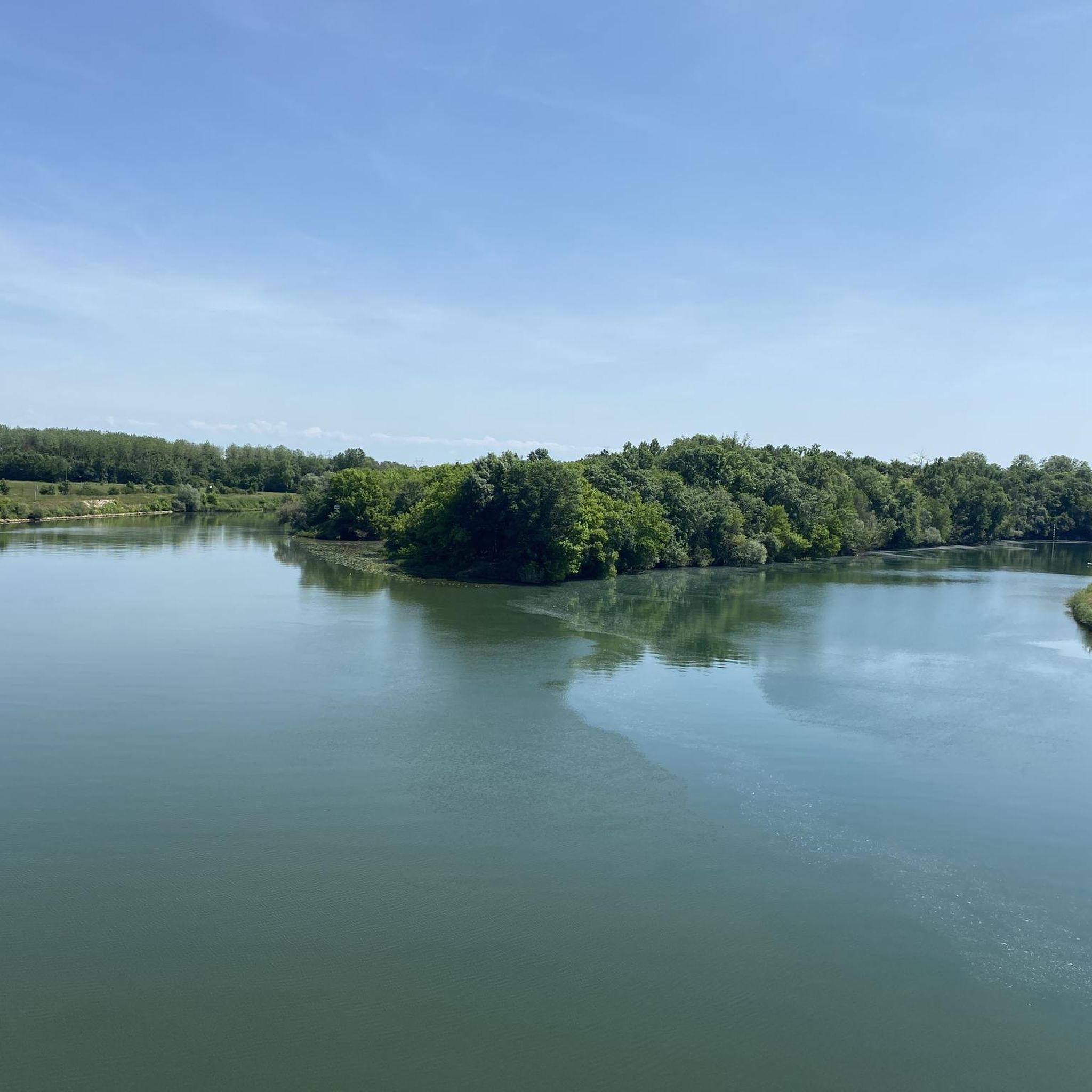
View of the Doubs
Highlight • Viewpoint
Translated by Google •
Tip by

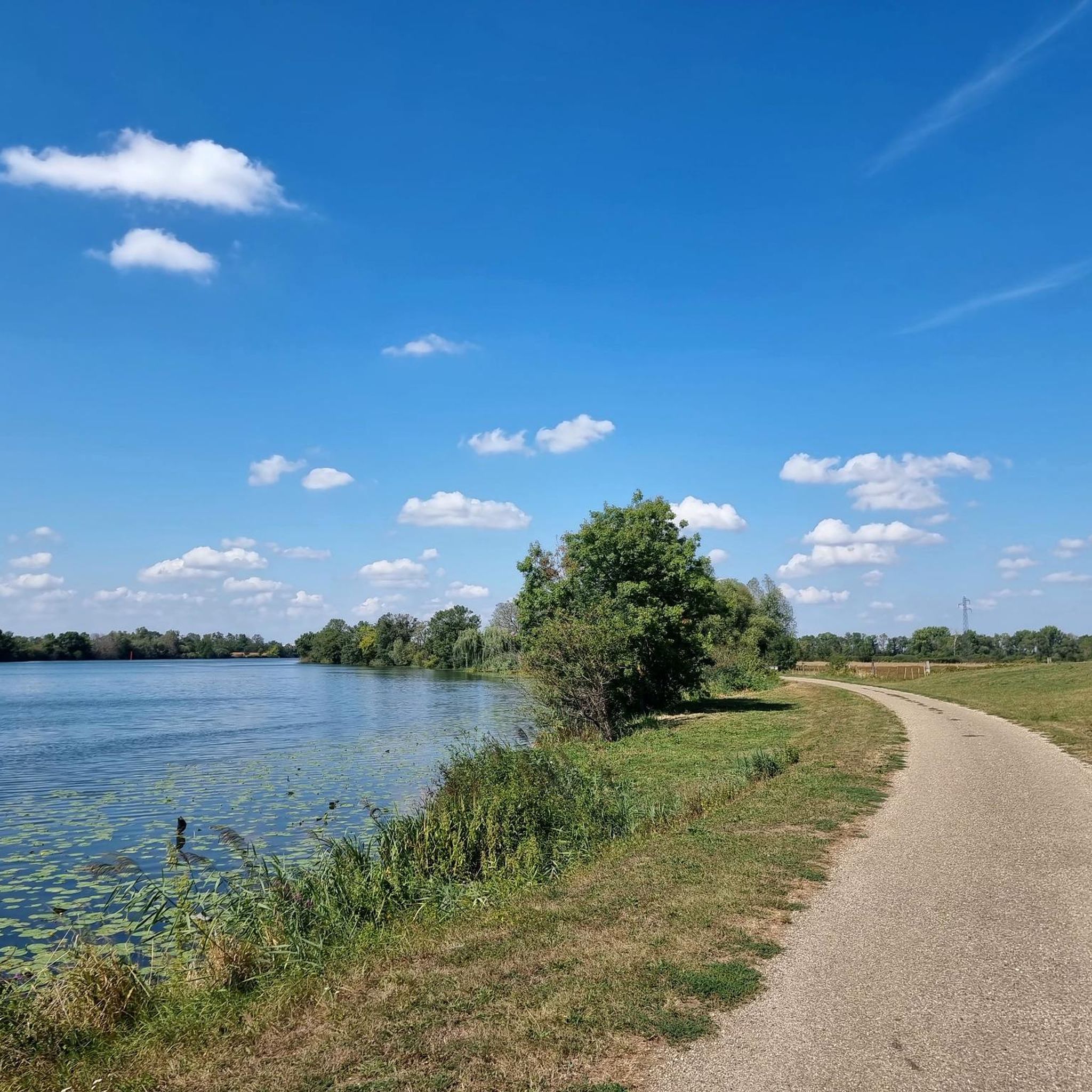
Rural chapel, Charnay-lès-Chalon
Highlight • Religious Site
Tip by

Sign up now to discover places like this
Get recommendations on the best single tracks, peaks, & plenty of other exciting outdoor places.
Sign up for free
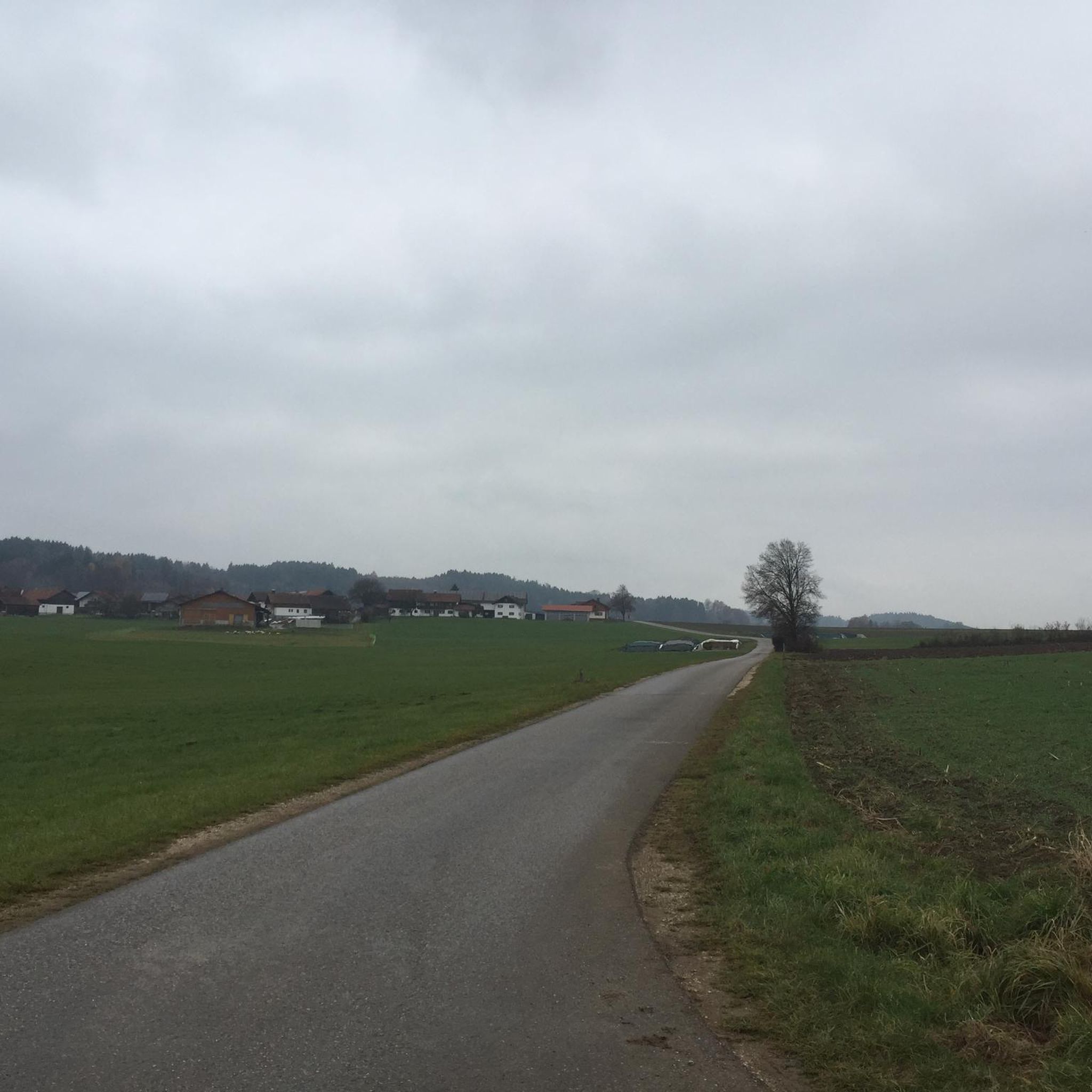
Route de Seurre - quiet rural road
Highlight (Segment) • Other
Tip by
Bresse Bourguignonne Ecomuseum
Highlight • Museum
Translated by Google •
Tip by
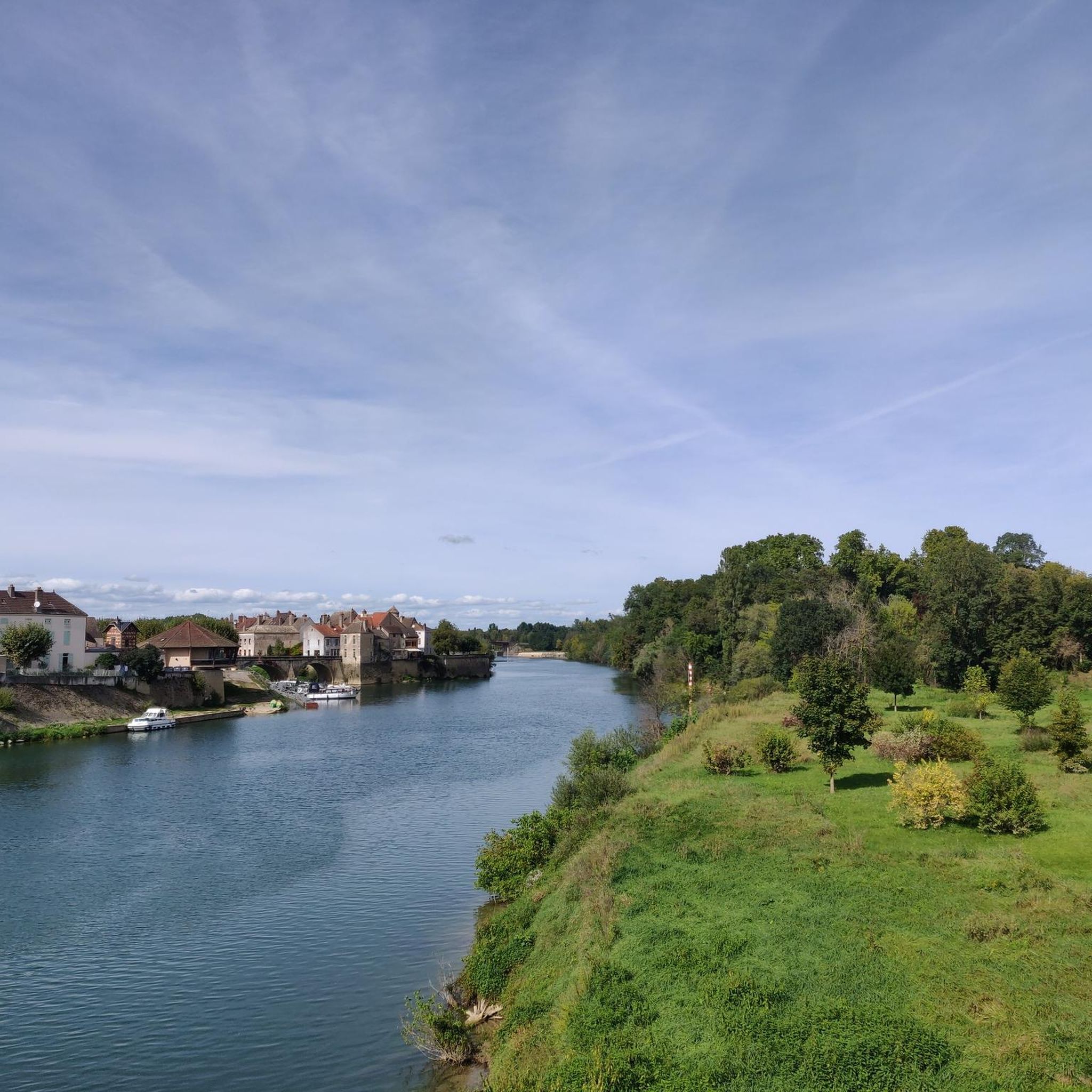
Saint-Jean Bridge over the Petit Doubs
Highlight • River
More information: de.m.wikipedia.org/wiki/Verdun-sur-le-Doubs
Translated by Google •
Tip by

Sign up for free to discover even more attractions around Saint-Bonnet-En-Bresse.
Sign up for free
Already have an account?
Start today with a free account
Your next adventure awaits.
Login or Signup

Tips from the Community


The river is wide with some large fish to spot. wonderful villages to explore.
0
0

It is worth taking a moment to linger on this bridge.
1
0
Here is the information about the ecomuseum: https://www.bressenordintercom.fr/territoire-et-tourisme/ecomusee-de-la-bresse-bourguignonne/
1
0

Unfortunately, the interior is not so well preserved or has been heavily used by exhibitions. It seems a bit cluttered. The exhibitions about the region are interesting, though. Two submachine guns have also been preserved, which England dropped in large numbers from the air for the benefit of the Resistance during WWII.
1
0
The castle is very impressive, with double moat, garden and great layout. Worth a detour!!
1
0

From the Lays-sur-le-Doubs bridge, you have a beautiful view of the Doubs. This tributary of the Saône finds its source in the Jura.
1
0
The majestic Château de Pierre-de-Bresse dates from the 17th century. It also houses the Burgundian Bresse ecomuseum. We discover the life of the territory: its natural environments, its trades and traditional activities. During school holidays, the museum offers family workshops and guided tours.
2
1
Frequently Asked Questions
What natural attractions can I explore around Saint-Bonnet-en-Bresse?
The region offers diverse natural landscapes. You can enjoy scenic vistas of the Doubs River from the View of the Doubs, particularly from the Lays-sur-le-Doubs bridge. The area is also characterized by the expansive meadows of the Saône valley and the traditional hedgerows of the Bressan bocage, which are significant for their diverse birdlife and flora.
Are there any historical or cultural sites worth visiting in the area?
Yes, you can visit the Rural chapel, Charnay-lès-Chalon, a historical religious building typical of the area. Additionally, the Bresse Bourguignonne Ecomuseum, housed within the 17th-century Château de Pierre-de-Bresse, offers insights into the territory's natural environments, trades, and traditional activities of the Burgundian Bresse.
What kind of outdoor activities, like cycling or running, are available near Saint-Bonnet-en-Bresse?
The area provides various routes for outdoor enthusiasts. For cycling, you can find routes like the 'Refreshments at Nico's loop from Pierre-de-Bresse' or the 'View of the Doubs loop from Pierre-de-Bresse'. There are also longer, more challenging cycling routes available. Runners can explore trails such as the 'Running loop from Mervans' or the 'Bois de la Folie loop from La Chaux'. You can find more details on these activities in the Cycling around Saint-Bonnet-En-Bresse and Running Trails around Saint-Bonnet-En-Bresse guides.
Are there family-friendly attractions around Saint-Bonnet-en-Bresse?
Yes, several attractions are suitable for families. The View of the Doubs is a pleasant spot for all ages to enjoy river views. The Rural chapel, Charnay-lès-Chalon, offers a quiet picnic location. The Bresse Bourguignonne Ecomuseum also offers family workshops and guided tours during school holidays, making it an engaging visit for children and adults alike.
What are the unique natural features of the Bresse region?
The Bresse region is known for its diverse natural environments. It features expansive meadows of the Saône valley and traditional hedgerows of the Bressan bocage. Unique habitats include acid peat bogs, home to amphibians, dragonflies, and distinctive flora, as well as sand dunes in Sermoyer, shaped by floods and winds. These areas are recognized for their exceptional biodiversity.
Where can I find picturesque views of the Doubs River?
For picturesque views of the Doubs River, head to the View of the Doubs. From the Lays-sur-le-Doubs bridge, you can observe this tributary of the Saône, which originates in the Jura mountains. It's a recommended spot to pause and enjoy the scenery.
What can I learn at the Bresse Bourguignonne Ecomuseum?
The Bresse Bourguignonne Ecomuseum, located in the majestic 17th-century Château de Pierre-de-Bresse, provides a deep dive into the life and heritage of the Burgundian Bresse territory. You can discover its natural environments, traditional trades, and historical activities. The castle itself is impressive, with a double moat and garden.
Are there quiet roads for cycling near Saint-Bonnet-en-Bresse?
Yes, the area offers quiet, bike-friendly rural routes. The Route de Seurre is an example of a quiet rural road that runs parallel between the Doubs and Saône rivers, often used as part of the EuroVelo 6 route. These roads are ideal for making good distance in a peaceful setting.
What are some notable nearby towns or regional attractions to visit from Saint-Bonnet-en-Bresse?
From Saint-Bonnet-en-Bresse, you can easily access several significant regional attractions. These include Chalon-sur-Saône (approx. 26 km) with its pedestrianized center and cathedral, Beaune (approx. 32 km), famous for its wine region and the historic Hospices de Beaune, and Tournus (approx. 38 km), home to the 12th-century Romanesque Abbey of Saint-Philibert. Château-Chalon, a designated 'Most Beautiful Village,' is also about 36 km away.
What do visitors enjoy most about the attractions around Saint-Bonnet-en-Bresse?
Visitors particularly appreciate the blend of natural beauty and historical charm. The scenic river views, such as those from the View of the Doubs, are highly rated. The quiet, rural roads are enjoyed for cycling, and historical sites like the Rural chapel, Charnay-lès-Chalon, are valued for their peaceful atmosphere and picnic opportunities. The informative exhibitions at the Bresse Bourguignonne Ecomuseum are also a highlight.
Are there any bridges of interest in the area?
Yes, besides the Lays-sur-le-Doubs bridge offering views of the Doubs, you can also find the Saint-Jean Bridge over the Petit Doubs. This small, old bridge is worth seeing and provides a nice resting place with a shelter.
What is the best time to visit Saint-Bonnet-en-Bresse for outdoor activities?
The region's natural beauty, including its meadows and rivers, is best enjoyed during the warmer months, typically from spring through early autumn. This period offers pleasant weather for cycling, running, and exploring the outdoor attractions and nearby towns.
Most popular routes around Saint-Bonnet-En-Bresse

Get inspired with the komoot mobile app


Explore more
Still not found the Highlight you’re looking for? See guides of the top attractions in other regions:
