Attractions and Places To See around Saumont-La-Poterie - Top 20
Attractions and places to see around Saumont-La-Poterie, a commune in the Seine-Maritime department of Normandy, offer a blend of historical sites and natural landscapes. The area is characterized by its rural setting and connection to the historic Pays de Bray region. Visitors can explore the preserved nature along the Epte River, which once marked a historical border, and discover local heritage through various outdoor activities.
Best attractions and places to see around Saumont-La-Poterie
- The most popular attractions is Railroads from…
Last updated: October 24, 2026
Andelle Ponds
Highlight • Lake
Translated by Google •
Tip by

Domaine de Forges and Historic Thermal Quarter
Highlight • Historical Site
Sign up now to discover places like this
Get recommendations on the best single tracks, peaks, & plenty of other exciting outdoor places.
Railroads from Dieppe to Forges Les Eaux
Highlight (Segment) • Cycleway
Translated by Google •
Tip by

Forges-les-Eaux
Highlight • Settlement
Tip by

Avenue Verte London–Paris: Forges-les-Eaux to Neufchâtel-en-Bray
Highlight (Segment) • Cycleway
Translated by Google •
Tip by

Sign up for free to discover even more attractions around Saumont-La-Poterie.
Already have an account?
Start today with a free account
Your next adventure awaits.


Tips from the Community

Went uphill from Dieppe to Paris, and still such a relief from English cycling paths.
0
0

This natural area located in Forges-les-Eaux is organized around the ponds of the Andelle, formed by two rivers: the Andelle to the east and the Chevrette to the west. All around extends the Bois de l’Épinay, remarkable for the great diversity of tree species it shelters. You can walk there, observe the birds, picnic and take a quiet break enjoying the rustling of the many leaves.
1
0

This part of the city was developed from the 16th century with the discovery of ferruginous springs in the current Casino park. It was in 1573 that Nicolas de Moy, Grand Master of Water and Forestry, discovered the presence of ferruginous springs. They were made famous from 1633 with the arrival of King Louis XIII, Queen Anne of Austria and Cardinal Richelieu. The spa was thus born! The springs named Reinette, Royale and Cardinal were thus exploited for their property and their medicinal virtues until the 1980s. @OT Forges les Eaux
0
0
These artificial lakes were built in the late 1980s on a peat marsh. They are spread over two levels and separated by an earth dike, valves allow the water level to be controlled. They are fed by the Andelle river which has its source upstream. The wild ponds (to the North) were deliberately left in their natural state to allow birds to nest, while The Bird Mirror (to the South) was the subject of landscaping and ornamental development with consolidation of the banks. . @OT Forges les Eaux
0
0

Away from cars, but a bit monotonous...
1
0

I can only recommend this green route. Calm, flat (a few small climbs all the same), we meet other cyclists there and we exchange, we say hello...
0
0

green avenue London-Paris secure
0
0

Frequently Asked Questions
What historical landmarks can I explore around Saumont-La-Poterie?
The region offers several historical sites. You can visit the 17th-century Pont de Coq, a significant historical monument with a local legend. Other notable sites include the 16th-century Église Saint-Denis and the Manoir d'Abancourt (Ferme du Logis), dating from the 16th and 17th centuries. Additionally, the settlement of Forges-les-Eaux has a rich past, known for Roman-era iron manufacturing and 17th-century spas, with its Domaine de Forges and Historic Thermal Quarter.
Are there good cycling routes near Saumont-La-Poterie?
Yes, the area is well-suited for cycling. The Railroads from Dieppe to Forges Les Eaux offer a nearly 50 km path, mostly shallow, ideal for exploring the hilly landscape. Another popular option is the Avenue Verte, a cycle way that follows an old railway line from Forges-les-Eaux to Dieppe, passing through fields and old stations. For more cycling options, you can explore the Cycling around Saumont-La-Poterie guide.
What natural features can I discover in the region?
Saumont-La-Poterie is nestled in the picturesque Pays de Bray region. The Epte River flows through the commune, forming a natural and historical border, and its banks offer opportunities for walks in preserved nature, protected under Natura 2000. You can also find the charming Lavoir de Ménerval, a rural wash house fed by a small spring.
Are there family-friendly activities or attractions available?
Many attractions in the area are family-friendly. The cycle ways like the Railroads from Dieppe to Forges Les Eaux and the Avenue Verte are suitable for families. Exploring the historic town of Forges-les-Eaux and its Domaine de Forges can also be an engaging experience for all ages.
Where can I find hiking trails near Saumont-La-Poterie?
The Pays de Bray region surrounding Saumont-La-Poterie is ideal for hiking. You can find various trails that allow you to discover the local natural beauty and built heritage. For specific routes, check out the Hiking around Saumont-La-Poterie guide, which includes easy to moderate loops around Forges-les-Eaux and Hodeng-Hodenger.
What is special about the Pont de Coq?
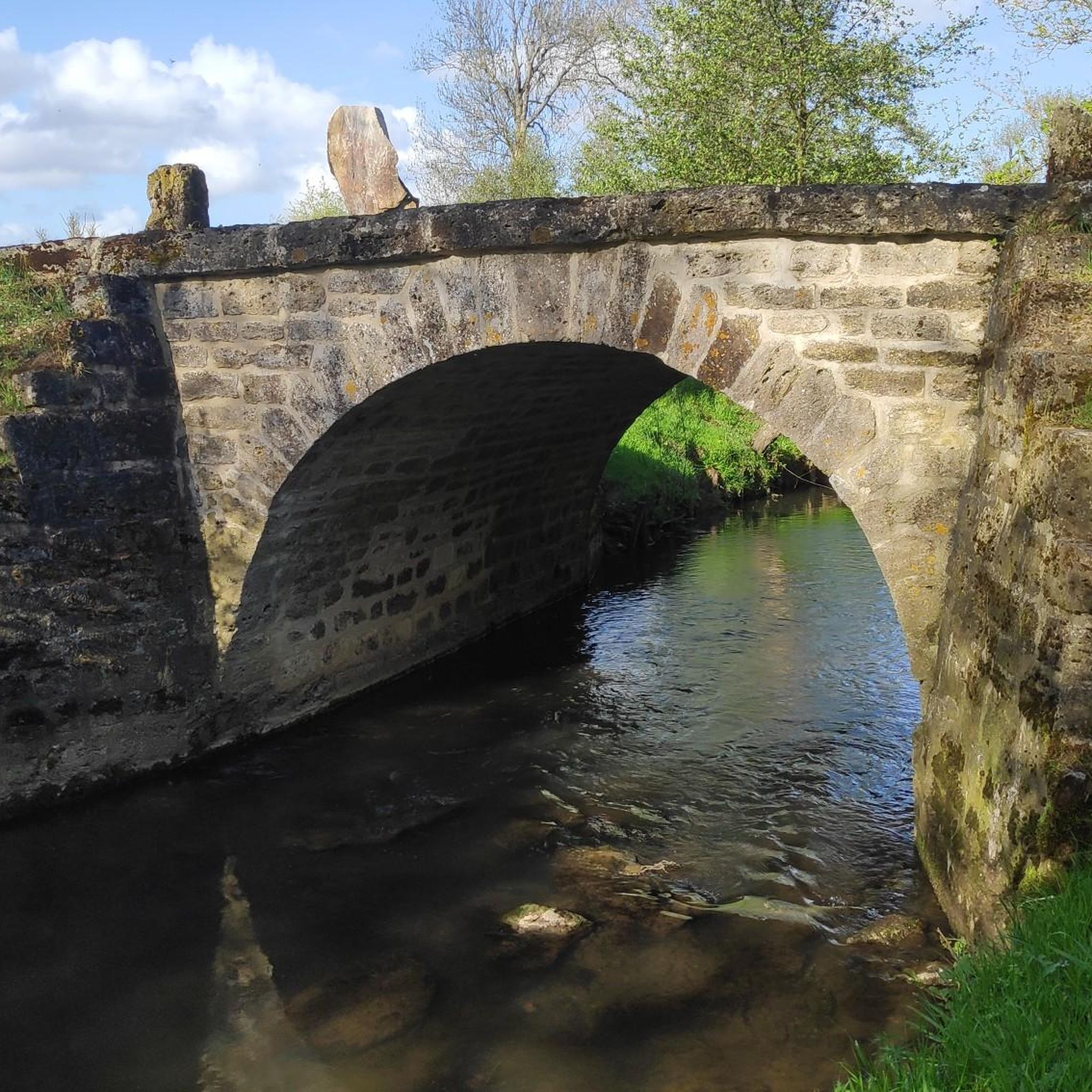
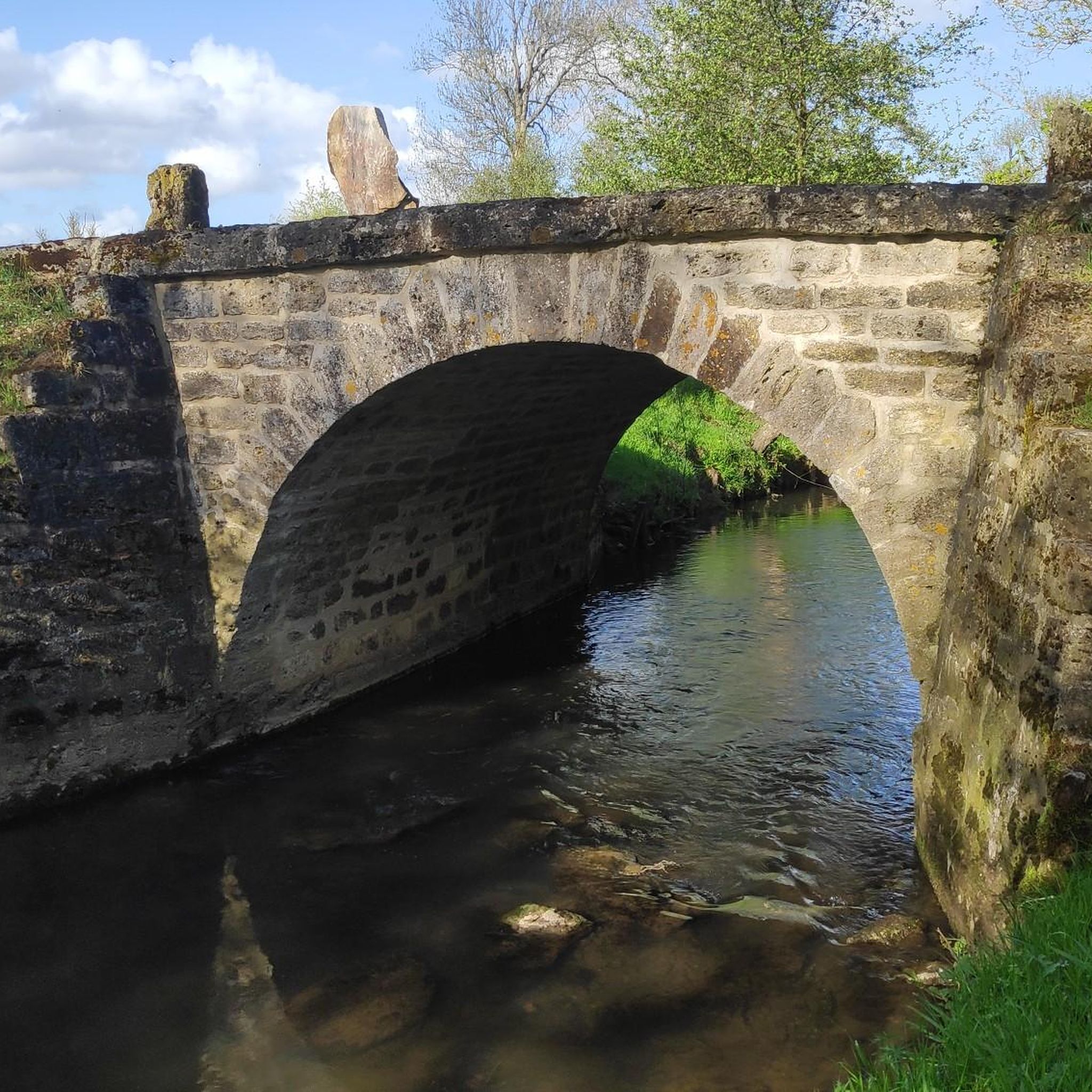
The Pont de Coq is a 17th-century bridge inscribed on the list of Monuments Historiques. It's unique for its single arch with polygonal voussoirs and an 'escalier' (staircase) extrados. Historically, it was a crucial part of the road connecting Paris to Dieppe and is associated with a local legend involving a pact with the devil.
Can I find mountain biking trails in the area?
Yes, there are mountain biking opportunities around Saumont-La-Poterie. You can explore various routes, including loops from Rouvray-Catillon and Argueil. For detailed information and route suggestions, refer to the MTB Trails around Saumont-La-Poterie guide.
What is the significance of the Epte River?
The Epte River is both a natural and historical landmark. In the Middle Ages, it served as the border between the Kingdom of France and the Duchy of Normandy. Today, its banks offer beautiful natural landscapes that are protected at a European level (Natura 2000), making it a great spot for tranquil walks.
What do visitors enjoy most about the cycle ways in the region?
Visitors particularly enjoy the car-free environment and the scenic journey through the hilly landscape. The Railroads from Dieppe to Forges Les Eaux are praised for being mostly shallow, making for an easy ride, while the Avenue Verte offers a pleasant, albeit sometimes monotonous, ride through fields with interesting old stations along the way.
Are there any hidden gems or lesser-known spots to visit?
Beyond the main attractions, the Lavoir de Ménerval is a charming rural wash house located at a crossroads, fed by a small spring. The Pont de Coq, with its unique architecture and local legend, also offers a glimpse into the region's lesser-known historical narratives.
What kind of architecture can I expect to see in the historical sites?
The historical sites showcase traditional Norman architecture. The Manoir d'Abancourt, for instance, is constructed from stone, brick, and tile, reflecting 16th and 17th-century building styles. The Pont de Coq features distinctive polygonal voussoirs, characteristic of its 17th-century construction.
Is Forges-les-Eaux worth visiting?
Yes, Forges-les-Eaux is a lovely place to spend a few hours. It's known for its historical past, including Roman-era iron manufacturing and 17th-century spas that attracted royalty. You can explore its typical French streets and learn about its agricultural and spa heritage, making it a good break point on longer routes.
Most popular routes around Saumont-La-Poterie

Get inspired with the komoot mobile app


Explore more
Still not found the Highlight you’re looking for? See guides of the top attractions in other regions:
