The best MTB trails around Saint-Remy-La-Calonne
4.4
(13)
319
riders
13
rides
Mountain bike trails around Saint-Remy-La-Calonne traverse a diverse landscape featuring extensive forests and hilly terrain. The region is characterized by varied elevation gains, offering routes that range from moderate to challenging. Natural features like the Longeau Ponds provide scenic views and a tranquil setting for rides. The area's topography includes wooded peaks and ridges, creating a dynamic environment for mountain biking.
Best mountain bike trails around Saint-Remy-La-Calonne
- The most popular mountain bike trail is Tavannes Tunnels loop from Haudiomont,…
Last updated: May 8, 2026
4.5
(2)
40
riders
46.5km
04:04
570m
570m
Moderate mountain bike ride. Good fitness required. Suitable for all skill levels.
17
riders
55.5km
04:59
1,000m
1,000m
Hard mountain bike ride. Very good fitness required. Suitable for all skill levels.

Sign up for free
5.0
(1)
8
riders
28.2km
02:26
460m
460m
Moderate mountain bike ride. Good fitness required. Suitable for all skill levels.
2
riders
24.5km
02:10
360m
360m
Moderate mountain bike ride. Good fitness required. Suitable for all skill levels.
6
riders
22.4km
01:58
340m
340m
Moderate mountain bike ride. Good fitness required. Suitable for all skill levels.
Get access to more routes and recommendations from other explorers.
Sign up for free
Already have an account?
Our route recommendations are based on thousands of hikes, rides, and runs completed by other people on komoot.
Start today with a free account
Your next adventure awaits.
Login or Signup


Tips from the Community

Beautifully situated at Foxycamp campsite. The campsite is simple but wonderfully peaceful (we were there in early September) and run by very friendly owners. Virtually no mobile phone reception also ensures peace and quiet.
0
0

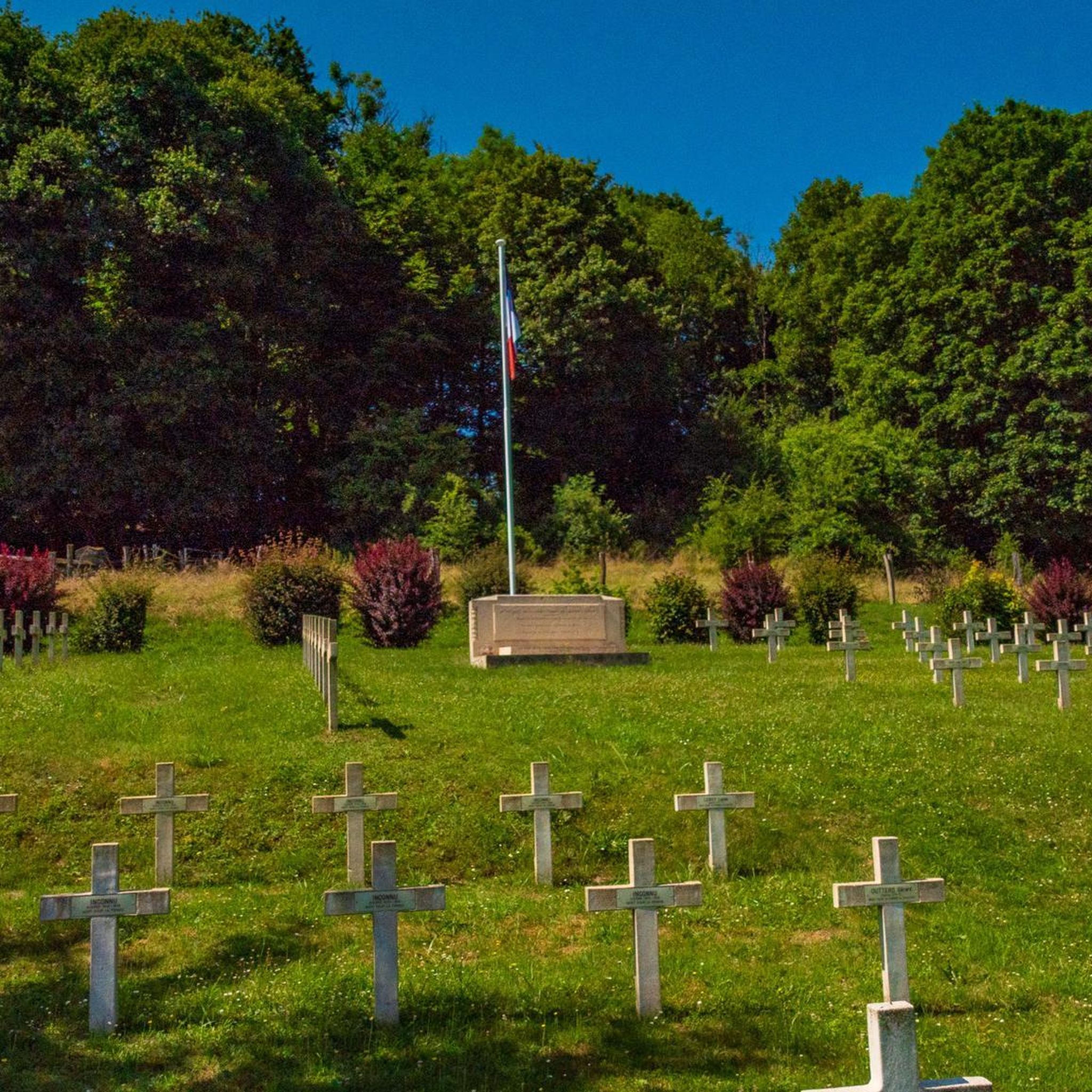
The Tomb of Tavannes Nearly a thousand men died in the tunnel on September 4, 1916. Never forget 💮.
3
0

The Tavannes Tunnel was built between 1873 and 1874. It is a single tunnel, 5 meters wide and 1,196 meters long. The second tunnel, built in 1936, is the only one still in use today. Dug shortly after the Franco-Prussian War and 1,400 meters long, this single-track railway tunnel connected Verdun to Metz. Following the annexation of the latter city, the fate of the tunnel worried the military authorities. The report of the April 22, 1881, meeting of the Fortifications Committee states: "The Tavannes Tunnel, whose western end is behind the external works of Verdun, opens onto the Woêvre plain, beyond the Tavannes Fort. It is equipped with three groups of mine furnaces, and it is important that it remain in the hands of the defense until such time as it is deemed appropriate to destroy it. It is for this purpose that it is proposed to organize its eastern head defensively." The project supports two crenellated guardhouses, measuring less than 5.5 × 3.5 m, on either side of the track, against the tunnel. These guardhouses are connected by a short gallery inside the tunnel behind an armored door pierced with four firing loopholes. Between the guardhouses, the track crosses a 5.3 m long and approximately four meter deep jump, covered by "a light bridge that will be removed in time of war." Furthermore, the presence of eight mine furnaces in the center of the tunnel is also mentioned, six on the flank and two in the sky. The advisability of building upper floors of the guardhouses was discussed, and, as usual, money was discussed at length. A letter from Battalion Commander Lerosey of the Verdun Engineers was found in the archives, writing on February 13, 1895, to the general, president of the Technical Engineering Committee: "I have the honor to inform you that the construction of the defensive guardhouses at the eastern head of the Tavannes tunnel, including the gate and the ha-ha bridge (...) was completed (...) in 1883." The Technical Engineering Committee, in its meeting of March 5, 1895, recommended connecting the Tavannes fort to the tunnel by a gallery 160 cm wide by 230 cm high, with a length of 375 m, descending at a gradient of 14 centimeters per meter. The discussions seem to be very close to being concluded, but the information stops there, due to a lack of knowledge of the realization of these intentions. Within the proposals, the parallel with the Montmédy gallery is often mentioned[1].
3
0

Be careful of roots and slopes which could send you swimming in shell holes filled with water during wet weather.
0
0

Very beautiful area known throughout Europe for fly fishing. It includes a 19th century building and small lakes.
0
0

The Etangs du Longeau are a natural site offering many paths around the ponds, where you can enjoy the view of the water, the forest and the fauna.
3
0
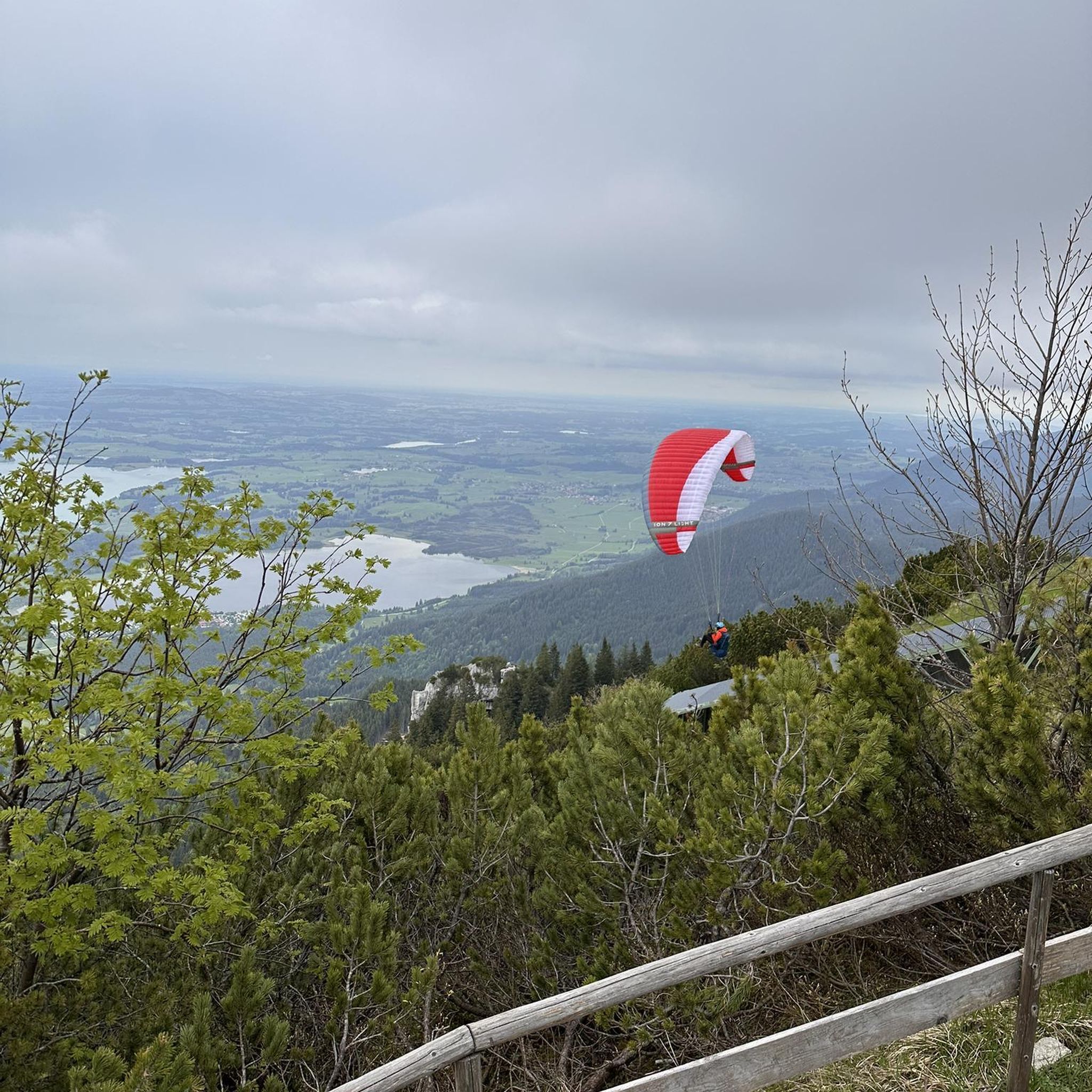
This viewpoint offers a panoramic view of the village of Saint-Maurice-sous-les-Côtes and the surrounding hills and forests. You can access it from the village by following a marked path that climbs the hillside. Along the way, you can appreciate the natural beauty and tranquility of this rural area.
2
0

Remarkable point of view in a remarkable site.
0
0
Frequently Asked Questions
How many mountain bike trails are available in Saint-Remy-La-Calonne?
There are 13 mountain bike trails around Saint-Remy-La-Calonne, offering a diverse range of experiences for different skill levels. These include 2 easy routes, 10 moderate routes, and 1 difficult route.
What is the best time of year to go mountain biking in the Meuse region?
The Meuse region, including Saint-Remy-La-Calonne, is generally best for mountain biking during spring and autumn when the weather is milder and the forest trails are less dusty or muddy. Summer can also be pleasant, especially in the extensive forested areas that provide shade.
Are there easy mountain bike trails suitable for beginners in Saint-Remy-La-Calonne?
Yes, there are easy mountain bike trails perfect for beginners. For example, the Longeau Ponds – View of Thillot loop from Forêt Domaniale de la Montagne is an easy 17.7 km route that takes approximately 1 hour 37 minutes to complete, offering gentle terrain and scenic views.
Where can I find challenging mountain bike routes in Saint-Remy-La-Calonne?
For experienced riders seeking a challenge, the Longeau Ponds – View of Hattonchâtel loop from Deuxnouds-aux-Bois is a difficult 56.1 km route with significant elevation gains, taking around 5 hours 6 minutes to complete. This trail offers expansive views and demanding climbs.
Are there mountain bike routes that feature the Longeau Ponds?
Yes, the Longeau Ponds are a prominent natural feature in the region. You can explore them on routes like the Longeau Ponds – Longeau Ponds loop from Avillers-Sainte-Croix, a moderate 24.4 km trail. The ponds offer scenic views of the water and surrounding forests. You can also visit the Longeau Ponds directly.
Can I find mountain bike trails with historical significance in Saint-Remy-La-Calonne?
Yes, the region has historical importance, particularly related to World War I. The Tavannes Tunnels loop from Haudiomont is a moderate 47.5 km trail that leads through varied terrain including historical sites, offering a blend of physical activity and historical reflection. The ridge of Les Esparges, a site of heavy fighting, is also nearby.
Are there mountain bike trails with good viewpoints in the area?
Many trails in the region offer excellent viewpoints due to the hilly terrain and wooded peaks. The Longeau Ponds – View of Hattonchâtel loop from Deuxnouds-aux-Bois provides expansive views. Additionally, the Tête de Répy, a wooded peak in the Madeleine massif, is known for beautiful views over the Meurthe valley and the Vosges mountains.
Are there any circular mountain bike routes available?
Yes, many of the mountain bike routes in Saint-Remy-La-Calonne are designed as loops. Examples include the Domaine de Sommedieue loop from Mouilly, a moderate 28.2 km trail, and the Tavannes Tunnels loop from Haudiomont.
What natural attractions can I see while mountain biking in Saint-Remy-La-Calonne?
Beyond the extensive forests and hilly terrain, you can visit the tranquil Longeau Ponds, which are featured on several routes. There's also an Observation Path in the Nature Reserve, offering opportunities to enjoy the natural surroundings.
Are there any cultural or historical sites to explore near the trails?
Yes, the region is rich in history. You can visit the Abbaye de l'Étanche, the German Military Cemetery Viéville-sous-les-Côtes, and the Memorial First World War, Les Èsparges the cemetery. These sites offer a chance to combine your ride with historical reflection.
What do other mountain bikers say about the trails in Saint-Remy-La-Calonne?
The mountain bike trails in Saint-Remy-La-Calonne are highly rated by the komoot community, with an average score of 4.4 stars from over 16 reviews. More than 300 mountain bikers have used komoot to explore the varied terrain, often praising the extensive forests and tranquil natural features like the Longeau Ponds.
Most popular routes around Saint-Remy-La-Calonne
Most popular attractions around Saint-Remy-La-Calonne

Get inspired with the komoot mobile app


Explore more
Browse the best MTB trails in other regions.
