Attractions and Places To See around Kœur-La-Grande - Top 20
Best attractions and places to see around Kœur-La-Grande include a variety of historical sites, religious buildings, and natural areas. The region is characterized by its connection to World War I history, with numerous memorials and preserved trenches. Situated near the Meuse river and the Lorraine Regional Nature Park, the area offers diverse landscapes for exploration. The town of Saint-Mihiel, a central point, features an 8th-century Benedictine abbey and Renaissance architecture.
Best attractions and places to see around Kœur-La-Grande
- The most…
Last updated: May 10, 2026
Trench of Thirst and Ailly Wood
Highlight • Historical Site
Translated by Google •
Tip by

Redoutes Cross Memorial
Highlight • Monument
Translated by Google •
Tip by
Sign up now to discover places like this
Get recommendations on the best single tracks, peaks, & plenty of other exciting outdoor places.
Sign up for free
Saint-Mihiel Abbey Church
Highlight • Religious Site
It is one of the jewels of this small town.
Translated by Google •
Tip by

Saint-Mihiel
Highlight • Settlement
Translated by Google •
Tip by

The Roman Camp.
Highlight • Monument
Translated by Google •
Tip by

Sign up for free to discover even more attractions around Kœur-La-Grande.
Sign up for free
Already have an account?
Start today with a free account
Your next adventure awaits.
Login or Signup



Tips from the Community

Very long front lines of trenches; today, the forest has grown back on the other side. During the war, not a single tree remained. It was very impressive how many kilometers of trenches there were in the forest, with shell holes every few meters.
2
0

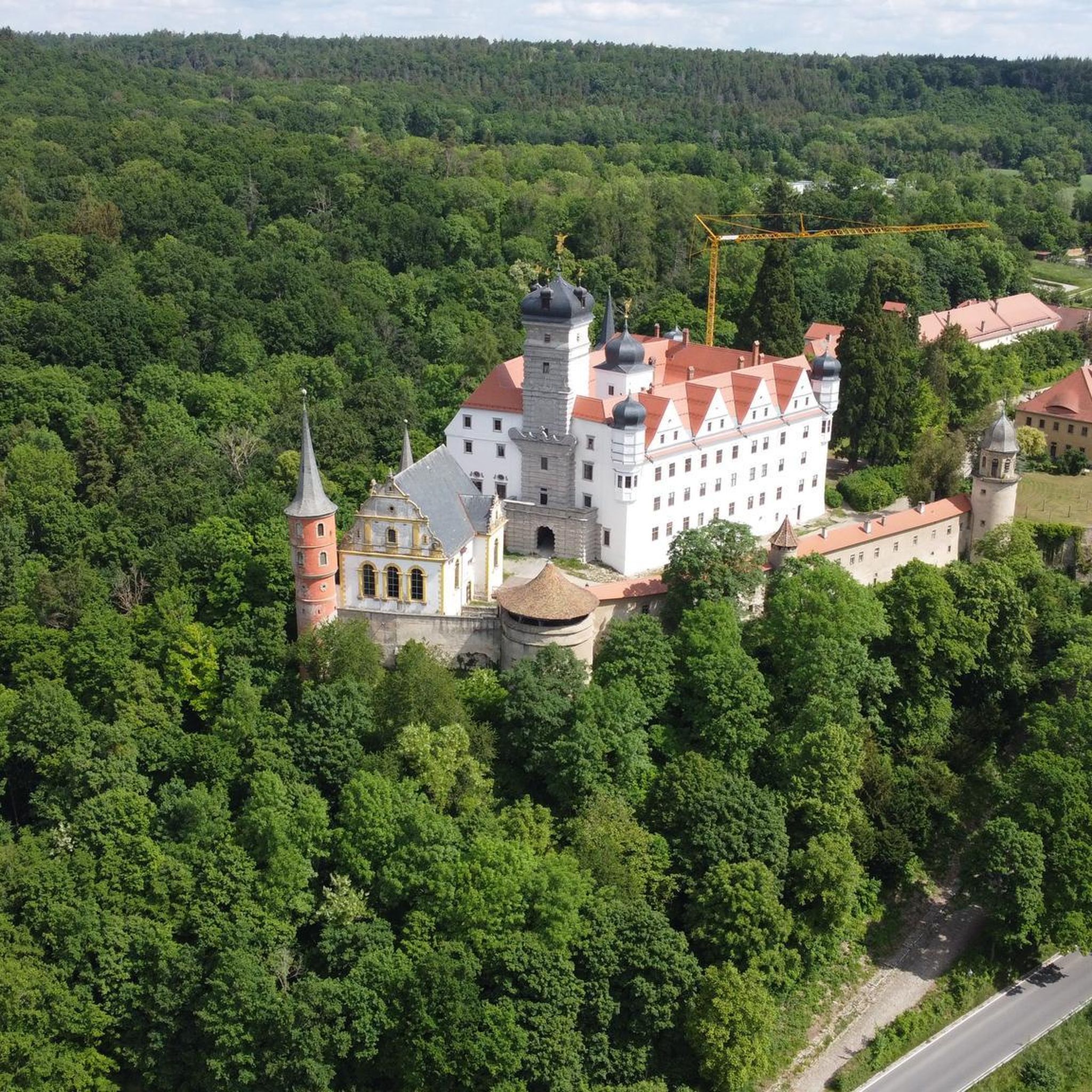
Founded around 708 by Count Wulfoalde, this Benedictine abbey became an important religious and cultural centre in Lorraine. The abbey was under the protection of Charlemagne and flourished under Abbot Smaragdus in the 9th century. Today, you can still visit the abbey church of Saint-Michel, home to the masterpiece La Pâmoison de la Vierge by Ligier Richier. The 18th-century monastery library houses thousands of ancient works and is one of the most beautiful in the region.
7
0
This former abbey church forms the historic heart of Saint-Mihiel. Originally built in the 9th century, it took on its current form during major renovations in the 17th and 18th centuries. Inside, you can admire a magnificent baroque organ (1679–1681), colourful stained glass windows and the masterpiece La Pâmoison de la Vierge by sculptor Ligier Richier. A place where art, history and spirituality come together.
5
0
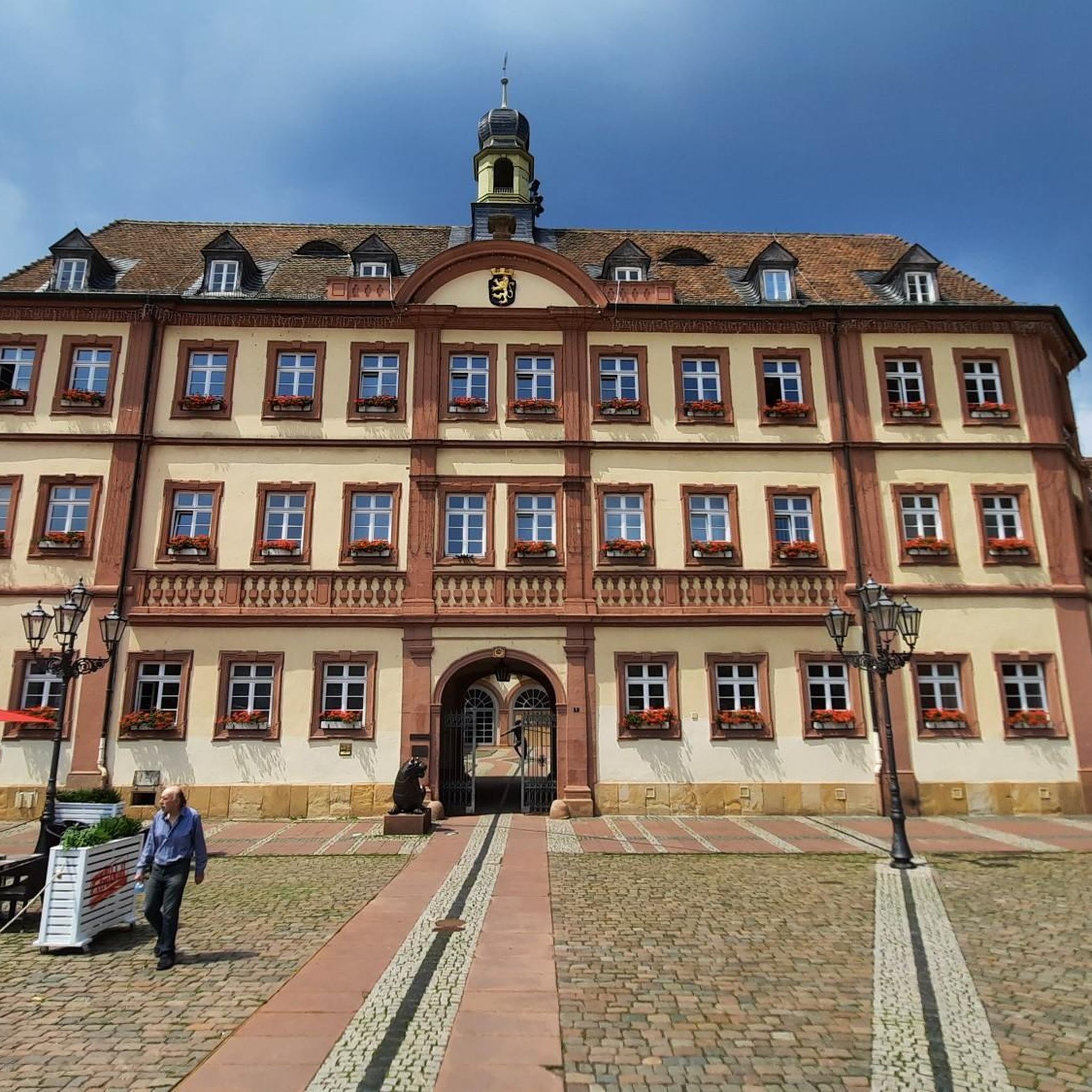
Saint-Mihiel is picturesquely situated on the Meuse, on the edge of the Lorraine Regional Nature Park. The town grew around a Benedictine abbey, founded in the 8th century, and flourished during the Renaissance. Visit the abbey with its impressive library, the Museum of Sacred Art, and the Saint-Michel church. Wander the charming streets, admire the sculptures of Ligier Richier, and taste local specialities such as the “croquets” and “rochers de Saint-Mihiel”. A town full of history, culture and character.
7
2

Saint-Mihiel is one of those towns in the Meuse with a unique charm. You'll discover beautiful Renaissance facades there. Don't miss a detour to the Saint-Étienne church to see its superb Entombment, as well as the former Benedictine abbey, which reveals an impressive 18th-century library.
2
1
The path runs along trenches and past the remains of fortresses.😎
2
0
Good trace, but little interest on the camp of the Romans which is of the Military domain, therefore forbidden to enter the enclosure of the fort of the camp of the Romans, because it is in pitiful state following the war of 14 and its state of abandonment
2
0

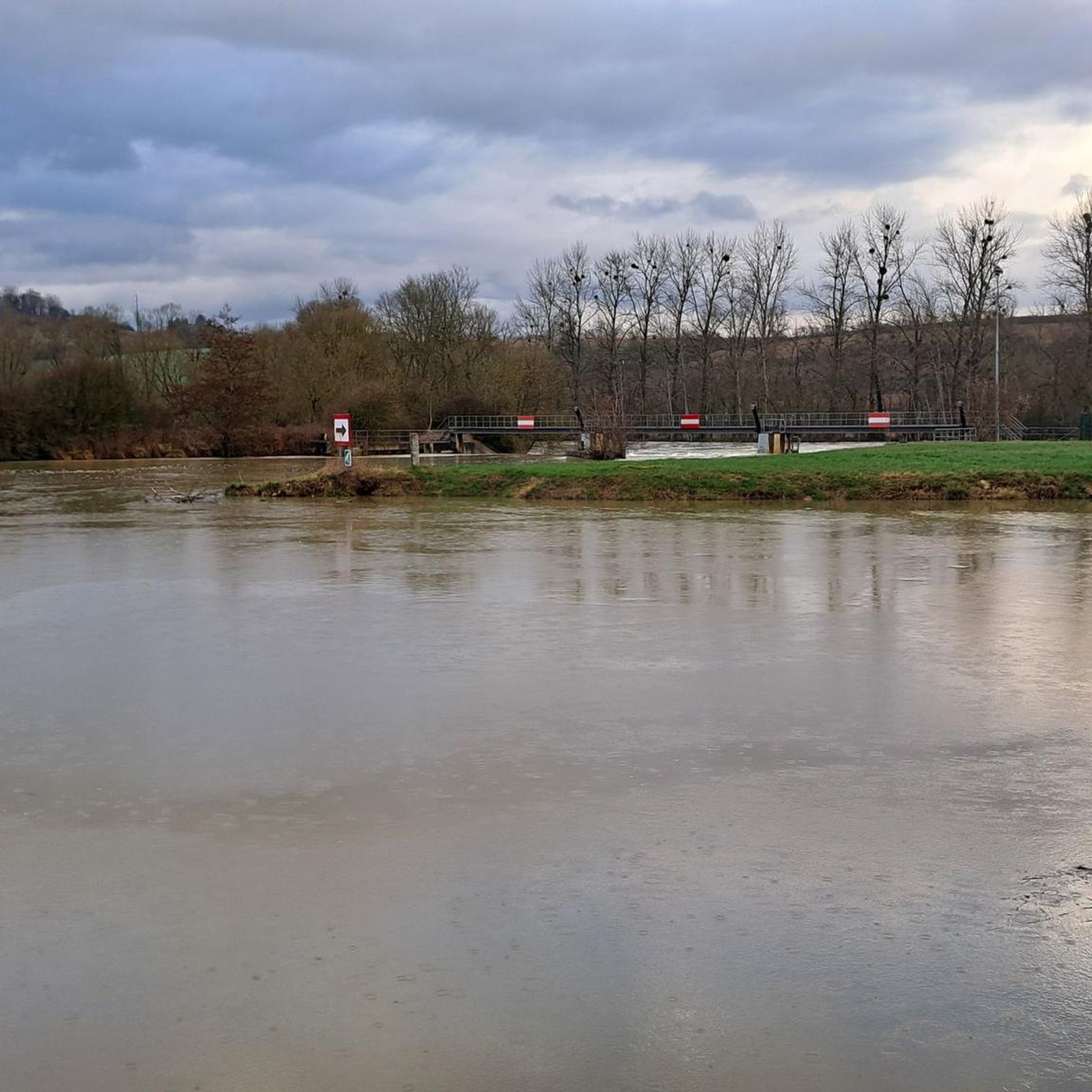
Entry is prohibited (see red sign)!
0
1
Frequently Asked Questions
What historical sites related to World War I can I visit near Kœur-La-Grande?
The region is rich in WWI history. You can explore the Trench of Thirst and Ailly Wood, a site of fierce fighting with preserved trenches and monuments. Another significant spot is the Redoutes Cross Memorial, where you can walk along trenches and gain insight into soldiers' conditions. Additionally, The Roman Camp, though originally a Roman site, later became a military fort heavily impacted during WWI, offering a glimpse into the conflict's scale.
What cultural and architectural highlights does the town of Saint-Mihiel offer?
Saint-Mihiel is known for its beautiful Renaissance facades and historical significance. The town grew around an 8th-century Benedictine abbey. Don't miss the Saint-Mihiel Abbey Church, which features a magnificent baroque organ, colorful stained glass windows, and the masterpiece 'La Pâmoison de la Vierge' by Ligier Richier. The former Benedictine abbey also houses an impressive 18th-century library.
Are there family-friendly attractions around Kœur-La-Grande?
Yes, the Saint-Mihiel Abbey Church is considered family-friendly. Its rich history, beautiful architecture, and artistic treasures can be an engaging experience for all ages. Exploring the historical town of Saint-Mihiel itself, with its charming streets and squares, can also be enjoyable for families.
What kind of natural landscapes can I explore around Kœur-La-Grande?
The region is situated near the Meuse river and borders the Lorraine Regional Nature Park, offering diverse natural landscapes. You can explore forests like Ailly Wood, which is part of the historical Trench of Thirst and Ailly Wood site. These areas provide opportunities for walks amidst nature, often combined with historical exploration.
Are there hiking opportunities near the attractions?
Yes, there are several hiking routes around Kœur-La-Grande. For example, you can find trails like the 'Saphira – Mountains and wonders loop from Rupt-devant-Saint-Mihiel' (moderate, 15.1 km) or the 'Redoutes Cross Memorial – Shelter loop from Saint-Mihiel' (difficult, 21.9 km). You can find more hiking options on the Hiking around Kœur-La-Grande guide.
Can I go cycling around Kœur-La-Grande?
Absolutely. The area offers various cycling routes. Options include the 'Montsec American Memorial – Saint-Mihiel loop from Han-sur-Meuse' (difficult, 41.4 km) or the 'Small Country Road loop from Saint-Mihiel' (moderate, 34.5 km). Discover more routes on the Cycling around Kœur-La-Grande guide.
Are there running trails available in the region?
Yes, Kœur-La-Grande has several running trails. You can try the 'Saint-Mihiel Abbey Church loop from Saint-Mihiel' (moderate, 10.1 km) or the 'Trou du Curé loop from Kœur-la-Grande' (moderate, 13.7 km). For more options, check out the Running Trails around Kœur-La-Grande guide.
What do visitors enjoy most about the historical sites in Kœur-La-Grande?
Visitors often find the WWI historical sites deeply moving and reflective. For instance, at the Redoutes Cross Memorial, people appreciate the opportunity to walk along preserved trenches and gain a strong impression of the conditions soldiers faced. At the Trench of Thirst and Ailly Wood, the sheer scale of what was created to survive and the testimony to the suffering are often highlighted as impressive.
What is the best time of year to visit Kœur-La-Grande for outdoor activities?
The spring and autumn months generally offer the most pleasant weather for outdoor activities like hiking, cycling, and exploring historical sites. Temperatures are milder, and the natural landscapes are vibrant. Summer can also be enjoyable, though it can be warmer, while winter might be suitable for those who enjoy crisp, quiet walks, especially around the historical sites.
Are there any easy hiking trails near Kœur-La-Grande?
Yes, for an easier option, consider the 'Lavoir des Dames. – Aux Taises Riverbank loop from Sampigny', which is rated as easy and covers 7.6 km. This allows for a more relaxed exploration of the area's natural beauty. You can find more details on the Hiking around Kœur-La-Grande guide.
What are some less crowded historical sites to explore in the area?
While popular sites like the Trench of Thirst and Ailly Wood and Redoutes Cross Memorial offer profound experiences, exploring the less-trafficked paths around these larger sites or visiting during off-peak hours can provide a more solitary experience. The historical significance of The Roman Camp, though a military domain, offers a unique historical perspective that might be less frequented than the main WWI memorials.
Most popular routes around Kœur-La-Grande

Get inspired with the komoot mobile app


Explore more
Still not found the Highlight you’re looking for? See guides of the top attractions in other regions:
