The best walks and hikes around Thonne-Les-Près
4.6
(426)
2,251
hikers
172
hikes
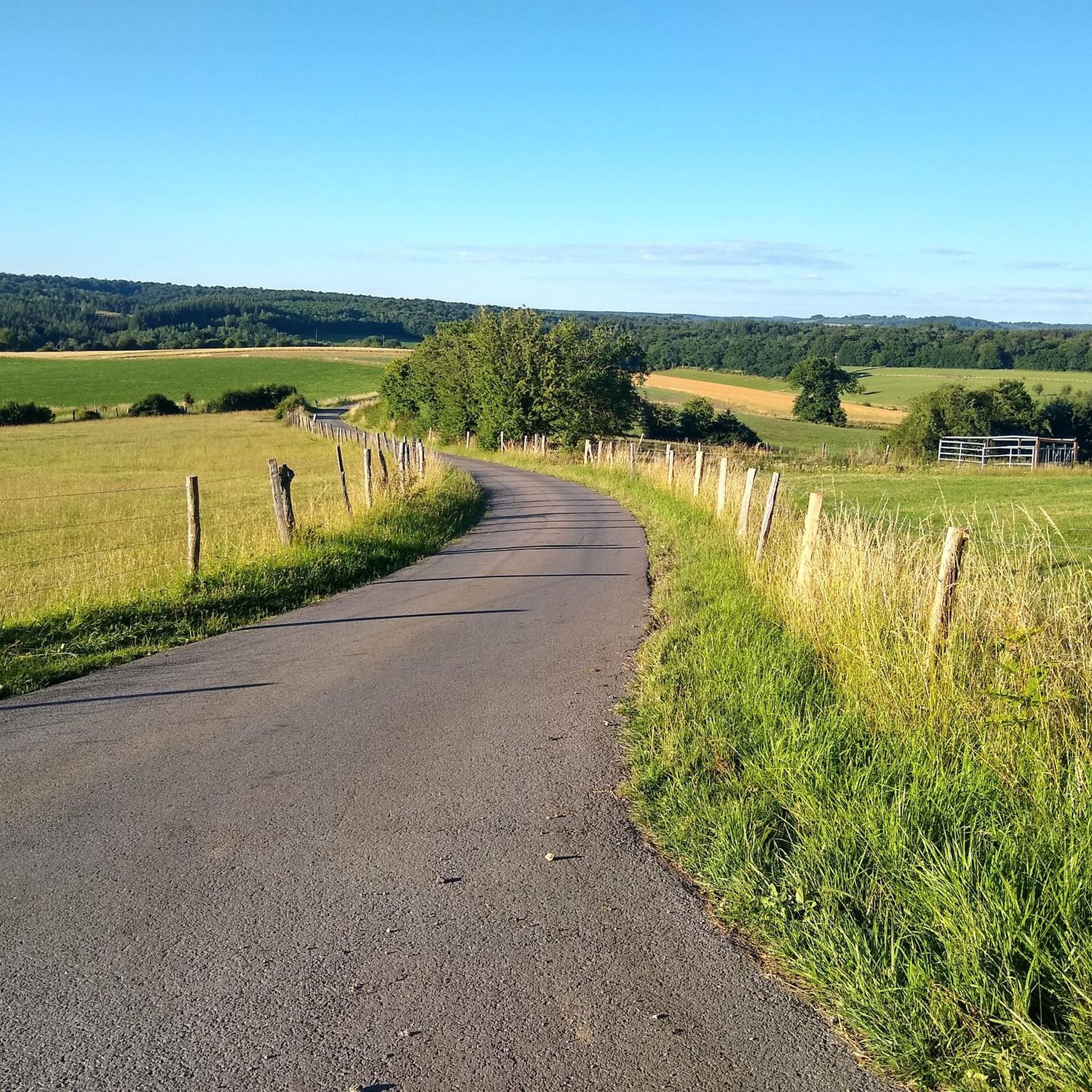
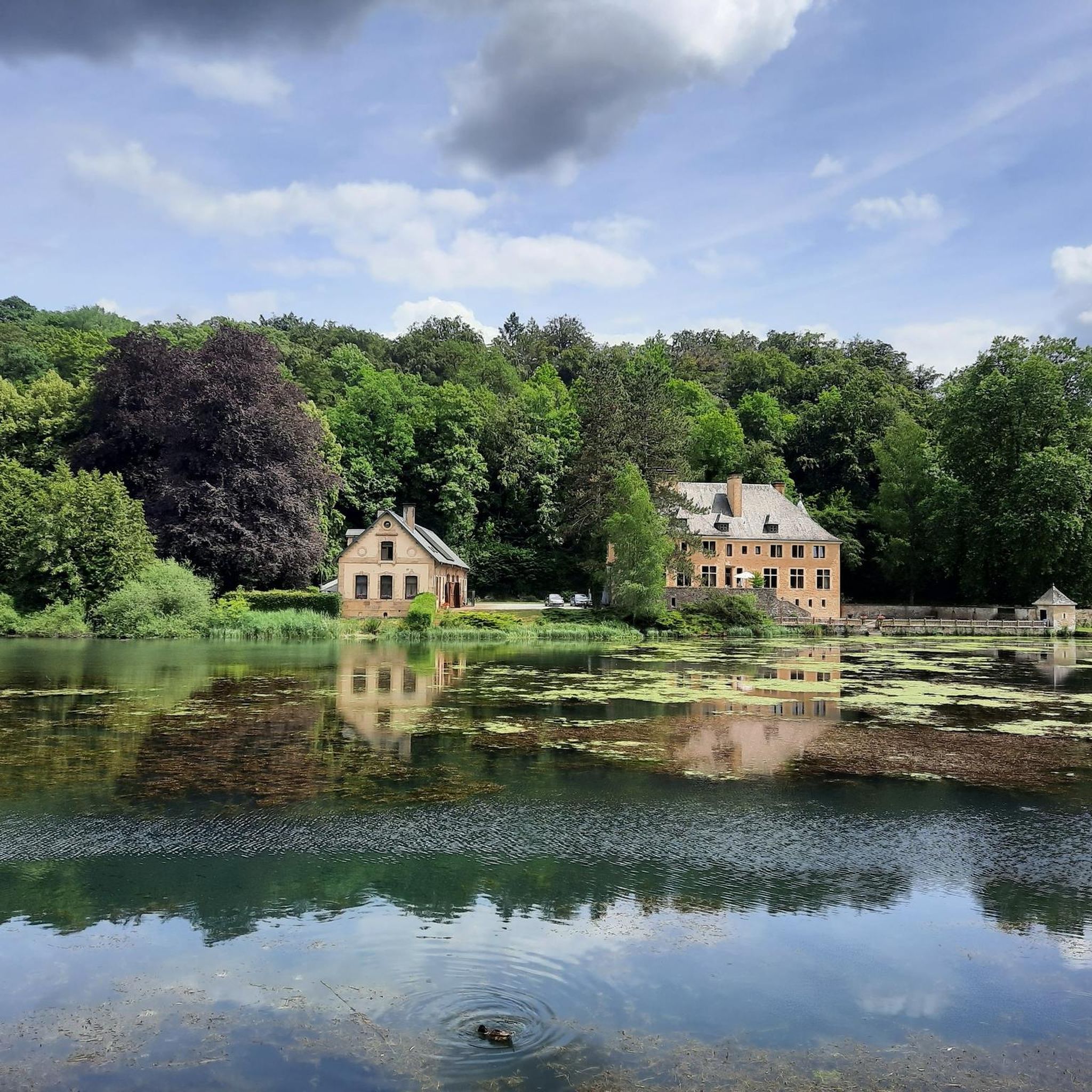
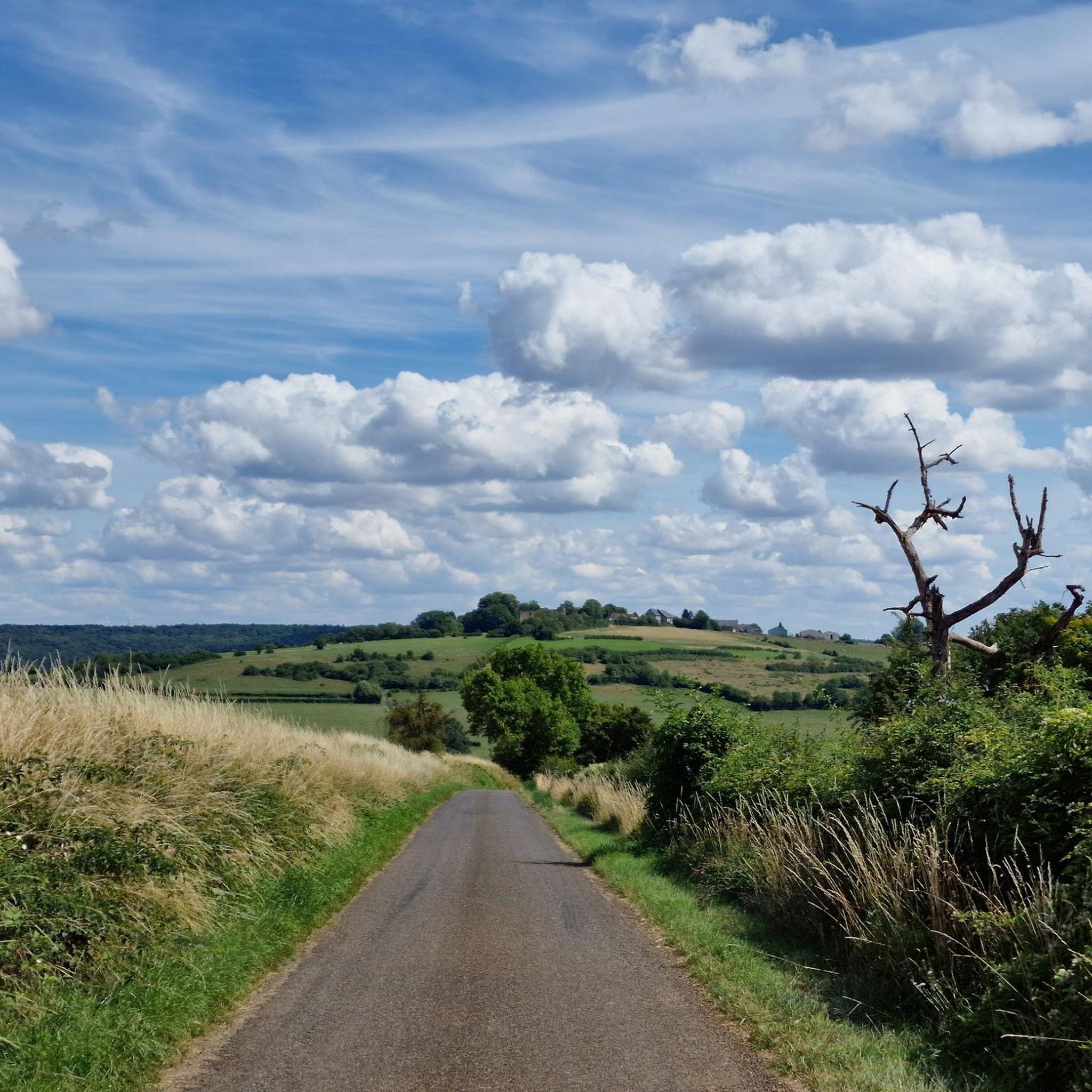
Hiking trails around Thonne-Les-Près traverse a landscape characterized by the scenic river La Thonne, leafy forests, and flowering meadows. The region, nestled in France's Grand Est, features varied terrain including valleys like the Chiers and Meuse, offering diverse natural environments. Historical sites such as the Citadelle de Montmédy are integrated into the hiking experience, providing both cultural interest and elevated viewpoints. The area's topography includes gentle hills and riverine paths, suitable for various outdoor activities.
Best hiking trails around Thonne-Les-Près
…Last updated: July 5, 2026
4.5
(2)
10
hikers
3.25km
00:58
110m
110m
Easy hike. Great for any fitness level. Easily-accessible paths. Suitable for all skill levels.
4.2
(9)
47
hikers
14.3km
03:57
240m
240m
Moderate hike. Good fitness required. Easily-accessible paths. Suitable for all skill levels.

Sign up for free
4.8
(5)
16
hikers
12.9km
03:47
370m
370m
Moderate hike. Good fitness required. Easily-accessible paths. Suitable for all skill levels.
4.7
(3)
16
hikers
4.33km
01:13
90m
90m
Easy hike. Great for any fitness level. Easily-accessible paths. Suitable for all skill levels.
5.0
(1)
17
hikers
8.07km
02:15
160m
160m
Moderate hike. Good fitness required. Easily-accessible paths. Suitable for all skill levels.
Get access to more routes and recommendations from other explorers.
Sign up for free
Already have an account?
Our route recommendations are based on thousands of hikes, rides, and runs completed by other people on komoot.
Start today with a free account
Your next adventure awaits.
Login or Signup


Tips from the Community

You can walk all the way around the ramparts. We found it unique and impressive. The museum was also interesting.
0
0

Magnificent citadel to visit absolutely!
0
0

The Saint-Martin de Montmédy church is the church of the Saint-Martin parish in the upper town of Montmédy. The church we see today is not the first to be built on this location. Indeed, a sanctuary surrounded by a cemetery would have been present in the upper part of Montmédy as early as the 11th century. Its origins are rather vague, but historians are certain that from 1156 there was a religious building on the site of the current church2. This monument was quite small and had a single, quite slender tower. According to several old plans of Montmédy, researchers can confirm that it occupied approximately the location between the interior pillars of the current building3. In the 18th century, when Vauban strengthened the fortifications, the rear of the church was shortened to allow the widening of the adjacent rampart. The current church was built on the foundations of a more modest church that probably dates from the 12th century.
0
0
Cast iron statue of Joan of Arc in Thonne les près just past the railway bridge at the intersection of rue de Thonne and the D110. Benches to rest at the statue
0
0

The Saint-Martin church in Montmédy is a majestic church which dominates the Montmédy citadel. You can admire its symmetrical facade with two square towers, its richly decorated altar with a half-canopy, and its statue of the Virgin and Child dating from the 14th century. You can also enjoy the sound of the restored organ, which dates from the late 17th century and had not been played for almost a century. The church is also a cultural space which hosts exhibitions, conferences and concerts. It is a mecca for hiking that will impress you with its beauty and charm.
2
0

A Montmédy washhouse dated 1853 a freestone construction
6
0
Cast iron statue of Joan of Arc as a virgin warrior in armor, standing with her right hand on her heart and with her left hand she holds a banner next to her heart. Her helmet is on the floor next to her right foot. This is model no. 87 of the Vaucouleurs factory: 'Jeanne d'Arc au sacre tenant son étendard' (Jeanne d'Arc at the coronation with her banner).
5
0
Built between 1753 and 1757, the Saint-Martin church dominates the ramparts of the citadel of Montmédy, renovated by Vauban. This stone building is located on the site of an ancient shrine of which only the chapel of Malandry remains. Bulky, ideal for the large military site it is next to. The classical architecture is specific to the churches of fortified towns, highlighting two imposing square bell towers, as well as a style of remarkable finesse that invites visits. The bronze bell cast in 1558 is one of fifty in the Meuse dating from before the Revolution. On the facade, the remains of the coat of arms of Albert de Meuldre, abbot of Orval, hammered during the Revolution, are a reminder that the church was largely financed by the powerful Cistercian abbey. Inside the nave there is always a canopy above the choir. You can also admire a 17th century painting of Flemish inspiration, depicting the adoration of the shepherds in Bethlehem, and a statue: Virgin and Child from the 14th century. The organ with specific technical details was restored by an association and inaugurated in October 2013. The instrument had not sounded for 97 years!
3
0
Frequently Asked Questions
How many hiking trails are available around Thonne-Les-Près?
Thonne-Les-Près offers a wide variety of hiking opportunities, with over 150 routes recorded on komoot. These trails cater to all levels, including 46 easy, 83 moderate, and 25 difficult options, ensuring there's a path for every hiker.
What kind of landscapes can I expect to see while hiking in Thonne-Les-Près?
The region is characterized by picturesque landscapes, including tranquil settings, leafy forests, and flowering meadows. You'll find trails leading through river valleys like the Chiers and Meuse, offering diverse natural environments and opportunities to spot local wildlife such as deer and foxes.
Are there any family-friendly hiking routes in Thonne-Les-Près?
Yes, there are numerous easy routes suitable for families. For instance, the Citadelle de Montmédy — loop is an easy 3.2 km trail that takes about an hour to complete, offering views of the historic fortress. Another gentle option is the Citadel of Montmédy – Fountain loop from Montmédy, which is 3.0 km long.
What historical sites or landmarks can I explore on a hike?
Thonne-Les-Près and its surroundings are rich in history. You can hike to the impressive Citadel of Montmédy, a historic fortress offering superb views. Other notable sites include the Ruins of Montquintin Castle and the Basilica of Our Lady of Avioth. The Saint Martin's Church – Montmédy Washhouse loop from Montmédy is a moderate route that explores several historical landmarks.
Are there any circular hiking routes available?
Yes, many routes in the area are circular, allowing you to start and end at the same point. Examples include the easy Citadelle de Montmédy — loop and the moderate Citadel of Montmédy – Saint Martin's Church loop from Montmédy, which offers a longer exploration of the area.
What do other hikers say about the trails in Thonne-Les-Près?
The trails around Thonne-Les-Près are highly regarded by the komoot community, boasting an average rating of 4.6 stars from over 360 reviews. More than 2000 hikers have used komoot to explore the varied terrain, often praising the scenic beauty and well-maintained paths.
Are there any viewpoints with panoramic vistas?
Absolutely. The region is known for its elevated viewpoints. The Mont Saint-Walfroy offers panoramic vistas of the Meuse valley and its surrounding forests. Additionally, the 'Sentier du Coteau' trail, situated on one of the surrounding heights, provides breathtaking views over valleys, including the Chiers valley.
Can I find longer, more challenging hikes in the area?
Yes, for those seeking a greater challenge, there are 25 difficult routes available. The Saint Martin's Church – Montmédy Washhouse loop from Montmédy is a moderate 14.3 km path that explores varied landscapes and historical sites, providing a longer and more demanding experience.
Is there a regional natural park nearby for extensive hiking?
Yes, the Lorraine Regional Natural Park is an ideal territory for hiking, offering over 500 km of groomed trails. It includes long-distance routes (GR5) and shorter walks, renowned for its rich natural and cultural heritage. You can find more information about hiking in the park here.
What kind of natural features can I expect to encounter on the trails?
Beyond the forests and meadows, you'll find the scenic river La Thonne traversing the village. The region also features gentle hills and riverine paths. Keep an eye out for diverse local plant species and wildlife like deer and foxes in their natural habitat.
Are there any castles or ruins to visit while hiking?
Yes, the area is dotted with historical castles and ruins. Besides the prominent Citadel of Montmédy, you can explore the Ruins of Montquintin Castle, perched on a hill overlooking the Ton valley. There's also the Château de la Grande Flassigny nearby.
What is the best time of year to go hiking in Thonne-Les-Près?
The region's 'leafy forests and flowering meadows' suggest spring and autumn are particularly beautiful for hiking, with vibrant foliage and pleasant temperatures. Summer also offers good conditions, though some trails might be more exposed. Winter hikes are possible, but conditions can vary.
Most popular routes around Thonne-Les-Près
Most popular attractions around Thonne-Les-Près

Get inspired with the komoot mobile app


Explore more
Browse the best Hikes in other regions.
