Attractions and Places To See around Herméville-En-Woëvre - Top 20
Best attractions and places to see around Herméville-En-Woëvre center on its profound World War I history and natural landscapes. This commune in the Meuse department of France offers a poignant glimpse into the conflict, with sites reflecting its significant past. The area features historical landmarks, WWI remains, and tranquil natural settings like the Wood of Herméville. Its proximity to Verdun also provides access to a rich array of WWI cultural and historical sites.
Best attractions and places to see around…
Last updated: May 11, 2026
Fort de Vaux
Highlight • Historical Site
Translated by Google •
Tip by

Vaux Pond
Highlight • Lake
Translated by Google •
Tip by

Sign up now to discover places like this
Get recommendations on the best single tracks, peaks, & plenty of other exciting outdoor places.
Sign up for free
Tunnel Battery
Highlight • Monument
Translated by Google •
Tip by

Amel Pond Observatory
Highlight • Other
Translated by Google •
Tip by

Vaux-Devant-Damloup
Highlight • Settlement
Translated by Google •
Tip by

Sign up for free to discover even more attractions around Herméville-En-Woëvre.
Sign up for free
Already have an account?
Start today with a free account
Your next adventure awaits.
Login or Signup



Tips from the Community

🔭 **Observatoire de l’Étang d’Amel – Nature Observation at the Pond** At the Étang d’Amel, there is a wooden observation post from which wildlife can be observed undisturbed. Waterfowl such as herons, ducks, and geese are particularly easy to spot here – depending on the season, even with their young. 🌾 The platform is sheltered from the wind, offers information panels about the regional fauna, and is idyllically situated among reeds, trees, and riparian grass. **Tip:** Bring binoculars! The chances of spotting birds are particularly good in the early morning or late afternoon. Ideal for nature lovers and families.
0
0

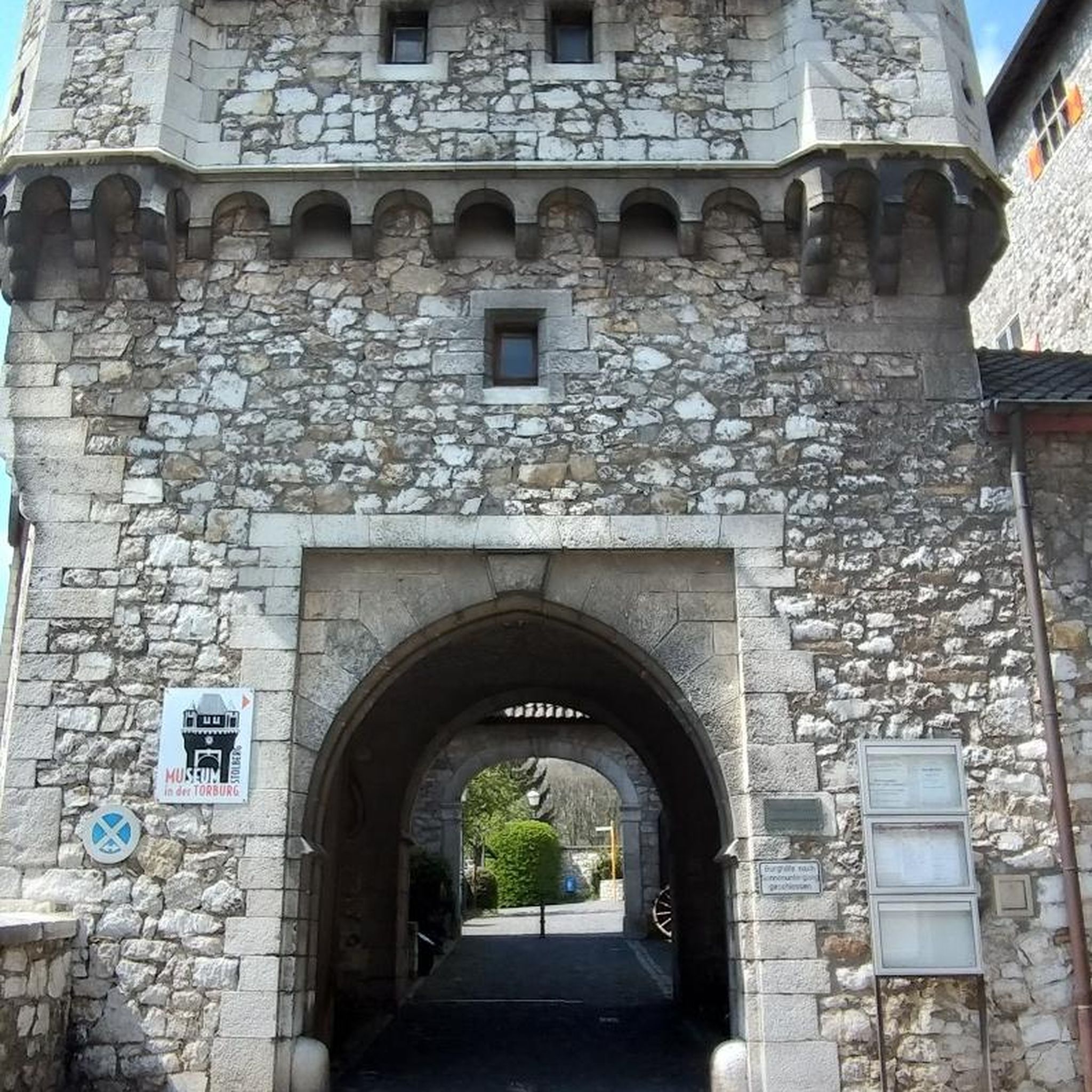
Built in 1881 above the Tunnel de Tavannes to reinforce the inner defensive belt of Verdun. The battery had three firing platforms and a traverse shelter, and was originally armed with two 220 mm mortars and one 22 cm smoothbore mortar. In 1900 it was disarmed and reused during the Battle of Verdun (1916) as an ammunition depot and shelter for troops. The traverse shelter is the best preserved element visible today.
9
0

A very nice walk starting from my charming village
0
0

This spot is the perfect place to travel back in time. From the beginning of the Battle of Verdun, Fort de Vaux was one of the priority targets of the German offensive. In early March 1916, the Germans came within a few hundred metres of the fort and began a siege that lasted 100 days. Inside the fort, under a barrage of artillery fire, resistance was organised despite the lack of food and water. On 1 June 1916, the Germans reached the fort: the French garrison, isolated and without outside support, fought a week of heroic fighting inside the fort before being defeated by exhaustion. Triggered? Buy a combined ticket and immerse yourself in the history of this episode in the war of 14-18 with a visit to Fort de Vaux. The tour gives an insight into the daily living conditions of the besieged soldiers in the heart of the fort. A must-see for any history buff.
4
0
Small pond near the ruined village of Vaux devant Damloup, at the confluence of the Fausse-Côte, Bazil and Fontaines gorges. It was the centre of the fighting in March and April 1916. Nearby is a monument in memory of the aviator Guy Dussumier-Latour, who was shot down on 2 June 1916. Source: Tourism Verdun
5
0
As the starting point of the Battle of Verdun, the fort of Vaux remains one of the symbols of soldiers inspired by a sense of duty. A visit to the fort tells the admirable story of commander Raynal and his men. Besieged for 7 days, they fought, mercilessly, until they were overcome by thirst. Triggered? Read the full story at https://www.landofmemory.eu/nl/sites-historiques/fort-vaux/
5
0
Batterie du Tunnel is a silent witness to the Great War. You can easily park at this location and explore the war past in the immediate vicinity. Information about battery 8-6: This battery with three guns was built in 1881 on top of the Tavannes tunnel and had three firing platforms and a shelter. During the Battle of Verdun, the battery was not rearmed, but served as an ammunition depot and as a shelter for the troops. This battery is the only remnant in the immediate vicinity that can still be entered safely. More information can be found on site.
7
1

Peaceful place, ideal for a short break.
2
0
Frequently Asked Questions
What historical sites related to World War I can I visit around Herméville-en-Woëvre?
The region is rich in WWI history. You can explore the Fort de Vaux, a crucial site during the Battle of Verdun, and the Tunnel Battery, which served as an ammunition depot and troop shelter. The Fort de Souville also played a significant role. Additionally, the Wood of Herméville itself holds historical importance with traces of French encampments and the site of a 1915 naval cannon.
Are there any natural attractions or places for wildlife observation?
Yes, the Amel Pond Observatory is an excellent spot for nature and wildlife enthusiasts. You can observe various bird species and other wildlife without disturbing them in this tranquil wetland habitat. The Wood of Herméville also offers a natural setting for peaceful walks.
What is the significance of the Wood of Herméville?
The Wood of Herméville is a significant historical landmark from WWI. It features a signposted route where you can see traces of French encampments, information boards, and a restored 140 mm naval cannon with its carriage. An observation post built into a large oak tree, used to identify targets, is still visible. Beyond its historical importance, it's also a tranquil natural site.
Can I visit any WWI forts or defensive structures?
Absolutely. You can visit the Fort de Vaux, which was heavily contested during the Battle of Verdun. Another key site is the Tunnel Battery, an 1881 structure that reinforced Verdun's defensive belt and served as an ammunition depot. The Fort de Souville, built between 1876 and 1879, also played a crucial role in the Battle of Verdun and features an underground shelter.
Are there any destroyed villages from WWI that I can visit?
Yes, Vaux-Devant-Damloup is one of the villages completely destroyed during the Battle of Verdun in 1916. While the original village was not rebuilt, a new settlement was established nearby, and it serves as a poignant reminder of the war's impact on the landscape and communities.
What outdoor activities are available near Herméville-en-Woëvre?
The area offers various outdoor activities. You can find numerous routes for hiking, running, and road cycling. These routes often pass through historical sites and natural landscapes, providing a blend of activity and exploration.
Are there hiking trails suitable for different skill levels?
Yes, there are hiking trails for various skill levels. For example, the 'Hiking loop from Watronville' is rated as easy, while others like 'Étang de la Pochie loop from Fresnes-en-Woëvre' are moderate. You can explore more options and details on the hiking guide page.
What do visitors enjoy most about the attractions in this region?
Visitors particularly appreciate the profound historical significance of the WWI sites, offering a poignant glimpse into the conflict. The tranquility of natural areas like the Amel Pond Observatory for wildlife viewing is also highly valued. The blend of historical exploration and peaceful natural settings makes the region appealing.
Are there any family-friendly attractions?
The Amel Pond Observatory is ideal for families, offering a chance to observe birds and wildlife in a calm environment. Bringing binoculars is recommended for a better experience. Exploring the signposted historical routes in the Wood of Herméville can also be an educational outdoor activity for older children.
What should I be aware of when visiting WWI sites like Fort de Vaux?
When visiting historical sites like the Fort de Vaux and its surrounding grounds, it's crucial to stay on marked paths and trails. There is a serious danger of encountering unexploded ordnance (duds or live ammunition) if you venture off the designated routes. Informative explanations in several languages are available at the fort.
Is the region around Herméville-en-Woëvre part of any UNESCO World Heritage sites?
The broader region of the Meuse department, particularly around Verdun, contains numerous funerary and memory sites of the First World War. While Herméville-en-Woëvre itself is not specifically listed, many of these sites contribute to the 'Frontiers of the Roman Empire – The Danube Limes (WWI sites)' which is a UNESCO World Heritage site. You can find more information on the UNESCO website.
What kind of cycling routes are available?
You can find various road cycling routes, ranging from easy to moderate difficulty. Examples include the 'Monthairons Castle – Domaine de Sommedieue loop from Étain' and the 'Verdun Memorial – Douaumont Ossuary loop from Étain'. These routes allow you to explore the scenic landscapes and historical areas by bike. More details are available on the road cycling guide page.
Most popular routes around Herméville-En-Woëvre

Get inspired with the komoot mobile app


Explore more
Still not found the Highlight you’re looking for? See guides of the top attractions in other regions:
