Attractions and Places To See around Juvigny-Sur-Loison - Top 20
Best attractions and places to see around Juvigny-Sur-Loison include a blend of historical sites, natural beauty, and cultural experiences. This village in the Meuse department of France is situated along the Loison River, offering various hiking and walking paths. Its proximity to Belgium and Luxembourg also provides opportunities for wider exploration of significant landmarks. The area features both local historical points of interest and notable regional attractions.
Best attractions and places to see around Juvigny-Sur-Loison
- The most popular attractions is…
Last updated: July 15, 2026
Torgny Village
Highlight • Settlement
Translated by Google •
Tip by

Basilica of Our Lady of Avioth
Highlight • Religious Site
Translated by Google •
Tip by

Sign up now to discover places like this
Get recommendations on the best single tracks, peaks, & plenty of other exciting outdoor places.
Sign up for free
Citadel of Montmédy
Highlight • Settlement
Translated by Google •
Tip by

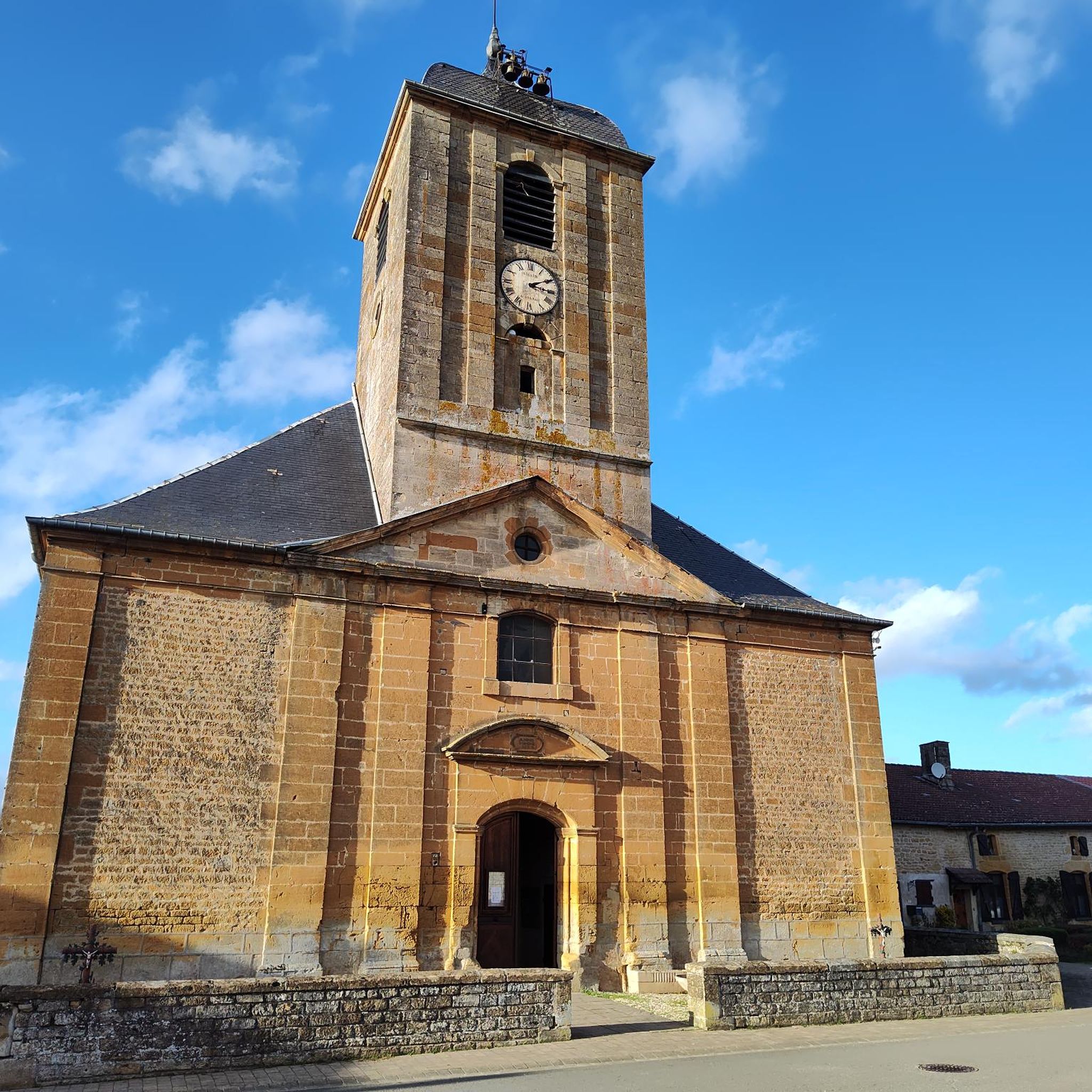
Saint Martin's Church
Highlight • Religious Site
Translated by Google •
Tip by
Fresco tribute to the soldiers of 14-18
Highlight • Structure
Translated by Google •
Tip by
Sign up for free to discover even more attractions around Juvigny-Sur-Loison.
Sign up for free
Already have an account?
Start today with a free account
Your next adventure awaits.
Login or Signup

Tips from the Community

You can walk all the way around the ramparts. We found it unique and impressive. The museum was also interesting.
0
0

Built in the 14th century, the Avioth Basilica is distinguished by its rich Gothic-style decorations. It is also called the Cathedral of the Fields because of its natural setting.
0
0

Magnificent citadel to visit absolutely!
0
0

On the edge of a wooded massif, where the climate is favorable for growing wine, lies Torgny, Belgium's southernmost village. The houses here, built of yellow sandstone with Roman roof tiles, are striking, lending a Mediterranean flair. A truly beautiful sight. No wonder this place is considered one of the most beautiful villages in Wallonia.
1
0
PLEASE NOTE: on this - beautiful - circuit, after the village of Alondrelle, the path as mentioned on this circuit has become impassable between the meadows. If you go further, from the entrance to the woods towards Torgny, the path is not very suitable for vehicles or even almost impassable by bike if it has rained a lot! A mountain bike is essential!
0
0

Stately Basilica in a tiny village with only 200 inhabitants, The restaurant opposite the Basilica is highly recommended, reservations required!
2
0

The fresco tribute to the fighters of 14-18 Behind the war memorial, the artist Éléonore Giraud created a gigantic fresco with images of the fighters, human and animal, from the 1914-1918 war. This fresco was unveiled on November 11, during the commemoration of the 1918 armistice.
0
0
The Saint-Martin de Montmédy church is the church of the Saint-Martin parish in the upper town of Montmédy. The church we see today is not the first to be built on this location. Indeed, a sanctuary surrounded by a cemetery would have been present in the upper part of Montmédy as early as the 11th century. Its origins are rather vague, but historians are certain that from 1156 there was a religious building on the site of the current church2. This monument was quite small and had a single, quite slender tower. According to several old plans of Montmédy, researchers can confirm that it occupied approximately the location between the interior pillars of the current building3. In the 18th century, when Vauban strengthened the fortifications, the rear of the church was shortened to allow the widening of the adjacent rampart. The current church was built on the foundations of a more modest church that probably dates from the 12th century.
0
0
Frequently Asked Questions
What historical sites can I explore within Juvigny-sur-Loison itself?
In Juvigny-sur-Loison, you can visit the Church of Saint-Denis, built in 1774, which houses relics of Saint Scholastica. Explore the Vestiges of Sainte-Scolastique Abbey, founded in 870, including the hospital building from 1624 and parts of the ancient enclosure wall. Other historical structures include the Former Abbesse's Health House and the Chaplains' House, both dating back to the 17th century, and the Old Flour Mill along the Loison river.
Are there any significant religious sites near Juvigny-sur-Loison?
Yes, a prominent religious site nearby is the Basilica of Our Lady of Avioth, a majestic 15th-century Gothic basilica known as 'the Cathedral of the Fields'. Additionally, the Orval Abbey in Belgium, famous for its Trappist beer, offers a unique cultural and religious experience.
What natural features can I find around Juvigny-sur-Loison?
The Loison River flows through the village, offering a popular spot for fishing. The surrounding area is rich in nature, with various hiking and walking paths that provide views of forests and the river. A notable path between Juvigny and Louppy-sur-Loison offers scenic views and glimpses of old castle ruins.
Are there family-friendly activities available in the area?
For families, the Torgny Village, with its unique architecture and sunny microclimate, is a pleasant visit. The Labyrinthe de Maïs de Montmédy offers seasonal corn maze fun. Many historical sites like the Citadel of Montmédy and the Basilica of Our Lady of Avioth are also considered family-friendly attractions.
What outdoor activities, like hiking or cycling, can I do near Juvigny-sur-Loison?
The region offers numerous opportunities for outdoor activities. You can find various hiking and walking paths directly from Juvigny-sur-Loison. For more structured routes, explore options like the 'View of Juvigny-sur-Loison loop' or the 'Citadel of Montmédy – Fountain loop'. For cycling, there are routes like the 'Torgny – Basilica of Our Lady of Avioth loop'. You can find detailed routes and guides for hiking, gravel biking, and cycling around Juvigny-sur-Loison.
What are some unique cultural experiences near Juvigny-sur-Loison, especially across the border?
Just a short drive into Belgium, you can visit Torgny Village, recognized as one of Wallonia's most beautiful villages, known for its sunny microclimate and vineyards. Another unique experience is visiting Orval Abbey in Belgium, famous for its Trappist beer and monastic life.
Can I visit any castles or fortified structures in the vicinity?
Absolutely. The Citadel of Montmédy is a significant historical landmark, a preserved military fortress improved by Vauban, offering great views and a museum. Additionally, the Château de Louppy-sur-Loison is one of the largest Renaissance castles in Lorraine, and the Fortified Farm and Seigneury of Hugnes is characteristic of strong houses built on plains.
What are some lesser-known historical gems in Juvigny-sur-Loison?
Beyond the main church and abbey ruins, look for the three Lavoirs (Washhouses) in the village, one particularly remarkable for its impluvium roof. The War Memorial also offers a poignant reflection on the village's history, particularly its role in the Great War.
What do visitors particularly enjoy about the attractions near Juvigny-sur-Loison?
Visitors appreciate the blend of historical depth and natural beauty. The unique Mediterranean flair of Torgny Village and the grandeur of the Basilica of Our Lady of Avioth are frequently highlighted. The well-preserved military history and panoramic views from the Citadel of Montmédy also receive high praise.
Is Juvigny-sur-Loison a good base for exploring wider regional history, like WWI sites?
Yes, Juvigny-sur-Loison serves as an excellent base for exploring significant historical sites, especially those related to the Great War. The historic city of Verdun, renowned for its pivotal role in WWI, is approximately 45 km away. Visitors can explore battlefields, Fort Douaumont, the Ossuary, and the World Peace Centre there. The Ouvrage de La Ferté, part of the Maginot Line, also offers insights into 20th-century defense strategies.
What is the best time of year to visit Juvigny-sur-Loison for outdoor activities?
The Meuse region generally experiences pleasant weather for outdoor activities from late spring through early autumn (May to September). This period offers milder temperatures, making it ideal for hiking, cycling, and exploring the natural and historical sites comfortably. Summer months are particularly good for enjoying the Loison River and the various walking paths.
Are there any dog-friendly walking options around Juvigny-sur-Loison?
Many of the natural walking paths and hiking trails around Juvigny-sur-Loison, particularly those along the Loison River and through the surrounding forests, are suitable for walks with dogs. Always ensure your dog is under control and check for any specific local regulations regarding pets in protected areas or historical sites.
Where can I find local food or drink experiences near Juvigny-sur-Loison?
For a unique local experience, visit the Museum of Beer in Stenay, about 15 minutes east of Juvigny, to learn about the history and culture of beer. Across the border in Belgium, Orval Abbey is famous for its Trappist beer, offering a chance to taste and purchase this renowned beverage directly from its source.
Most popular routes around Juvigny-Sur-Loison

Get inspired with the komoot mobile app


Explore more
Still not found the Highlight you’re looking for? See guides of the top attractions in other regions:
