The best road cycling routes around Haroué
4.8
(34)
660
riders
105
rides
Road cycling around Haroué, situated in the Meurthe-et-Moselle department of France, offers routes through the tranquil Madon Valley and the scenic Saintois countryside. The terrain features verdant fields, charming forests, and authentic villages, providing a mix of natural beauty and rural charm. Cyclists can expect gradual slopes, with some paths following the Moselle River. This topography makes the area accessible for various fitness levels.
Best road cycling routes around Haroué
- The most popular road cycling route is Haroué Castle loop…
Last updated: July 15, 2026
5.0
(1)
20
riders
11.4km
00:34
130m
130m
Easy road ride. Great for any fitness level. Mostly well-paved surfaces and easy to ride.
7
riders
45.0km
02:00
460m
460m
Moderate road ride. Good fitness required. Mostly well-paved surfaces and easy to ride.

Sign up for free
5
riders
28.6km
01:18
320m
320m
Moderate road ride. Good fitness required. Mostly well-paved surfaces and easy to ride.
5.0
(1)
4
riders
41.7km
02:03
470m
460m
Moderate road ride. Good fitness required. Some segments of this route may be unpaved and difficult to ride.
5.0
(1)
10
riders
11.5km
00:33
130m
130m
Easy road ride. Great for any fitness level. Mostly well-paved surfaces and easy to ride.
Get access to more routes and recommendations from other explorers.
Sign up for free
Already have an account?
Our route recommendations are based on thousands of hikes, rides, and runs completed by other people on komoot.
Start today with a free account
Your next adventure awaits.
Login or Signup

Tips from the Community

For several centuries, it was the old castle chapel that served as the parish church in Bayon. In 1865, Mgr Charles-Martial ALLEMAND-LAVIGNE, bishop of Nancy and Toul, moved by the advanced state of degradation of the chapel, which was threatening to collapse, urged the parishioners to raise a subscription for the reconstruction of a church worthy of a cantonal capital. It was not until 1879 that this subscription was set up by Abbé MICHEL, parish priest, and raised 101,022 F, distributed as follows: 76,022 F from subscriptions, 15,000 F donated by the church fabric, and 10,000 F by the Commune. The new church being estimated at 153,000 F, the difference was the subject of a subsidy request to the State and the Department. Work began in 1881. The new church was consecrated on September 24, 1884, by Mgr TURINAZ, bishop of Nancy and Toul. It is in the shape of a Latin cross and oriented to the West, opposite the previous church. In the Neo-Renaissance style, the building was designed by Mr. GIGOUT, architect, and built by Mr. JEUDY, contractor. In 1905, 21 years after its consecration, numerous defects were noted which compromised the structural stability of the building. The diagnosis established by the expert appointed by the Commune and the Prefect noted, among other things, the fall of a complete section of cornices onto the square, where children were playing. It also noted that vegetation was taking root and dislodging the stones. The installation of scaffolding to carry out the essential repairs allowed for a deeper diagnosis and revealed the "unheard-of" defects of the building. In October 1918, the sacristy was set on fire, as was part of the choir, where the tiling lifted in places. Cracks appeared in the transept and some plaster panels detached from the vault. In the inter-war period, the church underwent numerous repairs. On June 20, 1940, the church was hit by shell fire. The vault over the choir and the high altar were destroyed. The central vault was damaged. The lighting and the bells were put out of order. The bell tower, particularly targeted, was heavily damaged, as were the clock and the organ. From 1948 onwards, major renovations were financed thanks to "war damages". In 1952, the church was equipped with a sound system and the stained glass windows were restored. The following year, a new altar, designed by Abbé GUÉNAIRE and built by the THOMAS company of Bayon, was installed. In January 2012, following a negative opinion from the district safety commission, the church had to be closed to the public "as long as the stability of the bell tower was not assured". After very significant work was carried out, the building has welcomed the faithful again since May 2015. The Saint Martin church is 44.25 meters long, 18.25 meters wide, and originally housed 520 chairs (390 today). Its height is 15 meters under the vault and 18 meters under the dome. The spire soars to a height of 54 meters. By prefectural decree of March 28, 2012, the Saint-Martin church was entirely listed as a Historical Monument "as a representative example of Neo-Renaissance architecture in Lorraine and of the work of architect Léopold GIGOUT". It houses religious heritage which is also listed in the inventory of Historical Monuments but as "objects": a pietà and three 15th-century statues from the old church, as well as a deposition scene dating from the early 16th century and from the chapel of the Hospital.
0
0

Relatively old bridge over the Moselle.
1
0

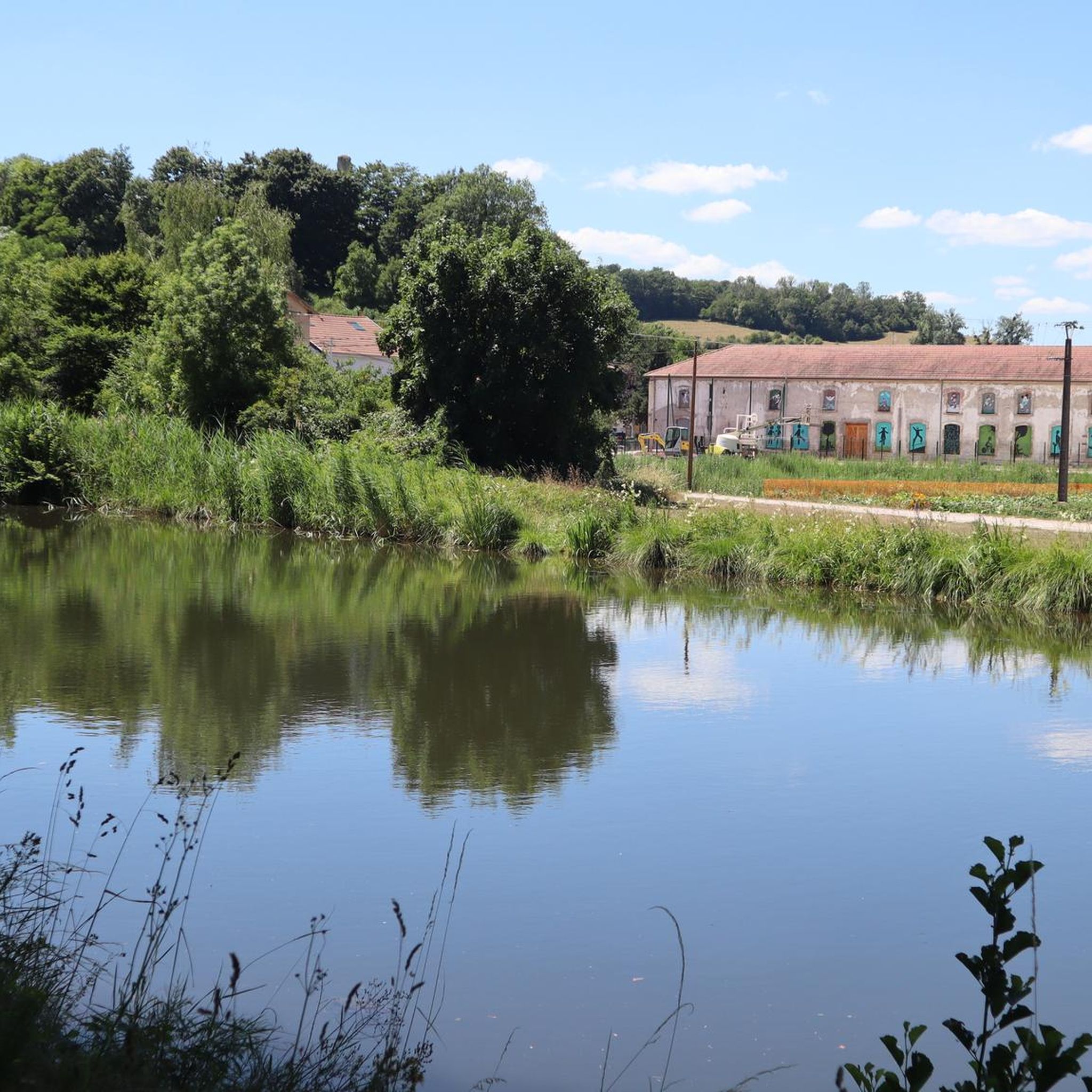
Lock on the Canal des Vosges near Crévéchamps https://canalplan.uk/place/w4v9
2
0

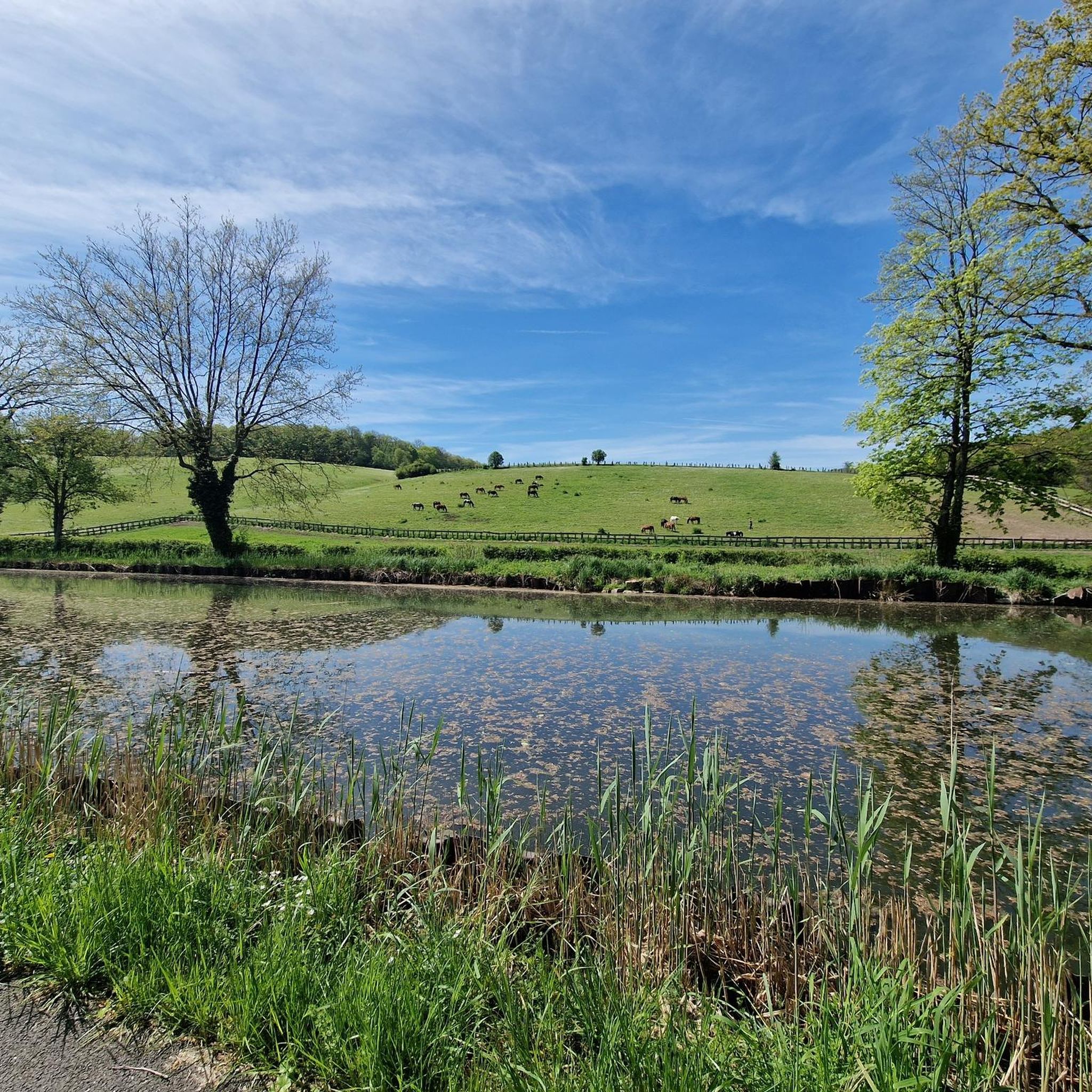
Located along 'the green cycle path' which follows the Canal des Voges and the Moselle
1
0

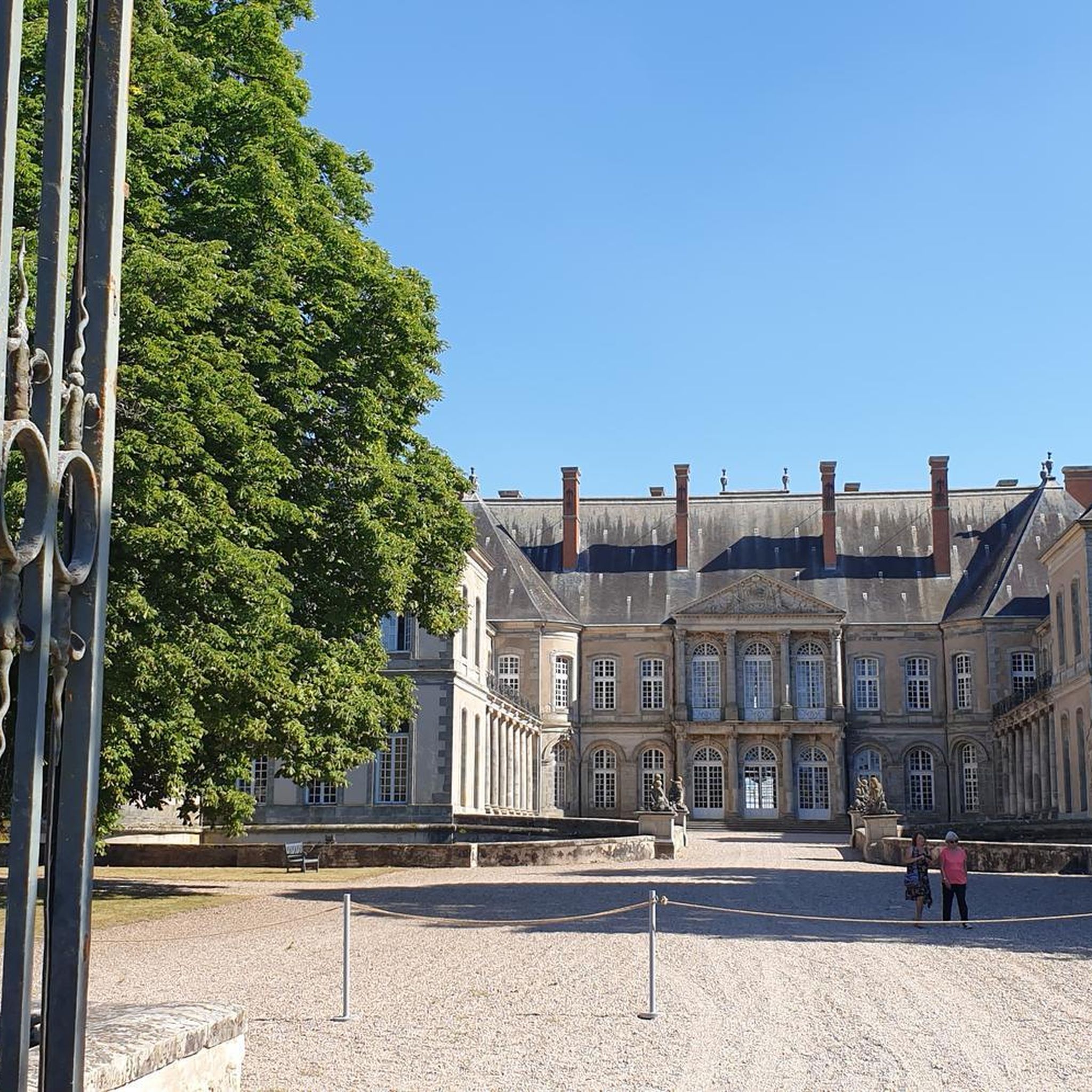
Built between 1720 and 1732, this castle has a moat with 4 bridges. The castle was built around the calendar year, with 365 windows, 52 chimneys and 12 towers!
5
0
Built between 1720 and 1732, this castle has a moat with 4 bridges. The castle was built around the calendar year, with 365 windows, 52 chimneys and 12 towers!
4
0

Magnificent castle in the Lorraine plain. If you ask nicely the person at the reception will fill your cans with a smile.
3
0

A "Loire castle" lost in Lorraine ...
3
0
Frequently Asked Questions
How many road cycling routes are available around Haroué?
There are over 100 road cycling routes around Haroué, offering a diverse range of experiences. These routes cater to various fitness levels, from easy loops to more challenging moderate options.
What kind of terrain can I expect on road cycling routes near Haroué?
The terrain around Haroué is characterized by the tranquil Madon Valley and the scenic Saintois countryside. You'll encounter verdant fields, charming forests, and authentic villages. Routes often feature gradual slopes, making them accessible, with some paths following the Moselle River and canals. The region's focus on cycling tourism means many paths are well-maintained and suitable for road bikes.
Are there road cycling routes suitable for beginners or families in Haroué?
Yes, Haroué offers several routes ideal for beginners and families. Approximately 26 routes are classified as easy. A great option is the Haroué Castle loop from Haroué, a 11.4 km trail that circles the historic Château de Haroué with minimal elevation gain. The broader region also features dedicated, largely flat paths like sections of the Voie Bleue, which are very family-friendly.
Are there any challenging road cycling routes around Haroué?
For those seeking more challenge, Haroué and its surroundings offer moderate routes with more significant elevation changes. An example is the Haroué Castle – Minet Pass (349 m) loop from Greater East, a 54.9 km path that includes a climb to Minet Pass, providing varied terrain and rewarding views. There are also a few routes classified as difficult for advanced cyclists.
What interesting landmarks or attractions can I see along road cycling routes in Haroué?
Many routes around Haroué allow you to combine cycling with sightseeing. A central attraction is the magnificent Château de Haroué, an 18th-century architectural masterpiece. You might also pass by the Gripport Lock, the Flavigny-sur-Moselle Canal Aqueduct, or the serene Ponds of the Saussaie de Bayon, adding cultural and natural beauty to your ride.
Are there circular road cycling routes available in Haroué?
Yes, many of the road cycling routes around Haroué are designed as loops, allowing you to start and end your ride in the same location. Examples include the Haroué Castle loop from Haroué and the longer Halles de Mirecourt – Haroué Castle loop from Greater East, which takes you through rural landscapes.
What do other road cyclists say about the routes in Haroué?
The road cycling routes in Haroué are highly rated by the komoot community, with an average score of 4.7 stars from over 20 reviews. Cyclists often praise the picturesque landscapes, the rural charm of the villages, and the well-maintained paths that make for an enjoyable ride through the Madon Valley and Saintois countryside.
What is the best season for road cycling in Haroué?
The region's verdant fields and charming forests suggest that spring and early autumn would be particularly pleasant for road cycling, offering mild temperatures and beautiful scenery. Summer is also suitable, though it can be warmer. Winter cycling might be possible, but conditions would depend on local weather and road maintenance.
Are there road cycling routes that offer scenic viewpoints or cafe stops?
While specific cafe stops are not detailed for every route, the presence of authentic villages throughout the Madon Valley and Saintois countryside means opportunities for breaks and refreshments are common. Many routes also pass through scenic areas, such as along the Moselle River or through forests, providing picturesque views.
Is there public transport access or parking available for road cyclists in Haroué?
Haroué is well-situated within a region that promotes cycling tourism. While specific public transport links directly to trailheads are not detailed, the area is generally accessible. For parking, Haroué, being a village with a significant attraction like the Château, typically offers parking facilities that cyclists can utilize as a starting point for their rides.
Are there any longer road cycling routes for experienced riders?
Yes, for experienced riders looking for longer distances, routes like the Mirabelle trees in bloom – Route du Xaintois loop from Greater East offer a substantial challenge. This route covers nearly 105 km with significant elevation gain, taking you through varied landscapes and showcasing the region's beauty over a longer duration.
Can I find information about the Château de Haroué online?
Yes, you can find more information about the magnificent Château de Haroué, often called 'Lorraine's little Chambord,' and its beautiful gardens on the local tourism website. For details, you can visit tourisme-meurtheetmoselle.fr.
Most popular attractions around Haroué

Get inspired with the komoot mobile app


Explore more
Browse the best Road cycling routes in other regions.
