The best cycling routes around Saint-Jean-D'Ataux
4.5
(101)
578
riders
82
rides
Touring cycling around Saint-Jean-D'Ataux offers diverse landscapes within the Dordogne department of France. The region features the extensive Forêt de la Double, characterized by oak, chestnut, and pine trees, alongside numerous ponds. While not directly on the main river, the area is part of the broader Dordogne River Valley, known for green wooded hills and patchwork fields. The terrain includes both flat greenways and hilly sections, providing varied cycling experiences.
Best touring cycling routes around Saint-Jean-D'Ataux
- The most popular touring…
Last updated: July 13, 2026
47
riders
53.0km
03:06
300m
300m
Moderate bike ride. Good fitness required. Mostly paved surfaces. Suitable for all skill levels.
3.7
(6)
33
riders
Moderate bike ride. Good fitness required. Mostly paved surfaces. Suitable for all skill levels.

Sign up for free
5.0
(4)
17
riders
Hard bike ride. Very good fitness required. Mostly paved surfaces. Suitable for all skill levels.
4.0
(3)
8
riders
46.6km
02:49
340m
340m
Moderate bike ride. Good fitness required. Mostly paved surfaces. Suitable for all skill levels.
12
riders
48.1km
03:04
580m
580m
Hard bike ride. Very good fitness required. Mostly paved surfaces. Suitable for all skill levels.
Get access to more routes and recommendations from other explorers.
Sign up for free
Already have an account?
Our route recommendations are based on thousands of hikes, rides, and runs completed by other people on komoot.
Start today with a free account
Your next adventure awaits.
Login or Signup



Tips from the Community

The Saint-Firmin de Jaure church, built in the 12th century, presents a fascinating blend of Romanesque and Gothic architecture, the result of numerous alterations over the centuries. Partially destroyed in 1376 during the siege of Grignols, it was restored in the 16th century, notably with the opening of side chapels, one of which was topped with a defensive chamber. Its bell tower was remodeled in the 17th century, while the interior is richly decorated with paintings dating from the 17th and 18th centuries, with coats of arms and historical motifs. The church has been listed in the supplementary inventory of historical monuments since 1984.
0
0
Villamblard is a village with a rich past spanning over 2,000 years, with traces of occupation dating back to prehistoric times and a proven Gallo-Roman presence. The jewel of the village is undoubtedly the 12th-century Château de Barrière, whose ruins bear witness to a turbulent past marked by medieval and religious wars. This castle was the home of Count Wilgrin de Taillefer, a passionate historian who played a key role in promoting the heritage of the Périgord. Villamblard was also an important stop on the road from Bergerac to Périgueux, at the heart of historical routes such as the Santiago de Compostela route.
0
0
The Church of Saint-Pierre and Saint-Paul in Neuvic is a fascinating blend of Romanesque art and Gothic touches, built in the 12th and 13th centuries. Its Romanesque dome, adorned with a 19th-century apse, bears witness to the numerous restorations it has undergone, particularly in the 19th century. Damaged several times, notably during the Hundred Years' War, it retains a strong historical charm and a unique appearance. Inside, its 17th-century altarpiece is a small marvel to discover for lovers of sacred art.
0
0
Neuvic Castle, built in the 16th century on the banks of the Isle, reveals a fascinating blend of medieval architecture and Renaissance elegance. Its vaulted rooms, authentic murals, and rare three-tiered stone sink preserve the secrets of a vibrant past. Surrounded by a superb six-hectare botanical park, a refuge for wildlife and a place of wonder for the curious, it invites you to stroll. Listed as a historic monument, the building was bequeathed in 1950 to the Fondation de l'Isle for the care of children, embodying the generosity of its owners. Today, fascinating tours, escape games, and nature walks make Neuvic Castle a destination as informative as it is inspiring.
0
0
Beauséjour Castle, built in 1340 by Cardinal Hélie de Talleyrand, proudly overlooks the Isle, like a guardian watching over the valley. This noble haven has survived the centuries and storms, burned down during the Fronde and then restored in the 17th century, it retains its silhouette steeped in history. It is said that it welcomed Henry IV during his warlike passage, and was for a long time the heart of the Duchy of Périgord, surrounded by mysteries and family legends. Now private.
0
0

small peaceful corner for a picnic
0
0

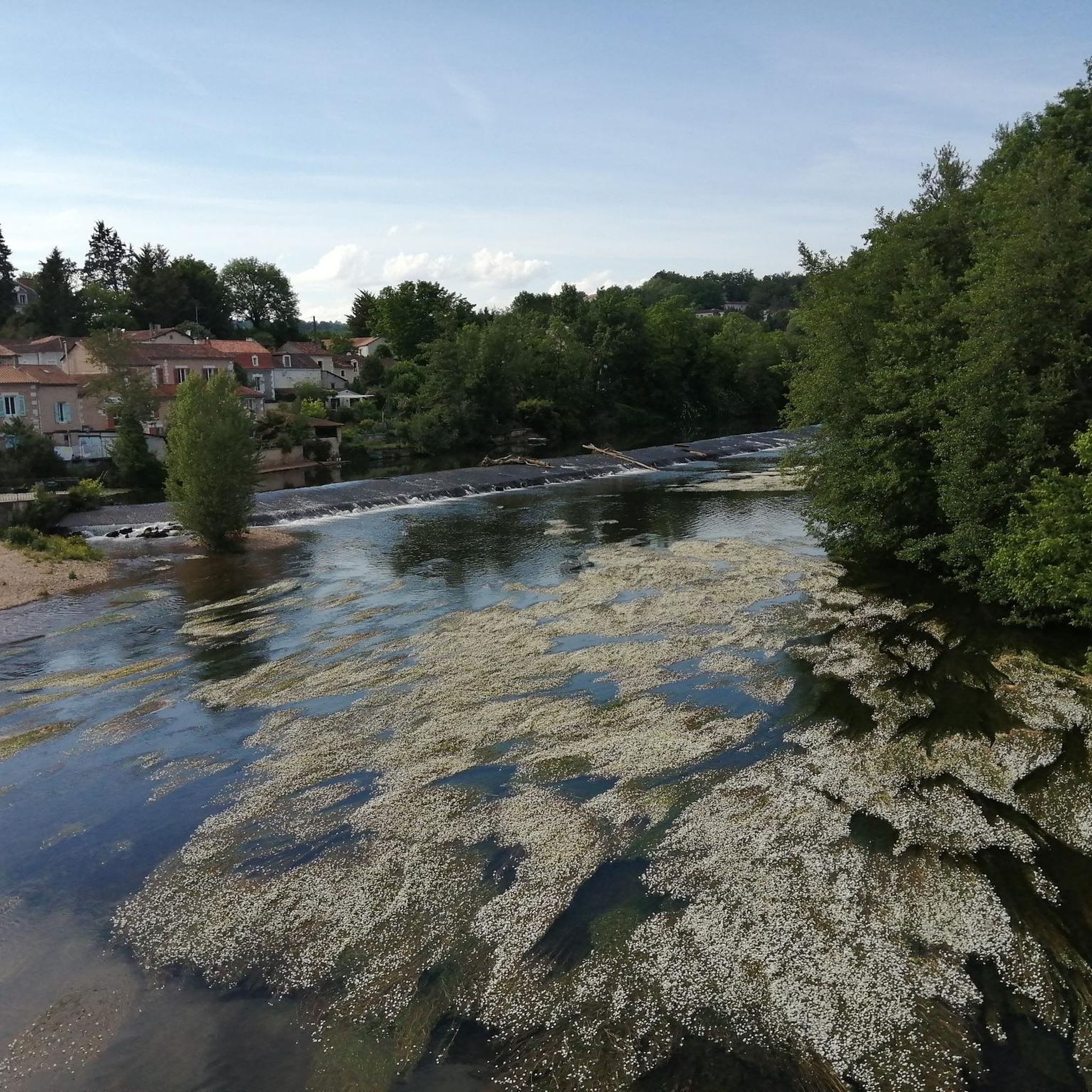
"The Isle Valley by bike? Pure bliss! ♀️☀️ This route is perfectly marked, often in the shade, and accessible to all. Perfect for a ride with family or friends!"
2
0

Frequently Asked Questions
How many touring cycling routes are available around Saint-Jean-D'Ataux?
There are over 80 touring cycling routes around Saint-Jean-D'Ataux, offering a wide range of options for different skill levels and preferences.
What is the overall difficulty level of touring cycling routes in Saint-Jean-D'Ataux?
The routes around Saint-Jean-D'Ataux cater to various abilities. You'll find approximately 12 easy routes, 45 moderate routes, and 25 more difficult options, ensuring there's something for every touring cyclist.
What kind of landscapes can I expect to see while cycling in Saint-Jean-D'Ataux?
Cycling in Saint-Jean-D'Ataux offers diverse landscapes. You'll traverse the extensive Forêt de la Double with its oak, chestnut, and pine trees, often encountering numerous ponds. While not directly on the main river, the area is part of the broader Dordogne River Valley, known for its green wooded hills and patchwork fields. Some routes also follow sections along the Isle River.
Are there any flat, car-free cycling paths suitable for leisurely rides or families?
Yes, the broader Dordogne Valley, which encompasses Saint-Jean-D'Ataux, features a network of well-maintained 'Voies Vertes' (greenways). These paths are 100% car-free and ideal for leisurely rides, offering a safe and scenic adventure for all ages and abilities. They often skirt rivers and weave through lush forests.
What historical sites or landmarks can I explore along the cycling routes?
The region is rich in history. You can cycle past the impressive Mauriac Castle and Dam, as seen on the Mauriac Castle and Dam – riverside tavern loop from Douzillac. Nearby towns like Neuvic sur l'Isle also feature chateaux, and the wider Dordogne region is dotted with medieval villages and prehistoric sites that can be incorporated into your cycling itineraries.
What do other touring cyclists say about the routes in Saint-Jean-D'Ataux?
The touring cycling routes around Saint-Jean-D'Ataux are highly rated by the komoot community, with an average score of 4.4 stars from over 80 reviews. Cyclists often praise the varied terrain, from dense woodlands to riverside sections, and the mix of flat greenways and rolling hills that cater to different skill levels.
Are there any circular touring cycling routes available?
Yes, many routes in the area are designed as loops. For example, the Mussidan Bridge – Neuvic Church loop from Douzillac is a moderate 30.5-mile (49.1 km) route that explores local towns and river crossings. Another option is the Mauriac Castle and Dam – The Isle at Saint-Léon-sur-l'Isle loop from Saint-Louis-en-l'Isle, which covers 29.1 miles (46.9 km) through varied landscapes.
What is the best time of year for touring cycling in Saint-Jean-D'Ataux?
The Dordogne region generally offers pleasant cycling conditions from spring through autumn. Spring brings blooming landscapes, while summer provides warm weather, though shaded routes in the Forêt de la Double can be a welcome escape. Autumn offers beautiful foliage and cooler temperatures, ideal for longer rides.
Is Saint-Jean-D'Ataux suitable for family cycling trips?
Yes, Saint-Jean-D'Ataux and the surrounding Dordogne area are well-suited for family cycling. The presence of 'Voies Vertes' (car-free greenways) provides safe and enjoyable options for all ages. The varied terrain also means you can find easier, flatter routes perfect for families.
Are there options for parking near the cycling routes?
Many towns and villages in the region, including those near Saint-Jean-D'Ataux, offer public parking facilities. When planning your route, it's advisable to check the starting point for available parking, often found near local amenities or trailheads.
Where can I find accommodation or places to eat near the cycling routes?
The towns surrounding Saint-Jean-D'Ataux, such as Neuvic, Saint-Astier, Mussidan, and Riberac, offer various accommodation options from hotels to guesthouses. You'll also find numerous cafes, restaurants, and local markets where you can refuel and experience regional gastronomy. Many routes pass through or near these towns, making it convenient to find amenities.
Most popular routes around Saint-Jean-D'Ataux
Most popular attractions around Saint-Jean-D'Ataux

Get inspired with the komoot mobile app


Explore more
Browse the best Cycling routes in other regions.
