The best road cycling routes around Oulches-La-Vallée-Foulon
4.4
(23)
1,160
riders
114
rides
Road cycling routes around Oulches-La-Vallée-Foulon traverse a rural landscape in the Aisne department, characterized by altitudes ranging from 70 to 194 meters. The region is part of the historic Chemin des Dames area, featuring a hilly terrain with varied gradients and sometimes steep slopes. Cyclists can expect a mix of valleys, meadows, farmland, and forests, providing diverse backdrops for rides. The generally paved roads are suitable for road cycling, offering both physical challenge and scenic exploration.
Best road cycling routes…
Last updated: November 5, 2026
5.0
(1)
194
riders
26.8km
01:21
320m
320m
Moderate road ride. Good fitness required. Some segments of this route may be unpaved and difficult to ride.
43
riders
19.2km
00:54
170m
170m
Moderate road ride. Some segments of this route may be unpaved and difficult to ride.

4.0
(1)
26
riders
45.9km
02:00
240m
240m
Moderate road ride. Some segments of this route may be unpaved and difficult to ride.
5.0
(1)
18
riders
Moderate road ride. Some segments of this route may be unpaved and difficult to ride.
17
riders
42.1km
02:07
560m
560m
Moderate road ride. Good fitness required. Some segments of this route may be unpaved and difficult to ride.
Get access to more routes and recommendations from other explorers.
Already have an account?
Our route recommendations are based on thousands of hikes, rides, and runs completed by other people on komoot.
Start today with a free account
Your next adventure awaits.
Tips from the Community

The Vauclair Abbey near Bouconville-Vauclair in the Aisne department was founded in 1134 by Bernard of Clairvaux as a Cistercian monastery. In the Middle Ages, it developed into an important monastic complex; it was significantly expanded, particularly in the 13th century. During the First World War, Vauclair was located directly in the combat zone of the Chemin des Dames and was almost completely destroyed by artillery fire in 1917. The ruins visible today have been archaeologically investigated, excavated, and partially secured since the 1960s. Directly next to the ruins, there is now a medicinal herb garden with around 400 species and a conservation orchard. This verger conservatoire preserves old regional apple and pear varieties; according to the French Garden Association, there are about 84 different varieties represented there. Together with the monastery ruins, the site thus commemorates not only the history of the Cistercians but also their close connection to agriculture, horticulture, and botany.
1
0

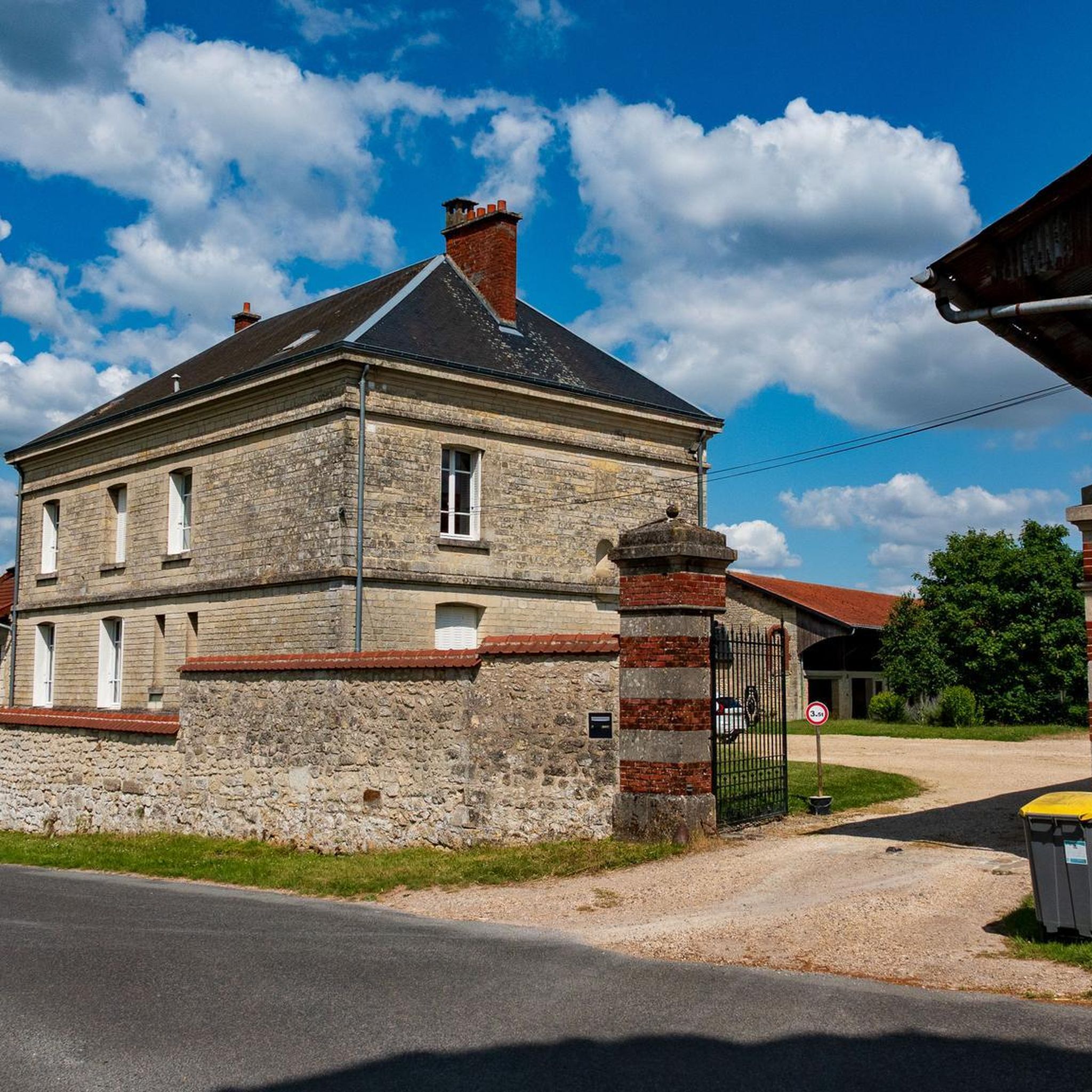
In 1914, the peasant village of Ailles covered about 340 hectares, one third of which was forest. 61 houses were grouped around the church of Saint-Martin. The population was declining: in the 1901 census there were still 147 inhabitants, while in 1911 there were only 118. In honor of the Battle of Craonne, a magnificent elm had been planted on March 7, 1814. A century later, it witnessed a new battlefield as French and German shells wiped the village off the map...
1
0
Hidden in the middle of the forest, this Cistercian abbey, founded in 1134 by Bernard of Clairvaux, appears like a mirage. Its majestic ruins bear witness to a turbulent past. From the Hundred Years' War and the French Revolution to the First World War, the abbey suffered considerable destruction. In the 1960s, the site was overgrown with brambles and forgotten. Thanks to the archaeological excavation group "Sources" led by Father Courtois, it experienced a rebirth.
2
0

Beautiful quiet place for a walk
0
0

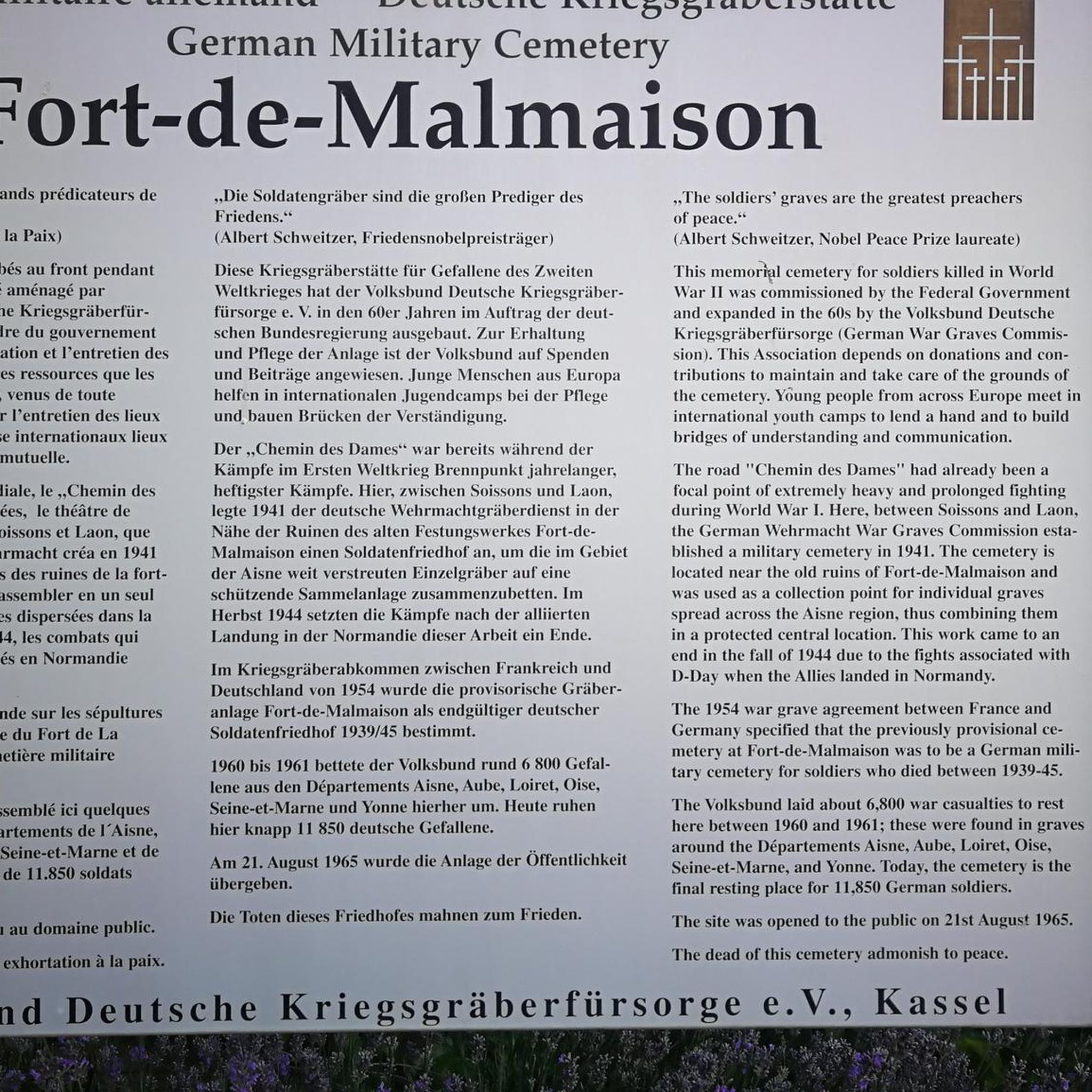
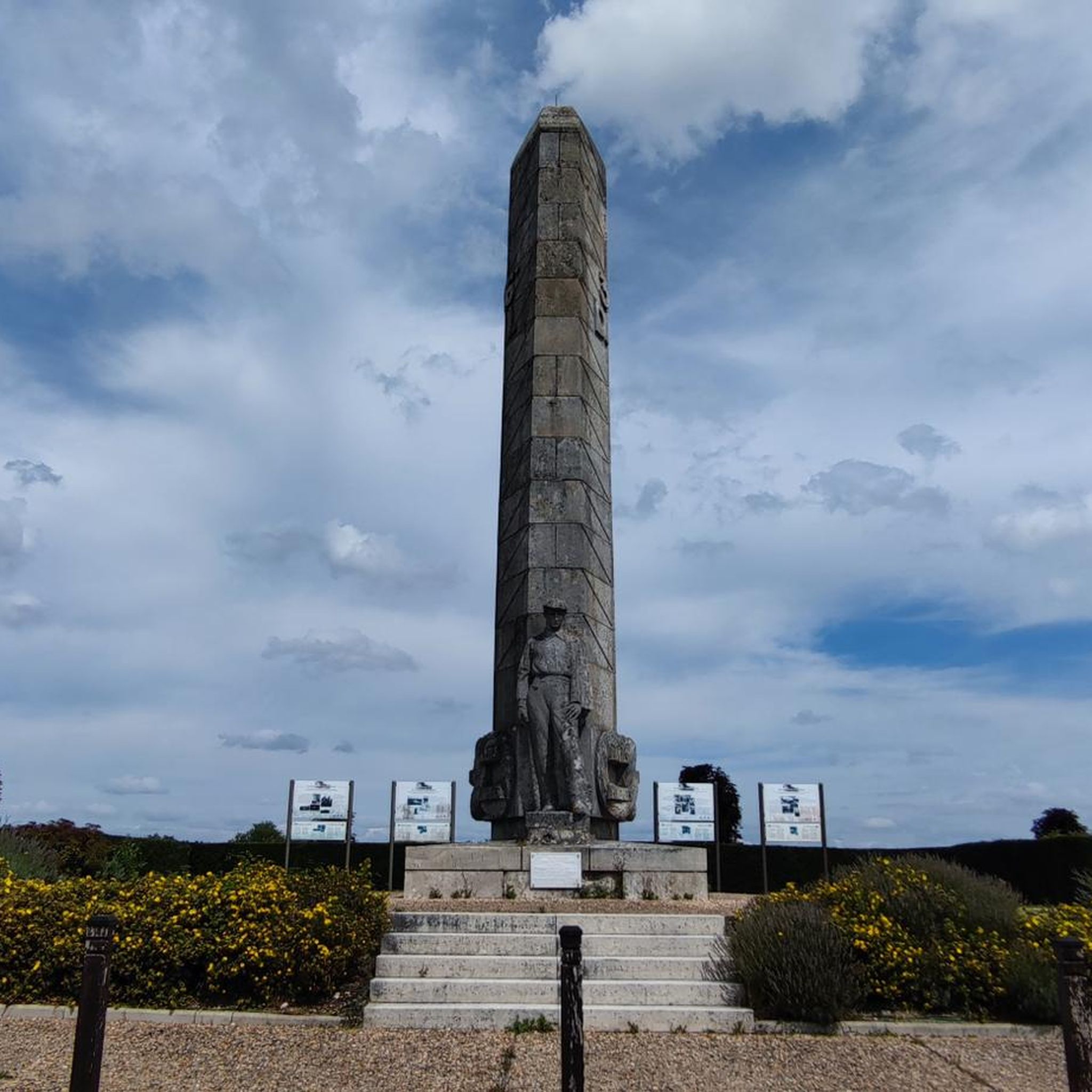
During the First World War, Cerny-en-Laonnois was a strategic point along the Chemin des Dames, a ridge fiercely contested by French and German troops. In September 1914, the village was taken by the Germans, who used it as a defensive post. They dug deep underground networks in the limestone, which served as shelters and munitions stores. In the spring of 1917, the area became the scene of the Nivelle Offensive, a large-scale French attack that resulted in heavy losses and eventually led to mutinies within the French army. Cerny-en-Laonnois was completely destroyed by artillery fire and fighting. After the war, the village was rebuilt a little further south. Today, the military cemeteries, the memorial chapel and the “Lanterne des Morts” bear witness to the immense human suffering that took place here.
6
0

a silo on the edge of the canal very beautiful at sunset
0
0

A remarkable remnant of what was once a large and important abbey. Caesar, Napoleon and German troops are said to have passed through this area during the First World War.
3
0

Frequently Asked Questions
How many road cycling routes are available around Oulches-La-Vallée-Foulon?
There are over 100 road cycling routes available around Oulches-La-Vallée-Foulon, offering a wide range of options for different skill levels. You'll find 14 easy routes, 90 moderate routes, and 3 difficult routes to explore.
What kind of terrain can I expect when road cycling in this region?
The region around Oulches-La-Vallée-Foulon, particularly along the historic Chemin des Dames, features a hilly landscape with varied gradients and sometimes steep slopes. You can expect a mix of valleys, meadows, farmland, and forests, providing diverse backdrops for your rides. Altitudes range from 70 to 194 meters, ensuring an engaging cycling experience.
Are there any family-friendly road cycling routes in Oulches-La-Vallée-Foulon?
While many routes in the area feature undulating terrain, there are 14 routes classified as easy, which could be suitable for families or those seeking a less strenuous ride. These routes generally have gentler gradients and cover shorter distances, allowing for a more relaxed pace.
What historical landmarks can I see while road cycling in the area?
The region is rich in history, especially related to World War I. You can cycle past significant sites like the Vauclair Abbey Ruins, the Ferme d'Hurtebise War Memorial, and the Napoleon Statue in Craonne. The Vauclair Abbey – Military cemetery loop from Cuissy-et-Geny is a great option to combine cycling with historical exploration.
Are there any circular road cycling routes available?
Yes, many of the road cycling routes in the area are designed as loops. For example, the Lake Ailette – Ruins of Vauclair Abbey loop from Oulches-la-Vallée-Foulon offers a moderate ride exploring both natural beauty and historical sites. Another option is the longer Vauclair Abbey – Napoleon Statue in Craonne loop from Craonne.
What is the best time of year for road cycling in Oulches-La-Vallée-Foulon?
The spring and autumn months generally offer the most pleasant conditions for road cycling, with milder temperatures and beautiful scenery. Summer can also be enjoyable, though it's advisable to start earlier in the day to avoid the midday heat. Winter cycling is possible, but be prepared for colder temperatures and potentially wet conditions.
What do other road cyclists enjoy most about the routes here?
The road cycling routes around Oulches-La-Vallée-Foulon are highly rated by the komoot community, with an average score of 4.5 stars from over 20 reviews. Cyclists often praise the varied terrain, the blend of natural beauty with significant historical landmarks, and the generally well-paved roads suitable for road bikes.
Are there any routes that pass by lakes or other natural features?
Yes, several routes incorporate natural features. The Lake Ailette – Ruins of Vauclair Abbey loop from Oulches-la-Vallée-Foulon specifically explores the area around Lake Ailette. You can also find the Monks' Pond as a highlight in the region, which may be accessible via some routes.
What is the longest road cycling route available?
Among the longer options, the Vauclair Abbey – Napoleon Statue in Craonne loop from Craonne stands out, covering approximately 68.2 kilometers. This route leads through the historic Chemin des Dames ridge and offers a substantial challenge for experienced cyclists.
Are there any challenging routes for advanced road cyclists?
Yes, while most routes are moderate, there are 3 routes classified as difficult, offering more significant elevation gains and longer distances. The undulating terrain of the Chemin des Dames, with its sometimes steep slopes, provides ample challenge for advanced riders seeking a workout.
Can I combine road cycling with visiting cultural sites?
Absolutely. The region is perfect for combining athletic pursuits with cultural exploration. The Chemin des Dames area is dotted with World War I memorials and interpreting panels. You can visit the Caverne du Dragon, a significant underground quarry, which is located directly in Oulches-la-Vallée-Foulon and offers a poignant historical stop.
What is the typical elevation gain on road cycling routes in this area?
The road cycling routes in Oulches-La-Vallée-Foulon are characterized by their hilly nature. For instance, a moderate route like the Vauclair Abbey – Military cemetery loop from Cuissy-et-Geny involves an elevation gain of over 320 meters, while longer routes can feature over 500 meters of ascent, such as the Vauclair Abbey – Napoleon Statue in Craonne loop from Craonne.
Most popular routes around Oulches-La-Vallée-Foulon
Most popular attractions around Oulches-La-Vallée-Foulon

Get inspired with the komoot mobile app


Explore more
Browse the best Road cycling routes in other regions.
