Attractions and Places To See around Moutiers-Au-Perche - Top 20
Best attractions and places to see around Moutiers-Au-Perche include historical landmarks and natural features within the Perche Regional Natural Park. This village in the Orne department of Normandy offers a blend of historical sites and opportunities to engage with nature. Visitors can explore ancient churches, monastery vestiges, and scenic trails. The area is characterized by rolling hills, forests, and traditional farmlands.
Best attractions and places to see around Moutiers-Au-Perche
- The most popular attractions is Alençon–Condé-sur-Huisne Greenway, a cycle way…
Last updated: July 15, 2026
Former Rémalard-Bellou Station
Highlight • Structure
Translated by Google •
Tip by

Notre-Dame-de-Pitié Chapel of Longny-au-Perche
Highlight • Religious Site
Translated by Google •
Tip by

Sign up now to discover places like this
Get recommendations on the best single tracks, peaks, & plenty of other exciting outdoor places.
Sign up for free
Alençon–Condé-sur-Huisne Greenway
Highlight (Segment) • Cycleway
This crossing may seem a little monotonous, but it is punctuated by old stations which are generally inhabited and maintained.
Translated by Google •
Tip by

Above the Huisne
Highlight • Other
Translated by Google •
Tip by

Moutiers-au-Perche
Highlight • Settlement
Translated by Google •
Tip by

Sign up for free to discover even more attractions around Moutiers-Au-Perche.
Sign up for free
Already have an account?
Start today with a free account
Your next adventure awaits.
Login or Signup


Tips from the Community

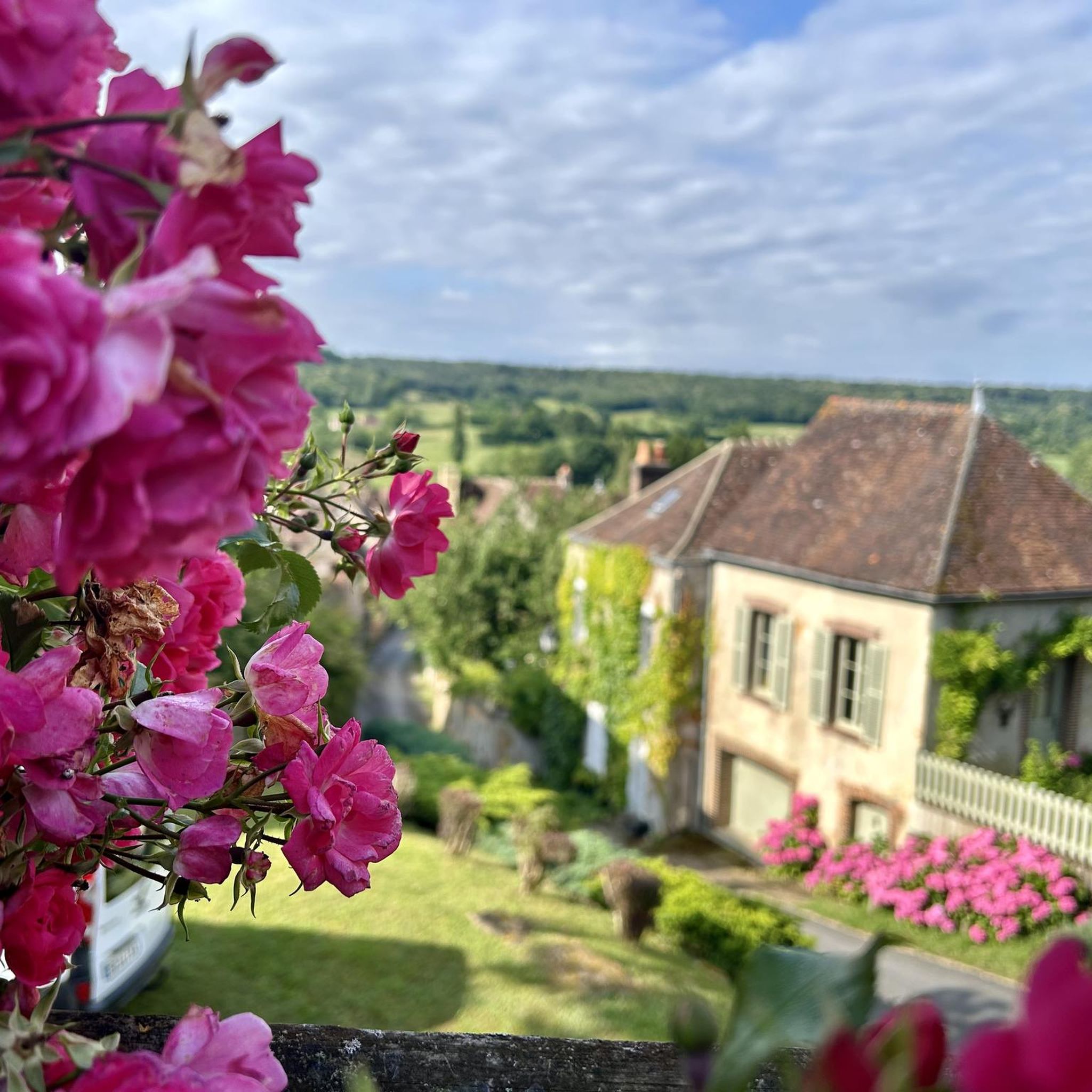
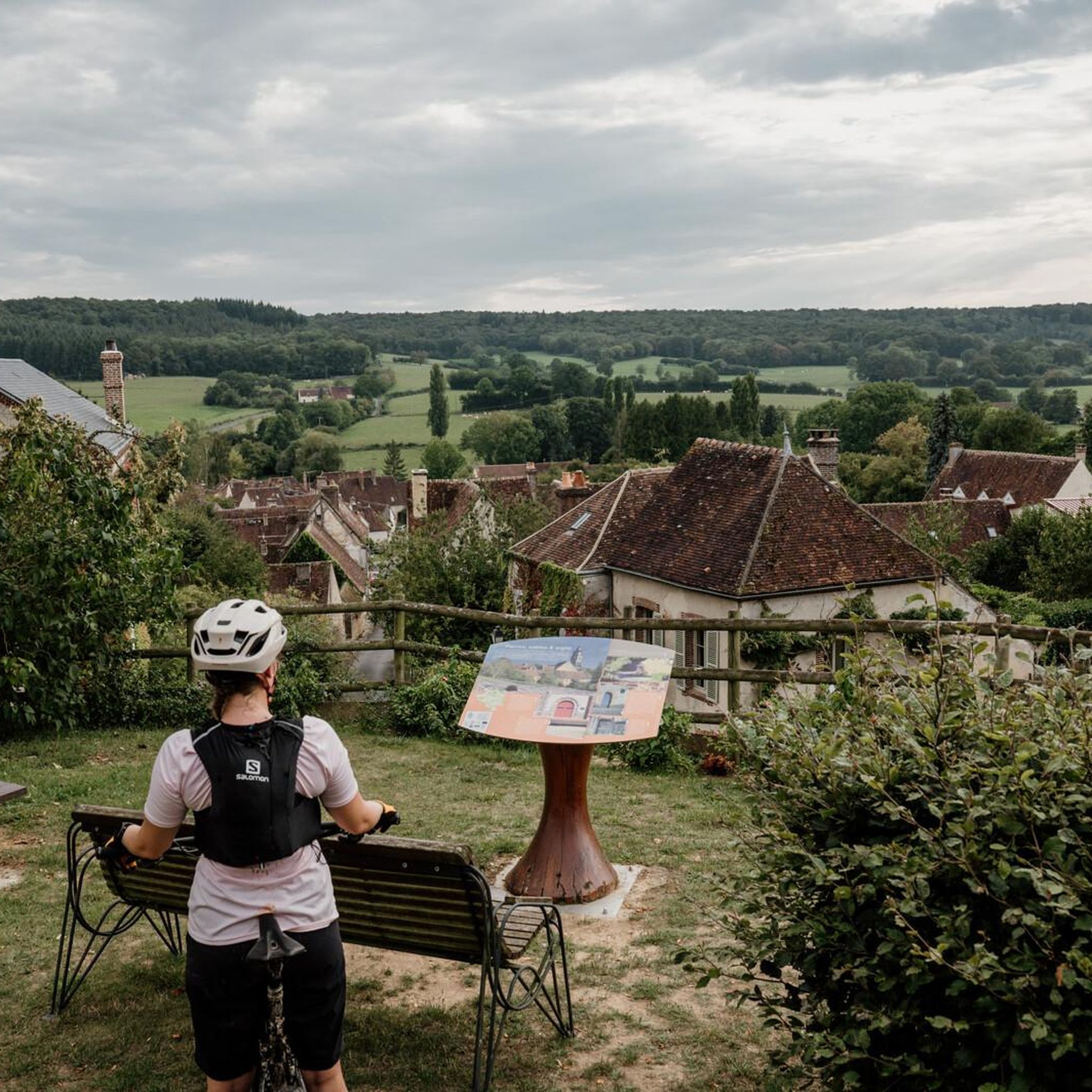
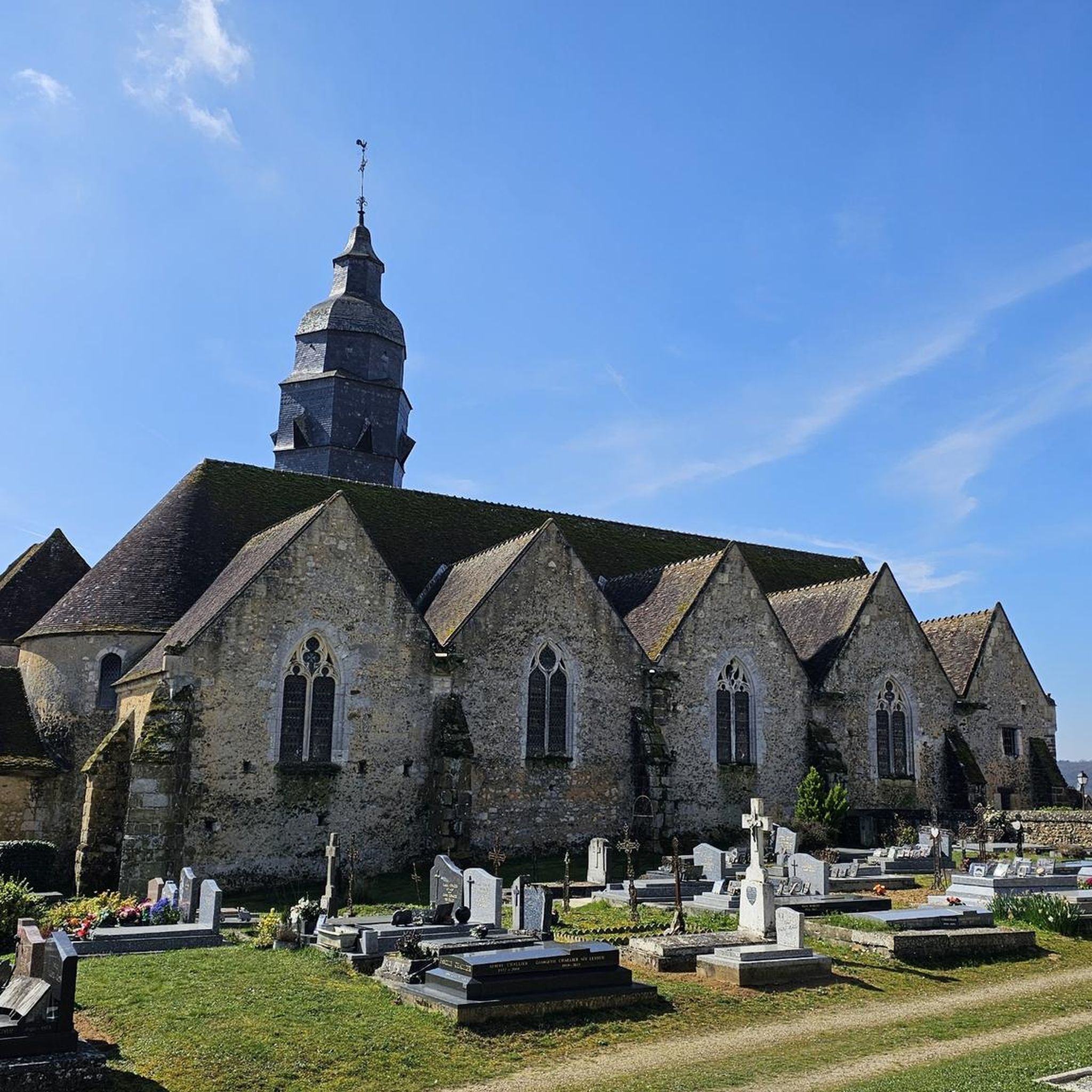
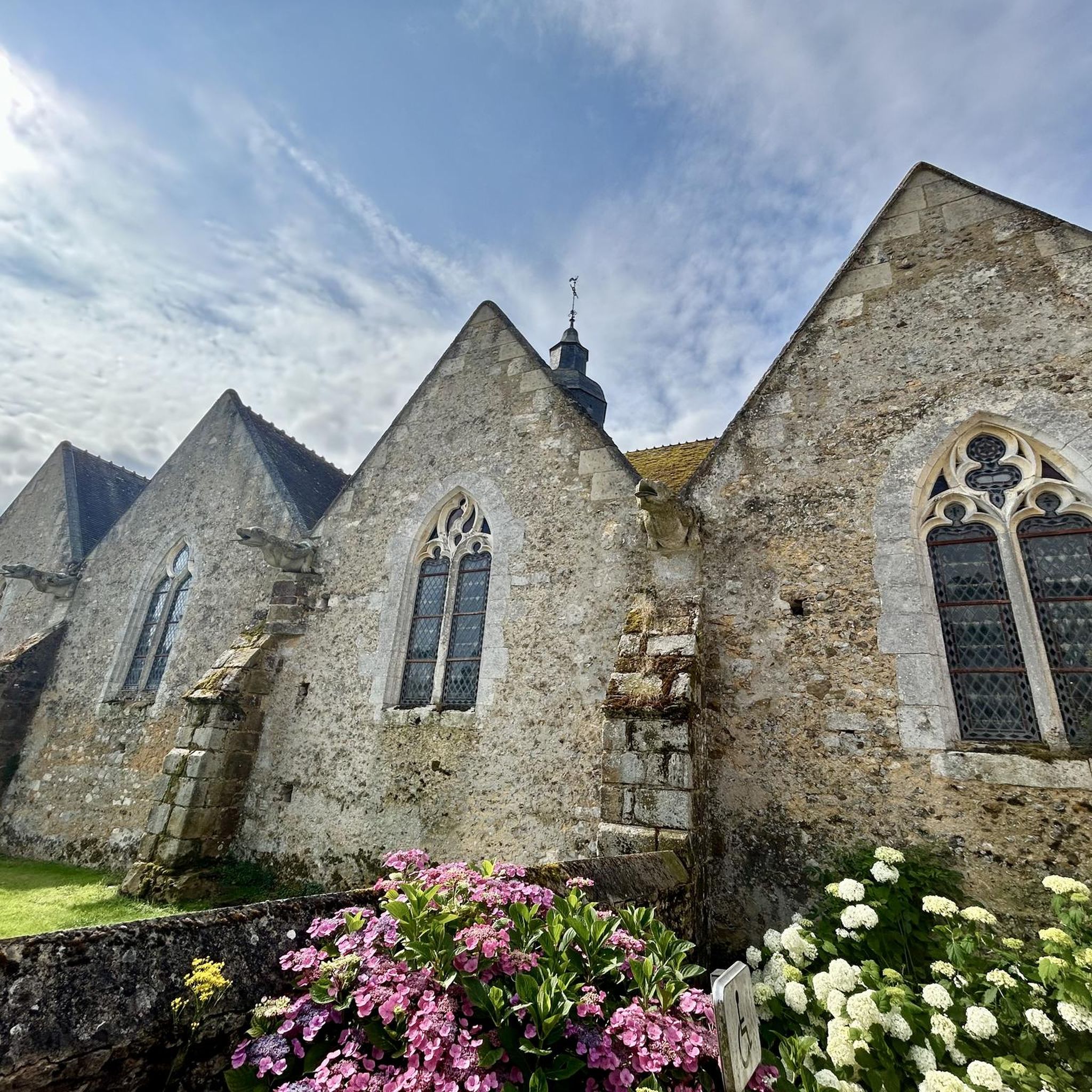
Moutiers is one of the oldest villages in the Perche region, built around a monastery founded in the 6th century and destroyed by the Norman invasions. This is where the village's name comes from, since "Moutiers" means monastery in Old French. On the slopes of the hill, called Mont Harou, stands the church, flanked by a few typical Perche houses that form the old town. To reach it, you'll have to navigate the steep, straight climb of Church Street or take a detour through small streets that soften the steepness of the climb. The church square offers a beautiful view of the surrounding area. Don't forget to walk around the church to admire the gargoyles, which are quite exceptional for such a small church. Restrooms and water are available right next door.
0
0

The Huisne is a river in central France, flowing in the regions of Normandy, Centre-Val de Loire and Pays de la Loire. It rises in the municipality of La Perrière, in the Perche Regional Nature Park, initially drains to the northeast, later to the southeast, finally turns to the southwest near Condé-sur-Huisne and, after around 165[2] kilometres, flows into the Sarthe in Le Mans as a left tributary.
3
0

Be careful, the climb is not easy!!!
0
0


At the crossroads of several magical secondary roads, Moutiers-au-Perche offers a lovely heritage stopover during your cycling trips in the Percheron countryside.
0
0

Near the greenway.
0
0

The building now houses a restaurant “En Gare”. This is absolutely recommended! So be sure to make a reservation and treat yourself to culinary delights. (3-course menu for 19 euros)!
0
0

Opened in 1873 to goods and in 1874 to passengers, the railway operated for 110 years. We took the train at 5:53 a.m. in Condé to arrive at 8:49 a.m. in Alençon, after a 20-minute stop in Mortagne. Thirteen stations punctuated the route, including that of Rémalard-Bellou which also had its freight station serving, among other things, the cider house, where the BFC factory has since been established. In 1934, the red and cream diesel micheline replaced the steam locomotive. The Japanese and the Americans continue to use the line to go in search of Percheron horses. Then, passenger traffic ceased in 1954. Portions of the lines were still used until the 1980s by companies along the route. Since June 2010, the old railway line has become the Voie Verte.
0
0
Frequently Asked Questions
What historical sites can I explore in Moutiers-Au-Perche?
Moutiers-Au-Perche is rich in history. You can visit the Église Notre-Dame du Mont Harou, a prominent church from the 12th and 16th centuries with a distinctive bell tower, gargoyles, and rare 16th-century organ. The village also holds vestiges of one of the earliest monasteries in the Perche, established in the 6th century, with traces like parts of the enclosure tower and the old priory farm still visible. Additionally, the 17th-century Pont Chartrain is recognized as one of the oldest bridges in the Perche.
Are there opportunities for hiking in and around Moutiers-Au-Perche?
Yes, Moutiers-Au-Perche is situated within the Perche Regional Natural Park, offering numerous hiking paths. You can explore trails like the "chemin creux de la Guillaumette" or the "Gué de Culoiseau" trail starting from the church. Long-distance routes such as the GR22 and GR35 also traverse the Perche. For more detailed routes, you can find various options in the Hiking around Moutiers-Au-Perche guide.
What cycling routes are available near Moutiers-Au-Perche?
The area features excellent cycling opportunities, notably the Alençon–Condé-sur-Huisne Greenway, a cycle path that follows an old railway line through forests and meadows without steep gradients. This greenway is also home to the Former Rémalard-Bellou Station, which now houses a restaurant. You can discover more routes in the Cycling around Moutiers-Au-Perche guide.
Can I find family-friendly attractions in the area?
Yes, several attractions are suitable for families. The Alençon–Condé-sur-Huisne Greenway is a flat, easy path perfect for family bike rides or walks. The Former Rémalard-Bellou Station, located on the greenway, offers a unique stop with a restaurant. Additionally, the Church of Manou is a historical site that can be interesting for older children.
Where can I experience the natural beauty of the Perche Regional Natural Park?
Moutiers-Au-Perche is nestled within the Perche Regional Natural Park, characterized by its rolling hills, dense forests, and traditional hedged farmlands. You can experience this beauty by exploring the numerous hiking and cycling trails, or by visiting natural features like Above the Huisne, which highlights the peaceful Huisne river flowing through the park.
Are there any notable religious buildings in the vicinity?
Beyond the central Église Notre-Dame du Mont Harou, you can also visit the Notre-Dame-de-Pitié Chapel of Longny-au-Perche, a beautiful Renaissance chapel known for its carved wooden door and superb stained glass. Another interesting site is the Church of Manou, of Romanesque origin, with a distinctive red brick bell tower.
What local products or markets can I visit near Moutiers-Au-Perche?
The Perche region is known for its local agricultural products. While Moutiers-Au-Perche itself may not have large markets, nearby towns such as Rémalard, Longny-Au-Perche, and Nogent-le-Rotrou host markets where you can find local goods. The area is also known for traditional Perche products like cider and Calvados, with some local producers offering tours.
What is the best time of year to visit Moutiers-Au-Perche for outdoor activities?
The Perche Regional Natural Park is beautiful throughout the warmer months. Spring and autumn offer pleasant temperatures for hiking and cycling, with vibrant foliage in autumn. Summer is also ideal for outdoor pursuits, though it can be busier. Winter can be serene for walks, but some trails might be less accessible depending on conditions.
Are there any dog-friendly walking options in the area?
Many of the natural trails within the Perche Regional Natural Park are suitable for walks with dogs, provided they are kept on a leash and you follow local regulations. The various hiking paths and the Alençon–Condé-sur-Huisne Greenway offer ample space for you and your canine companion to enjoy the outdoors.
What kind of dining options are available near the attractions?
A notable dining option is the restaurant "En Gare" located at the Former Rémalard-Bellou Station, which is situated directly on the Alençon–Condé-sur-Huisne Greenway. It is highly recommended to make a reservation there. For other options, you might find cafes and restaurants in Moutiers-Au-Perche itself or in nearby towns like Rémalard and Longny-Au-Perche.
Are there opportunities for horseback riding in the Perche region?
Yes, the Perche region has a strong equestrian heritage, particularly known for the Percheron horses. Near the Town Hall in Moutiers-Au-Perche, there is an Equestrian Tourism Center that provides opportunities for excursions, allowing visitors to explore the scenic landscapes on horseback.
What are some lesser-known spots or 'hidden gems' in the region?
Beyond the main landmarks, exploring the smaller villages and hamlets within the Perche Regional Natural Park can reveal charming, less-trafficked spots. The 17th-century Pont Chartrain, accessible via picturesque routes, is a historical gem. Additionally, seeking out local producers of cider and Calvados for a tour can offer a unique cultural insight into the region's traditions.
Most popular routes around Moutiers-Au-Perche

Get inspired with the komoot mobile app


Explore more
Still not found the Highlight you’re looking for? See guides of the top attractions in other regions:
