Attractions and Places To See around Lamanère - Top 20
Best attractions and places to see around Lamanère, the southernmost commune in mainland France, are set within the Pyrénées-Orientales department of the Occitanie region. This area is characterized by its picturesque mountain landscapes, offering a blend of historical sites and natural beauty. Lamanère's unique geographical position and historical depth provide a rich experience for visitors. The region features Romanesque churches, historical towers, and numerous hiking opportunities.
Best attractions and places to see around Lamanère
- The most popular attractions is Coll…
Last updated: July 6, 2026
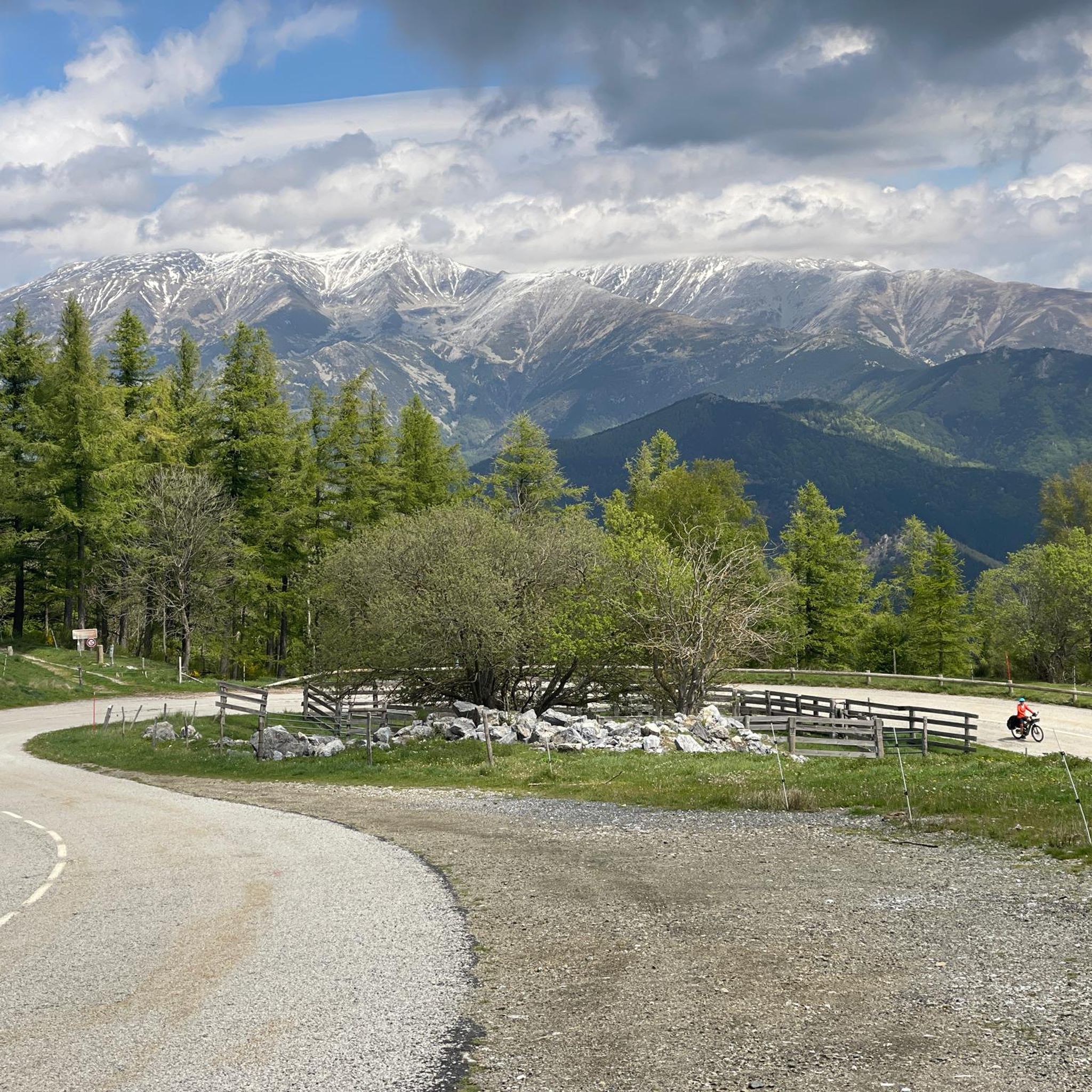
Coll d'Arès
Highlight • Mountain Pass
Translated by Google •
Tip by

Beget Village
Highlight • Settlement
Located at the head of the river Llierca, today it is a tourist town and second homes.
Translated by Google •
Tip by

Sign up now to discover places like this
Get recommendations on the best single tracks, peaks, & plenty of other exciting outdoor places.
Sign up for free
Valentí Bridge
Highlight • Bridge
Translated by Google •
Tip by

Church of Sant Feliu de Rocabruna
Highlight • Religious Site
It may have been mentioned in the 10th century under the …
Translated by Google •
Tip by

Prats-de-Mollo-la-Preste
Highlight • Settlement
Translated by Google •
Tip by

Sign up for free to discover even more attractions around Lamanère.
Sign up for free
Already have an account?
Start today with a free account
Your next adventure awaits.
Login or Signup

Tips from the Community

Espai natural exuberant i muntanyós, amb impressionants cingleres i gorges i interessants vestigis de l’art romànic. Per a més informació: https://costabrava.org/on-anar/comarques/ripolles/camprodon/
0
0

You can't just drive to Sadernes and park at the moment. You need a QR code to reserve a parking space. You can download this in advance via a website or at a checkpoint on one of the access roads. The cost was 6 euros. The best thing is to do it in advance, because the first time we came in the weekend everything was already occupied and we had to go back.
1
0

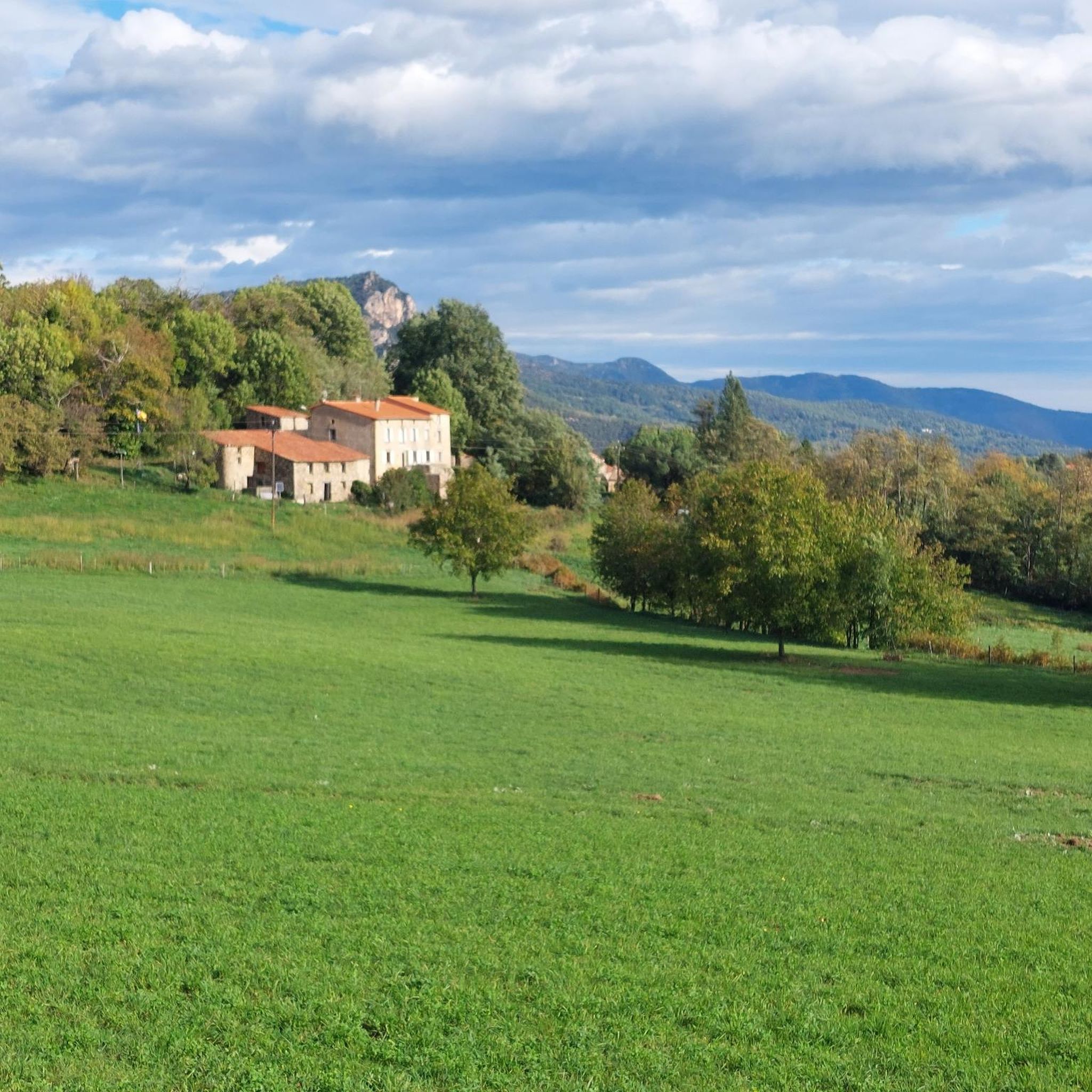
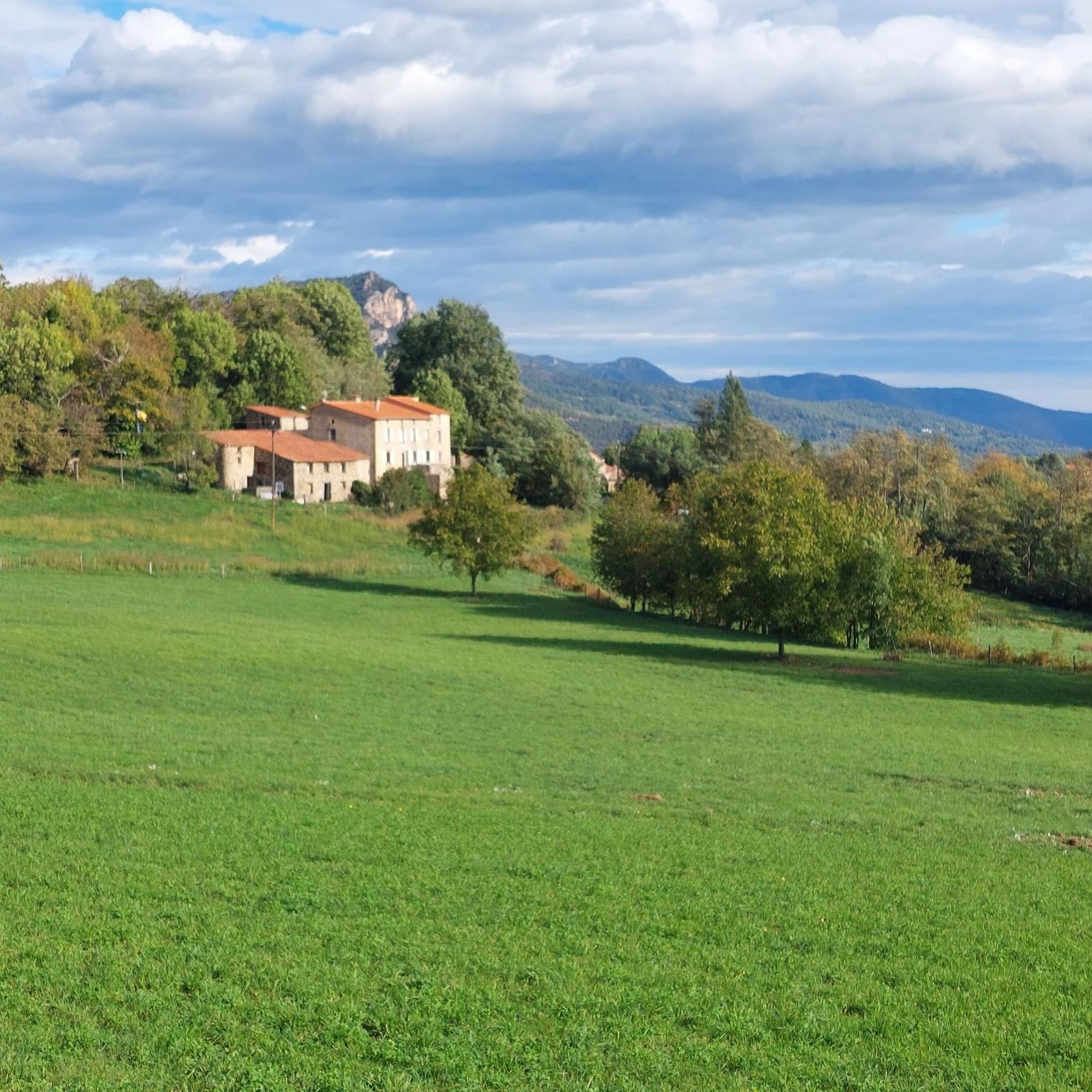
Small village of Rocabruna which can be reached by the GIV5223 road between Oix and Molló road. It is recognized for the Sanctuary of Rocabruna and for its scenic beauty.
0
0
Small town of L'Alta Garrotxa, architectural heritage of Catalonia, recognized for its high landscape value, natural diversity and its cobbled streets and houses, built on the Beget stream and the Torrent dels Trulls, which are saved with rock bridges . There are local craft shops and it's a perfect place to disconnect from everything.
0
0

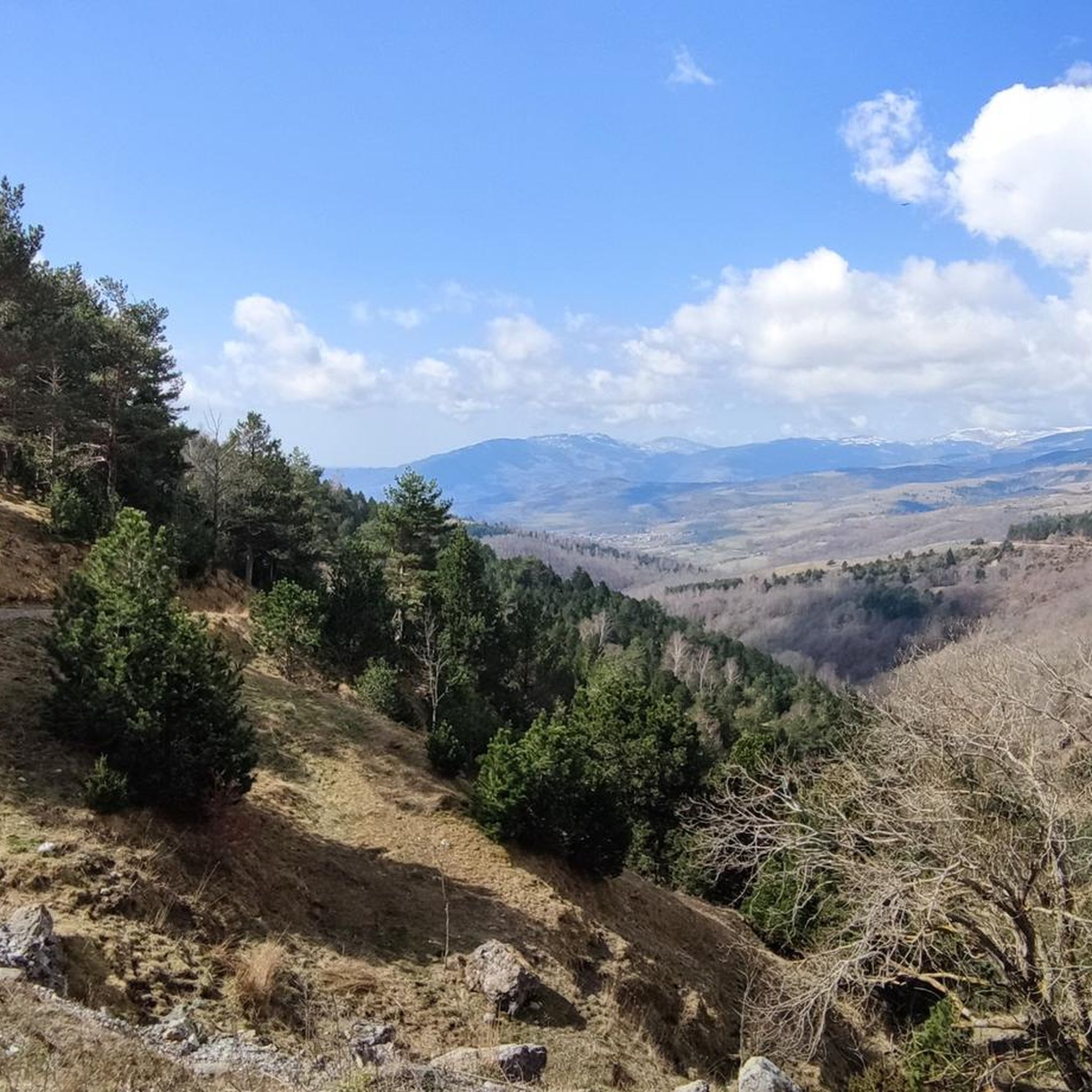
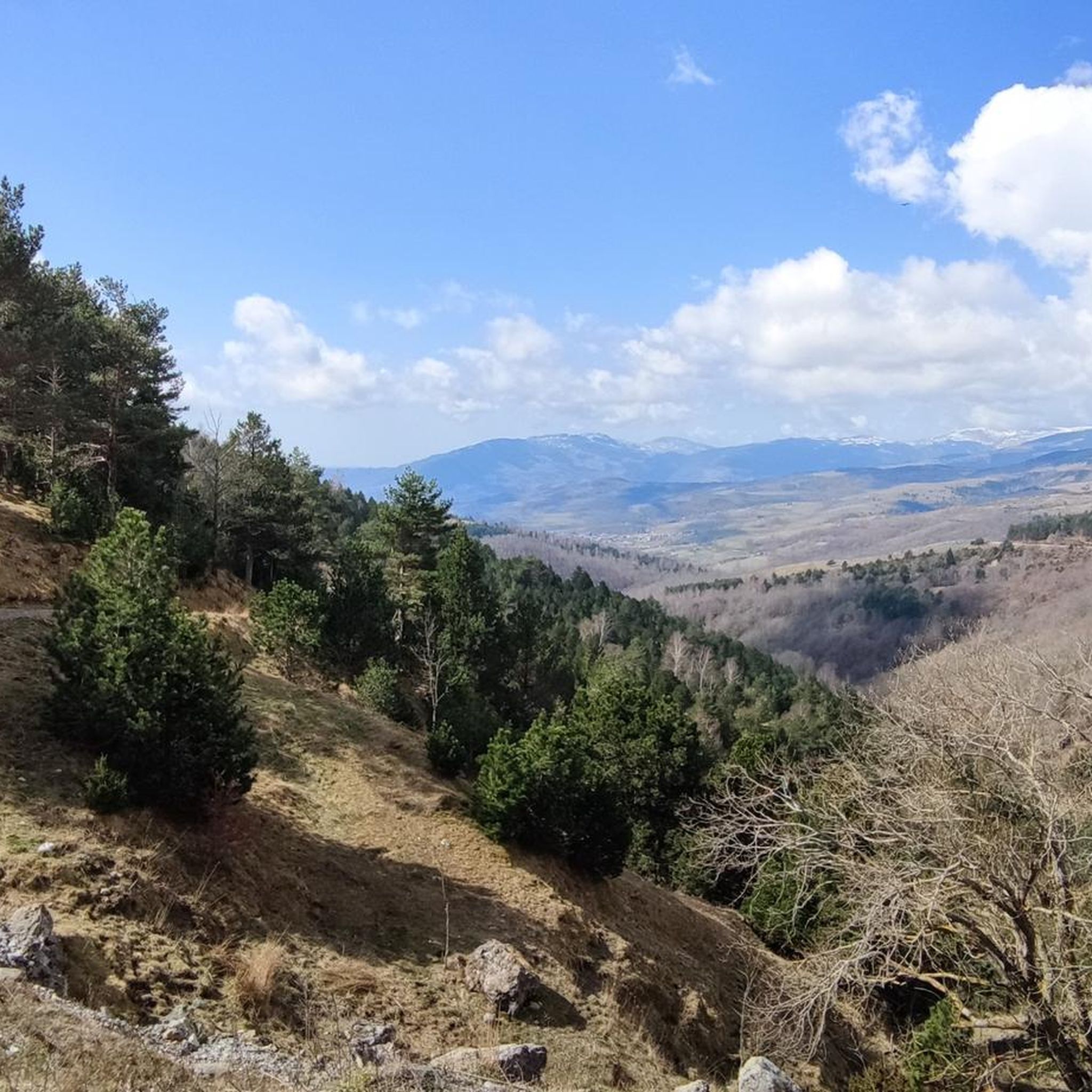
A pass that is not too difficult to climb and offers a magnificent landscape when crossing the border at the summit.
0
0

https://www.youtube.com/watch?v=dLKV5Y7mv40 The town keeps alive many Catalan traditions, such as the Bear Festival (La Fête de l'Ours), which is celebrated every year in February. This festival is one of the oldest and most representative of Pyrenean folklore, symbolizing the struggle between man and nature.
1
0
The village has a strong medieval character, with well-preserved walls and a citadel, Fort Lagarde, which dominates the town from above. This fort was built in the 17th century and is an important symbol of border defence during that period.
1
0

Frequently Asked Questions
What historical sites can I explore in and around Lamanère?
Lamanère offers several historical points of interest. Within the village, you can find the Romanesque Église Saint-Sauveur de Lamanère with its 18th-century altarpiece, and the Église Sainte-Christine de Lamanère, which houses 17th and 18th-century statues. The village also features a fountain from 1779, a humpback bridge from 1858, and an Arbre de la liberté planted in 1830. For a glimpse into the region's past, visit the Prats-de-Mollo-la-Preste, a large border village with a strong medieval character, including well-preserved walls and the 17th-century Fort Lagarde.
Are there any museums or cultural insights available in Lamanère?
Yes, Lamanère has a Micro-museum of the Mine, which showcases galleries, mining equipment, and a steam boiler, reflecting the village's historical connection to mining. Additionally, the village played a significant role during "La Retirada" in 1939, serving as a crossing point for Spanish Republican refugees. This historical event is commemorated at the exit of the village and at Pla de la Comes on the GRT83 trail.
What natural attractions are there for hikers near Lamanère?
Lamanère is an excellent starting point for numerous hikes. You can trek to the Towers of Cabrenç, which are historical ruins offering insights into the region's past. Another popular destination is the Hermitage of Notre Dame du Coral, nestled within a forest of chestnut and beech trees. For a challenging hike with exceptional panoramic views, consider ascending the Puig de Coma Negra, the highest and southernmost point of continental France.
What is the significance of Lamanère's geographical location?
Lamanère holds the unique distinction of being the southernmost commune in mainland France. This geographical point is marked by a modern artistic structure at the village entrance. There's also a specific totem on the border ridge with Spain, near the Coma Negra, which symbolizes this point and is part of a hiking circuit.
Are there any unique villages or settlements to visit nearby?
Absolutely. You can visit Beget Village, a charming settlement included in the Inventory of the Architectural Heritage of Catalonia. This small town boasts medieval roots, with stone houses grouped around the Beget stream. It's an ideal spot for a short stop to appreciate its historic character.
What outdoor activities can I do near Lamanère's attractions?
The area around Lamanère is perfect for various outdoor activities. You can explore numerous running trails, such as the challenging Coll de les Falgueres loop from Lamanère, or moderate routes like the Coll d'Arès loop. For cycling enthusiasts, there are many routes, including the Prats de Molló – Prats de Mollo loop. Gravel biking is also popular, with routes like the Collado Fonda – View of Pont Nou in Camprodon loop. You can find more details on these activities in the dedicated guides for Running Trails around Lamanère, Cycling around Lamanère, and Gravel biking around Lamanère.
What is the best time of year to visit Lamanère for outdoor activities?
The Pyrénées-Orientales region, including Lamanère, generally offers pleasant weather for outdoor activities from spring through autumn. Summer provides warm temperatures ideal for exploring, while spring and early autumn offer milder conditions, perfect for hiking and cycling without extreme heat. Always check local weather forecasts before your visit, especially if planning mountain hikes.
Are there any notable religious buildings in the vicinity?
Yes, besides the two Romanesque churches within Lamanère village, you can visit the Church of Sant Feliu de Rocabruna. This 12th-century medieval building features a unique nave, an ogival roof, and a semicircular apse decorated with a zigzag frieze. Its apse, restored in 1929, is considered one of the most elegant in the Ripollès-Alta Garrotxa area.
What is the Coll d'Arès and why is it significant?
The Coll d'Arès is a mountain pass that marks the border between France and Spain at an altitude of 1513 meters above sea level. This mountain road connects the towns of Camprodon and Prats de Mollò, separating the regions of Vallespir and Ripollès, and the valleys of the rivers Tec and Ter. It's a popular spot for cyclists and offers scenic views.
Are there any interesting bridges or gorges to see?
Yes, the Valentí Bridge is a notable medieval bridge with a single large arch. It serves as access to the Sant Aniol d’Aguja route and the Valencian path. It's a beautiful spot to view the gorge, and you can walk down to the water to explore the boulders. It's also a great place to stop for refreshments.
What do visitors enjoy most about the attractions around Lamanère?
Visitors frequently appreciate the blend of historical sites and natural beauty. The well-preserved medieval character of villages like Beget Village and the historical significance of Prats-de-Mollo-la-Preste are often highlighted. Hikers particularly enjoy the challenging yet rewarding trails to places like the Towers of Cabrenç and the panoramic views from the Coll d'Arès. The tranquility and natural setting of the Pyrénées-Orientales are consistently praised.
Are there family-friendly activities or walks around Lamanère?
While many trails in the mountainous region can be challenging, there are options for families. The village of Lamanère itself offers historical features like the 1779 fountain and the 1858 humpback bridge that are easy to explore. Nearby Prats-de-Mollo-la-Preste is also noted as a family-friendly settlement with its historical character. For specific easy walks, it's recommended to check local trail information upon arrival, as many paths lead through forests and along rivers, offering gentle sections suitable for families.
Most popular routes around Lamanère
Most popular attractions around Lamanère

Get inspired with the komoot mobile app


Explore more
Still not found the Highlight you’re looking for? See guides of the top attractions in other regions:
