Attractions and Places To See around Taulis - Top 20
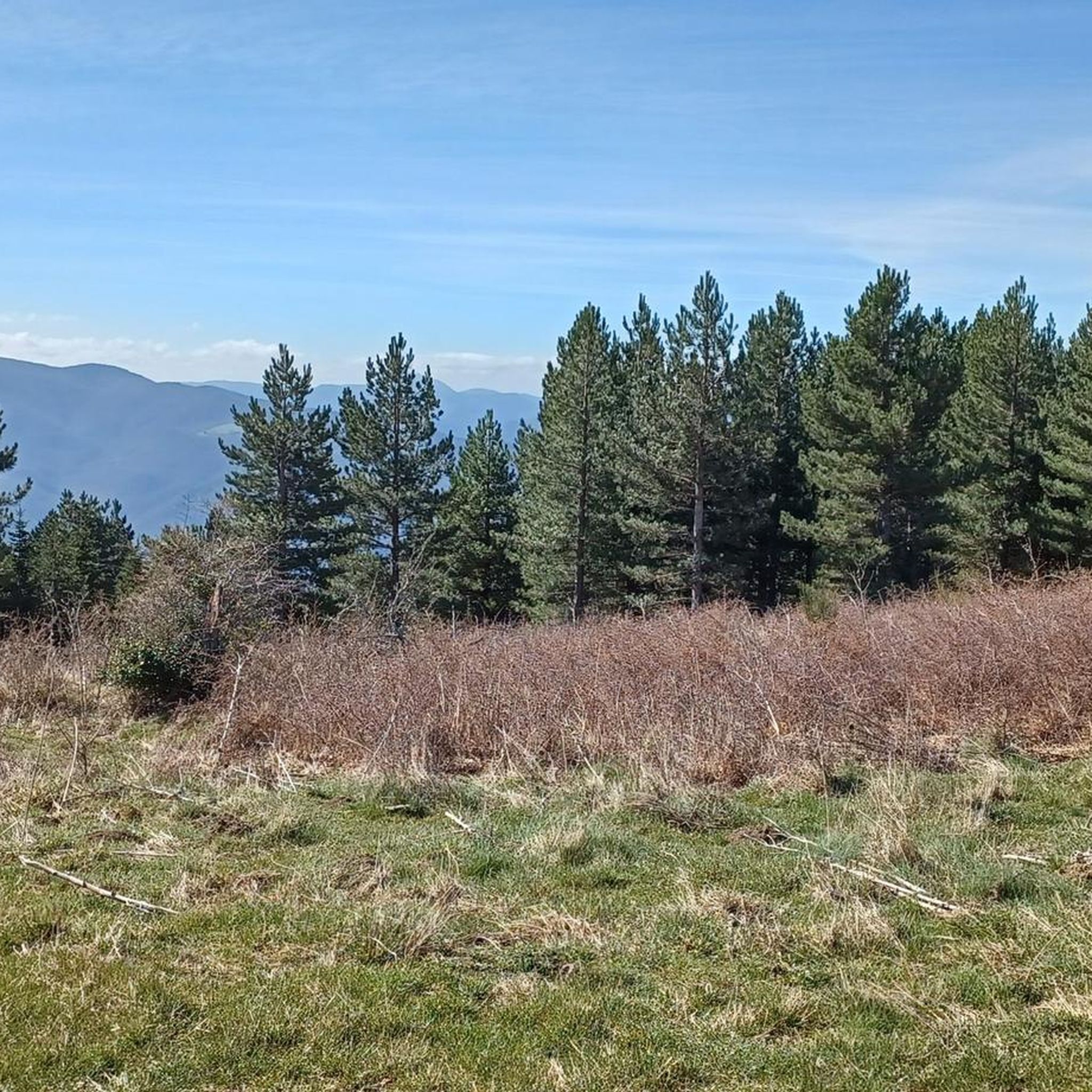
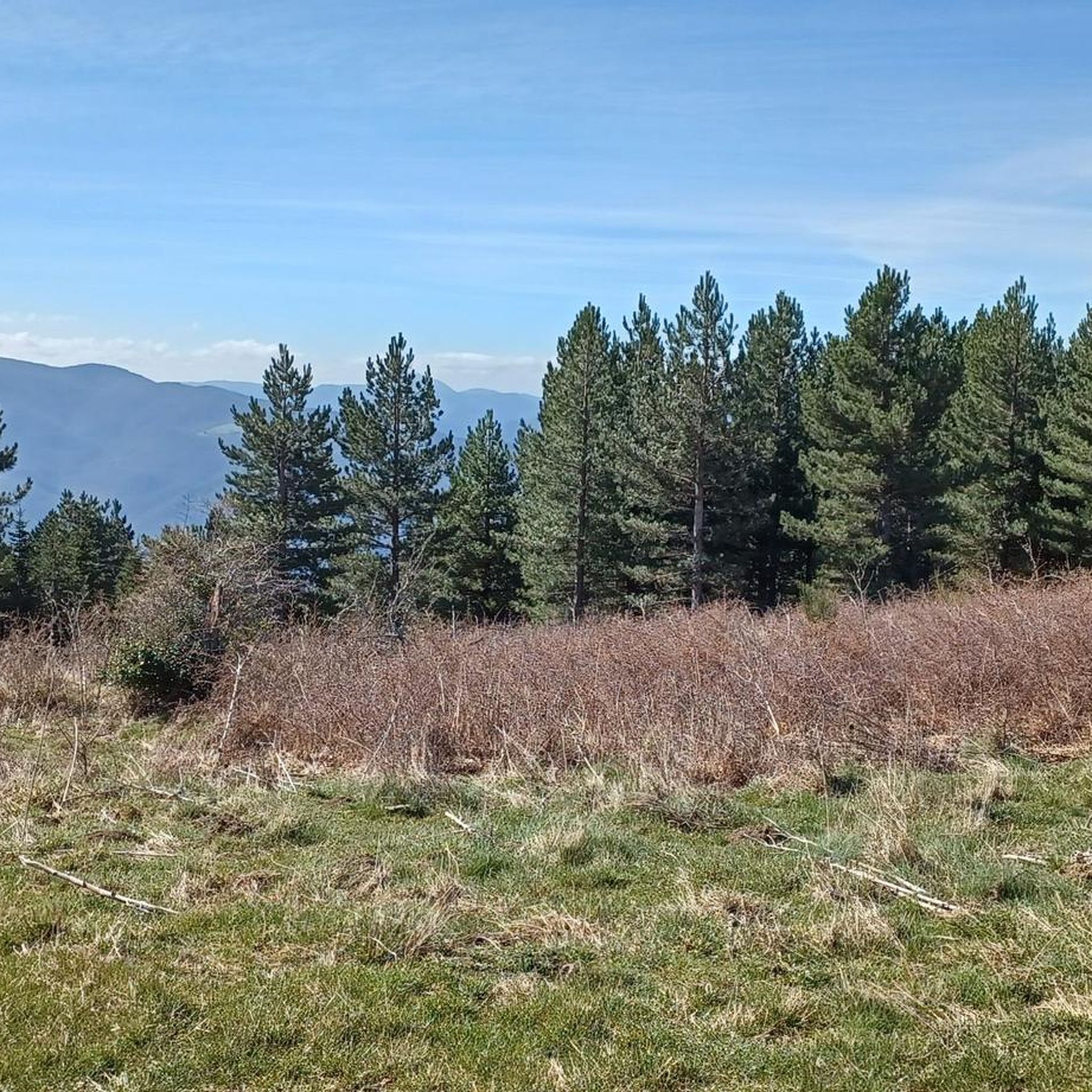
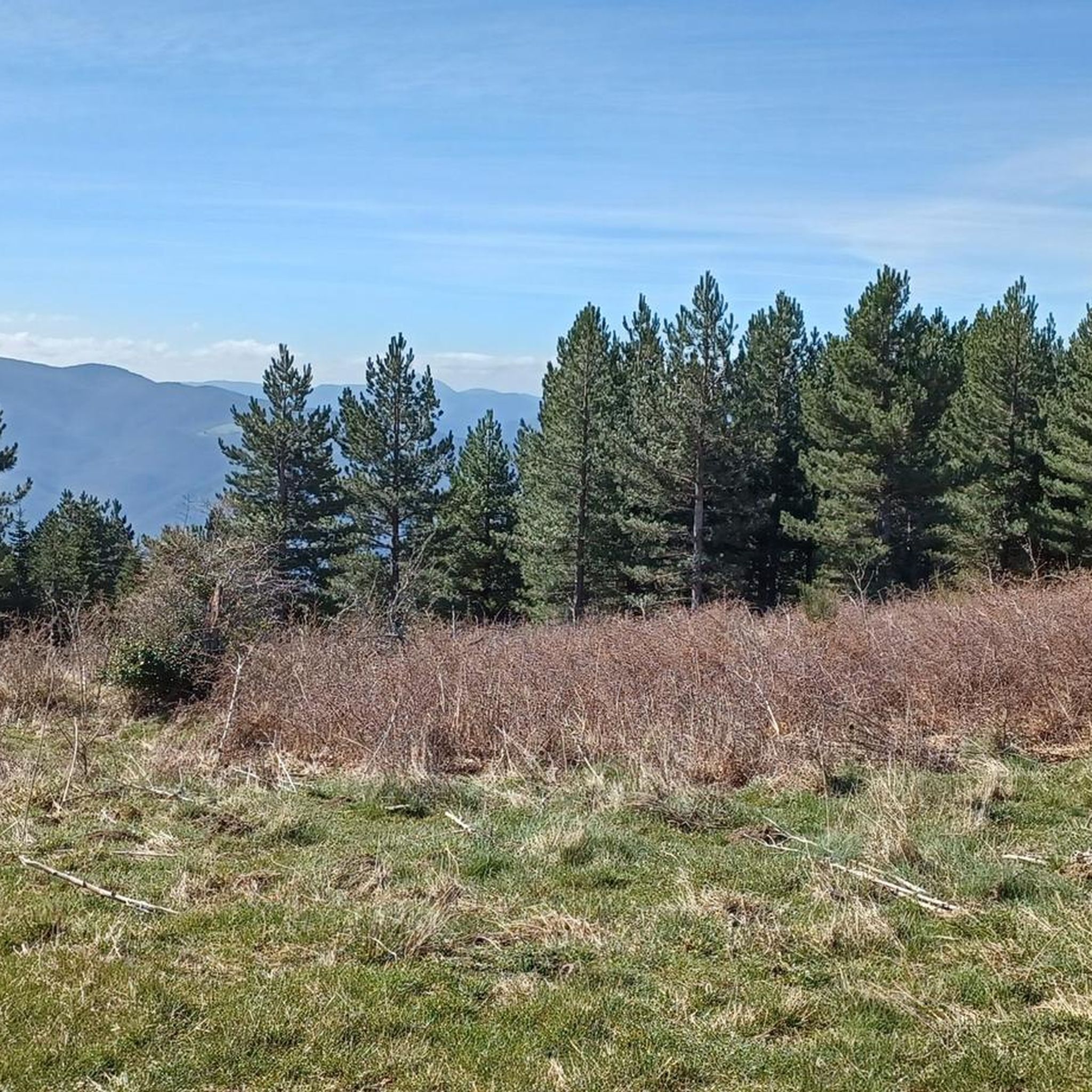
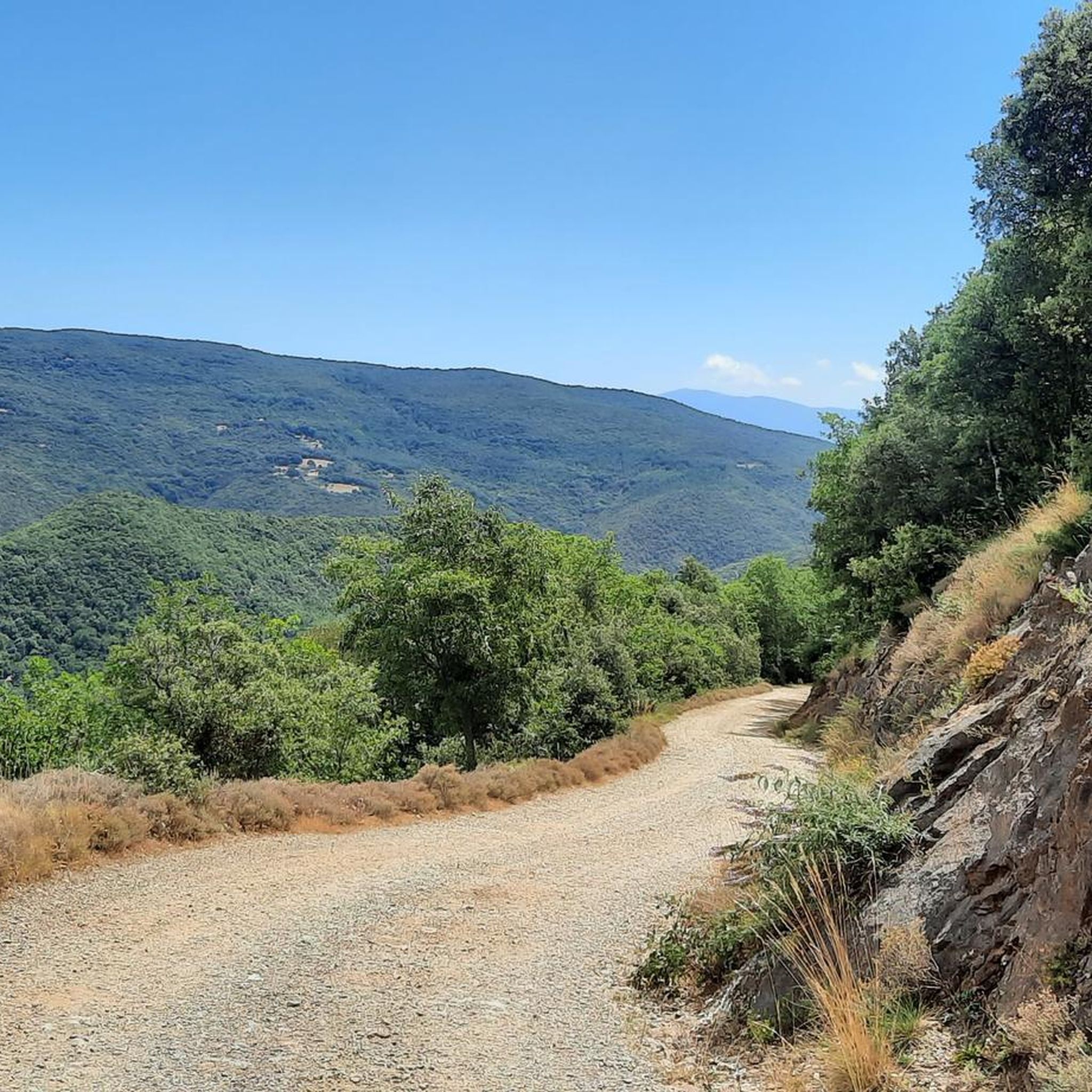
Best attractions and places to see around Taulis, a village in the Pyrénées-Orientales department of France, offer a tranquil escape. The area serves as a base for exploring the rich cultural and natural heritage of the surrounding Occitanie region. Visitors can find historical sites, natural features, and charming towns nearby. The landscape is characterized by its position within the Pyrenees, providing diverse points of interest.
Best attractions and places to see around Taulis
- The most popular attractions is Reynès Iron Bridge, a bridge with a two-story original construction for road and rail traffic. Its design features massive metal girders in a truss construction, reminiscent of the Eiffel Tower style.
- Another must-see spot is Devil's bridge, a bridge spanning the Tech River. This single arch bridge, built between 1321 and 1341, is noted for its age and medieval engineering.
- Visitors also love Céret, a town known for its southern French charm, old buildings, and plane tree-lined avenues. It features a historic town center and a vibrant weekly market.
- Taulis is known for its historical sites, natural formations, and charming towns. The region offers a variety of attractions, from ancient bridges to cultural centers and unique rock formations.
- The attractions around Taulis are appreciated by the komoot community, with more than 195 upvotes and 44 photos shared.
Last updated: May 11, 2026
Reynès Iron Bridge
Highlight • Bridge
Translated by Google •
Tip by

Devil's bridge
Highlight • Bridge
Translated by Google •
Tip by

Sign up now to discover places like this
Get recommendations on the best single tracks, peaks, & plenty of other exciting outdoor places.
Sign up for free
Pablo Picasso Square
Highlight • Monument
A fountain designed by Juliette and Jacques Damville at Place Picasso under the Spanish Gate of the old city walls of Céret celebrates the memory of this artistic act.
Translated by Google •
Tip by
Céret
Highlight • Other
Translated by Google •
Tip by
Dolmen de La Caixa de Rotllan
Highlight • Other
Source:
de.wikipedia.org/wiki/Dolmen
Translated by Google •
Tip by

Sign up for free to discover even more attractions around Taulis.
Sign up for free
Already have an account?
Start today with a free account
Your next adventure awaits.
Login or Signup

Tips from the Community

Céret is a small town in the southernmost part of France, right on the Spanish border. The town exudes southern French charm, and its weekly market, held under plane trees, is the most beautiful I know. Incidentally, the town is truly picturesque; Picasso, among others, spent a summer working here.
3
0

Translation of the information on site: "ATELIER PICASSO-BRAQUE In early July 1911, Picasso traveled to Céret and settled in the Hôtel du Canigou, also known as the Hôtel Armand, where his friend, the artist Manolo Hugué, stayed upon his arrival. Shortly thereafter, he was joined by his partner Fernande Olivier, and on August 17, by Georges Braque and his wife Marcelle. A few days later, the two artists and their partners moved into the large building. Braque and Picasso subsequently continually challenged each other, creating works that responded to each other."
0
0
A picture-perfect place; and thankfully secluded.
4
0
A place that, strangely enough, remains unknown even to most French people, yet it oozes southern French charm: old buildings in rosé and ochre-orange, numerous avenues of plane trees within the town, lovely sidewalk cafés, and, above all, no tourist stress, no plastic world. This beautiful little town is nestled on the slopes of the Pyrenees and is therefore also attractive for hikers. Braque and Picasso, incidentally, spent a working summer here.
3
0


A beautiful square in the center of Céret with beautiful facades and numerous terraces and restaurants.
2
0
The pretty village of Cerét hides corners as beautiful as this one
0
0
Frequently Asked Questions
What historical and cultural sites are prominent near Taulis?
The region around Taulis is rich in history. You can visit the Romanesque Reynès Iron Bridge, a unique two-story construction, and the ancient Devil's bridge spanning the Tech River, a masterpiece of medieval engineering. Other notable sites include the Romanesque Prieuré de Serrabone, the Benedictine Abbey in Arles-sur-Tech, and the megalithic Dolmen de La Caixa de Rotllan, also known as “Roland’s tomb”.
Are there any picturesque villages to visit near Taulis?
Yes, several charming villages are close by. Castelnou, Eus, and Villefranche de Conflent are all recognized as some of France's 'Most Beautiful Villages.' Céret also offers a historic town center with southern French charm, old buildings, and plane tree-lined avenues.
What natural attractions can I explore around Taulis?
Nature lovers can explore the dramatic Gorges de la Fou, where you can walk along the bottom of a canyon. The iconic Mount Canigou, a culturally significant peak for Catalans, dominates the landscape. Don't miss the unique rock formations of the Orgues d'Ille Sur Tet, offering a striking natural spectacle.
What kind of outdoor activities can I do near these attractions?
The area around Taulis is excellent for outdoor activities. You can find numerous routes for cycling and gravel biking. For example, explore the 'Pirinexus le Tech – Palalda loop' or the 'Reynès Iron Bridge – Le Tech loop' for gravel biking. For road cycling, consider the 'Corsavy and Montferrer Loop' or the 'Coll d'Ares – New Bridge of Camprodon loop'. You can find more details and routes on the respective guide pages for gravel biking, cycling, and road cycling around Taulis.
Are there family-friendly attractions or activities in the Taulis area?
Many attractions are suitable for families. The Reynès Iron Bridge is listed as family-friendly, offering an interesting historical sight. Exploring the Gorges de la Fou can be an exciting adventure for older children, and the picturesque villages like Castelnou provide pleasant walks and discoveries for all ages. Local markets in towns like Céret also offer a vibrant experience.
Where can I experience local culture, such as markets or art?
For local culture, visit Céret, which has a Picasso Museum and a vibrant weekly market known for its regional products and handicrafts. Other towns like Amelie-les-Bains-Palalda (Thursday) and Ille-sur-Tet (Wednesday & Friday) also host lively markets. The Musee d'Art Moderne in the vicinity pays tribute to 20th-century artists.
What do visitors enjoy most about the attractions around Taulis?
Visitors particularly appreciate the unique historical significance and engineering marvels of sites like the Reynès Iron Bridge and the Devil's bridge. The southern French charm, lack of tourist stress, and vibrant markets of towns like Céret are also highly praised. The region's blend of history, nature, and authentic local experiences is a major draw.
Are there any places for relaxation or wellness near Taulis?
Yes, for relaxation, you can visit the Thermes d'Amélie-les-Bains, located approximately 6 km from Taulis. These thermal baths offer an opportunity to unwind and enjoy the therapeutic properties of the local waters.
What is the Eglise Saint Jean de l'Evangeliste in Taulis?
The Eglise Saint Jean de l'Evangeliste is a Romanesque architectural church located within Taulis itself. It's considered a local gem and a secret worth discovering, contributing to the village's historical heritage.
Can I find local produce or specialties in the area?
Absolutely. The region around Taulis is known for its local producers. You can find organic honey from producers like Jean-Luc Verdaguer in the Rotjà valley. The local markets in nearby towns like Céret are also excellent places to discover and purchase regional products, including cheeses and handicrafts.
Are there any significant abbeys or religious monuments nearby?
Yes, the region is home to several important religious monuments. The Prieuré de Serrabone is a splendid example of Romanesque art, particularly known for its pink marble rostrum. Further afield, you can visit the significant Abbaye Saint Martin du Canigou and Abbaye Saint Michel de Cuixa, both representing key historical and religious sites in the Pyrénées-Orientales.
Most popular attractions around Taulis

Get inspired with the komoot mobile app


Explore more
Still not found the Highlight you’re looking for? See guides of the top attractions in other regions:
