Attractions and Places To See around Gouy-En-Artois - Top 20
Best attractions and places to see around Gouy-En-Artois include a variety of historical, cultural, and natural sites in the wider Artois region. Gouy-En-Artois is a small commune in the Pas-de-Calais department, serving as a convenient base for exploration. The area features significant landmarks, protected natural spaces, and historical buildings.
Best attractions and places to see around Gouy-En-Artois
- The most popular attractions is Marais de Maroeuil, a protected natural area that spans approximately 20 hectares. It is known for its…
Last updated: May 3, 2026
Marais de Maroeuil
Highlight (Segment) • Natural
Translated by Google •
Tip by

Castle adjoining the church in Habarcq
Highlight • Castle
Translated by Google •
Tip by
Sign up now to discover places like this
Get recommendations on the best single tracks, peaks, & plenty of other exciting outdoor places.
Sign up for free
Marœuil Marsh
Highlight • Other
Translated by Google •
Tip by
Saint Martin Church
Highlight • Religious Site
stone construction with a sandstone base and
an 8th …
Translated by Google •
Tip by
The Carré des Sources
Highlight • Other
Translated by Google •
Tip by

Sign up for free to discover even more attractions around Gouy-En-Artois.
Sign up for free
Already have an account?
Start today with a free account
Your next adventure awaits.
Login or Signup





Tips from the Community


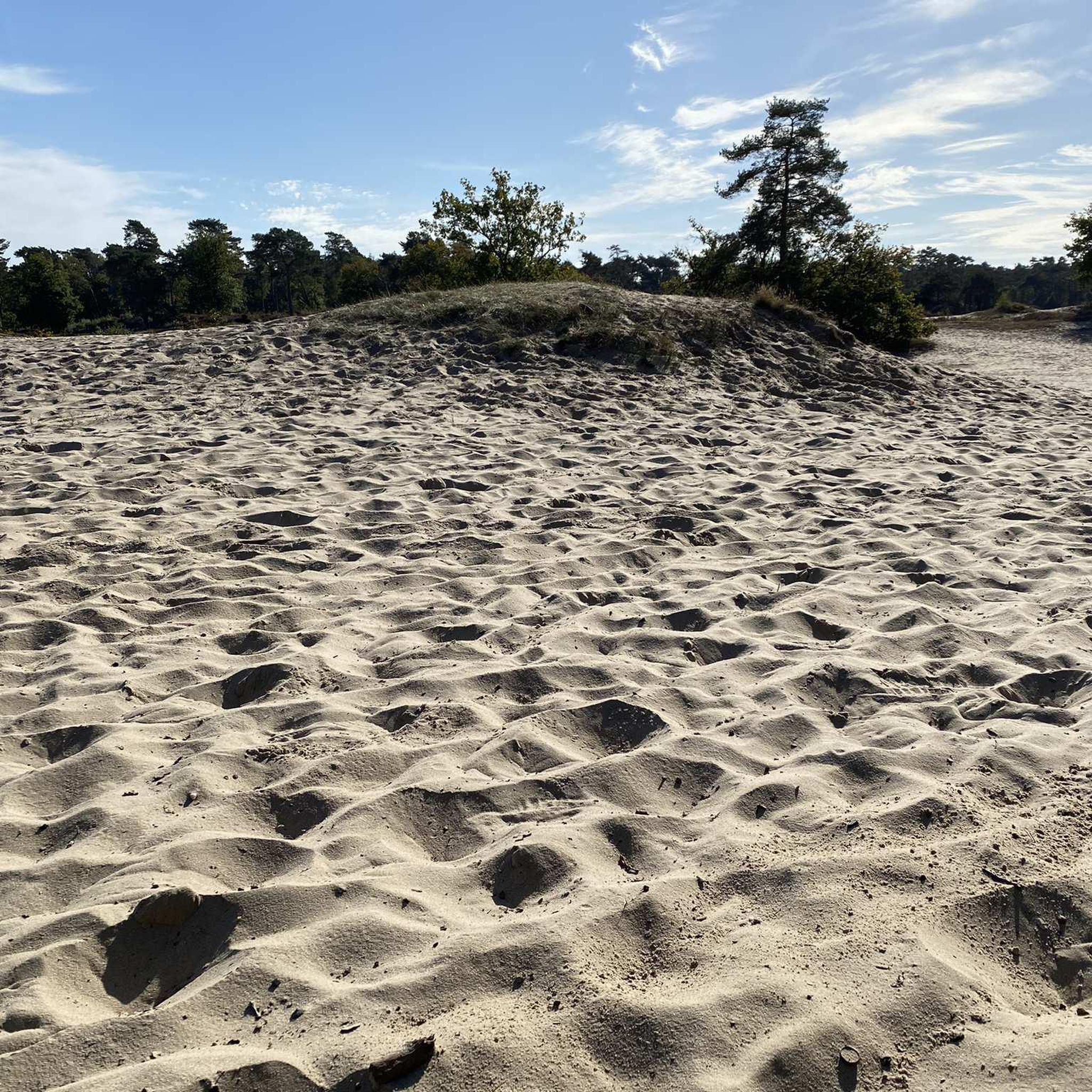
The Maroeuil Marsh natural area offers a pleasant walk along the Scarpe River, with interesting flora and fauna. The signposting is illustrated by the small Vertigo de Des Moulins snail, which you can try to spot on the marsh plants.
0
0

The Marais de Maroeuil is a swamp area of approximately 20 hectares in the municipality of Maroeuil. It is a protected natural area managed by the Conservatoire d'espaces naturels des Hauts-de-France. The swamp is home to a rich and varied flora and fauna, including the fumeterre, a rare species of orchid.
1
0
The Marais de Maroeuil is a swamp area of approximately 20 hectares in the municipality of Maroeuil. It is a protected natural area managed by the Conservatoire d'espaces naturels des Hauts-de-France. The swamp is home to a rich and varied flora and fauna, including the fumeterre, a rare species of orchid.
10
0
Listed as a historic monument, it was built in the 15th and 16th centuries. Dominating the village is this important one stone construction with a sandstone base and an 8th century bell tower. The architecture of the ship is remarkable, especially for its vaults and chapels. The first church of Agnez, whose date of construction is unknown, was destroyed in 1475 by the French troops of Louis 12. Only the tower and the choir remain. But traces of the old ship are still visible at the foot of the tower. The 15th century bell tower was raised around 1632 and topped by a stone spire. The building was then restored between 1842 and 1845 by architect A. Grigny. The interior of the church is decorated in Gothic style. The tower has a defensive appearance, which leads us to believe that it served as a lookout post during military tensions. Indeed, we can see a crenellated balustrade at the top of the tower protecting the walkway from enemy fire. Loopholes have also been created in the front of the tower so that spectators can watch without being seen. They could also shoot their attacker from cover. To complicate and delay the siege of the church, diagonal buttresses are placed on the walls of the tower. We can also note that the tower does not have large windows that could facilitate the penetration of attackers into the church. The only openings in the tower are the abat sounds that allowed to spread the sound of the bells, used in certain cases to warn the population of an attack.
2
0
The current castle with a beautiful weathercock.
4
0
The Église Saint-Martin in Habarcq is a historic building with a rich history. It was originally built in the 13th century by Jehan de Habarcq, but was quickly destroyed and burned during the conflicts between Louis the French Revolution. The church has a number of unique features, including the fact that it was originally a chapel attached to the de Habarcq family castle. It only became a parish church in 1806. Inside the church there were windows (which are still visible) that allowed the gentlemen to attend religious ceremonies without having to move. Built in the Gothic style, the church has a number of interesting architectural features, including richly decorated windows depicting vegetative and animal motifs from the medieval bestiary. Above the first window you can see the coat of arms of the Count of Lens, lord of Habarcq. The church is located in the heart of the village and is partly hidden by its proximity to the castle. The interior is completely covered in woodwork and paneling, said to come from a cedar tree from Lebanon that once stood in the castle's park and was uprooted by a storm in 1940.
4
0
The castle adjoining the Habarcq church is a historic monument located in Habarcq. The facades and roofs of the castle are listed as historical monuments by decree of April 5, 1948. The castle is private property
4
0
Frequently Asked Questions
What kind of natural attractions can I explore near Gouy-en-Artois?
The region offers several natural highlights. You can visit Marais de Maroeuil, a protected natural area spanning about 20 hectares, known for its diverse flora and fauna, including rare orchid species. Another interesting natural site is The Carré des Sources in Rivière, where springs feed the Crinchon river, providing exceptionally fresh and clear water. Additionally, the Marais de Wagnonville and Forêt d'Hesdin are within reach for nature enthusiasts.
Are there historical sites or landmarks to visit around Gouy-en-Artois?
Yes, the area is rich in history. You can explore the Château de Bavincourt, a historical castle built by François Deslions. The Saint Martin Church in Agnez-lès-Duisans is a remarkable Gothic religious building listed as a historic monument. Further afield, the Arras Citadelle (a UNESCO World Heritage site) and the Carrière Wellington museum offer insights into military history, particularly WWI.
What outdoor activities are available near Gouy-en-Artois?
You can enjoy various outdoor activities. For cycling, explore routes like the 'Château de Bavincourt – Château de Barly loop' or 'The Carré des Sources – Along the Crinchon loop'. Gravel biking options include 'Citadel Paths of Arras' loops. If you prefer running, there are several running loops available, such as those starting from Basseux or Saulty. For more details on routes, you can check the Gravel biking around Gouy-En-Artois, Cycling around Gouy-En-Artois, and Running Trails around Gouy-En-Artois guides.
Are there any family-friendly attractions or activities in the area?
While specific family-friendly attractions aren't detailed, many natural sites like Marais de Maroeuil offer gentle paths suitable for family walks. Exploring the historical 'Heritage Villages' in the Pays d'Artois region, such as Mont-Saint-Eloi or Etrun, can also be an engaging activity for families, often featuring discovery trails.
What are some unique cultural experiences near Gouy-en-Artois?
Beyond the major historical sites, you can immerse yourself in local culture by visiting the 'Heritage Villages' (Village Patrimoine©) in the Pays d'Artois region. These villages, including Hermaville and Pas-en-Artois, offer insights into local heritage and architecture. Additionally, local markets in nearby towns like Arras (Wednesday, Thursday, Sunday, Saturday) and Doullens (Thursday) provide a vibrant experience of local life and produce.
What do visitors particularly enjoy about the attractions around Gouy-en-Artois?
Visitors appreciate the diversity of the attractions, from the tranquility of natural marshlands like Marais de Maroeuil to the historical depth of centuries-old architecture such as the Saint Martin Church. The komoot community has shown strong appreciation, with over 100 upvotes and 20 photos shared, highlighting the scenic beauty and historical significance of the sites.
Are there any notable gardens or parks to visit?
Yes, the region boasts several beautiful gardens. The Parc du château de Sericourt and the Jardin du château de Maizicourt are remarkable. You might also enjoy Le Jardin des Lianes and The Sans-Soucis Gardens in Sarton, which feature impressive topiary and a harmonious backdrop to a 16th and 17th-century manor house.
Where can I find information about World War I remembrance sites?
The area is significant for WWI history. The Vimy Memorial and National Commemorative Park is a prominent site honoring Canadian soldiers. Other remembrance sites include the Monument to the 37th British Division and La Targette French National Necropolis, offering a poignant look into the region's past.
What is the best time of year to visit Gouy-en-Artois for exploring attractions?
The Hauts-de-France region generally experiences mild weather, making spring (April-June) and autumn (September-October) ideal for exploring, with pleasant temperatures for outdoor activities and fewer crowds. Summer (July-August) is also popular, especially for enjoying the gardens and natural areas, though it can be warmer.
Are there any UNESCO World Heritage sites nearby?
Yes, the region is home to several UNESCO World Heritage sites. The Arras Citadelle and the Belfry and Town Hall of Arras are both UNESCO-listed. Additionally, the stunning Amiens Cathedral, a 13th-century Gothic masterpiece, is located about 44 km southwest of Gouy-en-Artois and is also a UNESCO site.
Can I find any hidden gems or lesser-known spots?
Beyond the main attractions, consider visiting the Castle adjoining the church in Habarcq, a private historic monument with a rich past. The Saint Martin Church in Agnez-lès-Duisans, with its defensive tower features, also offers a unique historical perspective. Exploring the various 'Heritage Villages' can also lead to charming discoveries off the beaten path.
What kind of historical architecture can I see in the churches nearby?
The churches in the area showcase diverse historical architecture. The Saint Martin Church in Agnez-lès-Duisans is notable for its Gothic style, vaults, and chapels, with parts dating back to the 15th century and an 8th-century bell tower base. The Église Saint-Martin in Habarcq, originally a 13th-century chapel, also features Gothic elements and unique decorative windows.
Most popular routes around Gouy-En-Artois

Get inspired with the komoot mobile app


Explore more
Still not found the Highlight you’re looking for? See guides of the top attractions in other regions:
