Attractions and Places To See around Lisbourg - Top 15
Best attractions and places to see around Lisbourg include a variety of historical, cultural, and natural sites. Lisbourg, a tranquil rural commune in the Pas-de-Calais department of France, serves as a base for exploring the wider Hauts-de-France region. The area is characterized by its peaceful environment and proximity to notable landmarks and natural features. Visitors can discover points of interest ranging from historic buildings to natural reserves.
Best attractions and places to see around Lisbourg
- The most popular attractions is…
Last updated: July 2, 2026
Moulin Espagnol d'Enquin les Mines
Highlight • Other
Translated by Google •
Tip by

Birthplace of Saint Benoît Labre
Highlight • Other
Translated by Google •
Tip by
Sign up now to discover places like this
Get recommendations on the best single tracks, peaks, & plenty of other exciting outdoor places.
Sign up for free
Amettes
Highlight • Settlement
Translated by Google •
Tip by

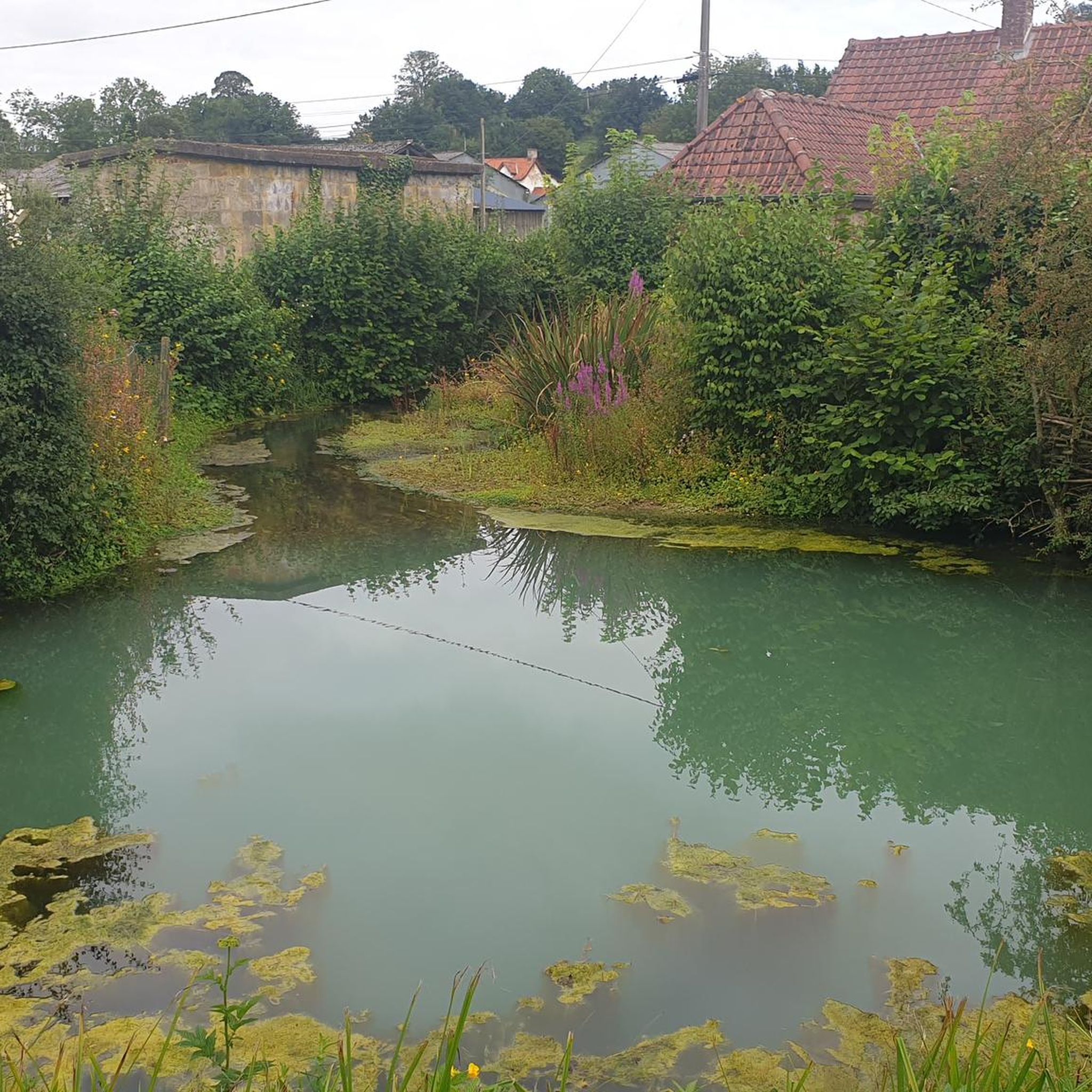
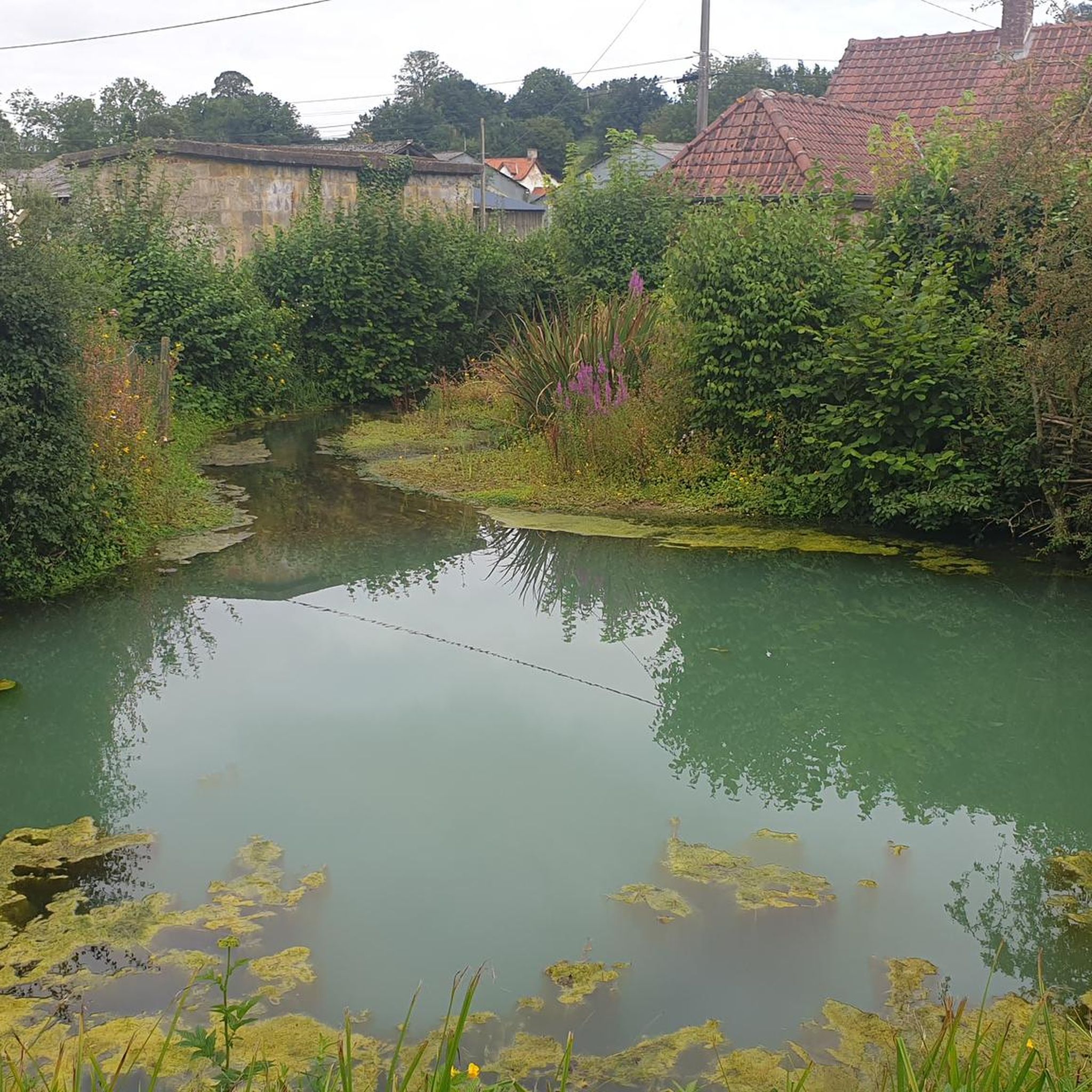
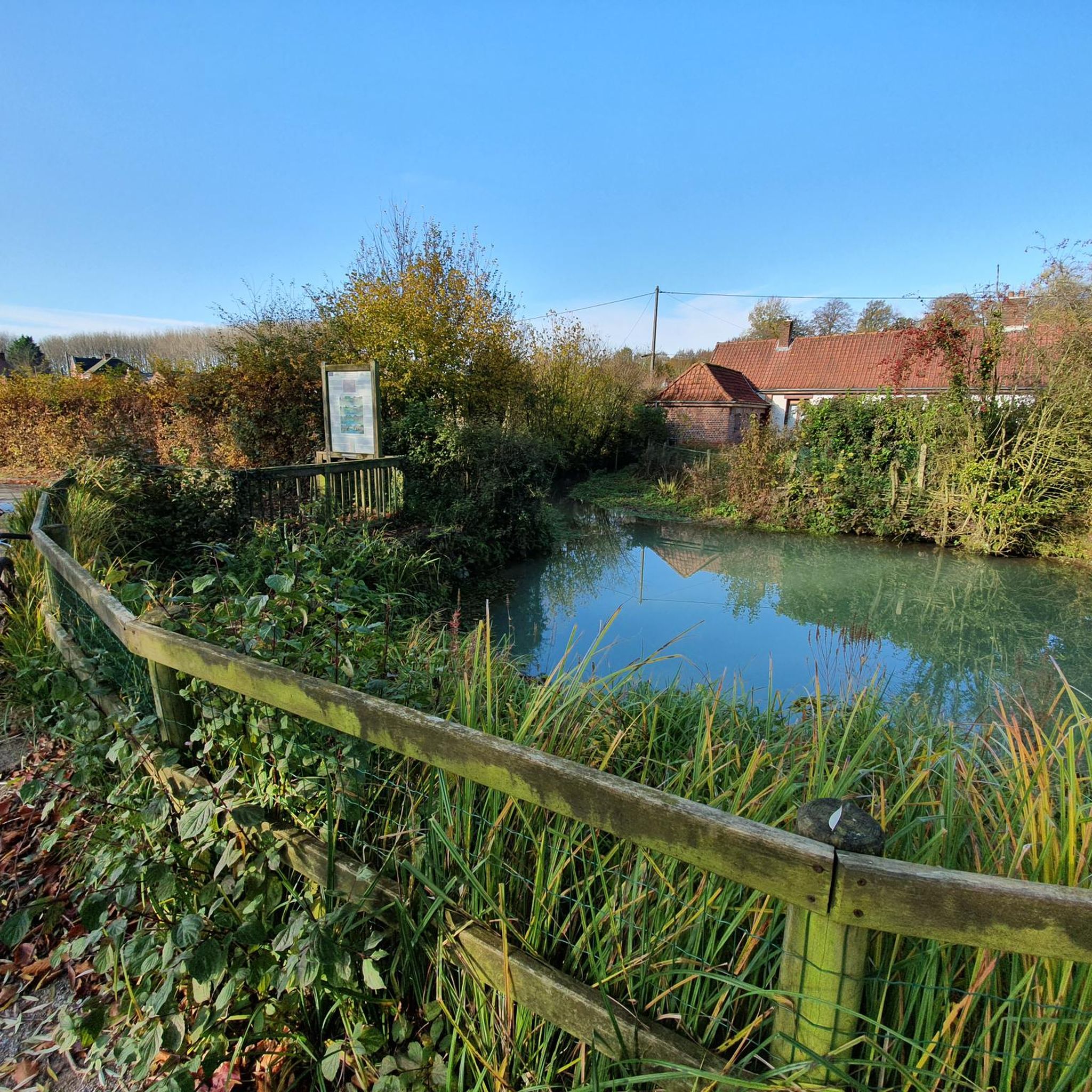
Source of the River Lys
Highlight • Other
Tip by

Enquin les Mines
Highlight • Other
Translated by Google •
Tip by
Sign up for free to discover even more attractions around Lisbourg.
Sign up for free
Already have an account?
Start today with a free account
Your next adventure awaits.
Login or Signup


Tips from the Community

The source of the Leie (French: la source de la Lys) is located in the small French village of Lisbourg, situated in the Pas-de-Calais department in the Hauts-de-France region. The river originates here at an altitude of approximately 115 meters and flows via Aire-sur-la-Lys towards Belgium, eventually flowing into the Scheldt in Ghent after approximately 202 kilometers.
0
0

A very well-known place for pilgrims and a good tavern which recently reopened: LA TABLE DE ST BENOIT.
0
0

This picturesque village owes much of its fame to the birth of Saint Benedict Joseph Labre, born in the village in 1748. It is also an essential stop on the religious route of the Via Francigena.
0
0

The patron saint of the marginalized, Saint Benedict Joseph Labre, was born in 1748 in the picturesque village of Amettes. He is better known as "God's Traveler." A French mendicant pilgrim, he traveled the roads of Europe, from sanctuary to sanctuary until his final stop: Rome. He was canonized in 1881. The birthplace of Saint Benedict Joseph, a small chalet, has become an important pilgrimage site in Artois, dedicated to his memory and housing his belongings.
0
0
Enquin was located on the western edge of the Nord-Pas-de-Calais coal basin, which was mined on a large scale in the 19th century and around 1850 coal was also being sought in Enquin. Initially, the mine had a good yield. The mining company built a town with miners' houses between Enquin and Fléchinelle. In 1905, the name of the municipality was changed from Enquin to Enquin-les-Mines, referring to the mining. However, the mine suffered somewhat from poorer access and less large coal and ultimately proved to be unprofitable. The mine closed definitively in 1928.
9
0
Patron saint of the marginalized, Saint Benoît-Joseph Labre was born in the picturesque village of Amettes in 1748. He is better known as the “wanderer of God”. A French beggar pilgrim, he traveled the roads of Europe going from sanctuary to sanctuary until his final stop: Rome. He was canonized in 1881. The birthplace of Saint Benoît-Joseph, a small country cottage, has become a major place of pilgrimage in Artois dedicated to his memory bringing together objects that belonged to him.
1
0
This Spanish mill was built around 1635, on the banks of the Lacquette River. It produced flour until 1938, then milling for livestock. It was bought in 1974 to be transformed into a home. It is built with brick and stone (white limestone). All that remains of the original building is the north gable (17th century), and also a porch. The water wheel is still in place but it no longer turns. The dam forms a pretty waterfall. A turret was added on the river side. It is a very beautiful private home with a beautiful garden in which you can see a stone fountain.
9
0

The Spanish mill of Enquin les Mines is a former water mill which dates from the 17th century and was used to produce flour and animal feed until 1938. It is today a private residence with a beautiful garden and a fountain. You can admire the old brick and stone building, the restored waterwheel and the waterfall created by the dam on the Laquette.
3
0
Frequently Asked Questions
What historical sites can I visit near Lisbourg?
The area around Lisbourg is rich in history. You can explore the interactive museum at Birthplace of Saint Benoît Labre, a significant pilgrimage site in Artois. Further afield, consider visiting the Moulin Espagnol d'Enquin les Mines, a historic water mill dating back to 1635. Other notable historical attractions include the Azincourt 1415 museum, the atmospheric Bours Tower, and the historic town of Aire-sur-la-Lys.
Are there any natural attractions or features to see around Lisbourg?
Yes, Lisbourg is surrounded by natural beauty. You can visit the Source of the River Lys, a fascinating natural point. The Forêt d'Hesdin offers opportunities for walks amidst natural beauty, and the Réserve naturelle nationale des grottes et des pelouses d'Acquin-Westbécourt et des coteaux de Wavrans-sur-l'Aa is a national nature reserve featuring caves and grasslands.
What cultural experiences are available in the Lisbourg region?
Beyond historical sites, the region offers several cultural experiences. You can visit the picturesque village of Amettes, known as the birthplace of Saint Benedict Joseph Labre and a stop on the Via Francigena. The Abbaye de Belval and Valloires Abbey are worth visiting for their architecture and heritage. Additionally, towns like Saint-Omer and Montreuil-sur-Mer offer attractive centers with well-preserved houses and fortified walls.
Are there family-friendly activities or attractions near Lisbourg?
For families, Dennlys Parc, an amusement park located approximately 8.8 km from Lisbourg, offers entertainment. Many of the natural areas, such as Forêt d'Hesdin, are suitable for family walks. Exploring the historic towns and villages like Aire-sur-la-Lys or Montreuil-sur-Mer can also be an engaging activity for all ages.
What outdoor activities can I do near these attractions?
The area around Lisbourg is excellent for outdoor activities. You can find numerous routes for mountain biking, cycling, and running. For specific routes, explore the MTB Trails around Lisbourg, Cycling around Lisbourg, and Running Trails around Lisbourg guides.
Where can I find local markets near Lisbourg?
To experience local life and find regional produce, several nearby towns host markets. Fruges has a market on Saturdays (6km away), Aire-sur-la-Lys on Fridays (19km away), and Hesdin on Thursdays (20km away). These markets are a great way to immerse yourself in the local culture.
What are some notable gardens or parks in the vicinity of Lisbourg?
The region boasts several beautiful gardens. You can visit the Parc du château de Sericourt, the highly-regarded Jardin des Lianes, and the formal Jardins de Valloires associated with Valloires Abbey. The Jardin du château de Maizicourt is also a beautiful option slightly further afield.
What is the significance of Amettes?
Amettes is a picturesque village primarily known as the birthplace of Saint Benedict Joseph Labre in 1748. It is also an essential stop on the religious route of the Via Francigena, making it a significant site for pilgrims.
Can you tell me more about the Moulin Espagnol d'Enquin les Mines?
The Moulin Espagnol d'Enquin les Mines is a historic water mill built around 1635 on the banks of the Lacquette River. It operated until 1938, producing flour and animal feed. Today, it is a private residence, but its distinctive brick and stone architecture, along with its still-present water wheel and a pretty waterfall, make it a beautiful sight.
What is the history behind Enquin les Mines?
Enquin les Mines was historically significant due to its location on the western edge of the Nord-Pas-de-Calais coal basin. Coal mining began there in the 19th century, leading to the construction of miners' houses. The municipality even changed its name from Enquin to Enquin-les-Mines in 1905 to reflect this. Although the mine proved unprofitable and closed in 1928, its history is an interesting part of the local heritage.
Are there any significant museums or centers of remembrance nearby?
Yes, for those interested in history and remembrance, the Azincourt 1415 museum offers an interactive experience detailing the historic Battle of Agincourt. Additionally, La Coupole Centre D'histoire in Helfaut is a significant historical museum focusing on World War II and the V-weapons program.
What are some of the best towns to visit for their architecture or charm?
Beyond Lisbourg, several towns in the region are worth visiting for their architectural beauty and charm. Aire-sur-la-Lys is recognized as a 'recommended detour' with historical highlights. Saint-Omer is known for its attractive town center with well-preserved houses, and Montreuil-sur-Mer is a fortified town with a pleasant historic center. Arras, the departmental capital, boasts a belfry and numerous baroque-style houses.

Get inspired with the komoot mobile app


Explore more
Still not found the Highlight you’re looking for? See guides of the top attractions in other regions:
