The 20 Most Amazing Peaks around Py
Best mountain peaks around Py are found in a region that forms a natural border, likely referring to the Pyrenees mountain range. This area is characterized by its majestic peaks, diverse landscapes, and significant cultural heritage. The region offers a variety of mountain experiences, from challenging climbs to scenic viewpoints. It is known for its well-preserved natural environments and rich flora and fauna.
Best mountain peaks around Py
- The most popular mountain peaks is Canigou, a summit that culminates…
Last updated: August 31, 2026
Canigou
Highlight • Summit
Showing Translation
Tip by

Pic de la Pena
Highlight • Summit
Tour to the highlight: komoot.de/tour/340851629?ref=itd
Translated by Google •
Tip by

Sign up now to discover places like this
Get recommendations on the best single tracks, peaks, & plenty of other exciting outdoor places.
Sign up for free
Costabona Summit (2,480 m)
Highlight • Summit
Costabona is located at the junction of the Canigó massif with the axis of the Pyrenees and therefore has a privileged view over …
Translated by Google •
Tip by

Roca Colom summit
Highlight • Summit
Translated by Google •
Tip by
Bastiments Peak (2,881 m)
Highlight • Summit
It invites you to a longer ridge crossing.
Translated by Google •
Tip by

Sign up for free to discover even more peaks around Py.
Sign up for free
Already have an account?
Start today with a free account
Your next adventure awaits.
Login or Signup
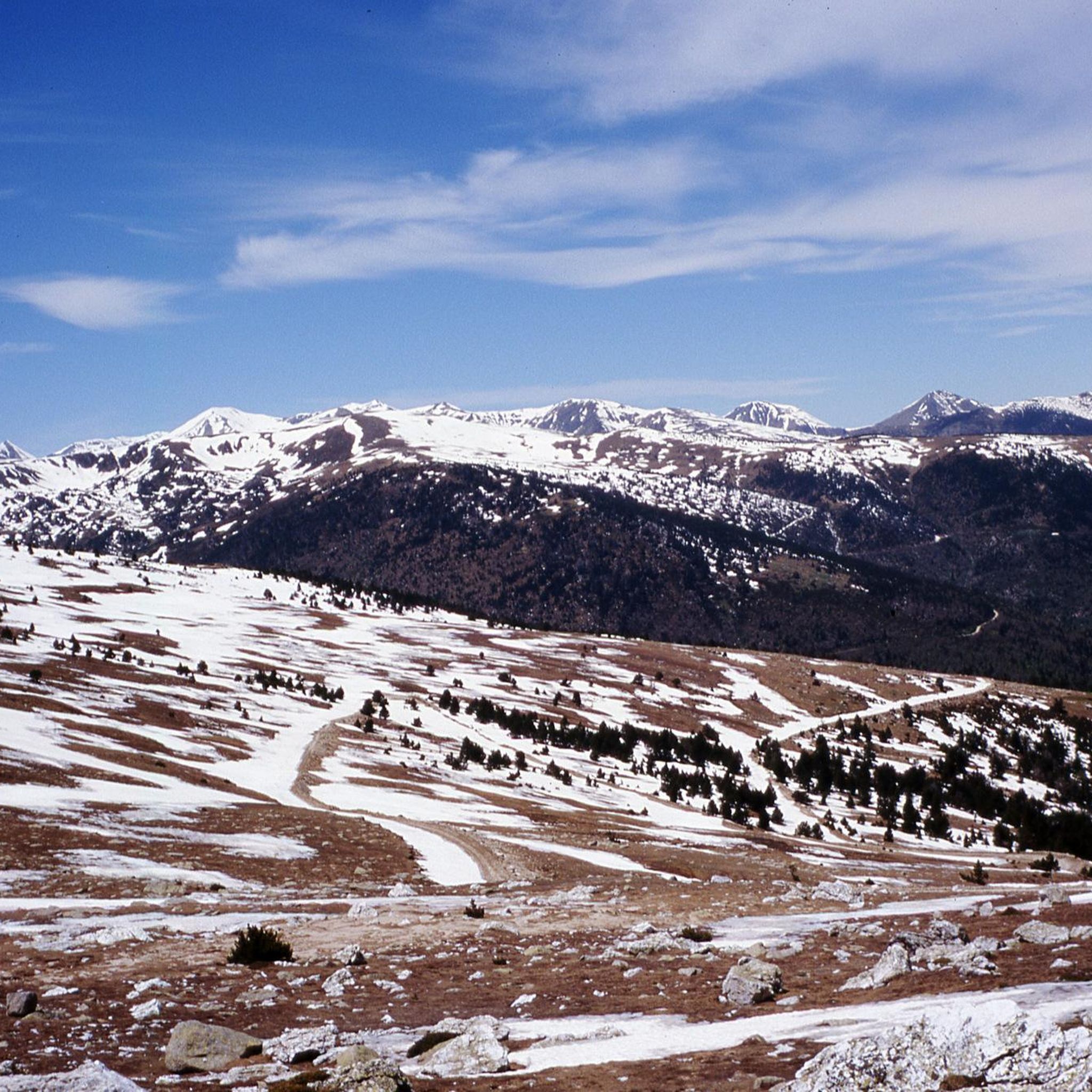
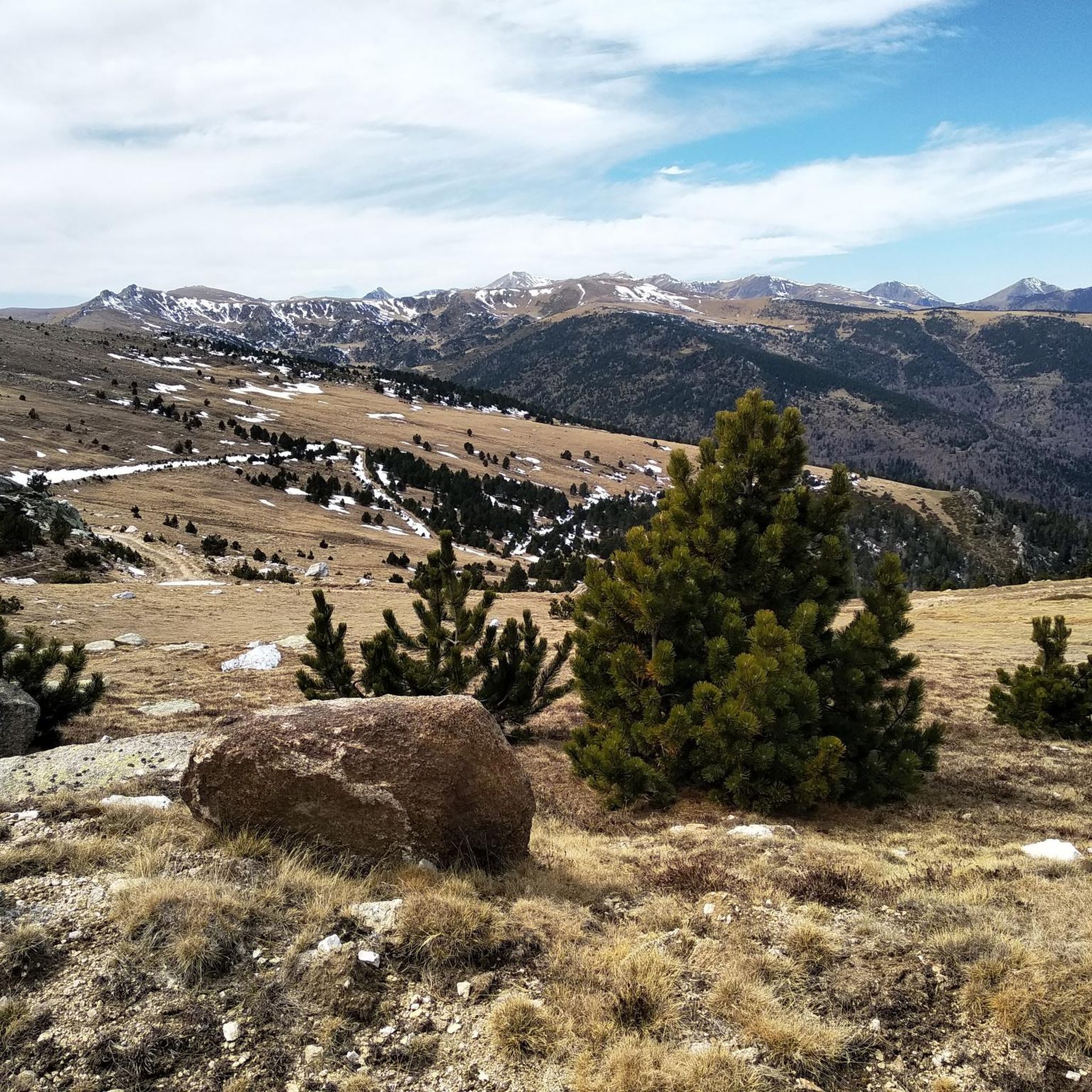


Other adventures around Py

Tips from the Community

Walk without too much difficulty
0
0

Generally shaded, this loop can be done in hot weather.
0
0

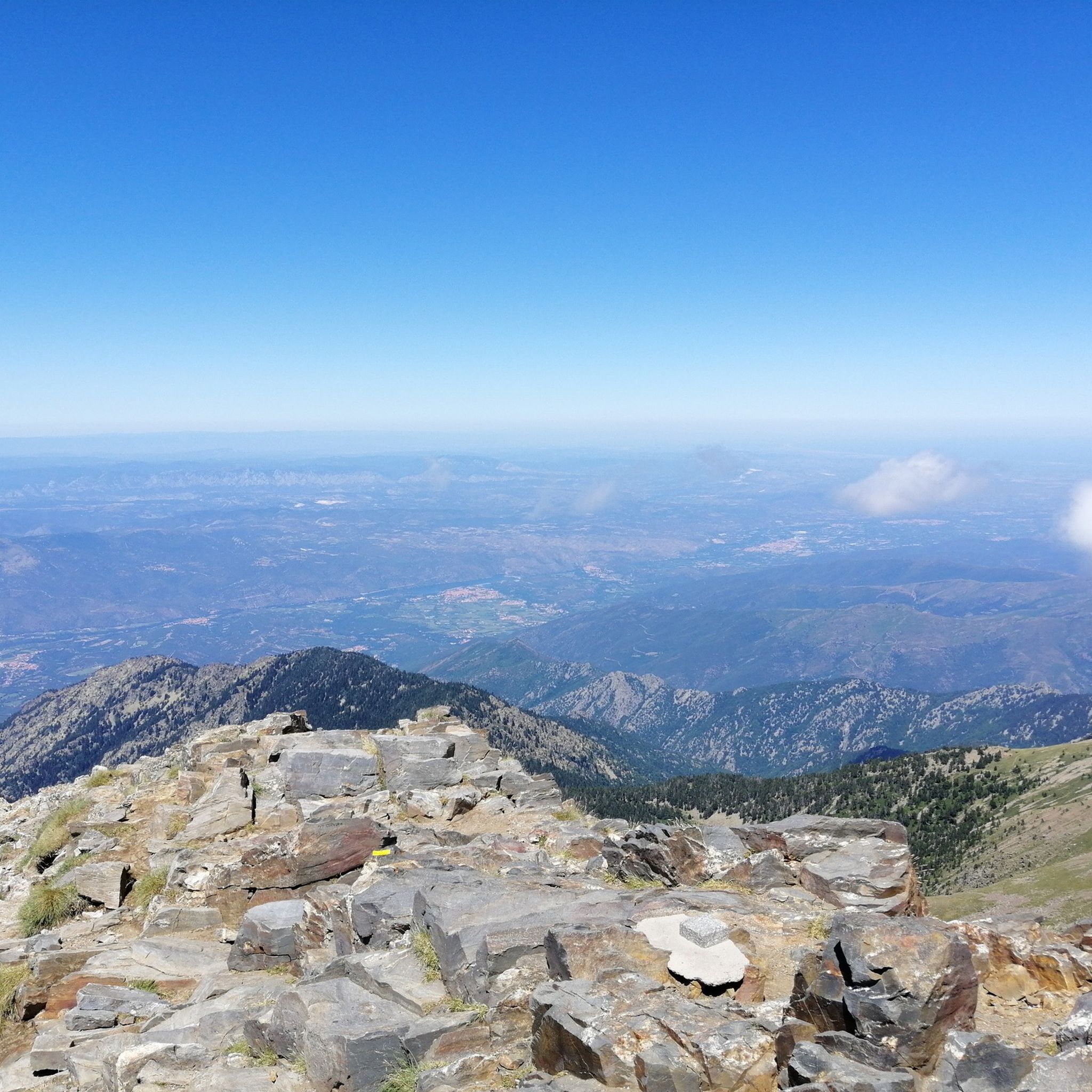
The classic and probably most visited peak in the eastern Pyrenees. Due to its location, this mountain can be seen far into France. The gravel road to the Ras dels Cortalets parking lot requires good shock absorbers (please correct if driving there is no longer permitted). From there, it's only another 600 meters in altitude via Pic Joffre to the summit. The second ascent from the south is a bit more demanding - which also makes a traverse possible.
2
3
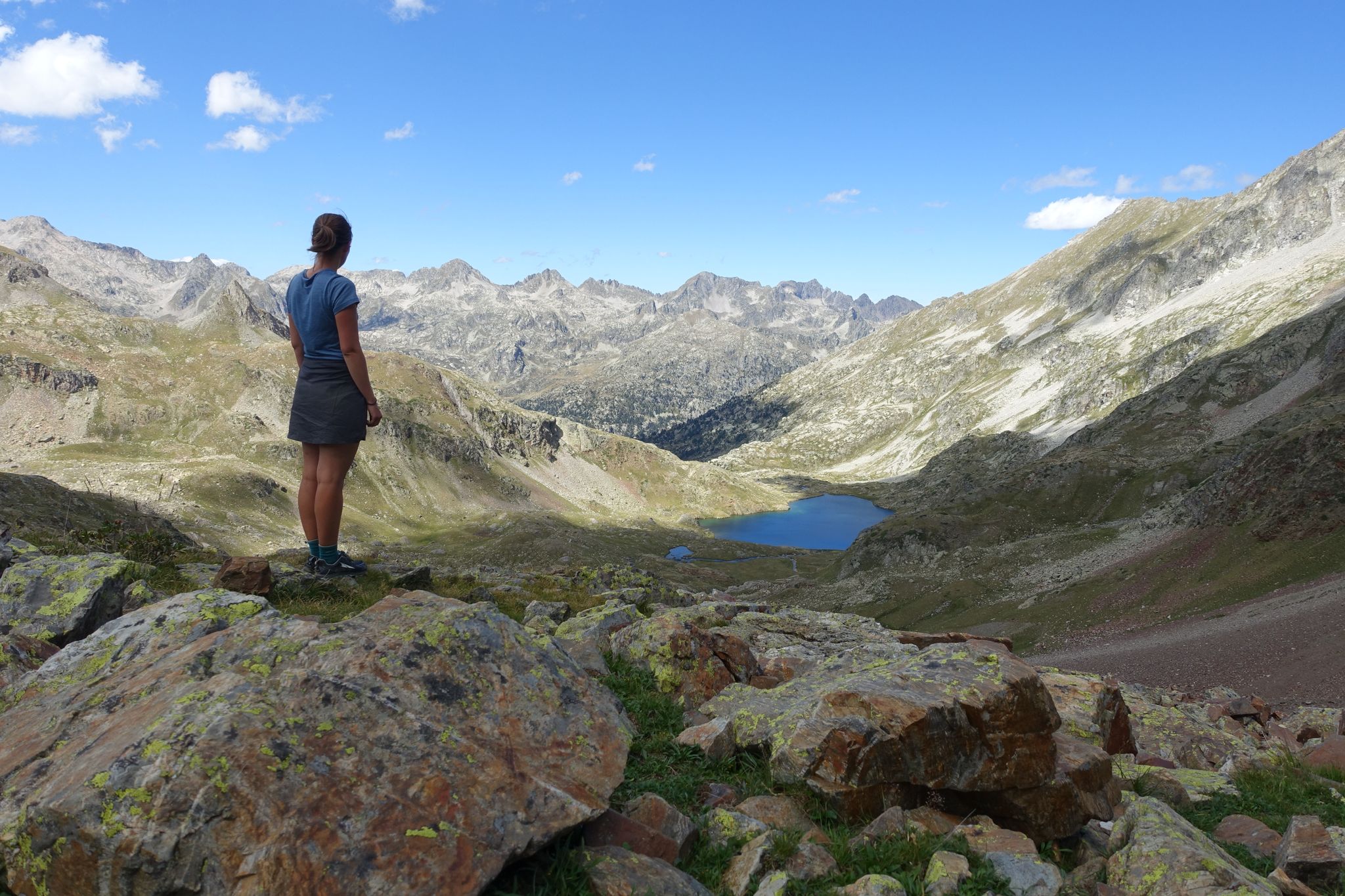
At 2,881 m, it is the highest peak on the ridge, reaching Puigmal. It invites you to a longer ridge crossing.
2
0

Magnificent summit, one of the emblems of Catalonia, the ascent and descent made by the famous chimney more impressive than difficult
0
0

Very busy peak. You can continue along the ridge in a westerly direction to the Pic de l'Infern
0
0


The most characteristic peak of the area. In good weather, it is easily accessible from Vallter.
0
0
Frequently Asked Questions
What are some of the most popular mountain peaks around Py?
The region around Py, which refers to the Pyrenees, offers several highly-rated peaks. Among the most popular are Canigou, a significant summit at 2,784 meters known for its cultural importance to Catalans and panoramic views. Another favorite is Pic de la Pena, offering magnificent panoramas at 1,062 meters. Costabona Summit (2,480 m) is also highly appreciated for its privileged views over the region.
Are there any family-friendly mountain peaks to visit in the Pyrenees region?
Yes, Costabona Summit (2,480 m) is noted as family-friendly. It offers splendid panoramic views with a very moderate effort, making it an excellent choice for those not accustomed to strenuous walking. Its accessibility and rewarding vistas make it a recommended climb for families.
What is the best time to visit the Pyrenees mountains for hiking?
The best time for hiking in the Pyrenees generally spans from late spring to early autumn (May to October). During these months, the weather is typically more stable, and trails are clear of snow at lower and mid-altitudes. For higher peaks, late summer (July and August) often provides the most favorable conditions, though some challenging ascents may still require specific gear due to glaciers or snow patches.
What kind of natural features can I expect to see on the mountain peaks around Py?
The Pyrenees are renowned for their diverse natural beauty. You can expect to see majestic peaks, deep valleys, and dramatic limestone formations, such as those found around Monte Perdido. Glaciers, like the Ossoue glacier on Vignemale, are also present on some of the higher peaks. The region boasts rich flora and fauna, including chamois, mouflon, and golden eagles, especially within national parks like Ordesa y Monte Perdido and Pyrénées National Park.
Are there challenging mountain peaks for experienced climbers in the Pyrenees?
Absolutely. The Pyrenees offer numerous challenging peaks for experienced mountaineers. Aneto, at 3,404 meters, is the highest peak and often requires glacier travel with ice axes and crampons. Pico Posets (3,375 m) and Vignemale (3,298 m) also present challenging routes and classic mountaineering experiences. Bastiments Peak (2,881 m) is another challenging summit, offering spectacular views and inviting longer ridge crossings.
What outdoor activities can I do near the mountain peaks around Py?
Beyond peak bagging, the region offers a wide array of outdoor activities. You can find numerous hiking trails, from easy strolls to difficult multi-day treks. For instance, you can explore routes like the 'Mentet Pass – Roca Colom summit loop' or the 'Jou Pass – Goa Tower loop' for hiking. There are also extensive options for road cycling, such as the 'Ascent of Mont-Louis and col de la Llose,' and mountain biking trails, including the 'Mariailles Refuge – Mantet Pass loop.' You can find more details on these activities in the hiking guide, road cycling guide, and MTB guide for the area.
Are there any mountain peaks with cultural or historical significance in the Pyrenees?
Yes, several peaks hold deep cultural and historical importance. Canigou is considered a symbol of Catalonia and a sacred mountain, with a tradition of ascending it to witness the sunrise on the summer solstice. Vignemale has historical significance in mountaineering, being one of the few Pyrenean peaks to retain a glacier. Pic du Midi de Bigorre is home to a famous astronomical observatory, blending natural beauty with scientific exploration.
Can I access any of the Pyrenean peaks without extensive hiking?
Yes, Pic du Midi de Bigorre offers an accessible option. A cable car transports visitors directly to the summit, where they can enjoy spectacular panoramic views of the entire Pyrenean chain without the need for a strenuous hike. This makes it a great choice for those seeking views with less physical exertion.
What are some less crowded mountain peaks or trails in the Pyrenees?
While popular peaks attract many visitors, exploring lesser-known routes or visiting during off-peak seasons can lead to a more tranquil experience. Peaks like Roca Colom, while part of popular hiking routes like the GR 11 variant, offers impressive views and can be accessed via various paths, potentially allowing for quieter ascents depending on the starting point and time of day. Exploring the broader range of peaks beyond the absolute highest can also lead to more secluded trails.
What should I pack for mountain treks in the Pyrenees?
For mountain treks in the Pyrenees, essential packing includes appropriate layers of clothing for varying weather conditions, sturdy hiking boots, a waterproof jacket, and sun protection. Depending on the specific peak and season, you might also need an ice axe and crampons for glacier travel (e.g., Aneto, Vignemale). Always carry sufficient water, snacks, a map, compass or GPS device, and a first-aid kit. For overnight stays, a sleeping bag and refuge booking are necessary.
Are there any multi-day treks that showcase the Pyrenees peaks?
Yes, the Pyrenees are ideal for multi-day treks. The 'Tour de l'Ossau' is a well-known multi-day trek that circumnavigates the iconic Pic d'Ossau, offering various perspectives of the peak and traversing wild valleys rich in Pyrenean fauna. Many other long-distance trails, such as sections of the GR 10 (French side) and GR 11 (Spanish side), also provide opportunities for multi-day adventures, linking various peaks and refuges.
What makes Monte Perdido a unique mountain peak in the Pyrenees?
Monte Perdido, meaning 'Lost Mountain,' is unique for several reasons. It is the third-highest peak in the Pyrenees and is renowned for its beautiful limestone formations. It forms part of the 'Tres Sorores' (Three Sisters) with Cilindro and Añisclo peaks. Notably, it is considered the highest limestone mountain in continental Europe, attracting those interested in its distinct geological features and deep chasms. It is also part of the Ordesa y Monte Perdido National Park, a UNESCO World Heritage site known for its dramatic canyons and rich biodiversity.
Most popular attractions around Py

Get inspired with the komoot mobile app


Explore more
See even more amazing summits around Py with these guides:
