The 8 Most Amazing Peaks around Taurinya
Best mountain peaks around Taurinya are primarily defined by the majestic Canigou, a prominent peak in the Pyrénées-Orientales department of France. Taurinya is situated in the northern foothills of the Canigou massif, offering direct access to this significant mountain. Canigou, culminating at 2,784 meters, is a symbol of Catalonia and holds cultural importance. The region provides a mountainous environment with various outdoor activities, including challenging hikes and panoramic views.
Best mountain peaks around Taurinya
- The most popular mountain peaks is…
Last updated: June 24, 2026
Canigou
Highlight • Summit
Translated by Google •
Tip by

Pic de la Pena
Highlight • Summit
Tour to the highlight: komoot.de/tour/340851629?ref=itd
Translated by Google •
Tip by

Sign up now to discover places like this
Get recommendations on the best single tracks, peaks, & plenty of other exciting outdoor places.
Sign up for free
Pla Guillem
Highlight • Viewpoint
Translated by Google •
Tip by

Joffre Peak
Highlight • Summit
Translated by Google •
Tip by
Shepherd's Hut of the Little Cortalets
Highlight • Mountain Hut
Translated by Google •
Tip by

Sign up for free to discover even more peaks around Taurinya.
Sign up for free
Already have an account?
Start today with a free account
Your next adventure awaits.
Login or Signup
Popular around Taurinya
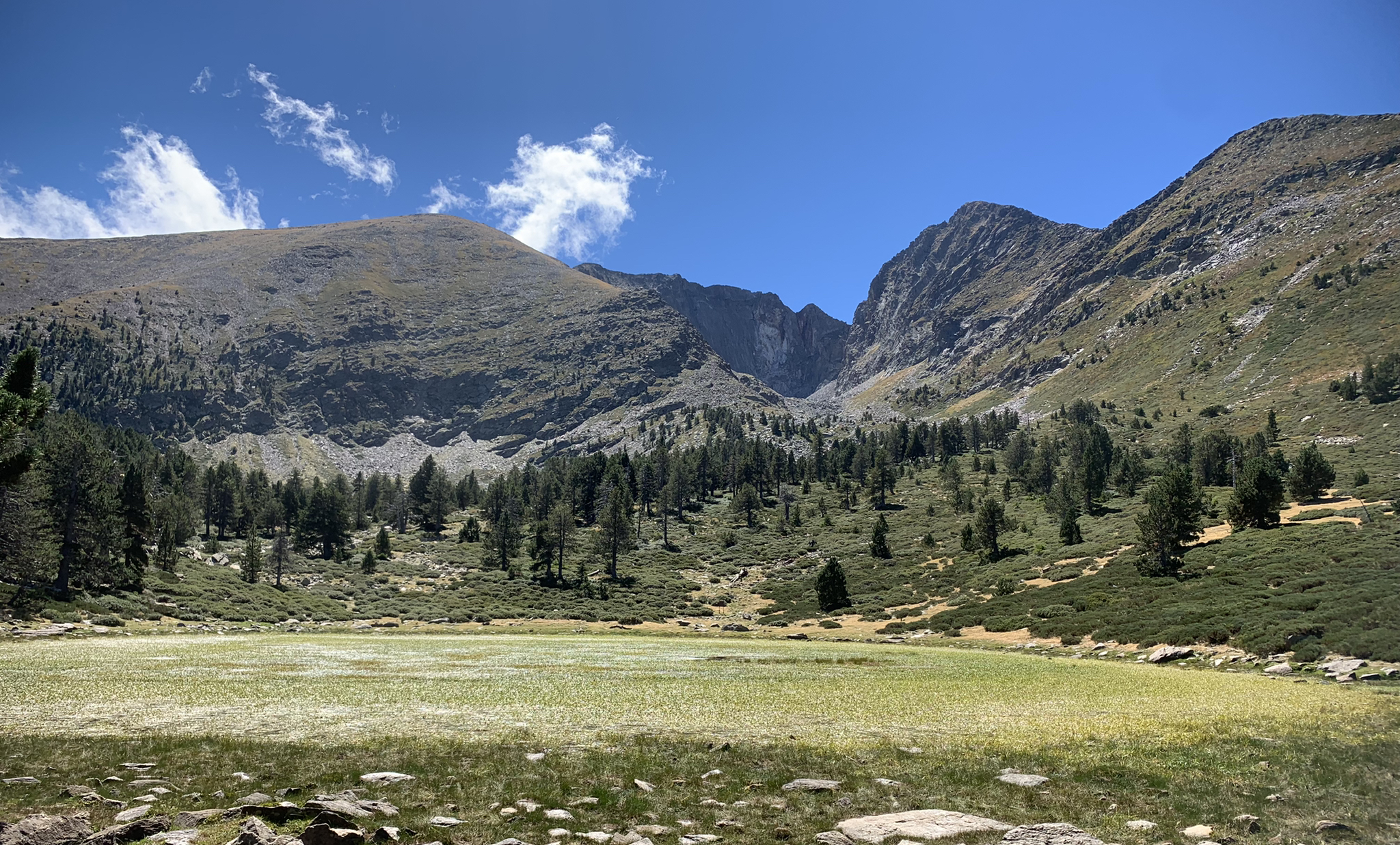
Tour du Canigou – Through the heart of the Mediterranean Pyrenees
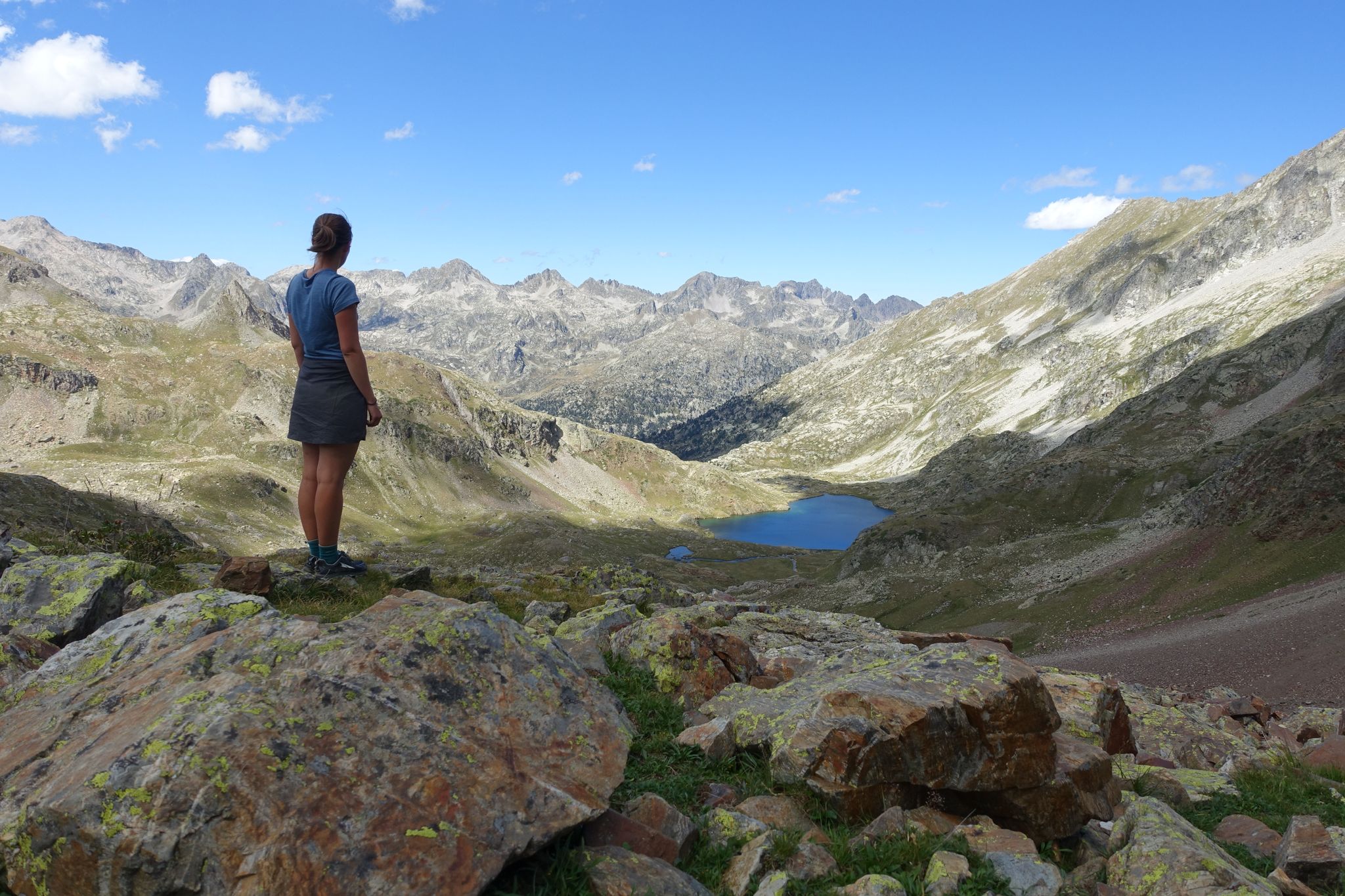
Haute Route Pyrénéenne – Pyrenees Crossing
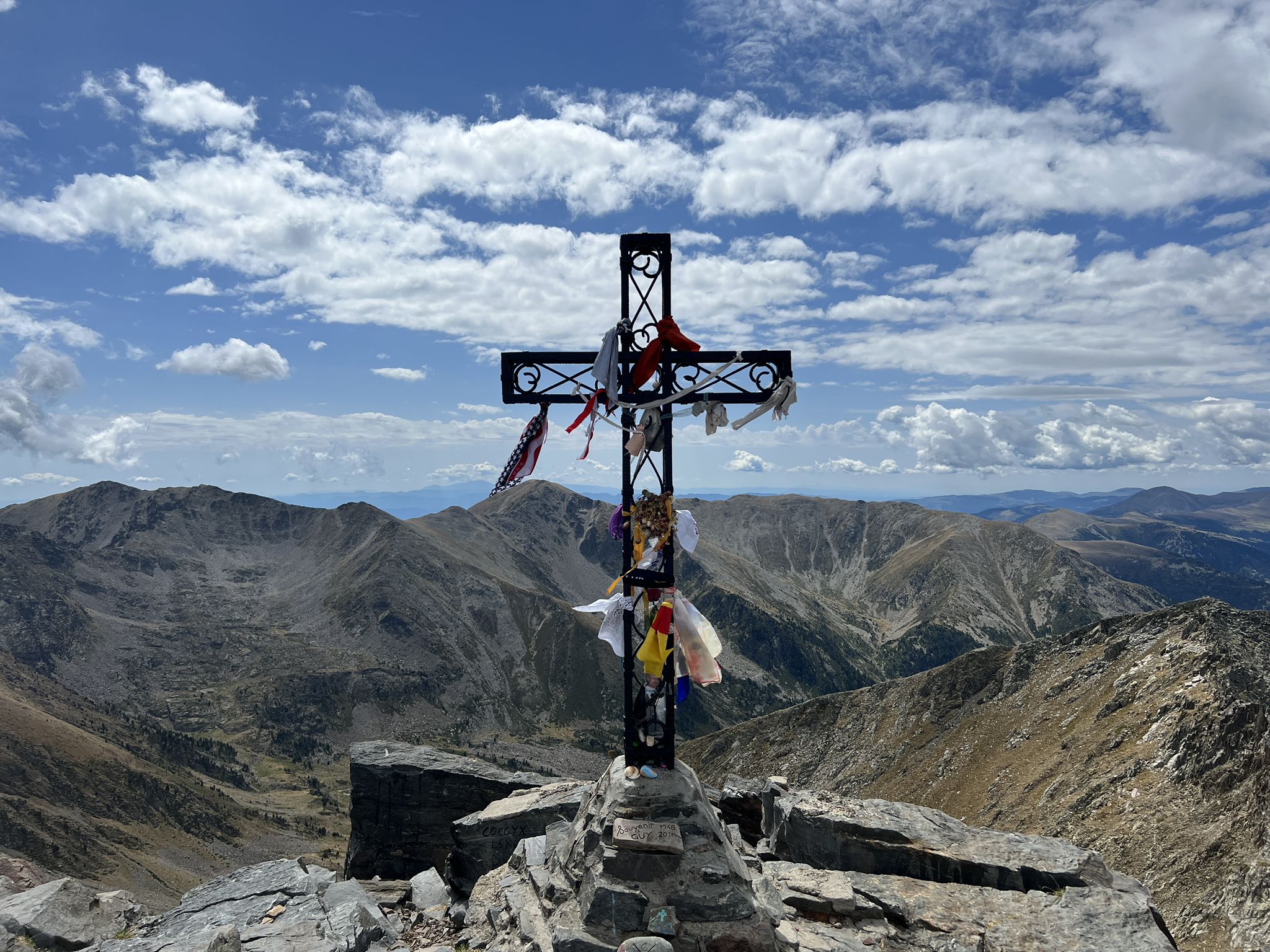
Tour of Canigo — The last great massif of the Pyrenees
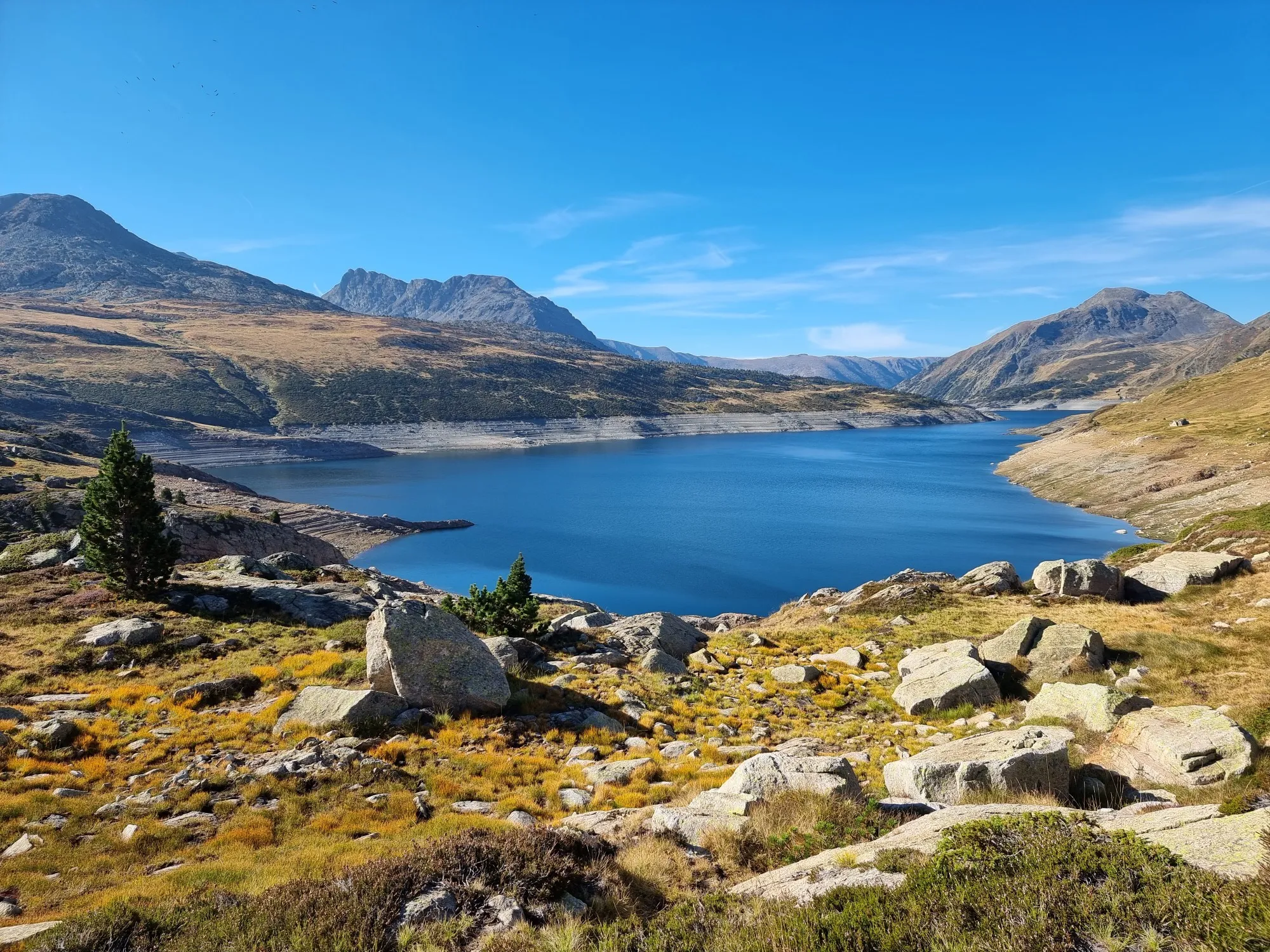
On wild ridges: Catalonia to Ariège – Hexatrek, Eastern Pyrenees
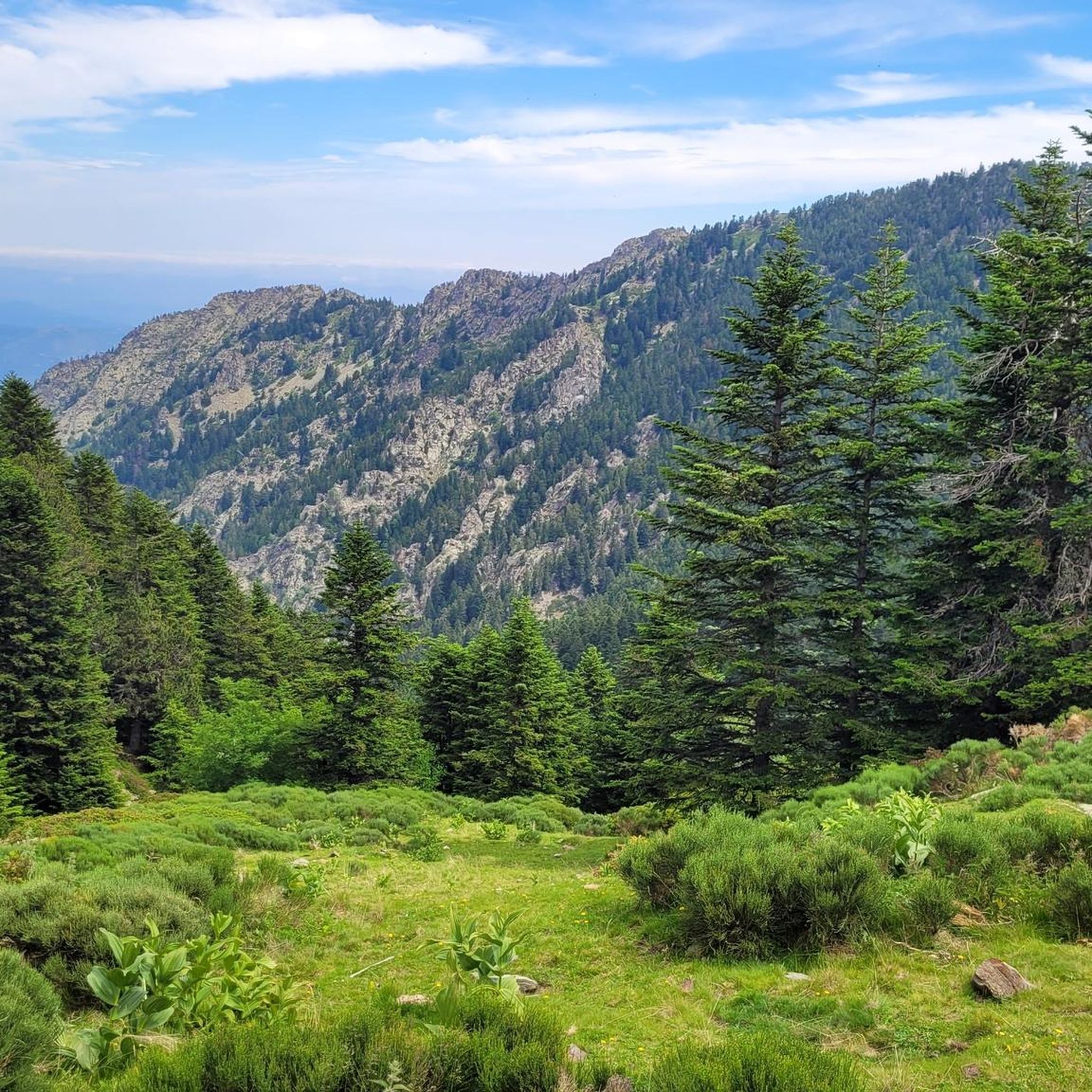
Road Cycling Routes around Taurinya
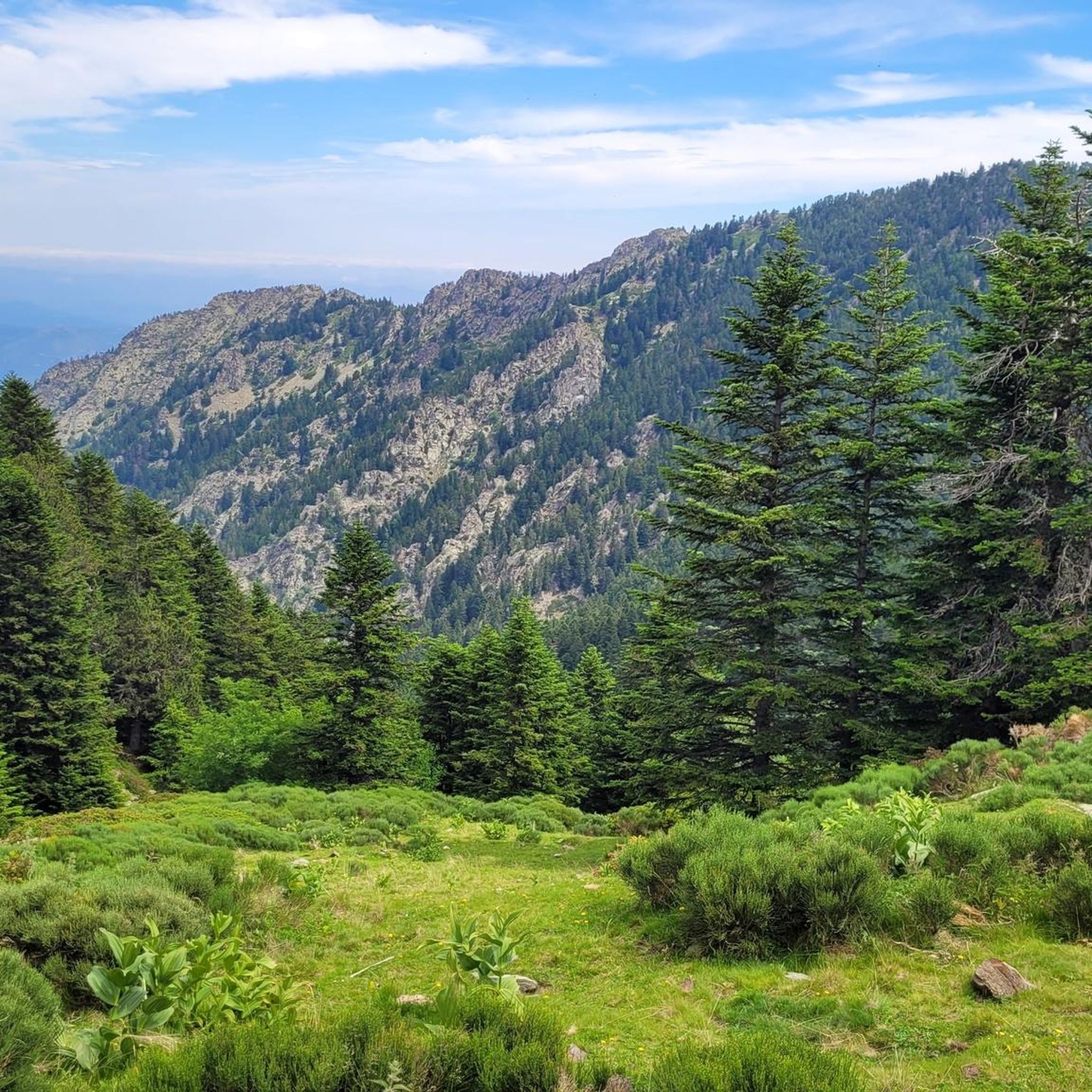
Cycling around Taurinya
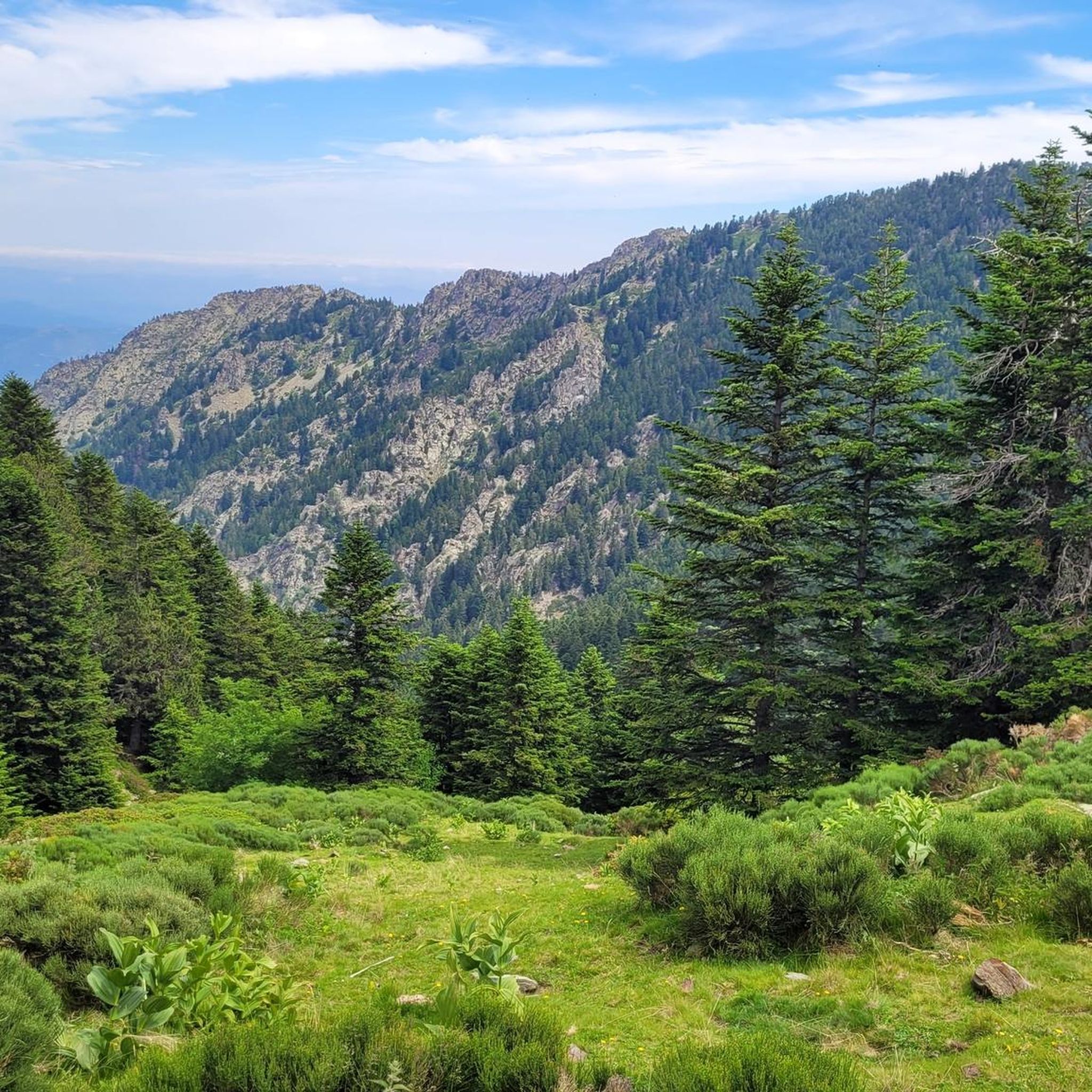
MTB Trails around Taurinya
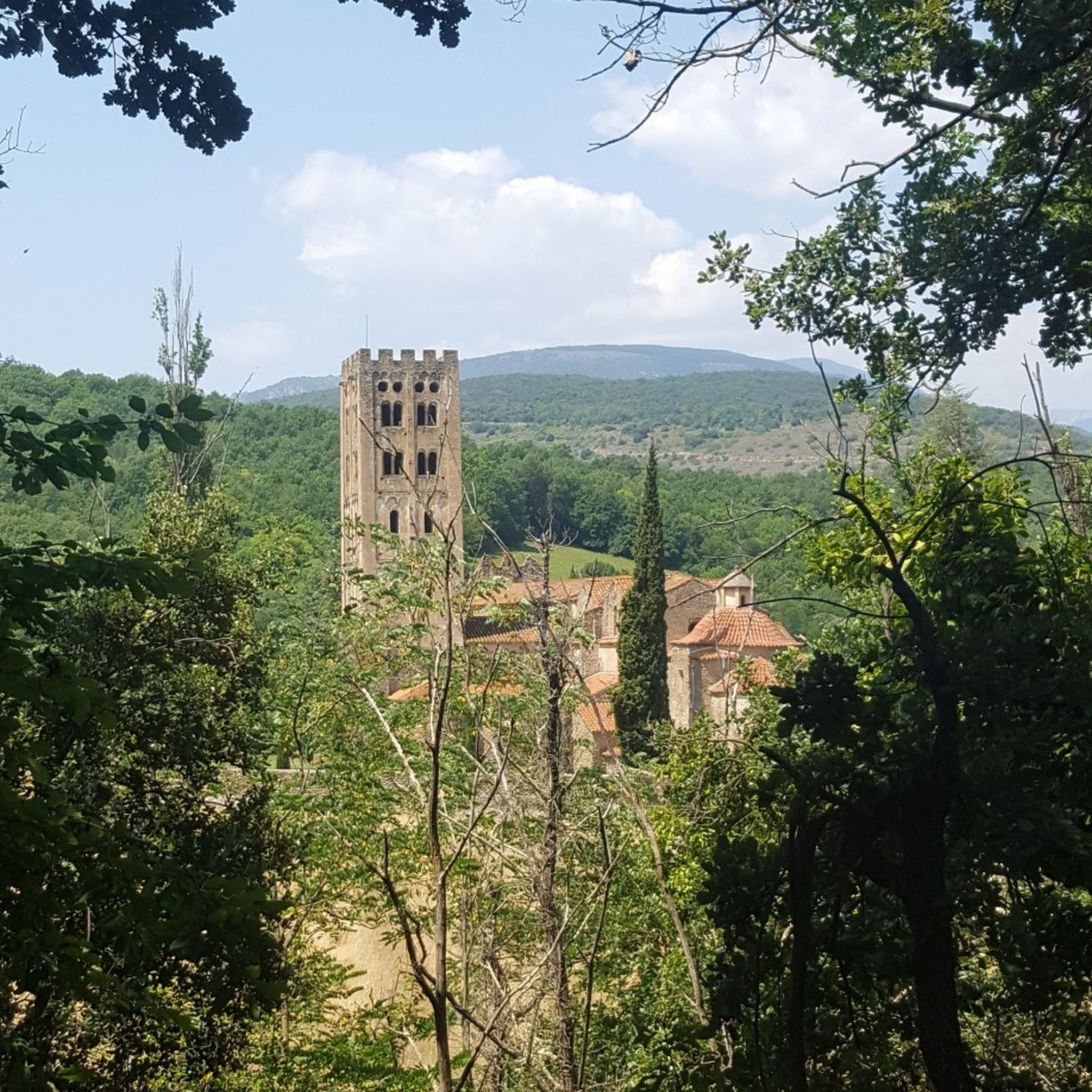
Hiking around Taurinya
Running Trails around Taurinya

Gravel biking around Taurinya
Other adventures around Taurinya


Tips from the Community

Keep your eyes open, we saw marmots above the refuge!
0
0

Generally shaded, this loop can be done in hot weather.
0
0

The classic and arguably most-visited peak of the Eastern Pyrenees. Due to its location, this mountain can be seen far into France. The gravel road to the Ras dels Cortalets parking lot requires good shock absorbers (please correct me if it's no longer allowed to drive there). From there, it's only 600 meters of elevation gain via Pic Joffre to the summit. The second ascent from the south is somewhat more challenging, so a traverse is also possible.
2
3

Magnificent summit, one of the emblems of Catalonia, the ascent and descent made by the famous chimney more impressive than difficult
0
0

High point between Conflent and Vallespir. Magnificent view that deserves. Possible to descend by the GR or by the 4x4 path towards Prats de Mollo.
1
0

Pla Guillem is 2,290 meters above sea level. It is located on the Canigou tour between the Miriailles refuge and the village of Prats-de-Mollo-la-Prest. There is also a path that leads to a beautiful ridge made up of peaks around 2,700 meters above sea level.
0
0
Pla Guillem is located at an altitude of 2,290 meters. It is located on the Canigou tour between the Miriailles refuge and the village of Prats-de-Mollo-la-Preste. There is also a path that leads to a beautiful ridge made up of peaks around 2,700 meters above sea level.
1
0
Pic Joffre culminates at an altitude of 2,632 meters in the Canigou massif. It is located between the Cortalets refuge and the Canigou peak.
0
0
Frequently Asked Questions
What are the most prominent mountain peaks accessible from Taurinya?
The most prominent peak is Canigou, often called the 'sacred mountain of the Catalans', which culminates at 2,784 meters. Other notable peaks include Pic de la Pena, offering a magnificent panorama at 1,062 meters, and Joffre Peak, a striking landmark at 2,632 meters within the Canigou massif.
What kind of views can I expect from the mountain peaks around Taurinya?
From the summit of Canigou, you can enjoy breathtaking panoramic views of the Pyrenees mountain range, the vast Roussillon plain, and the Mediterranean coast. On clear days, it's even possible to spot Canigou from as far as Marseille and Barcelona. Pic de la Pena also offers a magnificent panorama, while Pla Guillem provides a superb view as a high point between Conflent and Vallespir.
What is the best time of year to hike the mountains near Taurinya?
The best time for hiking around Taurinya, especially for higher peaks like Canigou, is typically from late spring to early autumn. During these months, the weather is generally more stable, and trails are free of snow. It's always advisable to check weather forecasts, especially for summit attempts, and be prepared for changing mountain conditions.
Are there challenging hiking routes available in the Canigou massif?
Yes, the Canigou massif offers challenging routes suitable for experienced hikers. The ascent to Canigou is considered a high-mountain hike, often done over one or two days with an overnight stay at mountain refuges. The route involves steep climbs and requires surefootedness and a head for heights. Joffre Peak is also part of the classic, challenging route to Canigou.
What kind of wildlife can I encounter in the Pyrenees mountains near Taurinya?
The region surrounding Canigou is rich in biodiversity. Hikers might encounter species such as chamois, mouflon, marmots, griffon vultures, and golden eagles. Keep an eye out for bearded vultures as well.
Are there any family-friendly mountain walks or easy hikes near Taurinya?
While many routes in the Canigou massif are challenging, the wider area around Taurinya within the Catalan Pyrenees Regional Natural Park offers a variety of trails. For specific family-friendly options, it's best to consult local tourist information or detailed hiking guides for shorter, less strenuous paths that might not reach high summits but still offer beautiful mountain scenery.
What cultural significance does Canigou hold?
Canigou is known as the 'sacred mountain of the Catalans' and is a powerful symbol of Catalonia. Legends suggest it's the throne of the King of Catalonia. There's a local tradition of watching the sunrise from its peak on the summer solstice, and the annual 'Flame Canigó' ceremony further highlights its symbolic importance.
What outdoor activities, besides peak bagging, can I do near Taurinya?
Beyond summiting peaks, the area around Taurinya offers various outdoor activities. You can explore numerous hiking trails, including moderate routes like the 'View of Pic du Canigou – Saint-Michel de Cuxa Abbey loop'. There are also running trails and road cycling routes, such as the 'Loop of the Abbey of Saint-Michel de Cuxa'. For expert enthusiasts, challenging canyoning experiences are available in the Cady and Taurinya canyons.
Are there mountain refuges available for overnight stays when hiking Canigou?
Yes, when undertaking the multi-day ascent of Canigou, you can plan an overnight stay at mountain refuges like Mariailles or Cortalets. The Shepherd's Hut of the Little Cortalets is also an option, offering a small uncultivated hut with basic amenities.
What should I wear for mountain hiking in Taurinya during summer?
Even in summer, mountain weather can be unpredictable. It's recommended to wear layers, including moisture-wicking base layers, insulating mid-layers, and a waterproof/windproof outer shell. Sturdy hiking boots, sun protection (hat, sunglasses, sunscreen), and sufficient water are essential. For higher altitudes like Canigou, be prepared for cooler temperatures and potential thunderstorms.
Is it possible to hike to the summit of Canigou from Taurinya in a single day?
While it is technically possible for very fit and experienced hikers to attempt the summit of Canigou in a single day, it is generally recommended to plan for a two-day hike, often involving an overnight stay at a mountain refuge. This allows for a more comfortable pace, better acclimatization, and the opportunity to start early to avoid intense heat and potential afternoon thunderstorms.
Are there any specific permits required for hiking in the Canigou massif?
Generally, no specific permits are required for hiking the trails in the Canigou massif. However, it's always good practice to check with local tourist offices or park authorities for any current regulations, especially concerning protected areas or specific access restrictions that might be in place, particularly during peak seasons or for environmental protection.
Most popular routes around Taurinya
Most popular attractions around Taurinya

Get inspired with the komoot mobile app


Explore more
See even more amazing summits around Taurinya with these guides:
