The best walks and hikes around Coulonvillers
4.2
(29)
113
hikers
18
hikes
Hiking around Coulonvillers offers a network of trails through the region's gentle, rolling countryside. The landscape is characterized by open fields, small villages, and occasional wooded sections, providing varied scenery for outdoor activities. Elevation changes are generally moderate, making many routes accessible for different fitness levels. The area provides opportunities to explore the rural character of the region.
Best hiking trails around Coulonvillers
- The most popular hiking route is Centuloise Walk — loop from Saint-Riquier, a 5.6 miles (9.0…
Last updated: May 13, 2026
3.9
(7)
23
hikers
8.98km
02:23
90m
90m
Moderate hike. Good fitness required. Easily-accessible paths. Suitable for all skill levels.
5.0
(7)
17
hikers
12.0km
03:11
120m
120m
Moderate hike. Good fitness required. Easily-accessible paths. Suitable for all skill levels.

Sign up for free
4.5
(2)
19
hikers
8.84km
02:21
90m
90m
Moderate hike. Good fitness required. Easily-accessible paths. Suitable for all skill levels.
4.8
(4)
8
hikers
8.19km
02:12
100m
100m
Moderate hike. Good fitness required. Easily-accessible paths. Suitable for all skill levels.
4.0
(1)
7
hikers
2.91km
00:49
50m
50m
Easy hike. Great for any fitness level. Easily-accessible paths. Suitable for all skill levels.
Get access to more routes and recommendations from other explorers.
Sign up for free
Already have an account?
Our route recommendations are based on thousands of hikes, rides, and runs completed by other people on komoot.
Start today with a free account
Your next adventure awaits.
Login or Signup
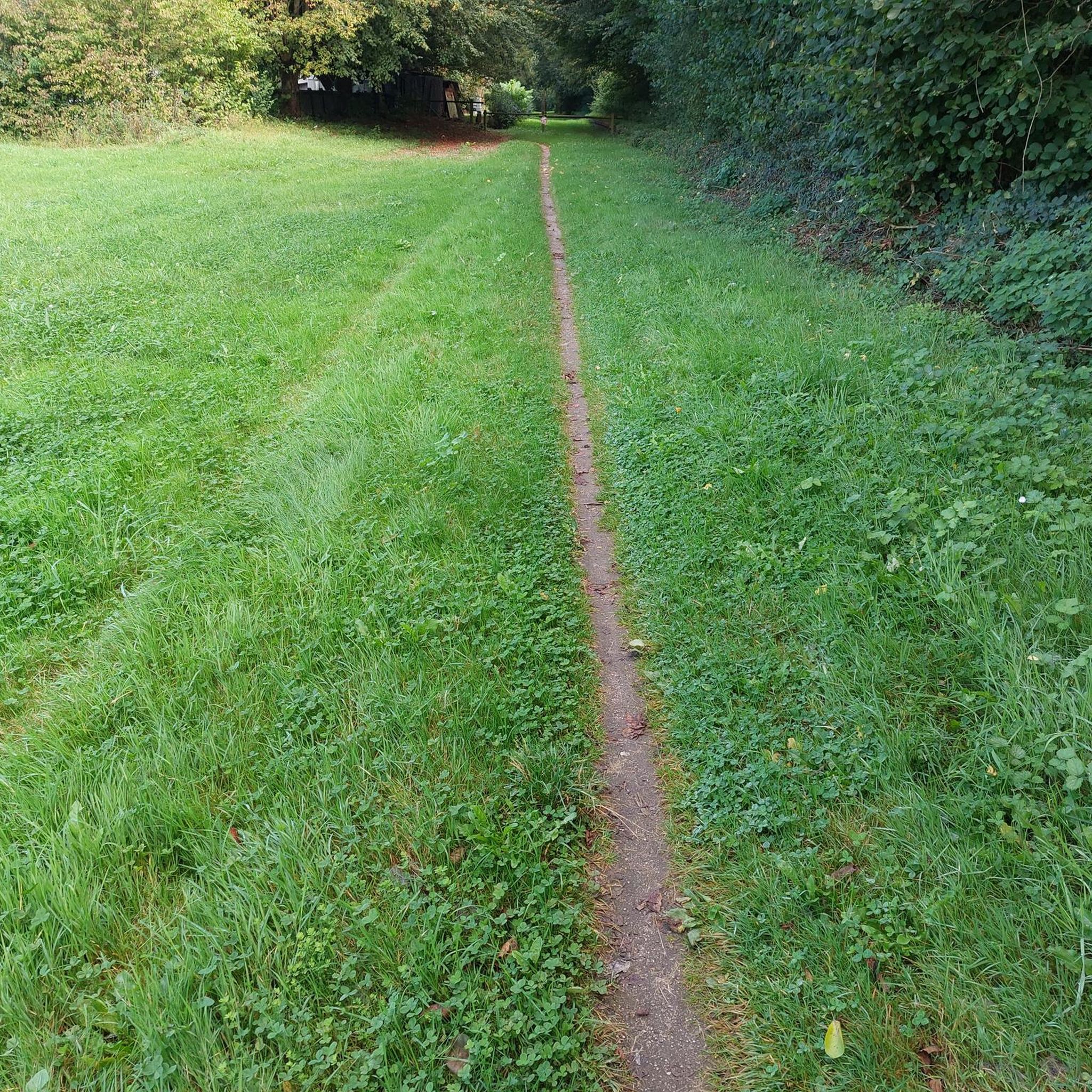
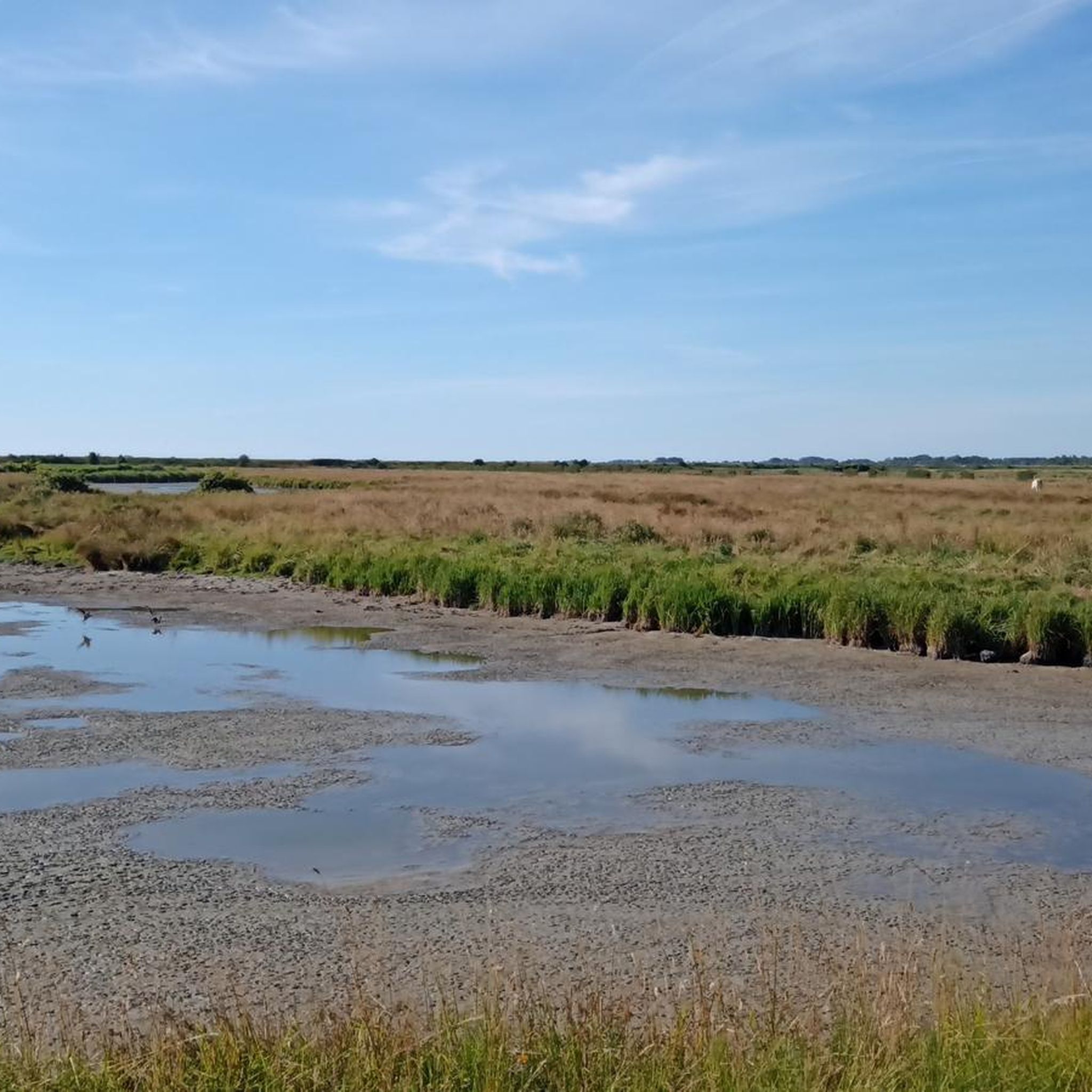
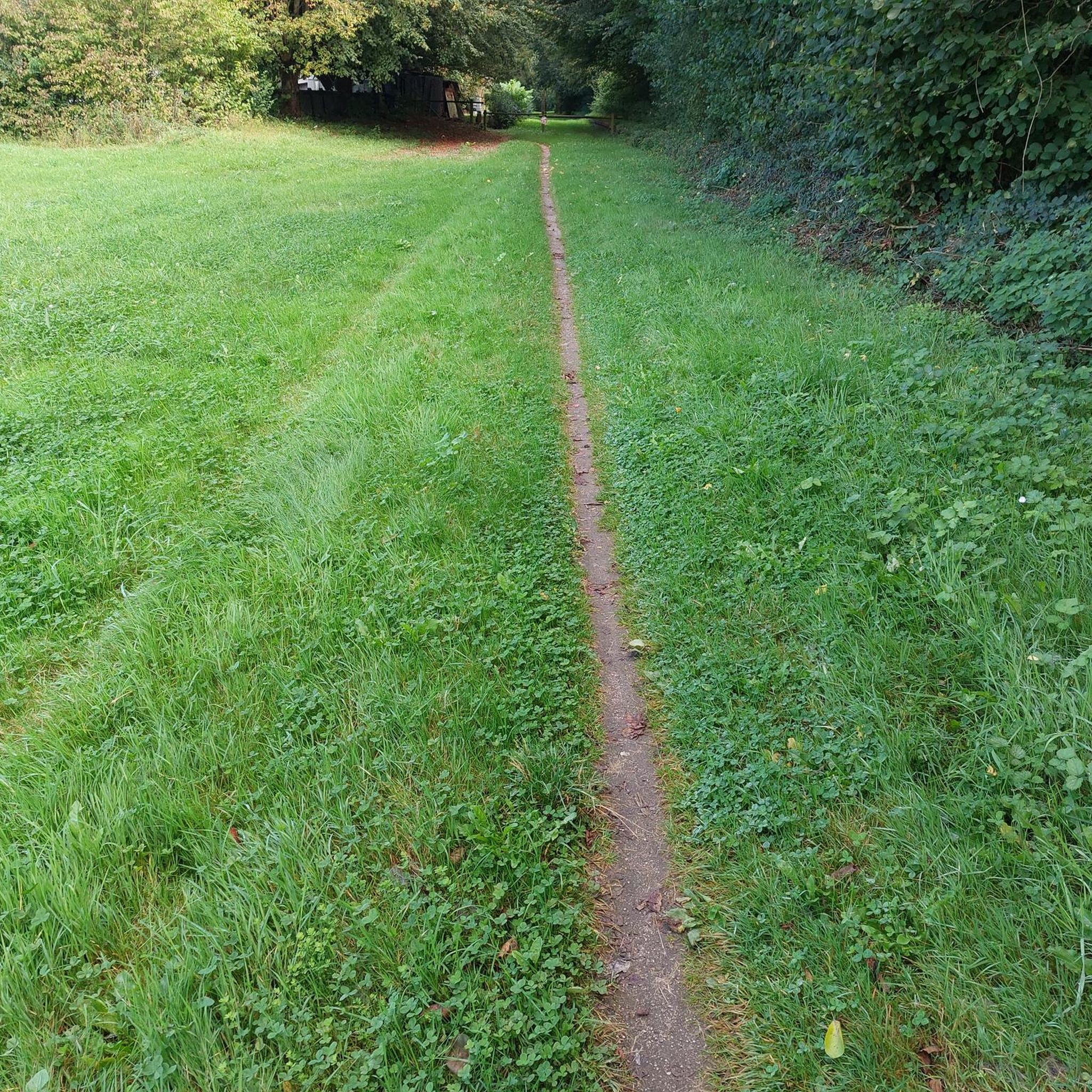
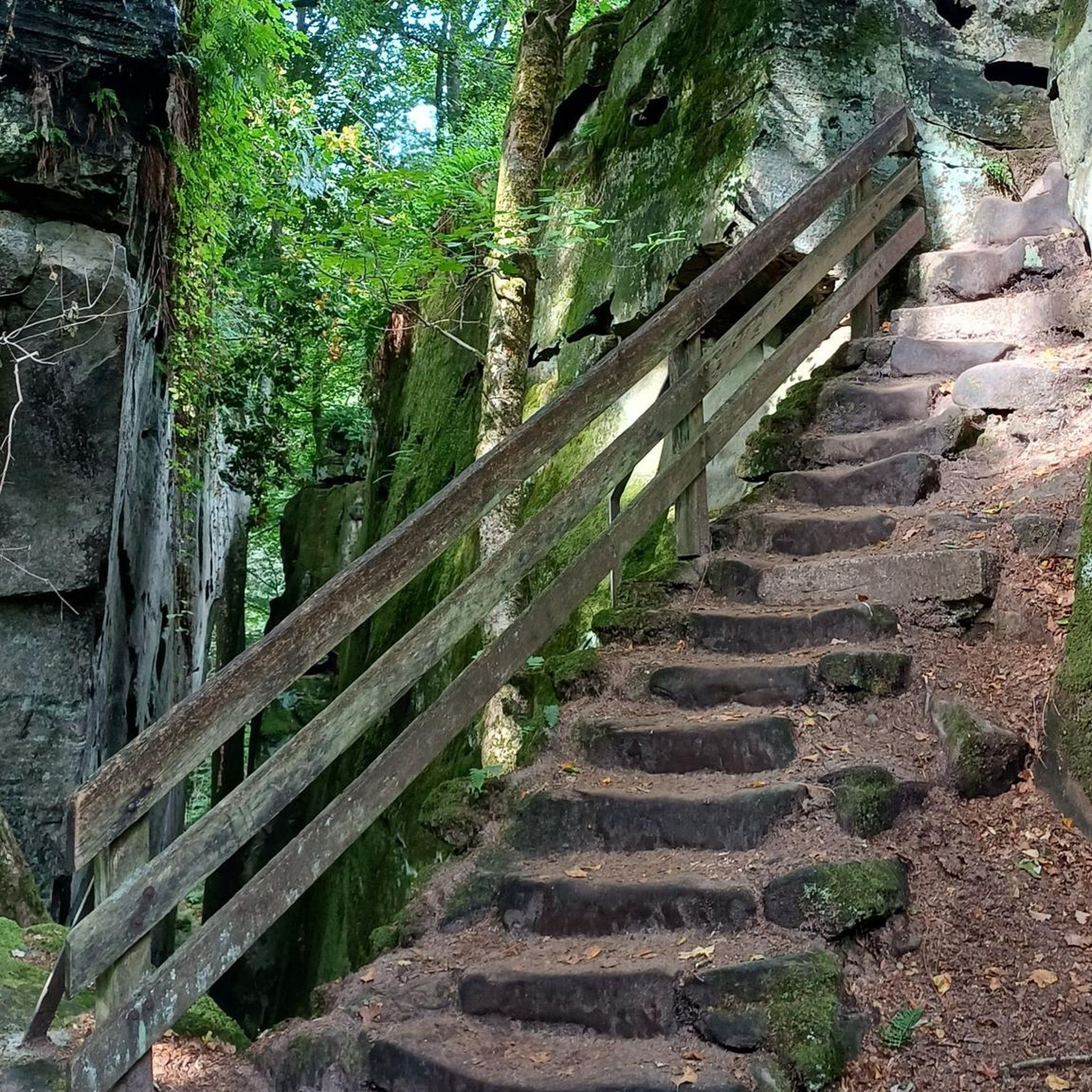

Tips from the Community


It was founded by the future Saint Riquier in 625, on a spring, the object of a very ancient pagan cult. The abbey became royal in 632 thanks to the protection granted to it by Dagobert I. It was Charlemagne himself who entrusted his son-in-law, Angilbert, with the construction of a new and vast abbey using the finest materials, thus forging a model of religious architecture for ecclesiastical buildings in the West. Thanks to a library that, over the centuries, became one of the most important in Europe, and a scriptorium active in the creation and dissemination of the Caroline minuscule, the abbey played a significant role in the preservation and transmission of knowledge until the end of the 12th century. A jewel of Gothic architecture, the Abbey has suffered numerous destructions due to fires and looting, but remains today one of the most beautiful buildings in France, notably thanks to the work carried out by Charles d'Aligre in the 17th century.
0
0

Saint-Riquier Abbey is a former Benedictine monastery founded in the 7th century. It is a masterpiece of Gothic architecture and a cultural center that hosts exhibitions, concerts and workshops. You can discover the gardens, the cloister, the library and the abbey museum, as well as the magnificent facade, choir and transept of the abbey church.
3
0

A beautiful abbey listed as a historic monument with a rather exceptional history. It deserves a short stop to be admired and visited.
1
0

It is a square tower made of limestone and sandstone. The base of the monument dates back to the Middle Ages, while its superstructure dates back to the 16th century. The late eighteenth-century tower has a "Magdalene" bell cast in 1571. The interior consisted of a prison and four rooms one above the other. The bell tower that was the town hall now houses the Tourist Office. On the façade, a bronze plaque commemorates Joan of Arc's arrival in Saint-Riquier.
2
0
The town's landmark is the former abbey with its church from the 8th to 16th centuries. The original building with a west work from the end of the 8th century was probably built under the direction of Angilbert. The organ dates from the 18th century. In the abbey there are sculptures, furniture and paintings to see. The murals in the 16th-century treasury stand out. Source: Wikipedia.de
2
0
Frequently Asked Questions
How many hiking trails are available around Coulonvillers?
There are 18 hiking routes documented around Coulonvillers on komoot. These include 8 easy trails and 10 moderate trails, offering options for various fitness levels.
Are there easy hiking trails suitable for beginners in Coulonvillers?
Yes, Coulonvillers offers 8 easy hiking routes. These trails typically feature gentle terrain and moderate elevation changes, making them suitable for beginners or those looking for a relaxed walk.
What is the typical length and duration of hikes around Coulonvillers?
Most of the hiking routes around Coulonvillers are moderate in length, often ranging from 5 to 7 miles (8 to 11 km). They typically take between 2 to 3 hours to complete, depending on your pace.
Are there family-friendly hiking options in the Coulonvillers area?
Yes, the gentle, rolling countryside and the presence of 8 easy routes make many trails around Coulonvillers suitable for families. The moderate elevation changes are generally manageable for children.
Can I bring my dog on the hiking trails around Coulonvillers?
While specific regulations can vary, generally, dogs are welcome on trails in rural areas like Coulonvillers, especially if kept on a leash. It's always advisable to check local signage or specific route details for any restrictions, particularly in nature reserves or near agricultural land.
What is the best time of year to go hiking in Coulonvillers?
The best time for hiking in Coulonvillers is typically from spring through autumn (April to October). During these months, the weather is generally mild and pleasant, and the countryside is vibrant. Winter hiking is also possible, but trails might be muddy, and daylight hours are shorter.
Are there any circular hiking routes available?
Yes, many of the trails around Coulonvillers are designed as loops. For example, the Hiking loop from Saint-Riquier and the Saint Martin's Church – Cathedral loop from Auxi-le-Château are popular circular options.
What kind of scenery can I expect on the trails around Coulonvillers?
The trails around Coulonvillers offer a mix of open fields, small villages, and occasional wooded sections. You'll experience the rural character of the region, with views of agricultural landscapes and traditional architecture.
What do other hikers enjoy most about hiking in Coulonvillers?
The area is highly rated by the komoot community, with an average score of 4.3 stars from over 30 reviews. Hikers often praise the peaceful atmosphere, the varied scenery of rolling countryside and village paths, and the accessibility of the routes for different ability levels.
Are there any interesting landmarks or attractions to see along the hiking trails?
Yes, the region features several points of interest. You might encounter historical sites like the Royal Abbey of Saint-Riquier or enjoy scenic spots such as the Delightful place to watch the world go by. Some routes also pass by the Brailly-Cornehotte Castle.
Is public transport available to access trailheads in Coulonvillers?
Access to trailheads in rural areas like Coulonvillers often relies on local bus services or personal vehicles. While some villages may have limited public transport connections, it's recommended to check specific route starting points for the most up-to-date information on accessibility.
What gear should I bring for hiking in Coulonvillers?
For hiking in Coulonvillers, comfortable walking shoes or light hiking boots are recommended, as trails can be varied. Depending on the season, layers of clothing, rain gear, water, and snacks are advisable. A map or GPS device is also useful for navigation.
Most popular routes around Coulonvillers
Most popular attractions around Coulonvillers

Get inspired with the komoot mobile app


Explore more
Browse the best Hikes in other regions.
