Attractions and Places To See around Catllar - Top 20
Best attractions and places to see around Catllar include a mix of natural waterfalls and historical sites. The region is characterized by its location near the Saint-Vincent River, offering natural environments for exploration. Catllar provides opportunities to discover both natural landscapes and historical architecture.
Best attractions and places to see around Catllar
- The most popular attractions is Saint-Vincent Waterfall, a waterfall that offers a pool for cooling off. This waterfall is known for its refreshing pool and is a…
Last updated: July 2, 2026
Saint-Vincent Waterfall
Highlight • Waterfall
Translated by Google •
Tip by

English Falls
Highlight • Waterfall
Translated by Google •
Tip by
Sign up now to discover places like this
Get recommendations on the best single tracks, peaks, & plenty of other exciting outdoor places.
Sign up for free
Fort Libéria
Highlight • Castle
Translated by Google •
Tip by

Villefranche-de-Conflent
Highlight • Other
Translated by Google •
Tip by
Villefranche-de-Conflent
Highlight • Historical Site
Showing Translation
Tip by
Sign up for free to discover even more attractions around Catllar.
Sign up for free
Already have an account?
Start today with a free account
Your next adventure awaits.
Login or Signup

Tips from the Community

Please note: the path is not accessible from September 30 to April 1 (municipal decree in force).
15
0
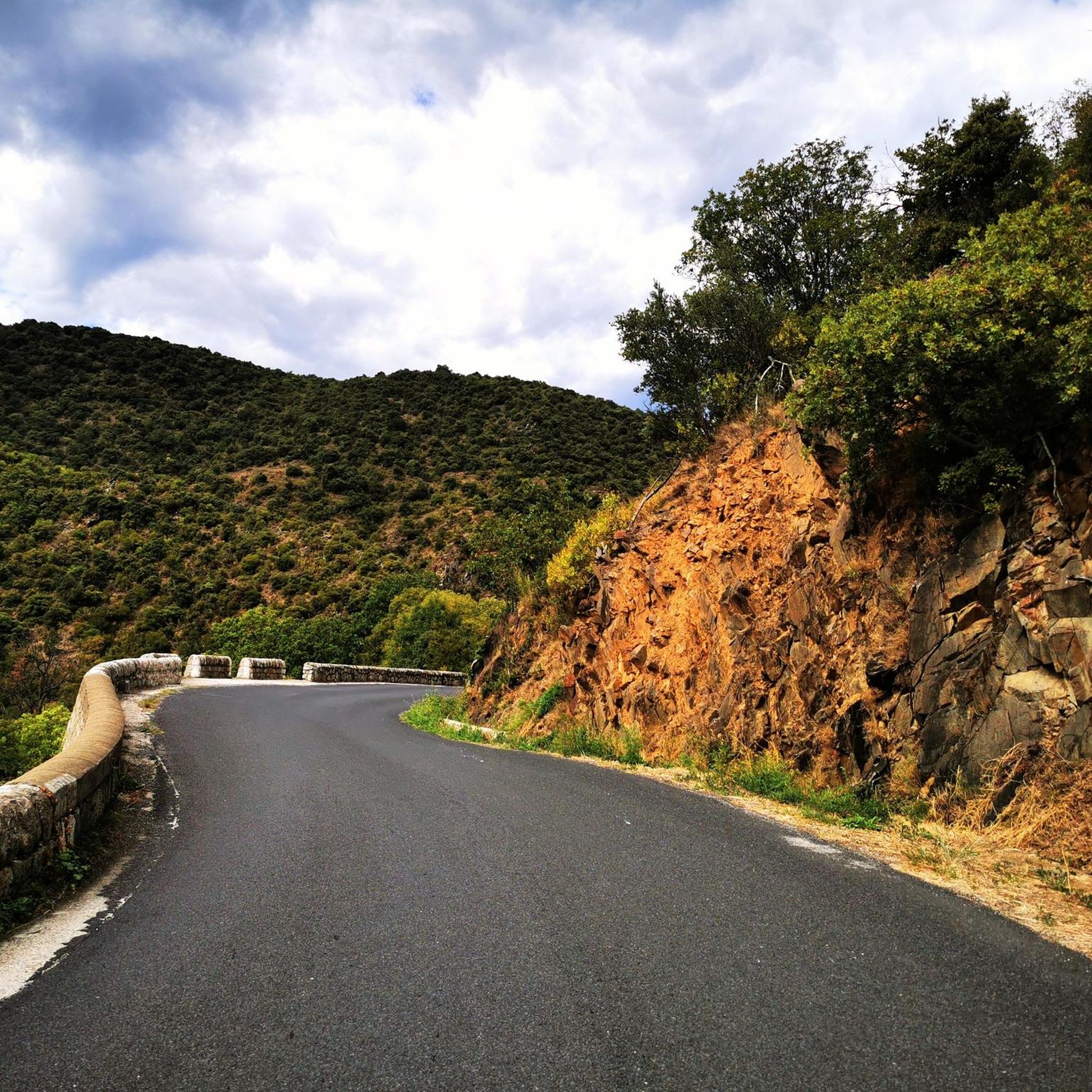
A very pleasant route in summer thanks to the coolness and the constant presence of the Saint-Vincent River, which flows down from the Conques du Canigó. The atmosphere of these gorges and the roar of the waterfalls will captivate you. Be careful, however, as this steep trail carries risks, including rockfalls.
16
0
This waterfall, named after the Saint Vincent River, offers a lovely pool to cool off after the sweaty climb. But you can also continue for ten minutes to the Cascade des Anglais, which is also very beautiful.
16
0
This beautiful Romanesque building has a richly decorated main portal in pink marble, undoubtedly by the same sculptors as those who created the cloister of the Abbey of Saint-Michel-de-Cuixà.
2
0
This ancient trading town, the capital of Conflent, has preserved some beautiful traces of its history and its status as a defensive town. Examples include the ramparts and the Viguerie Tower, built by the Count of Cerdagne in the 11th century and subsequently reinforced by Vauban's fortifications in the 17th century.
0
0
This ancient trading town, the capital of Conflent, has preserved some beautiful traces of its history and its status as a defensive town. Examples include the ramparts and the Viguerie Tower, built by the Count of Cerdagne in the 11th century and subsequently reinforced by Vauban's fortifications in the 17th century.
0
0
VIllefranche-de-Conflent is a town with an exceptional heritage: from the Middle Ages to the present day, time has left its mark in the stones of the men who built, conquered or lived in the town. More than anyone, Vauban, the "Sun King's wanderer", has left his mark here.
10
0
This former trading town, the capital of Conflent, has preserved some beautiful traces of its history and its status as a defensive town. This rich heritage makes Villefranche-de-Conflent one of the fifty most visited sites in France.
14
0
Frequently Asked Questions
What natural attractions can I explore around Catllar?
Catllar is rich in natural beauty, particularly along the Gaià River. You can visit the refreshing Saint-Vincent Waterfall, known for its pool perfect for cooling off, and continue to the impressive English Falls. The Gaià River Valley and its reservoir offer excellent natural environments for walking and hiking. Don't miss Les Fonts del Gaià for serene walking trails and pristine springs, or the Parc Mediambiental de la Sèquia Major, a protected area ideal for wildlife enthusiasts.
What historical sites are a must-see in the Catllar area?
The region boasts significant historical landmarks. Explore the ancient trading town of Villefranche-de-Conflent, a UNESCO World Heritage site recognized for its preserved architecture and defensive structures. Connected to it is Fort Libéria, a Vauban-designed fortress offering panoramic views after a climb up its famous 1000-step staircase. Within Catllar itself, the El Catllar Castle, dating back to the 11th century, and the iconic 11th-century Torre d'en Guiu provide deep dives into medieval history.
Are there any family-friendly activities or attractions near Catllar?
Yes, several attractions are suitable for families. The walks to Saint-Vincent Waterfall and English Falls are popular, though some sections can be steep, so sturdy shoes are recommended. The fortified town of Villefranche-de-Conflent and its associated Fortified Village offer an engaging historical experience for all ages, with shops and a chance to explore ancient walls. The Gaià River Valley and Les Fonts del Gaià also provide gentle walking opportunities and picnic spots.
What kind of outdoor activities can I do around Catllar?
Catllar is an excellent base for outdoor enthusiasts. You can enjoy hiking along the Gaià River, exploring its natural features like Les Fonts del Gaià. For more structured routes, there are numerous options for hiking, road cycling, and gravel biking. You can find detailed routes, including easy loops from Catllar and more challenging trails, in the Hiking around Catllar guide, the Road Cycling Routes around Catllar guide, and the Gravel biking around Catllar guide.
Are there hiking trails near the attractions in Catllar?
Yes, many attractions are integrated into or near hiking trails. The waterfalls, such as Saint-Vincent Waterfall and English Falls, are reached via scenic paths along the Saint-Vincent River. The area around the Gaià River offers various walking opportunities. For dedicated hiking routes, explore the Hiking around Catllar guide, which includes easy loops from Catllar and moderate trails like the 'Col de la Pastoure – Tombe de Calahons II loop'.
What cultural heritage sites can I visit in Catllar?
Beyond the castle, Catllar's Old Town Centre features buildings from various periods, some dating back to the 16th century. The Church of Sant Joan Baptista, with its Baroque and Neoclassical elements, is a notable architectural site. You can also explore the Ermita de Sant Ramon, which now serves as the Interpretation Center of the Gaià River, or visit La Fàbrica, an architectural complex with remains of ancient mills.
What do visitors enjoy most about the attractions around Catllar?
Visitors particularly appreciate the natural beauty and historical depth. Many enjoy the refreshing pools at the waterfalls, like Saint-Vincent Waterfall, and the cool environment along the Saint-Vincent River. The historical sites, especially the well-preserved Villefranche-de-Conflent and its connection to Fort Libéria, are highly praised for their rich history and panoramic views. The blend of natural landscapes and cultural heritage is a significant draw.
Are there any unique architectural features to see in Catllar?
Yes, Catllar features several interesting architectural elements. Besides the historic El Catllar Castle and Torre d'en Guiu, you can find L'Agulla, a curious construction that was part of an ancient hydraulic system. The Pont del ferrocarril (Railway Bridge) is another notable architectural feature. The Old Town Centre itself showcases buildings from various periods, reflecting the town's growth over centuries.
Can I find any museums or insights into local life in Catllar?
Yes, for insights into local life and history, you can visit the Museu de la Vida Rural (Rural Life Museum), which offers a glimpse into the traditional lifestyles and culture of Catalonia's past. Additionally, the Ermita de Sant Ramon now functions as the Interpretation Center of the Gaià River, providing environmental information and context about the local landscape.
What is the best time of year to visit Catllar for outdoor activities?
The region around Catllar, including the Saint-Vincent River area, offers a cool environment that is particularly pleasant in summer. However, for some trails like the English Falls, access may be restricted from September 30 to April 1 due to municipal decrees. Generally, spring and autumn offer mild temperatures ideal for hiking and cycling, while summer is great for enjoying the waterfalls and river for cooling off.
Are there any vineyards or wine-related attractions in the area?
Yes, for wine enthusiasts, the Cellers Domenys Vineyards offer tours and tastings. This provides an opportunity to experience local winemaking traditions and enjoy scenic views of the agricultural landscape.
What are some lesser-known or 'hidden gem' attractions in the Catllar region?
Beyond the main highlights, you might enjoy exploring La Fàbrica, an architectural complex that includes the remains of a 13th-century flour mill and an 18th-century paper mill, offering a glimpse into industrial history. Molí d'en Fortuny is another mill of interest. For a tranquil escape amidst greenery, consider visiting La Torreta dels Frares, a historical site that provides a peaceful setting.
Most popular routes around Catllar
Most popular attractions around Catllar

Get inspired with the komoot mobile app


Explore more
Still not found the Highlight you’re looking for? See guides of the top attractions in other regions:
