The best road cycling routes around Châtel-De-Neuvre
4.8
(11)
304
riders
68
rides
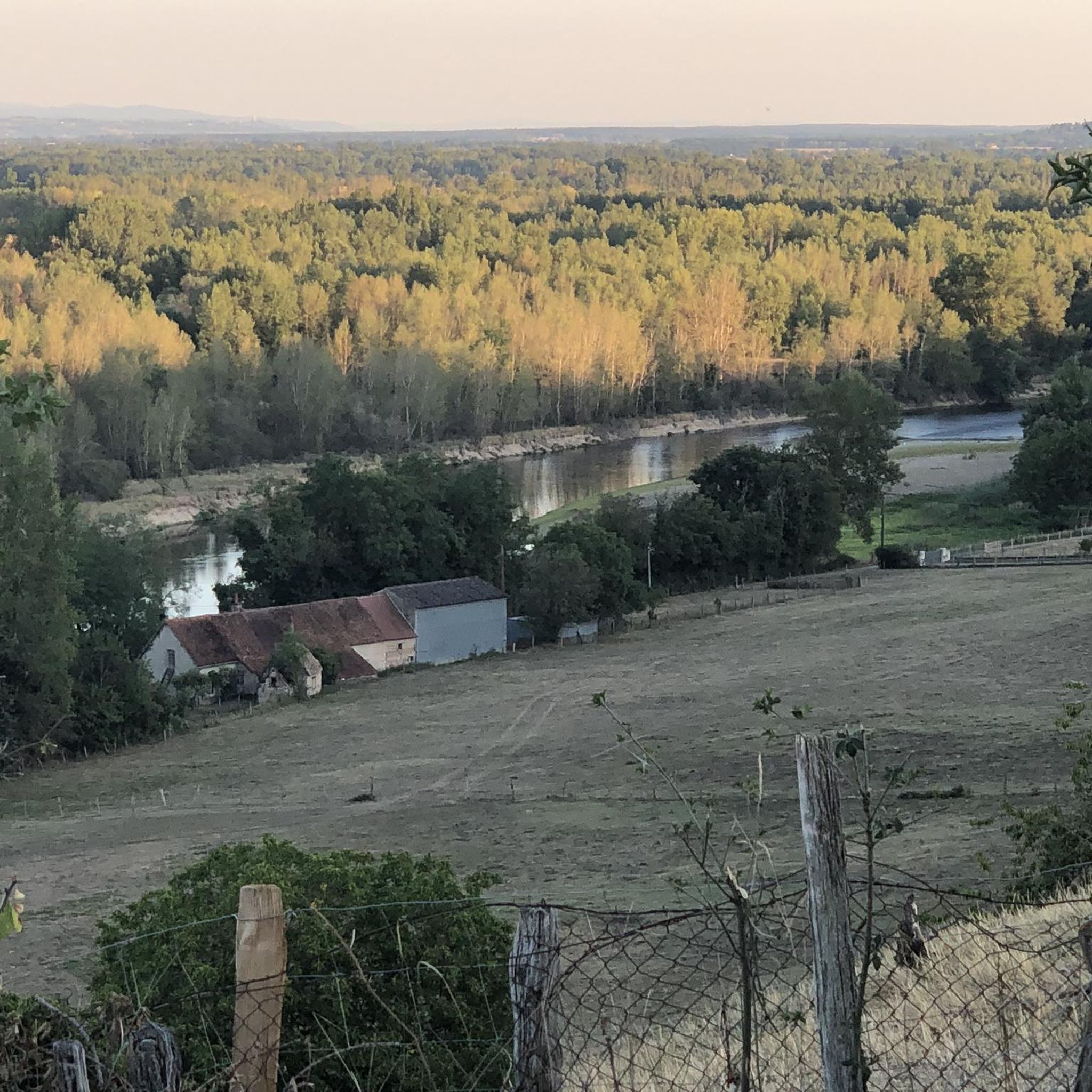
Road cycling around Châtel-De-Neuvre features routes through the Val d'Allier National Nature Reserve and along the Via Allier. The terrain is generally gentle, characterized by river landscapes, rolling countryside, and "bocage" (hedgerow) scenery. Cyclists can expect quiet country roads with low traffic, suitable for various fitness levels. The region also includes vineyard areas, offering varied backdrops for rides.
Best road cycling routes around Châtel-De-Neuvre
- The most popular road cycling route is Château de Nomazy loop from Bessay-sur-Allier, a 15.9…
Last updated: July 16, 2026
14
riders
25.6km
01:03
40m
40m
Easy road ride. Great for any fitness level. Mostly well-paved surfaces and easy to ride.
9
riders
74.2km
03:14
470m
470m
Moderate road ride. Good fitness required. Mostly well-paved surfaces and easy to ride.

Sign up for free
7
riders
68.0km
02:53
450m
450m
Moderate road ride. Good fitness required. Some segments of this route may be unpaved and difficult to ride.
6
riders
24.1km
00:58
90m
90m
Easy road ride. Great for any fitness level. Mostly well-paved surfaces and easy to ride.
5.0
(1)
8
riders
Moderate road ride. Good fitness required. Some segments of this route may be unpaved and difficult to ride.
Get access to more routes and recommendations from other explorers.
Sign up for free
Already have an account?
Our route recommendations are based on thousands of hikes, rides, and runs completed by other people on komoot.
Start today with a free account
Your next adventure awaits.
Login or Signup


Tips from the Community

The patronage of this cathedral in Moulins, dedicated to the Annunciation (or, in another spelling, the Annunciation of Mary), refers to one of the many feast days in honor of the Virgin Mary. The Feast of the Annunciation (liturgical name: Annunciation of the Lord) is celebrated on March 25th, exactly nine months before Christmas. It commemorates the message the angel of the Lord brought her: that she would give birth to the Son of God – Jesus Christ. According to the account in the first chapter of the Gospel of Luke, this occurred in Nazareth, Israel. There, on the site where this event took place – according to a tradition spanning some two thousand years – a large church stands, which can thus be considered the original patronal church for the title of this church in Moulins. ] ... The Church of the Annunciation in Nazareth can be found as a komoot highlight at the following link =>> https://www.komoot.com/de-de/highlight/251260
0
0

Besson Church is a 12th-century Romanesque church. It has been listed as a historic monument since 1933.
0
0

The Cathedral of Our Lady of the Annunciation, the episcopal see of the Diocese of Moulins, was built in the 15th century on the remains of an original 10th-century chapel dedicated to Saint Peter. The oldest parts of the collegiate church are primarily built in the flamboyant Gothic style. It was elevated to a cathedral in the first half of the 19th century and then to a minor basilica.
5
0
The name Fourchaud seems to come from “Fourche”, as the Gallo-Roman road branched off there, coming from Bourges and leading either to Lyon or Clermont-Ferrand.
4
0

The town of Souvigny was chosen by the Bourbon dynasty as the religious capital of its duchy. Thus, the commune became the necropolis of all the Bourbon lords.
0
0
The Cathedral of Notre-Dame de l'Annonciation was built in the 15th century on the remains of a first chapel from the 10th century, which was dedicated to Saint Peter. Since 1817 it has been the episcopal church of the diocese of Moulins. The most important work of art in the cathedral is the altarpiece from around 1502 by the Master of Moulins. His triptych of Moulins shows the Virgin Mary in front of a rainbow on the central panel, also surrounded by the donor Duke Pierre II and Anne de Beaujeu and their daughter Suzanne, and is considered an important example of a donor portrait of the late Gothic period.
1
0

Old railway bridge, nice to pose for a moment.
0
0
Saint Lawrence (Saint-LAURENT), to whom this church is dedicated, is one of the early Christian martyrs from a time when Christianity was still forbidden. He was the Pope's archdeacon and was asked by the pagan Emperor Valerian to hand over the treasure of the church. Lawrence asked for three days, during which he distributed the church's wealth among the poor inhabitants of Rome and, after the agreed time, came to the emperor with the poor to present them to him as the treasure of the church. He was then tortured to death. Legend has it that he was roasted alive on a gridiron - this attribute can be seen in many depictions of Saint Lawrence - over coals. He is said to have been in good spirits and asked his executioner if he would turn him over. The memorial day of Saint Laurent in the calendar of saints is August 10th.
1
0
Frequently Asked Questions
How many road cycling routes are available around Châtel-De-Neuvre?
There are over 60 road cycling routes around Châtel-De-Neuvre, offering a wide range of options for different skill levels. This includes 11 easy routes, 50 moderate routes, and 8 more challenging options.
What kind of terrain can I expect on road cycling routes in Châtel-De-Neuvre?
The terrain around Châtel-De-Neuvre is generally gentle, characterized by river landscapes, rolling countryside, and the distinctive 'bocage' (hedgerow) scenery. Many routes follow quiet country roads with low traffic. While much of the area is accessible for various fitness levels, some routes, particularly those extending south or into vineyard areas, may include medium mountain landscapes and more significant ascents, such as the Moulins-sur-Allier Station loop from Bessay-sur-Allier with over 630 meters of elevation gain.
Are there any easy road cycling routes suitable for beginners or casual rides?
Yes, there are 11 easy road cycling routes around Châtel-De-Neuvre. A great option for an accessible ride is the Château de Nomazy loop from Bessay-sur-Allier, which is 25.6 km long with minimal elevation gain, offering pleasant views of the local countryside.
What are some scenic viewpoints or landmarks I can see while cycling?
Road cycling routes in the region offer several scenic points. The ancient Saint Lawrence Church in Châtel-de-Neuvre, built on a hill, provides expansive panoramic views over the Allier plain and its meandering river. You might also pass historical sites like Fourchaud Castle or explore the natural beauty of The Via Allier in the Moladier Forest. The region's 'bocage' landscapes and vineyard areas also provide picturesque backdrops.
Is Châtel-De-Neuvre part of a larger cycling network?
Yes, Châtel-De-Neuvre is directly positioned along the Via Allier (V70), a significant cycling route that stretches for over 400 km along the Allier River. This route is primarily laid out on quiet country roads, making it ideal for road cyclists. You can find more information about the Via Allier on France Vélo Tourisme.
What is the best time of year for road cycling in Châtel-De-Neuvre?
The region is generally pleasant for cycling from spring through autumn. Spring offers lush green landscapes, while summer provides warm weather for longer rides. Autumn brings beautiful colors to the countryside and vineyard areas. Given the gentle terrain, most routes are enjoyable outside of the coldest winter months.
Are there any longer or more challenging road cycling routes for experienced riders?
Yes, for more experienced riders, there are 8 difficult routes and 50 moderate routes. The Pagoda of Noyant d'Allier – Château de Boucherolles loop from Bessay-sur-Allier is a moderate 77.4 km path with over 500 meters of ascent, traversing varied landscapes including the Allier River plains. Another option is the Fourchaud Castle – Saint Lawrence Church loop from Bresnay, a 69.1 km route through the 'bocage' Bourbonnais.
What do other road cyclists say about the routes in Châtel-De-Neuvre?
The road cycling routes in Châtel-De-Neuvre are highly rated by the komoot community, with an average score of 4.7 stars from over 10 reviews. Cyclists often praise the quiet country roads, the diverse river landscapes, and the charming 'bocage' scenery that defines the region.
Can I find circular road cycling routes in the area?
Yes, many of the road cycling routes around Châtel-De-Neuvre are designed as loops, allowing you to start and finish in the same location. Examples include the Saint Lawrence Church – Saint-Pourçain-sur-Sioule loop from Châtel-de-Neuvre, which is a moderate 43.9 km ride, and the Château de Nomazy loop from Bessay-sur-Allier.
Are there opportunities to explore nearby towns or villages by bike?
Absolutely. The region is dotted with charming towns and villages. For instance, the route from Châtel-de-Neuvre to Saint-Pourçain-sur-Sioule allows you to explore this area known for its vineyards. Larger towns like Moulins, a city of art and history, are also within cycling distance and can be incorporated into longer excursions.
What natural features can I expect to see along the routes?
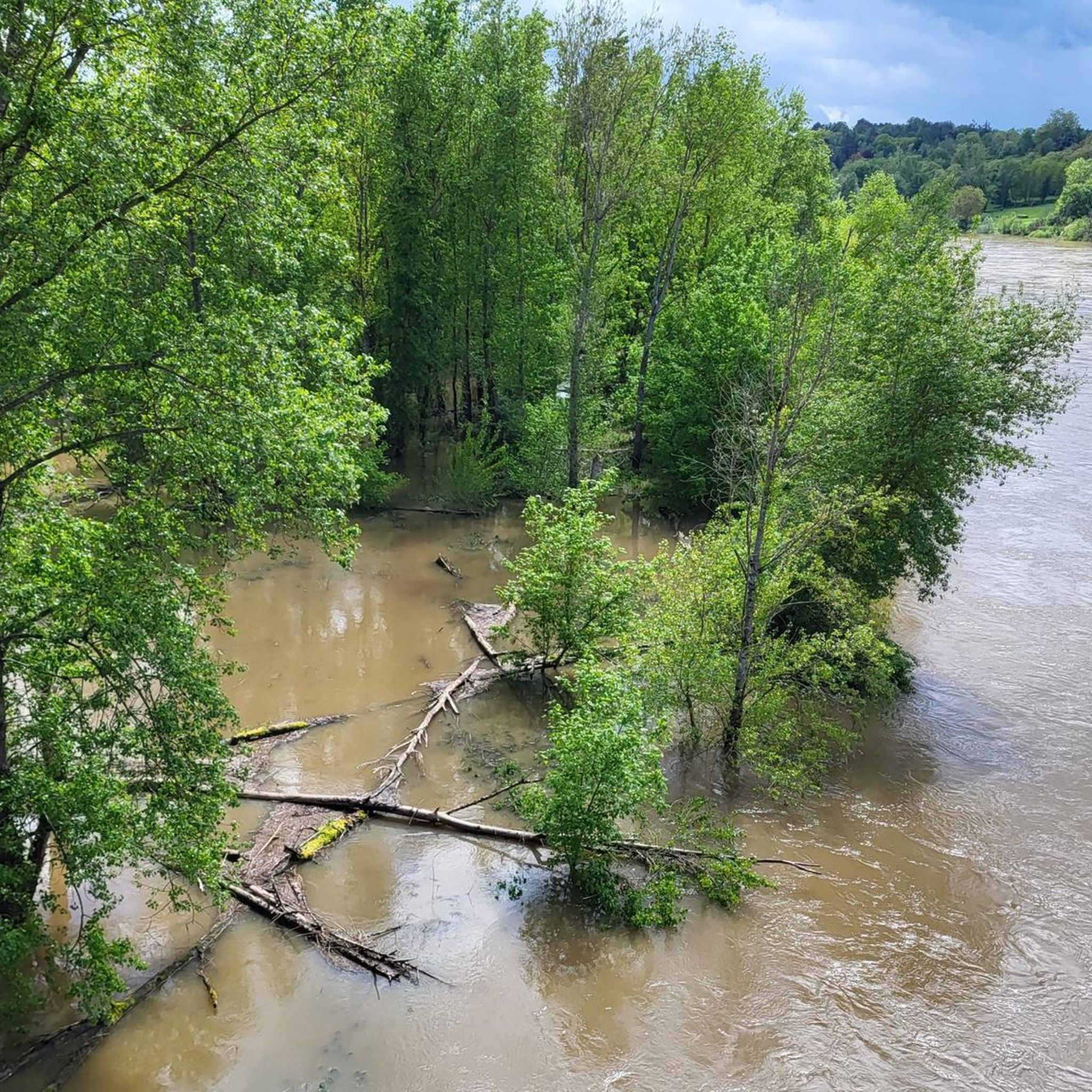
Châtel-de-Neuvre is situated within the Val d'Allier National Nature Reserve, meaning you'll encounter diverse natural features. The Allier River, one of France's last wild rivers, is a prominent feature, with routes offering views of its gravel banks, sandy beaches, and riparian forests. The reserve is also home to a rich variety of bird species and wildlife, providing a tranquil backdrop for your ride.
Most popular attractions around Châtel-De-Neuvre

Get inspired with the komoot mobile app


Explore more
Browse the best Road cycling routes in other regions.
