Attractions and Places To See around La Grand-Combe - Top 20
Best attractions and places to see around La Grand-Combe include a mix of historical sites and natural features within the Cévennes region. The town's past is rooted in coal mining, which is reflected in its cultural sites. This area offers a blend of cultural heritage and natural beauty, providing various points of interest for visitors. The surrounding Cévennes region contributes significantly to the area's diverse attractions.
Best attractions and places to see around La Grand-Combe
- The most popular attractions is…
Last updated: July 16, 2026
Ruins of the Château de Sauvages
Highlight • Castle
Translated by Google •
Tip by

L'Ermitage
Highlight • Other
Perched on a block of Jurassic limestone, the chapel there dates from the …
Translated by Google •
Tip by

Sign up now to discover places like this
Get recommendations on the best single tracks, peaks, & plenty of other exciting outdoor places.
Sign up for free
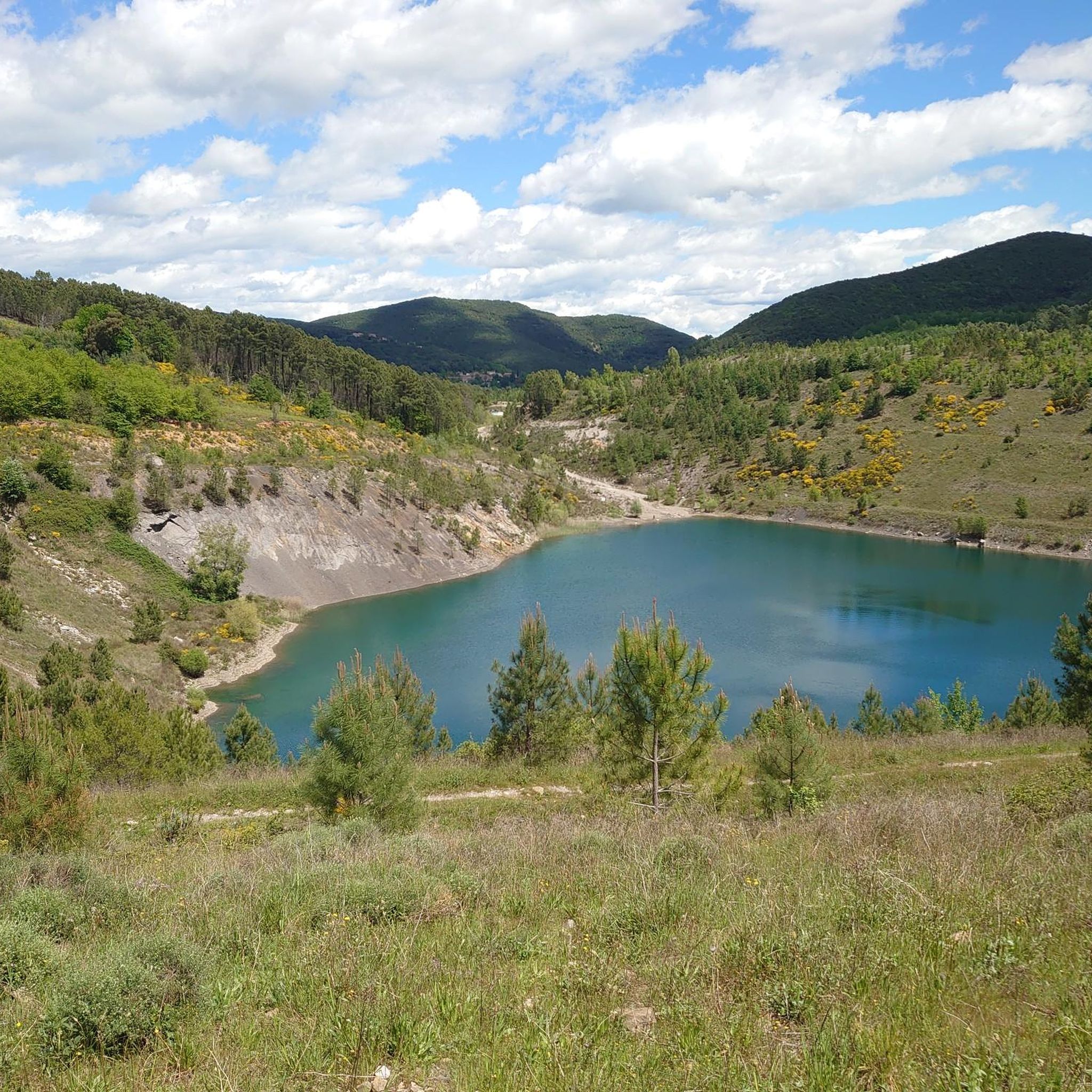
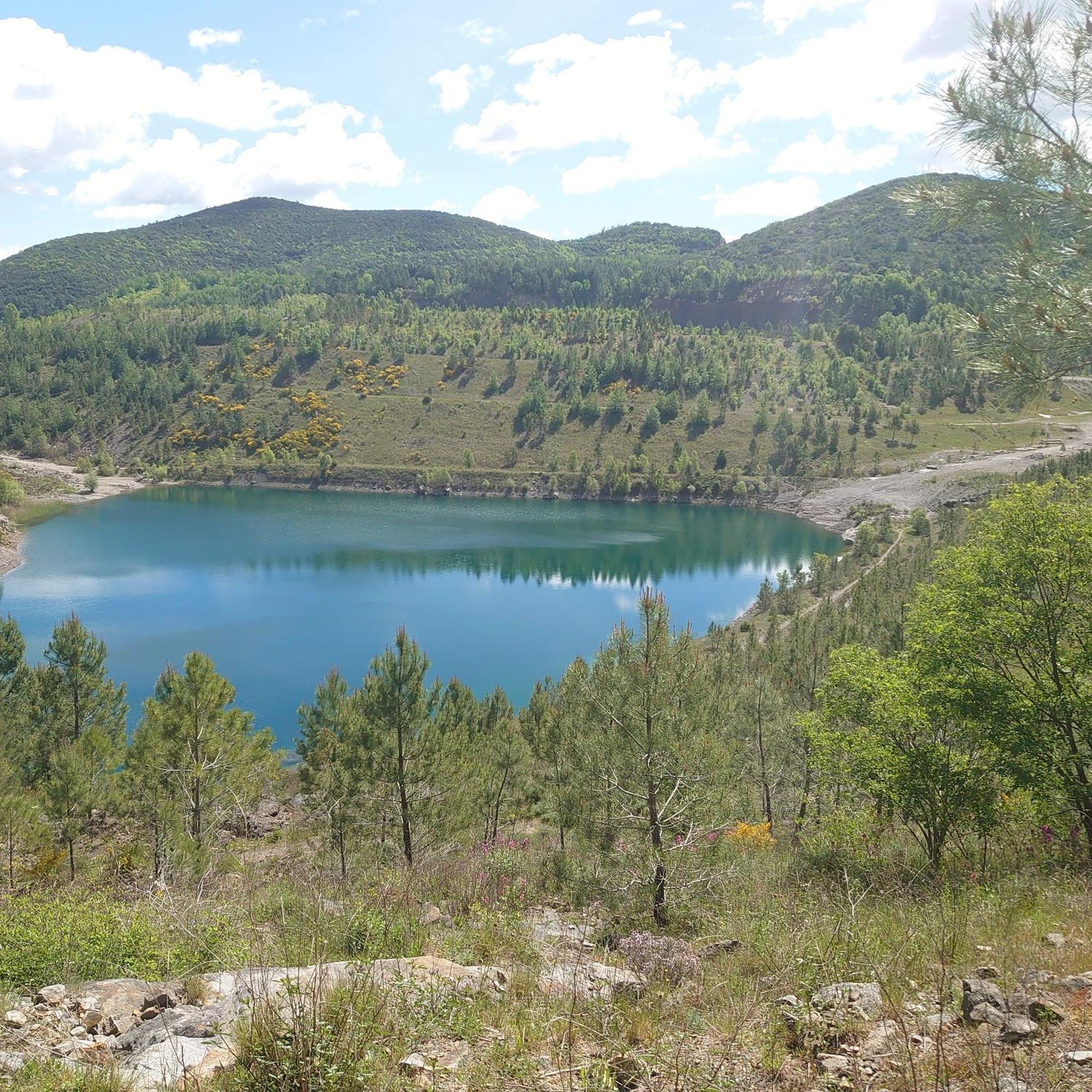
View of Mount Ricateau
Highlight • Other
Showing Translation
Tip by

Portes Castle
Highlight • Castle
Showing Translation
Tip by

Trélis Pass
Highlight • Mountain Pass
Translated by Google •
Tip by

Sign up for free to discover even more attractions around La Grand-Combe.
Sign up for free
Already have an account?
Start today with a free account
Your next adventure awaits.
Login or Signup


Tips from the Community

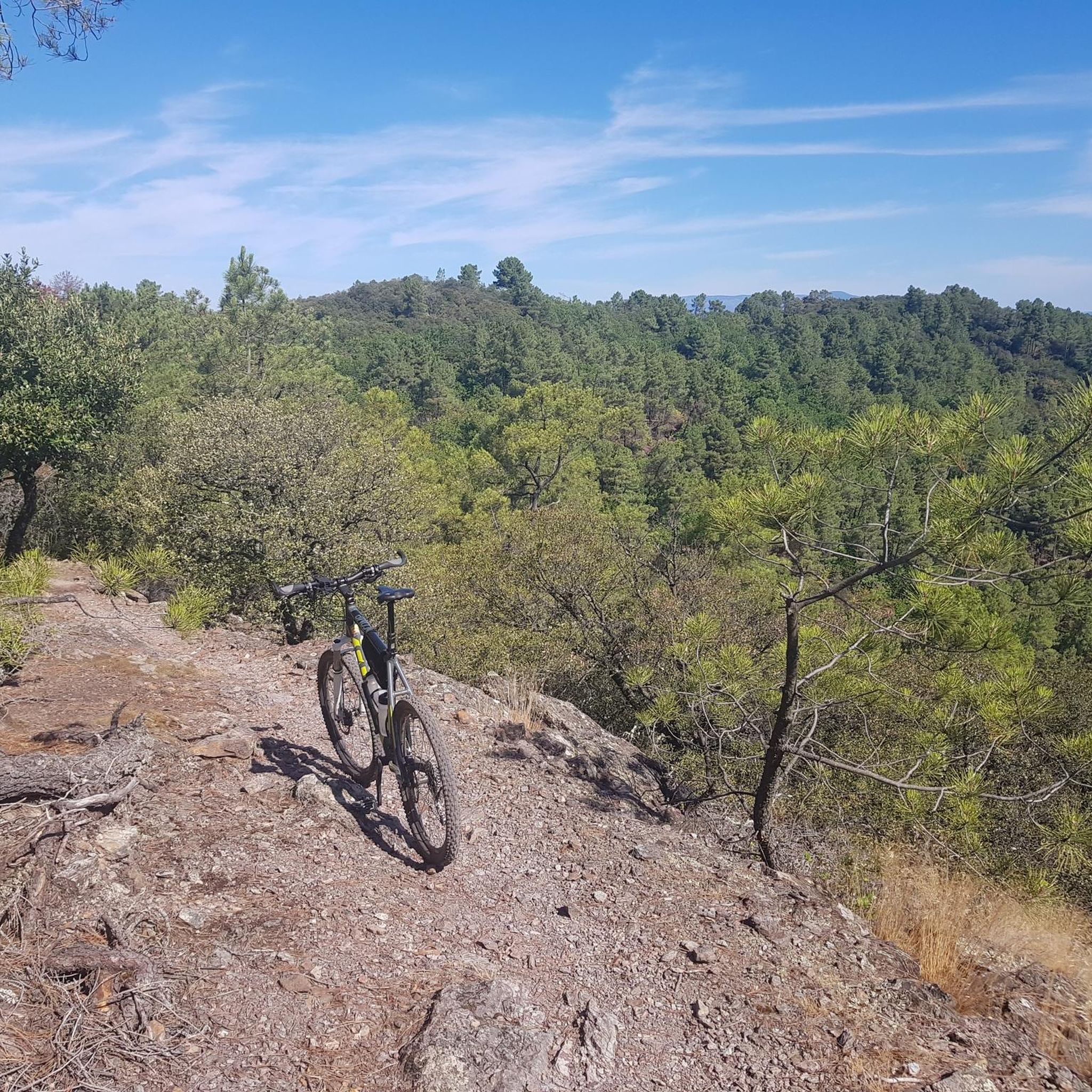
Nice 2.5 km climb from Le Martinet. At the top, the pass is the confluence of several forest tracks that allow you to explore the surrounding mountains, one of which, the Chemin de Trélis, allows you to reach Rochessadoule.
0
0

not as easy as it seems 🦵
0
0

Col de Trélis hiking junction. From here you can take many beautiful walks. Also spacious parking space
0
0

Very nice view of Alès, Saint-Jean-du-Pin and the Cévennes national park. For a bit of history... Link to the website of the Notre Dame des Mines association: https://notredamedesmines.webnode.fr/
2
0

The Hermitage is a historical monument which offers a 360 degree view of Alès and the Cévennes. Perched on a block of Jurassic limestone, the chapel there dates from the 11th century. On its slopes, traces of history date back to the 1st century when a tribe of Gauls built an oppidum (refuge) there. Other vestiges, witnesses of the Roman influence were also discovered on the sides of the hill.
3
0

This castle, a UNESCO World Heritage site since 2011, is impressive! It is nicknamed the "vessel of the Cévennes" because its construction sometimes resembles the prow of a ship. Its once strategic position offers a panorama ranging from Mont Lozère to the Alps. The site is open to the public. It is really worth going there.
0
0

Site with a very particular atmosphere, to see absolutely!
0
0

The Château de Sauvages (18th century) was a very beautiful residence that belonged to the Marquis de Tussan. By marriage, the castle and land passed to the Boissier family. Abbé Boissier de Sauvages, philosopher, geologist, mineralogist and botanist, lived in the castle for five years and created an arboretum. This is still there and there are different species and centenary trees such as large cedars or cork oaks. In 1912 the property was sold to the Rochebelle mines. 50 years later it was blown up. The buildings that survive today are nothing more than the outbuildings and the farm. (http://www.cevennes-tourisme.fr/st-jean-du-pin/chateau-de-st-jean-du-pin/tabid/2678/offreid/152d781e-8f31-45cd-a0d9-240ec1f8dc52)
1
0
Frequently Asked Questions
What historical sites can I visit near La Grand-Combe?
The area around La Grand-Combe is rich in history. You can explore the impressive Portes Castle, an 11th-century fortress known as the "Ship of the Cévennes" and a World Heritage Site. Another significant historical monument is L'Ermitage, featuring an 11th-century chapel and traces of ancient habitation. Don't miss the Ruins of the Château de Sauvages, an 18th-century residence with surviving outbuildings and an arboretum.
Are there attractions related to the mining heritage of La Grand-Combe?
Yes, La Grand-Combe has a strong coal mining history. You can visit the Maison du Mineur — Puits Ricard (Coal Mine Museum) just north of the town center, which offers insights into the lives of miners. Another mining-related site is the Mine Témoin d'Alès, located about 9.2 km away.
Where can I find ancient or prehistoric sites in the area?
For a glimpse into prehistoric times, head southwest of La Grand-Combe to the forested area near the river. Here, you can find signs of ancient habitation, including the Dolmen Ronc Traoucat and other prehistoric tombs, located within the communes of Les Salles-du-Gardon and Soustelle.
What natural attractions are there around La Grand-Combe?
The region offers diverse natural beauty. You can visit the Caves of Trabuc, located about 12.7 km from La Grand-Combe, for a unique underground experience. The Forest of Fossils, approximately 2.9 km from downtown, is also an interesting site for those curious about ancient natural history.
Are there any scenic viewpoints in the La Grand-Combe area?
Absolutely. L'Ermitage offers a spectacular 360-degree view of Alès and the Cévennes. Additionally, Portes Castle, due to its strategic position, provides a panorama stretching from Mont Lozère to the Alps.
Can I see any unique geological features near La Grand-Combe?
Yes, Mont Ricateau, northwest of Alès, is a distinctive feature. Its pointed, cone-like shape is a result of its origin as a dump for the former Rochebelle coal mine. It's often likened to a volcano due to a smoldering fire believed to exist beneath its surface since a forest fire in 2004.
What outdoor activities can I do near La Grand-Combe?
The Cévennes region provides excellent opportunities for outdoor enthusiasts. You can explore a variety of hiking trails, mountain biking routes, and gravel biking paths. For detailed routes, check out the guides for Hiking around La Grand-Combe, MTB Trails around La Grand-Combe, and Gravel biking around La Grand-Combe.
Are there hiking trails suitable for different skill levels around La Grand-Combe?
Yes, the area offers a range of hiking trails. For example, the "Portes Castle – Portes Castle loop from Portes" has an easy 2.2 km option, while other routes like "Portes Castle – Pinewoods Tour loop from Portes" are moderate. You can find more options and details in the Hiking around La Grand-Combe guide.
Are there family-friendly attractions or activities near La Grand-Combe?
Families will enjoy The Bamboo Cévennes, an attraction located about 16 km from La Grand-Combe. Additionally, many of the natural walks and easier hiking trails, such as those accessible from Trélis Pass, are suitable for families.
What is the best time of year to visit the attractions around La Grand-Combe?
The Cévennes region is generally pleasant to visit during spring and autumn when the weather is mild and ideal for outdoor activities like hiking and exploring historical sites. Summer can be warm, but it's also a popular time for family attractions. Winter offers a different, quieter charm, though some attractions might have reduced hours.
Are there any unique or 'hidden gem' attractions worth exploring?
Beyond the main highlights, consider exploring the Dolmen Ronc Traoucat for its prehistoric significance, or the intriguing Forest of Fossils. The Steam Train of Cévennes, about 16.9 km away, offers a scenic and unique way to experience the region's landscapes.
What do visitors particularly enjoy about the attractions near La Grand-Combe?
Visitors frequently appreciate the blend of historical depth and natural beauty. The panoramic views from sites like L'Ermitage and Portes Castle are highly praised. The unique atmosphere of historical sites like the Ruins of the Château de Sauvages also leaves a lasting impression.
Most popular routes around La Grand-Combe
Most popular attractions around La Grand-Combe

Get inspired with the komoot mobile app


Explore more
Still not found the Highlight you’re looking for? See guides of the top attractions in other regions:
