Attractions and Places To See around Condé-En-Brie - Top 13
Best attractions and places to see around Condé-En-Brie include a range of historical landmarks, cultural sites, and natural features. This commune in the Aisne department is situated in the western valley of the Marne, known for its vineyards. Its location on the Champagne Tourist Route highlights its connection to champagne production. The area also features a rich history, with influences from figures like Jean de La Fontaine.
Best attractions and places to see around Condé-En-Brie
- The most popular attractions is…
Last updated: July 16, 2026
Dormans Memorial 1914–1918
Highlight • Historical Site
In front of …
Translated by Google •
Tip by

Dormans Military Cemetery
Highlight • Historical Site
Translated by Google •
Tip by

Sign up now to discover places like this
Get recommendations on the best single tracks, peaks, & plenty of other exciting outdoor places.
Sign up for free
Champagne Vineyards of the Montagne de Reims
Highlight • Structure
Translated by Google •
Tip by

Orbais Abbey
Highlight • Other
Translated by Google •
Tip by

Lavoir and Ceramic Art of 'Le Lion et l’Âne Chassant'
Highlight • Structure
Translated by Google •
Tip by

Sign up for free to discover even more attractions around Condé-En-Brie.
Sign up for free
Already have an account?
Start today with a free account
Your next adventure awaits.
Login or Signup

Tips from the Community

Part of the Team Rynkeby Berlin tour in 2024. What a lovely place to have a break. 😍 And a sip. 😉
0
0

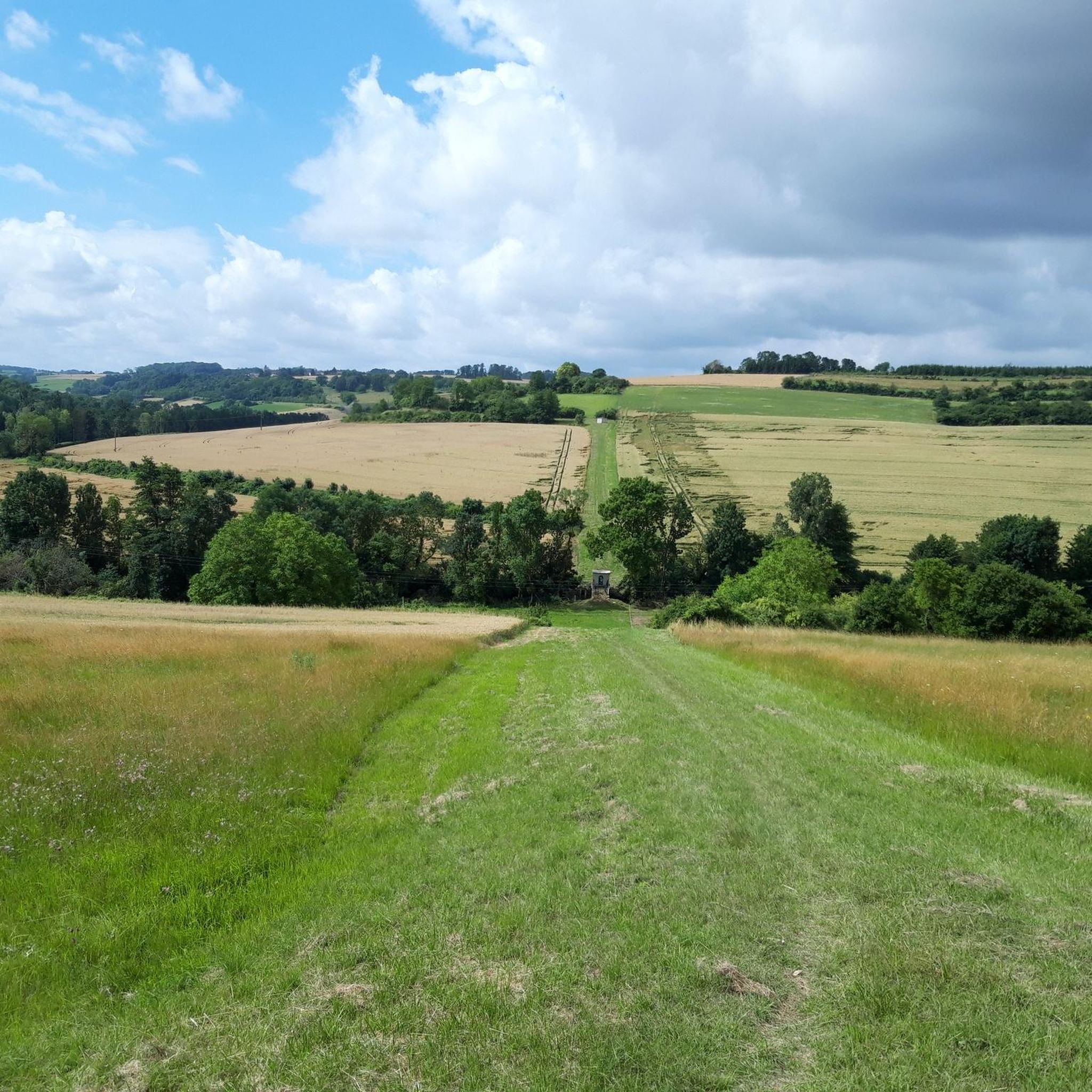
Beginning of the hillsides of the Champagne vineyard
0
0

As a memorial to the endless number of war dead, such a “Cimetiere militaire” – in German they are usually referred to as a “war cemetery” or “soldiers' cemetery” – is still very important today. "Now you, O Lord, let your servant depart in peace, as you said..." says the so-called "Song of Simeon" (Gospel of Luke chapter 2, verse 29). However, the many people buried here by no means died in peace, but rather became victims of war and an inhumane tyranny. The most important and at the same time enduring function of military or honorary cemeteries or war cemeteries is to keep the memory of this suffering alive and - every generation anew (!) - to remind us of the lasting preservation of peace.
1
0

The St-Pierre-St. Saint-Paul Church was built at the end of the 12th century and the beginning of the 13th century by Jean d'Orbais, one of the architects of Reims Cathedral. There you will find magnificent stained glass windows and glazed tiles from the 15th century. More info here: https://abbayeorbais.wordpress.com/
2
0

A touching, evocative place that, like so many in France, recalls the misery of the world wars (in this case the first).
1
0

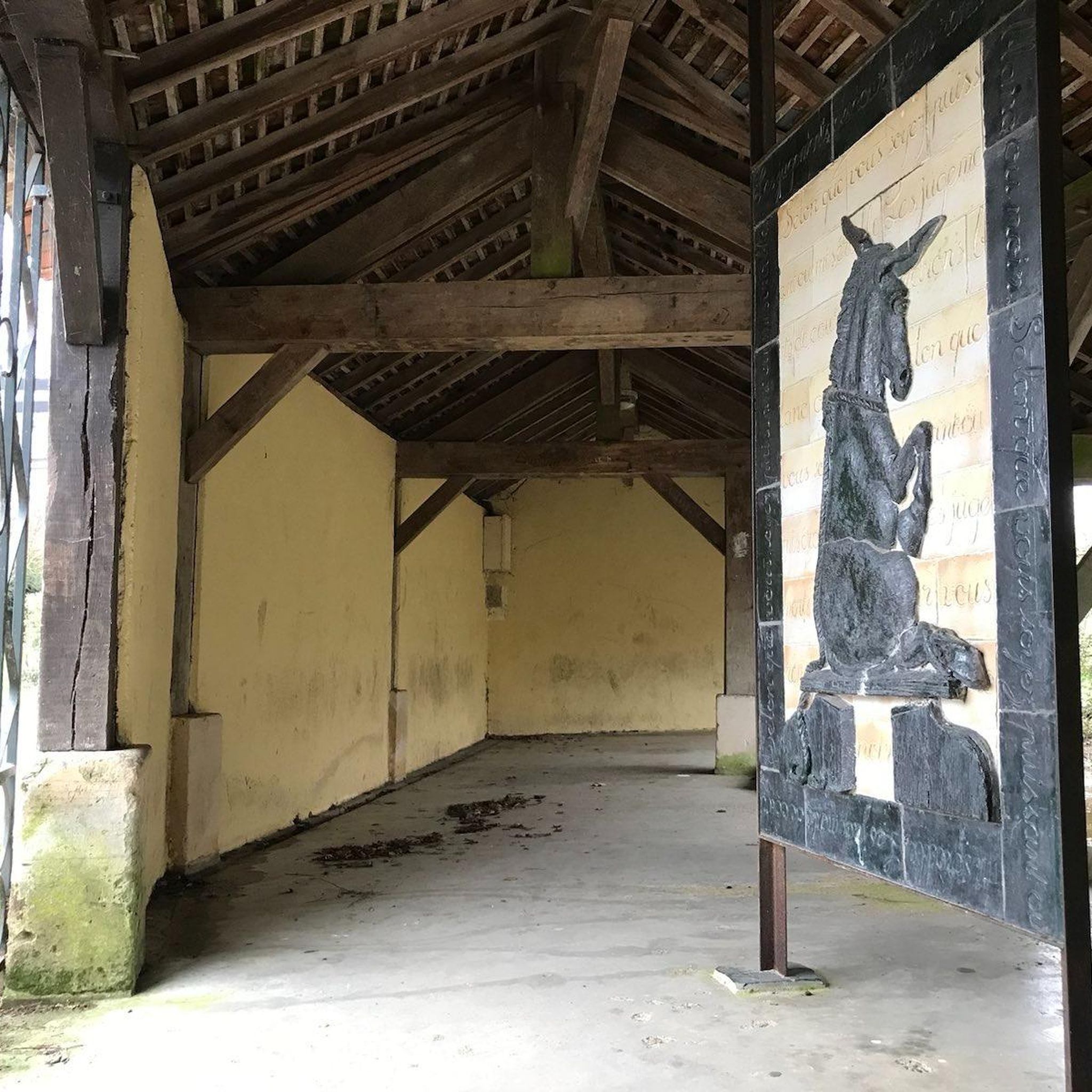
Lovely park with nice apple trees, a washhouse with art representing the fable The lion and the hunting donkey. Part of The Fabulous Labyrinth.
0
0

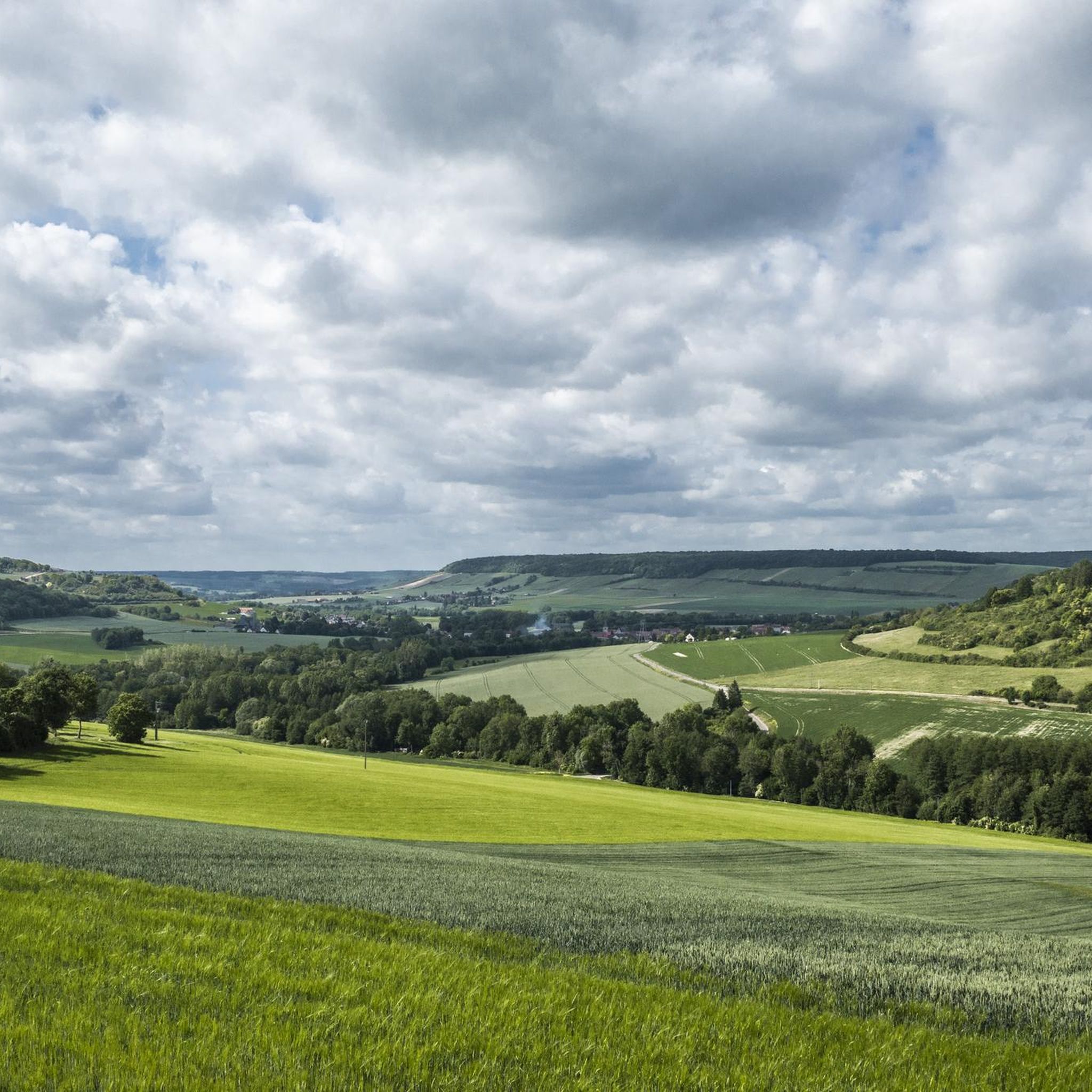
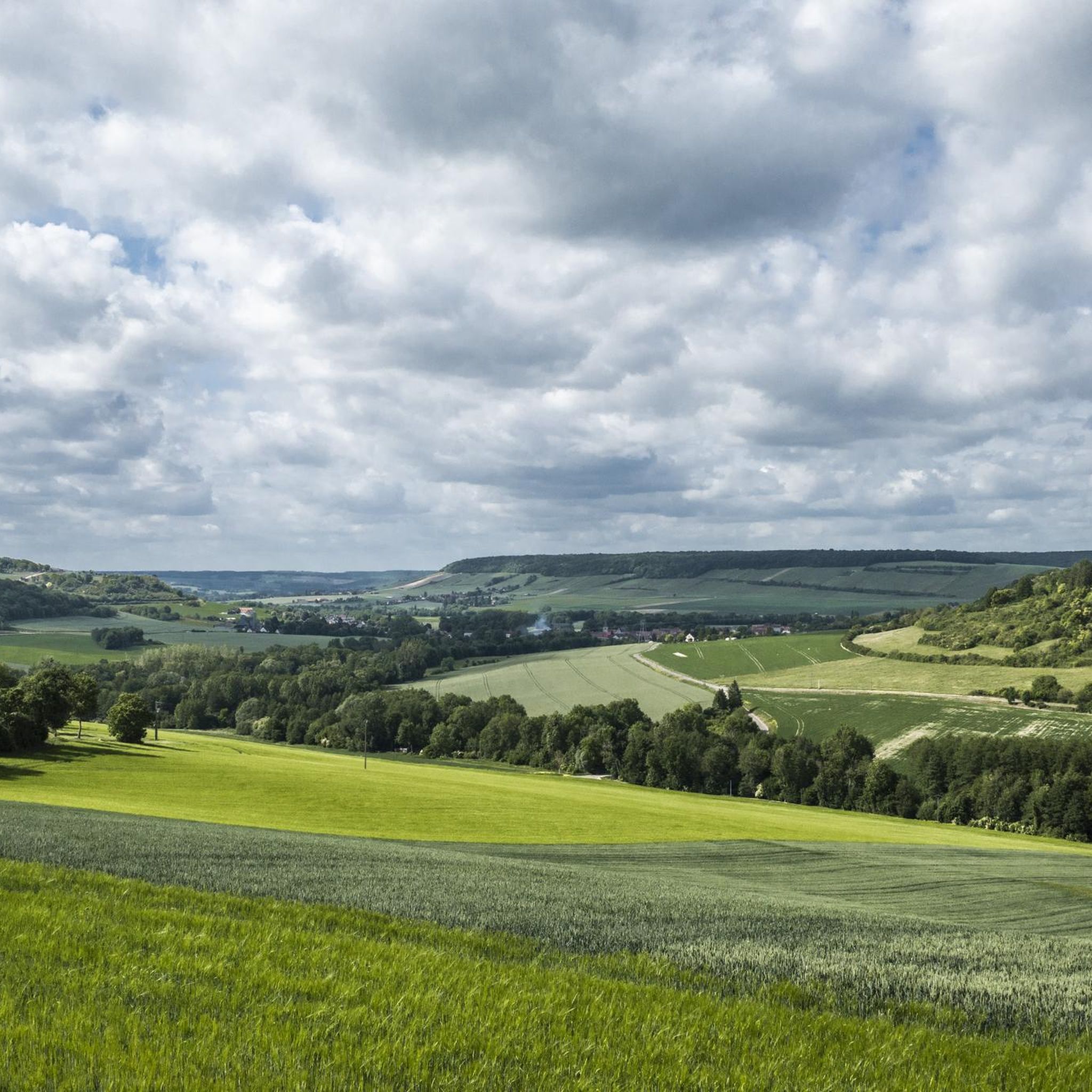
The monument is dedicated to the two battles of the Marne. The site was chosen by Marshal Foch. The ossuary contains the bones of 1,500 unknown soldiers. In front of the chapel you have a magnificent view of the Marne Valley.
5
0

The Memorial to the battles of the Marne is a chapel located in the upper part of the town of Dormans (Marne). It is one of the four national monuments dedicated to the First World War;
6
1
Frequently Asked Questions
What historical sites can I explore around Condé-En-Brie?
Condé-En-Brie is rich in history. You can visit the private Château de Condé, a historic monument with 17th and 18th-century interiors and a park. Other significant historical landmarks include the 13th-century Saint-Remi Church, the 15th and 16th-century Market Halls, and the Old Town Hall, all classified as Historic Buildings. Additionally, the Dormans Memorial 1914–1918 and Dormans Military Cemetery offer poignant insights into the region's role in the World Wars.
Are there family-friendly attractions in the Condé-En-Brie area?
Yes, families can enjoy the Lavoir and Ceramic Art of 'Le Lion et l’Âne Chassant', which is part of The Fabulous Labyrinth and features a park with apple trees. The Château de Condé also offers a treasure hunt for families within its ancient park. The Dormans Military Cemetery is also listed as family-friendly.
What natural features can I discover near Condé-En-Brie?
The region is characterized by its natural beauty. Condé-En-Brie itself is named after the confluence of the Surmelin and Dhuys rivers. It's situated in the western valley of the Marne, an area known for its vineyards, such as the Champagne Vineyards of the Montagne de Reims. The Château de Condé also features a park with ancient trees, providing a serene natural escape.
What outdoor activities can I do near these attractions?
The area around Condé-En-Brie offers various outdoor activities. You can find numerous hiking, mountain biking, and road cycling routes. For hiking, explore trails like the 'Beautiful meadow path – Château de Condé loop' from Condé-en-Brie. Mountain bikers can try the 'Pont de Montmort-Lucy – Château de Condé loop'. Road cyclists have options such as the 'Château de Condé loop'. You can find more details on these routes in the dedicated guides for hiking, MTB, and road cycling around Condé-En-Brie.
Are there specific viewpoints to enjoy the scenery?
Yes, the Dormans Memorial 1914–1918 offers a magnificent view of the Marne Valley from in front of its chapel. Additionally, the Champagne Vineyards of the Montagne de Reims provide scenic vistas of the rolling hills and vineyards.
What is the significance of Jean de La Fontaine in Condé-En-Brie?
The renowned fabulist Jean de La Fontaine has a notable legacy in Condé-En-Brie. His fables are depicted in the village's old laundrettes, including one in the center adorned with a scene from 'Sick animals of the plague, VII, 1'. The Lavoir and Ceramic Art of 'Le Lion et l’Âne Chassant' is another example, part of The Fabulous Labyrinth. The Château de Condé also houses illustrations of his fables by prominent artists.
What is the Champagne Tourist Route and how does it relate to Condé-En-Brie?
Condé-En-Brie is located along the famous Champagne Tourist Route, highlighting its deep connection to the production of champagne. The surrounding region, particularly the western valley of the Marne, is known for its vineyards and numerous small champagne producers. This route offers a chance to explore the heritage of this iconic beverage.
What are some lesser-known historical gems in the area?
Beyond the prominent sites, Condé-En-Brie features several old laundrettes, some adorned with art inspired by Jean de La Fontaine's fables, offering a glimpse into local history and culture. The 15th and 16th-century Market Halls, supported by Doric pillars, and the Old Town Hall are also classified historic buildings that provide a sense of the commune's past.
What do visitors enjoy most about the attractions around Condé-En-Brie?
Visitors appreciate the historical depth and poignant atmosphere of sites like the Dormans Memorial 1914–1918, noting its magnificent views of the Marne Valley. The Dormans Military Cemetery is often described as a touching and evocative place that serves as an important memorial. The Lavoir and Ceramic Art of 'Le Lion et l’Âne Chassant' is enjoyed for its charming park setting and unique art.
Is there an ancient abbey to visit nearby?
Yes, the Orbais Abbey, specifically the St-Pierre-St. Saint-Paul Church, is located nearby. It was built at the end of the 12th and beginning of the 13th century by Jean d'Orbais, one of the architects of Reims Cathedral, and features magnificent stained glass windows and glazed tiles from the 15th century.
What is the best time to visit Condé-En-Brie for outdoor attractions?
While specific seasonal data isn't provided, the region's vineyards and outdoor routes suggest that spring through autumn would be ideal. During these months, the weather is generally pleasant for exploring historical sites, enjoying the natural landscapes, and engaging in hiking or cycling activities along the Champagne Tourist Route.

Get inspired with the komoot mobile app


Explore more
Still not found the Highlight you’re looking for? See guides of the top attractions in other regions:
