Attractions and Places To See around Montlandon - Top 17
Best attractions and places to see around Montlandon are found in this tranquil municipality located in the Eure-et-Loir department of France. The region provides access to local sites and a wider array of attractions, including the natural landscapes of the Perche Regional Natural Park. Visitors can explore historical churches, gardens, and forested areas.
Best attractions and places to see around Montlandon
- The most popular attraction is Shaded section in the forest, a forest path that offers a pleasant passage…
Last updated: May 3, 2026
Thiron-Gardais Abbey Gardens
Highlight • Historical Site
Translated by Google •
Tip by

Shaded section in the forest
Highlight (Segment) • Forest
Translated by Google •
Tip by
Sign up now to discover places like this
Get recommendations on the best single tracks, peaks, & plenty of other exciting outdoor places.
Sign up for free
Saint-Vincent Church of Marolles-les-Buis
Highlight • Religious Site
Translated by Google •
Tip by

Saint Bartholomew Church
Highlight • Other
Translated by Google •
Tip by
Saint-Jacques Church of Montlandon
Highlight • Religious Site
Translated by Google •
Tip by

Sign up for free to discover even more attractions around Montlandon.
Sign up for free
Already have an account?
Start today with a free account
Your next adventure awaits.
Login or Signup

Tips from the Community

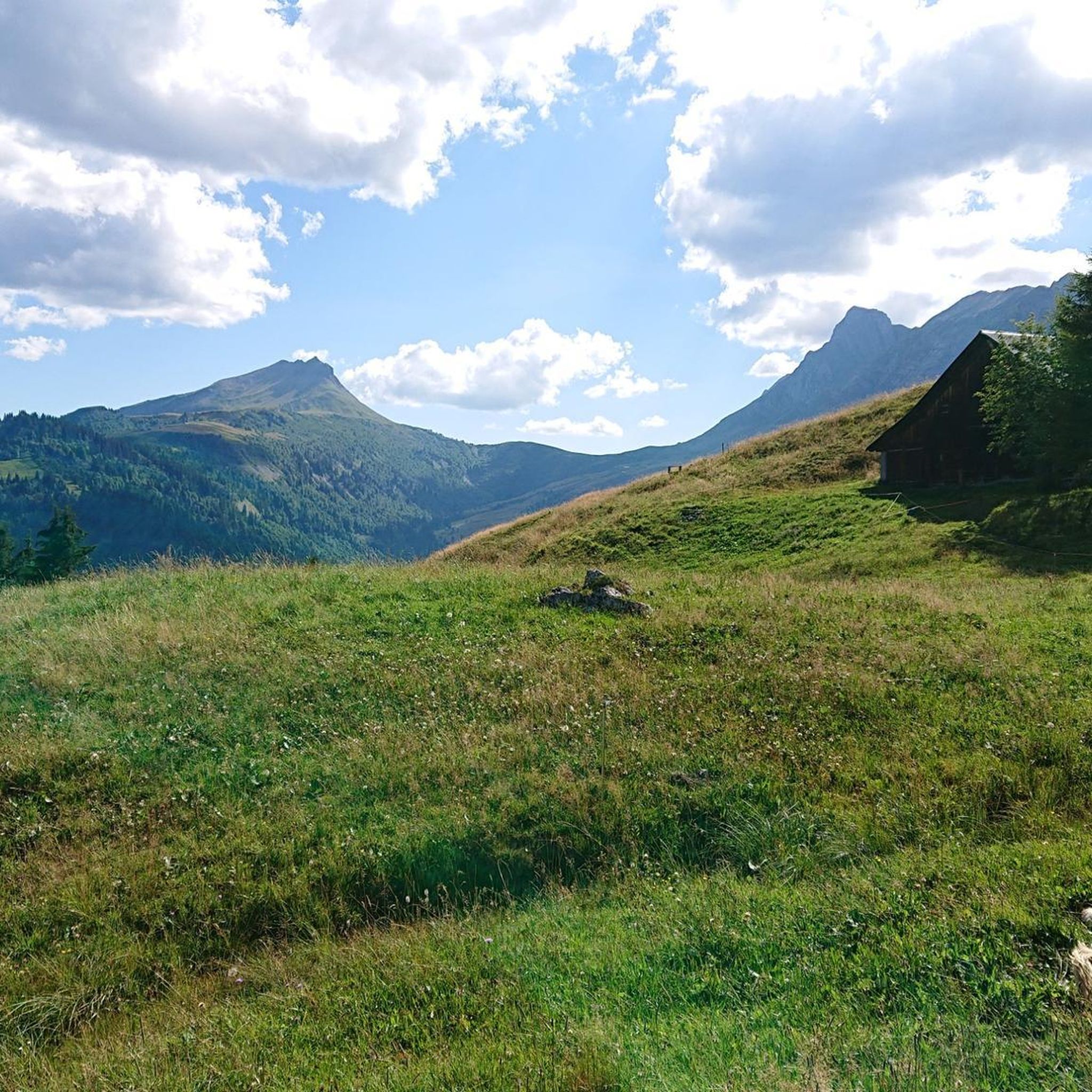
Church built in the first half of the 16th century, then raised in 1752. It is formed of a nave preceded by a narthex and adjoining two chapels forming a false transept. The 16th century door is formed of a low arch, adjoining smooth pilasters which support the lintel, above which a triangular pediment stands out from the wall. The church is decorated with murals in the apse and the side chapels, dating from the 16th and 17th centuries. In the choir, the paintings date back to the 19th century. Large flamboyant Gothic windows illuminate the building and retain stained glass windows.
0
0

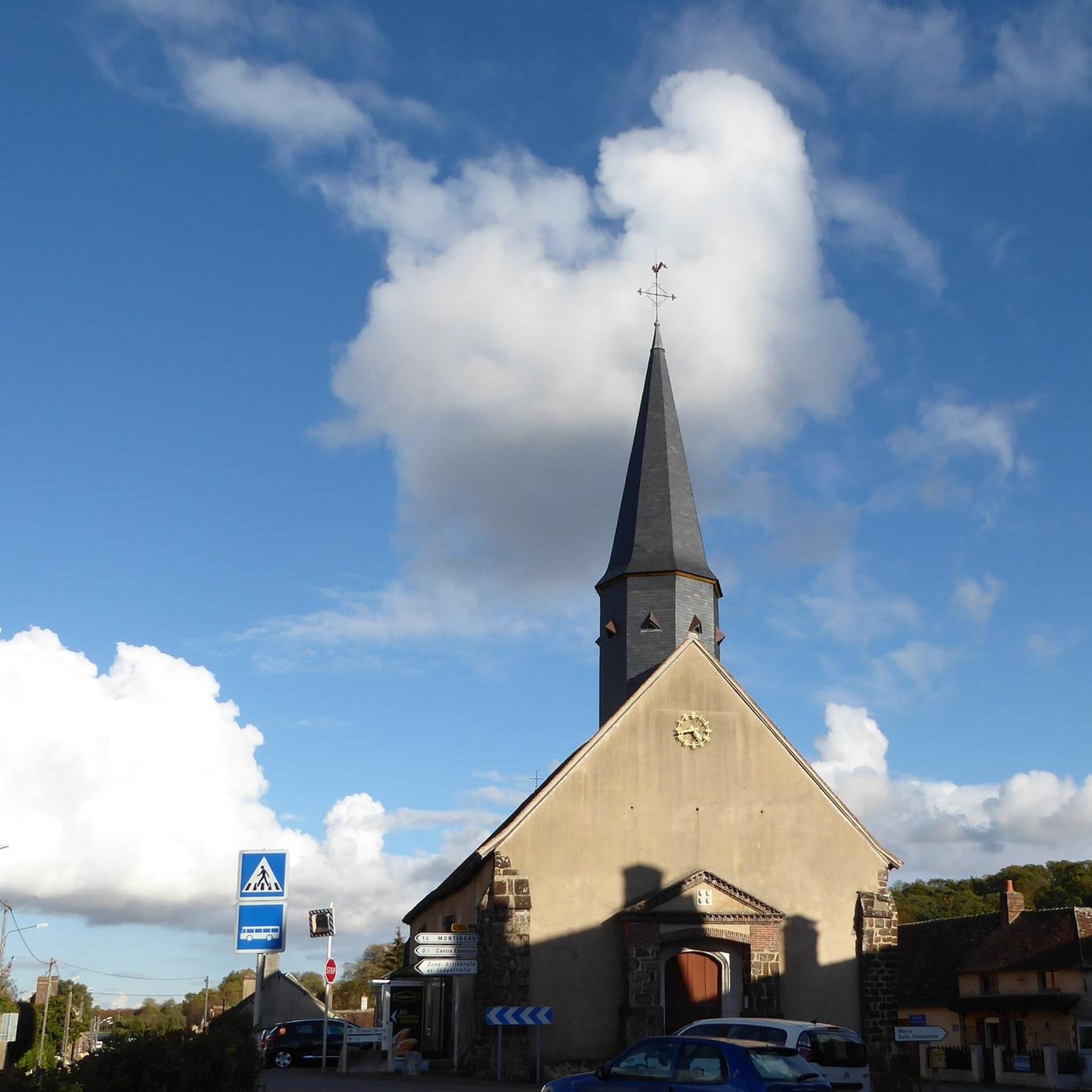
Originally built in the 11th century, the church only had its walls in 1766. It was at this time that it was rebuilt with its bell tower.
0
0

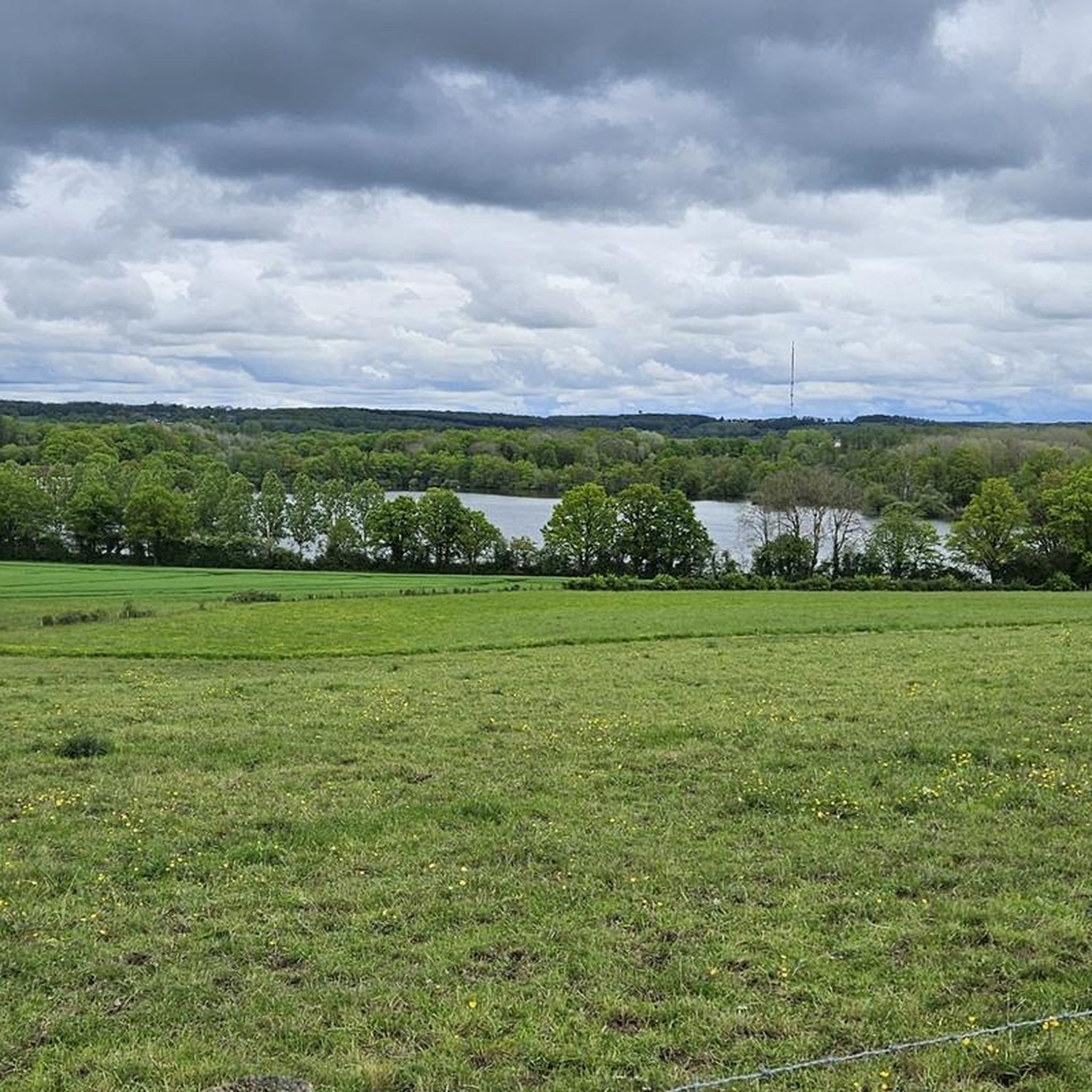
Thiron-Gardais Abbey was the mother abbey of one of the largest monastic orders of the Middle Ages, the Order of Tiron. There is a picnic area and Wi-Fi available inside. The gardens are impressive and highly recommended.
0
0
In 1862, at a time when Napoleon III found himself facing anticlerical opposition, the bishop of Chartres sought to bring together Catholics certainly in his cathedral but also in the countryside. He has in his possession a relic of Saint James and decides to offer it to the Saint-Jacques church in Montlandon. Where does he get it from? Is it one of the two relics existing in Chartres before the Revolution, one attested at the Saint-André church in the 15th century, the other at the Hôtel-Dieu in the following century? The mystery remains. The same year, the parish priest, Father Joly, wrote a 28-page brochure entitled Historical notice on Saint James the Greater, his origin, his vocation, his apostolate, his death, his translation and his miracles followed by some reflections on the founding of a pilgrimage to Montlandon, printed in Chartres by the printer Garnier, which he sold for the benefit of his church, with the approval of his bishop. This attempt to found a pilgrimage was unsuccessful. The reliquary is still at the back of the church but could do with some serious cleaning. The church of Montlandon could today once again become a small local sanctuary, within walking distance of former pilgrims from Compostela or of those who will never go as far as Galicia. The same year, the parish priest, Father Joly, wrote a 28-page brochure entitled Historical notice on Saint James the Greater, his origin, his vocation, his apostolate, his death, his translation and his miracles followed by some reflections on the founding of a pilgrimage to Montlandon, printed in Chartres by the printer Garnier, which he sold for the benefit of his church, with the approval of his bishop. This attempt to found a pilgrimage was unsuccessful. The reliquary is still at the back of the church but could do with some serious cleaning.
0
0
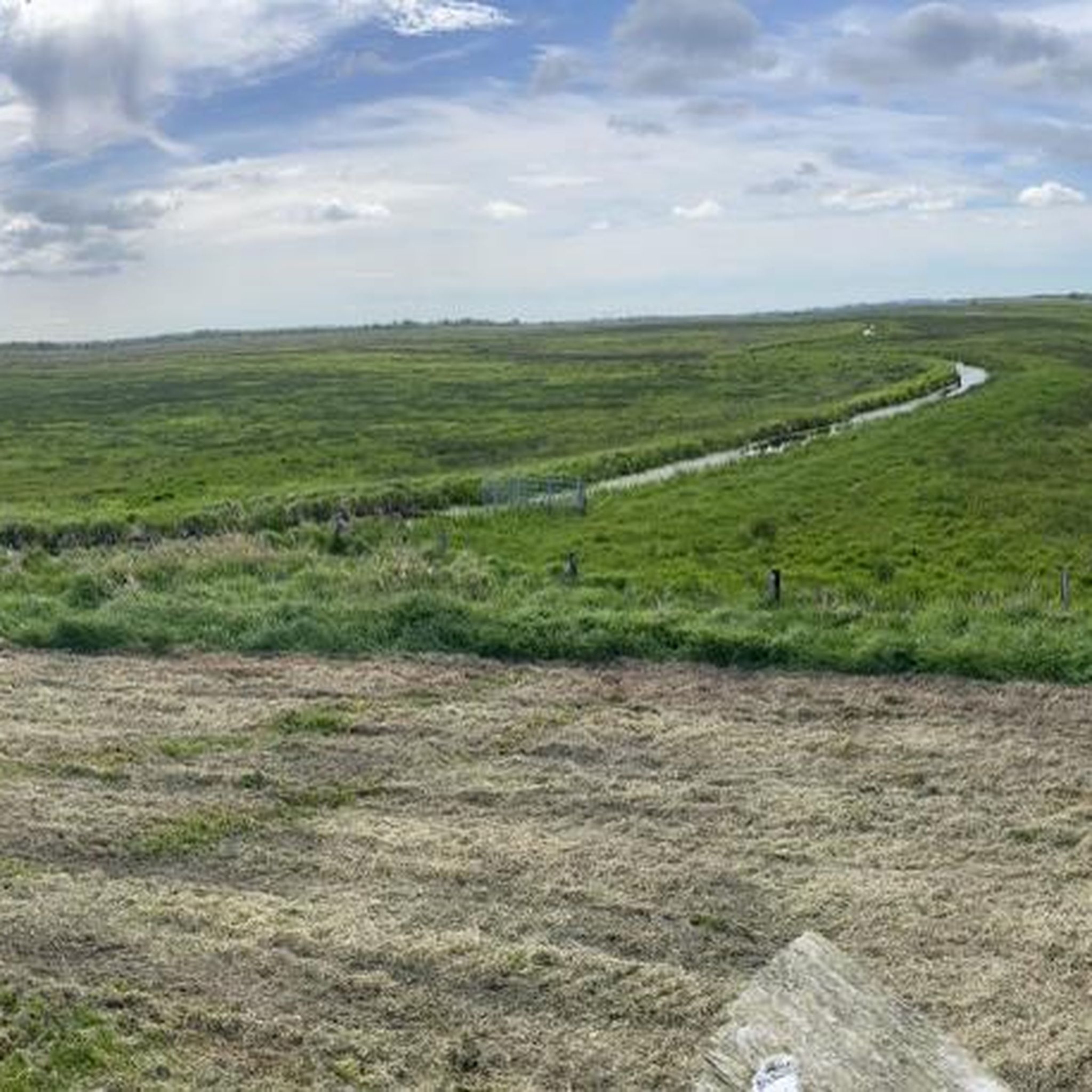
Church of Marolles-Les-Buis, Saint-Lubin du Perche parish, Nogent le Rotrou Saint Vincent in the heart of the village, seen from the sky… This church is dedicated… To Saint Vincent: born in Spain, ordained deacon by Valère, bishop of Zaragoza, they were both the first victims of the persecution unleashed, in 304, against Christians by the emperor Diocletian. They were taken, in chains, to Valencia to appear before the governor of the province. Vincent eloquently declared that nothing, ever, would overcome their loyalty to Christ. He was then subjected to torture, and it was joyful to confess his faith that he breathed his last. Vincent became a very popular saint in the West. We do not know why he became the patron saint of winegrowers. The Romanesque nave of the Marolles church… Is the one which was given to the monks of Thiron around 1115. The proportions of this first church were practically doubled in the 15th century by the addition of a porch to the west, topped by a massive bell tower with a staircase turret exterior, and a choir narrower than the nave to the east. A church is not a building like any other… Each of the elements that constitute it has a particular meaning, a symbolic meaning. So it is with the porch or the front door. The door, generally monumental, even in a village church, leads from the street to the sanctuary, from the secular domain to the sacred domain. Open to a mystery, it is a place of passage between two states, and its value is dynamic: it invites you to cross, to progress towards… The church is generally oriented from west to east: west, the entrance, the east, the choir; the journey is therefore towards the side where the day dawns, and it is indeed the Day of the return of the victorious Christ, the Christ of glory, which the faithful await with faith and hope. And let us now reread the Gospel of John (10, 1-10) which tells us that Christ is the true door, the Door of passage to the Father. This is also what we are reminded of on the tympanum of cathedral doors where Christ is depicted who welcomes those who enter to offer them the opportunity to go with him to his Father...
0
0

The Saint-Barthélemy Church dates from the 16th century and is a listed historical monument. You can admire its beautiful facade, its stained glass windows and its sculpted altars. The church is located in the small village of Montireau, surrounded by fields and forests. You will appreciate the peaceful atmosphere and the charm of this rural region.
2
0
The Church of Saint-Vincent in Marolles-les-Buis is a 12th century church with a Romanesque nave and a Gothic choir with a narthex which was added later. You can admire the geometric decoration of the interior porch, the 16th century stained glass windows and the monument to the dead of the First World War.
2
0

Discover through these medieval gardens the history of the Order of Tiron, which exerted its influence throughout the north of France and as far as Scotland from the construction of the abbey in 1114. Only the abbey church still remains today, accompanied by thematic gardens of medieval inspiration. On a surface of 4 hectares, 10 themed gardens are proposed for the visit.
1
0
Frequently Asked Questions
What historical and cultural sites can I explore near Montlandon?
Montlandon and its surroundings offer several historical and cultural sites. Within Montlandon, you can visit the Église Saint-Jacques de Montlandon, an 11th-century church with a rich history. Nearby, discover the Thiron-Gardais Abbey Gardens, a historical site featuring 10 themed gardens of medieval inspiration across 4 hectares. Other notable churches include the Saint-Vincent Church of Marolles-les-Buis, dating from the 12th century, and the Saint-Lubin Church of Chassant, which retains traces of its Romanesque construction. Further afield, the magnificent 13th-century Chartres Cathedral is about 35 km away, and the town of Chateaudun, with its impressive castle, is 43 km distant.
Are there any natural areas or forests for walks near Montlandon?
Yes, Montlandon is close to several natural areas perfect for walks. The most popular is a Shaded section in the forest, offering a pleasant passage between fields and forest, away from cars. This idyllic route features hedges and tall trees on quiet side roads. Additionally, Montlandon is situated within the broader Centre-Loire Valley region, which includes the picturesque Perche Regional Natural Park, known for its hills, woods, and country estates.
What kind of cycling routes are available around Montlandon?
The area around Montlandon provides various cycling opportunities. You can find numerous road cycling routes, including longer loops like the 'Saint Martin Church – Château de Frazé loop' which can be challenging. For more general cycling, there are touring bicycle routes such as the 'Gris-Peine Pass (240 m) – Shaded section in the forest loop' from Nogent-le-Rotrou. You can explore more options on the Road Cycling Routes around Montlandon and Cycling around Montlandon guide pages.
Are there family-friendly attractions in the Montlandon area?
Yes, there are family-friendly options. The Shaded section in the forest is ideal for pleasant family walks, offering a safe and car-free environment. The Saint-Lubin Church of Chassant is also noted as family-friendly, allowing for a cultural visit in a charming village setting. Exploring the Perche Regional Natural Park also offers opportunities for outdoor family activities.
Where can I find local markets near Montlandon?
Several nearby towns host markets on different days, offering a chance to experience local life and products. You can find markets in La Loupe (Tuesdays, 9km), Courville-sur-Eure (Thursdays, 17km), Remalard (Mondays, 19km), Senonches (Fridays, 19km), and Brou (Wednesdays, 23km). Nogent-le-Rotrou, about 17 km away, also hosts a market on Saturdays.
What do visitors enjoy most about the attractions around Montlandon?
Visitors particularly enjoy the tranquil and natural settings, such as the Shaded section in the forest, which is praised for its pleasant, car-free passage. The historical sites like Thiron-Gardais Abbey Gardens are appreciated for their beauty, historical depth, and well-maintained themed gardens. The charm of the ancient religious buildings, like the Saint-Lubin Church of Chassant, also receives positive feedback for their historical significance and architectural details.
Are there any running trails near Montlandon?
Yes, there are several running trails in the vicinity of Montlandon. You can find moderate difficulty loops ranging from approximately 7 km to 11 km, starting from nearby villages like Happonvilliers, Combres, and Vaupillon. For more detailed information and routes, refer to the Running Trails around Montlandon guide page.
What are some notable gardens to visit in the area?
Beyond the Thiron-Gardais Abbey Gardens, which are a significant historical and horticultural site, you can also explore other remarkable gardens in the region. These include the Jardin de la petite Rochelle (19 km away) and Le pré Catelan (20 km away), both offering unique botanical experiences.
What is the Saint-Jacques Church of Montlandon known for?
The Église Saint-Jacques de Montlandon, originally built in the 11th century, was rebuilt in 1766. It is notable for having received a relic of Saint James in 1862, an attempt to establish a local pilgrimage site. While the pilgrimage was unsuccessful, the reliquary is still present, and the church holds historical significance within the community.
Can I find medieval architecture in towns near Montlandon?
Yes, you can. The town of La Ferté-Bernard, located about 35 km away in the Sarthe department, is particularly noted for its well-preserved medieval character and picturesque setting. Additionally, towns like Nogent-le-Rotrou and Mortagne-au-Perche also offer historic buildings and a glimpse into the region's past.
What kind of landscape can I expect in the Perche Regional Natural Park?
The Perche Regional Natural Park, accessible from towns like Nogent-le-Rotrou (17 km from Montlandon), is characterized by picturesque landscapes. You can expect to see rolling hills, dense woods, ancient oak trees, and charming country estates. It's an ideal area for enjoying nature and gentle outdoor activities.

Get inspired with the komoot mobile app


Explore more
Still not found the Highlight you’re looking for? See guides of the top attractions in other regions:
