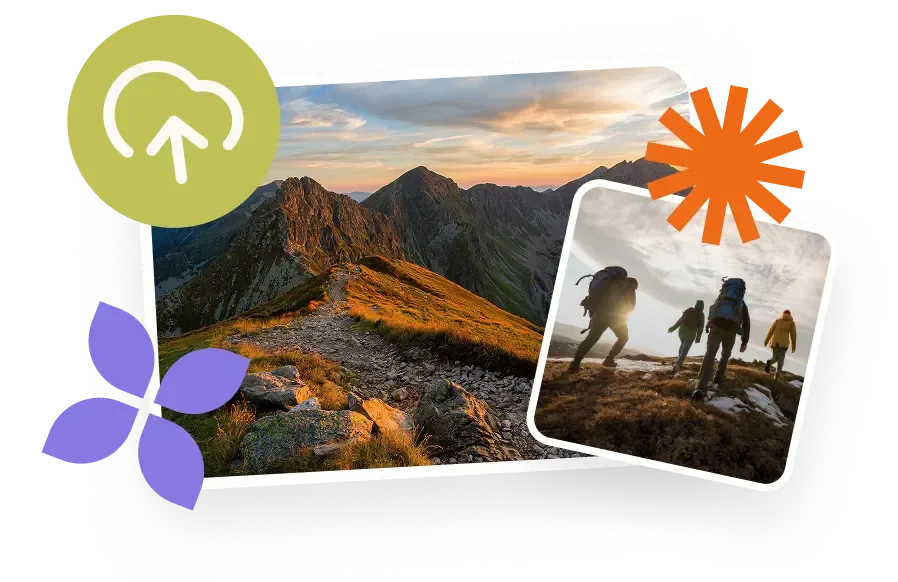
Highlight • Summit
Jew Mountain
Jew Mountain is a prominent summit located in Ravalli County, Montana, offering a challenging ascent within the scenic Bitterroot Range. Standing at an elevation of 2,430 meters (7,972 feet), this peak is nestled within the vast Bitterroot National Forest, providing a true wilderness experience. It is a distinct landmark in the region, separate from Jew Peak in Sanders County, and serves as a gateway to the rugged beauty of Western Montana.
Visitors are drawn to Jew Mountain for its unspoiled natural landscapes and the profound sense of tranquility found high above the Bitterroot Valley. The journey to the summit promises expansive vistas across the surrounding mountains and forests, rewarding hikers with a deep connection to Montana's wild heart. It's a place where the grandeur of the Rocky Mountains can be truly appreciated, far from the bustle of everyday life.
Preparing for a visit to Jew Mountain requires an understanding of its wilderness setting. The terrain is typical of the Bitterroot Range, often rugged and demanding, making appropriate hiking footwear and gear essential. Hikers should be prepared for varying weather conditions, as mountain environments can change rapidly. While specific Jew Mountain summit trails are not extensively documented, the area offers ample opportunities for off-trail navigation and exploration within the national forest.
The best time to hike Jew Mountain Montana is generally during the warmer months, from late spring through early autumn, when trails are most accessible and weather is more predictable. Activities primarily revolve around hiking and backpacking, allowing adventurers to immerse themselves in the natural environment. Wildlife viewing is also a highlight, with opportunities to spot mountain goats, deer, elk, and various bird species that inhabit the Bitterroot National Forest.
Exploring the area around Jew Mountain offers a chance to witness the raw beauty of Montana. Hikers often speak of the quiet solitude and the feeling of accomplishment upon reaching such a remote summit. The expansive views from the higher elevations provide a memorable perspective of the surrounding wilderness, making every effort worthwhile.
For those eager to discover the diverse landscapes of the Bitterroot Range, numerous hiking routes and outdoor adventures await. Whether you're seeking a challenging ascent or a peaceful trek through the forest, komoot can help you plan your journey to Jew Mountain and explore the many trails available in this remarkable part of Montana.
This Highlight is in a protected area
Please check local regulations for:
Tips
In the know? Log-in to add a tip for other adventurers!
Sign up for free
Nearby routes
Best routes near Jew Mountain
Details
Informations
Elevation 2,420 m
Weather
Powered by Foreca
Today
Thursday 3 September
17°C
7°C
75 %
Additional weather tips
Max wind speed: 16.0 km/h
Frequently Asked Questions
What is the typical difficulty level for hiking Jew Mountain?
Jew Mountain is considered an intermediate to challenging hike. While specific, extensively documented trails to the summit are not widely available, the terrain within the Bitterroot National Forest is generally rugged and demanding. Hikers should be prepared for significant elevation gain and potentially off-trail navigation, requiring good physical fitness and experience in wilderness environments.
Are there any specific trails or routes recommended for reaching the summit of Jew Mountain?
Unlike some more popular peaks, there aren't extensively documented or officially maintained trails leading directly to the summit of Jew Mountain. The area is more suited for experienced hikers comfortable with route-finding and off-trail exploration within the Bitterroot National Forest. Many choose to create their own routes, often starting from various access points within the surrounding wilderness. It's advisable to consult detailed topographic maps and local resources before attempting an ascent.
Is Jew Mountain suitable for a winter hike?
While the intro mentions warmer months are best, winter hiking on Jew Mountain is generally not recommended for most visitors. The Bitterroot Range experiences heavy snowfall, making conditions extremely challenging and potentially dangerous. Deep snow, avalanche risk, and rapidly changing weather require advanced winter mountaineering skills, specialized gear, and significant experience. For most, late spring through early autumn offers the safest and most enjoyable hiking conditions.
Are dogs allowed on the trails around Jew Mountain?
As Jew Mountain is located within the Bitterroot National Forest, dogs are generally permitted on trails and in wilderness areas, provided they are kept under control. It's always best to check current regulations with the local Forest Service office, as rules can vary or change. Always practice Leave No Trace principles, including packing out pet waste, and be aware of potential wildlife encounters.
What are the parking options and permit requirements for visiting Jew Mountain?
Parking for Jew Mountain typically involves utilizing various trailheads or access points within the Bitterroot National Forest. Specific designated parking areas may be limited, and roadside parking might be necessary in some locations. Generally, day-use permits are not required for hiking in the Bitterroot National Forest, but it's always wise to check with the local Forest Service district for any specific regulations or fee requirements that might apply to certain trailheads or areas.
What kind of wildlife can I expect to see near Jew Mountain?
The Bitterroot National Forest, where Jew Mountain is located, is rich in wildlife. Hikers often have opportunities to spot various species, including mountain goats, deer, and elk. Birdwatchers may also enjoy seeing a variety of avian species. Encounters with larger predators like black bears or even grizzly bears are possible, so it's crucial to carry bear spray and know how to use it, and to store food properly.
Are there any natural features or landmarks to look out for on the way to Jew Mountain's summit?
While specific named landmarks directly on the ascent to Jew Mountain are not widely publicized, the journey itself is characterized by the stunning natural beauty of the Bitterroot Range. You'll encounter lush creek bottoms, soaring granite walls, and numerous alpine lakes in the broader region. The primary 'landmark' is the expansive, panoramic view from the summit, offering vistas across the Bitterroot Valley and surrounding mountains.
How long does it typically take to hike to the summit of Jew Mountain?
The time required to hike to the summit of Jew Mountain can vary significantly depending on the chosen route, starting point, and individual fitness levels. Given the challenging and often off-trail nature of the ascent, a full day should be allocated for the round trip. Experienced hikers might complete it in 6-8 hours, but it's prudent to plan for longer, especially if exploring or navigating unfamiliar terrain.
What are the nearest towns or communities to Jew Mountain for accommodation and supplies?
The nearest communities offering accommodation, dining, and supplies are located in the Bitterroot Valley. Towns like Hamilton, Darby, and Stevensville are within reasonable driving distance and provide various options for lodging, restaurants, and grocery stores. These towns serve as excellent bases for exploring the Bitterroot National Forest and accessing areas near Jew Mountain.
Is Jew Mountain a good destination for families with young children?
Due to its rugged terrain, significant elevation, and lack of extensively documented, easy trails, Jew Mountain itself is generally not considered suitable for families with young children or beginner hikers. The area is more appropriate for experienced hikers seeking a challenging wilderness experience. However, the broader Bitterroot Valley and National Forest offer many family-friendly trails and recreational opportunities at lower elevations.
What is the historical significance or origin of the name 'Jew Mountain'?
The origin of the name 'Jew Mountain' is not definitively documented, and details surrounding its naming are largely lost to history. One source suggests the name was likely meant to honor a person, but its intent cannot be ascertained beyond a doubt. It's important to note that its name is distinct from 'Jew Peak' in Sanders County, Montana.