The best running trails around Mühlhausen/Thüringen
4.6
(56)
1,042
runners
127
runs
Jogging routes around Mühlhausen/Thüringen traverse a diverse landscape, blending historical urban areas with natural beauty. The region features the ancient forests of Hainich National Park, offering routes with gravel forest roads and panoramic views. Runners can also explore the flat, scenic paths along the Unstrut River floodplain and the more challenging ascents within the Mühlhausen City Forest. The well-preserved medieval city wall provides a unique historical backdrop for running.
Best jogging routes around Mühlhausen/Thüringen
- The most popular jogging route is…
Last updated: July 8, 2026
4.3
(3)
77
runners
Moderate run. Good fitness required. Mostly paved surfaces. Suitable for all skill levels.
32
runners
Moderate run. Good fitness required. Mostly paved surfaces. Suitable for all skill levels.

Sign up for free
29
runners
Moderate run. Good fitness required. Mostly paved surfaces. Suitable for all skill levels.
3.3
(3)
32
runners
Moderate run. Good fitness required. Mostly paved surfaces. Suitable for all skill levels.
5.0
(1)
29
runners
16.3km
01:42
110m
110m
Hard run. Very good fitness required. Mostly paved surfaces. Suitable for all skill levels.
Get access to more routes and recommendations from other explorers.
Sign up for free
Already have an account?
Our route recommendations are based on thousands of hikes, rides, and runs completed by other people on komoot.
Start today with a free account
Your next adventure awaits.
Login or Signup
Popular around Mühlhausen/Thüringen
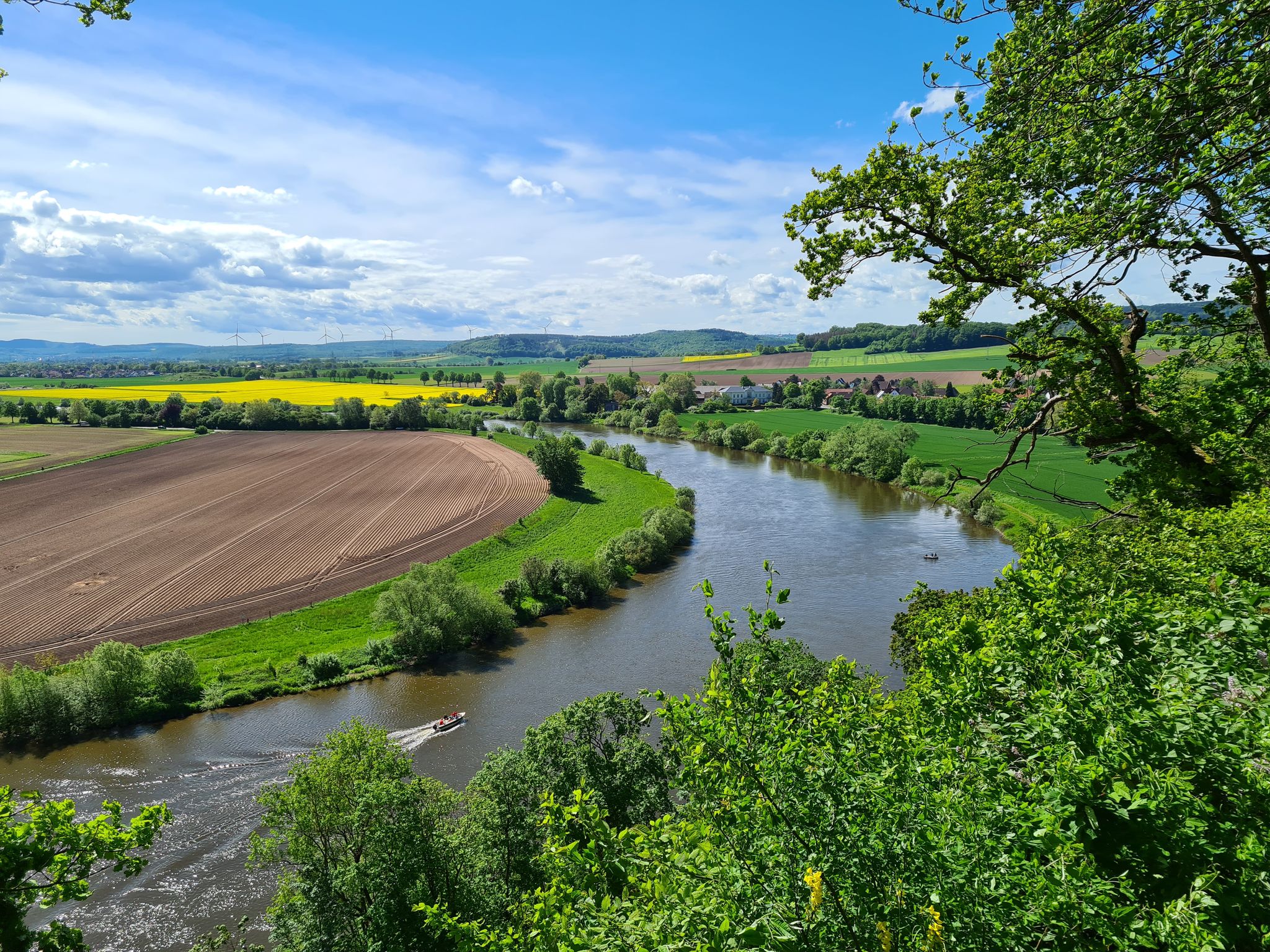
Loccum-Volkenroda pilgrim's way – From monastery to monastery
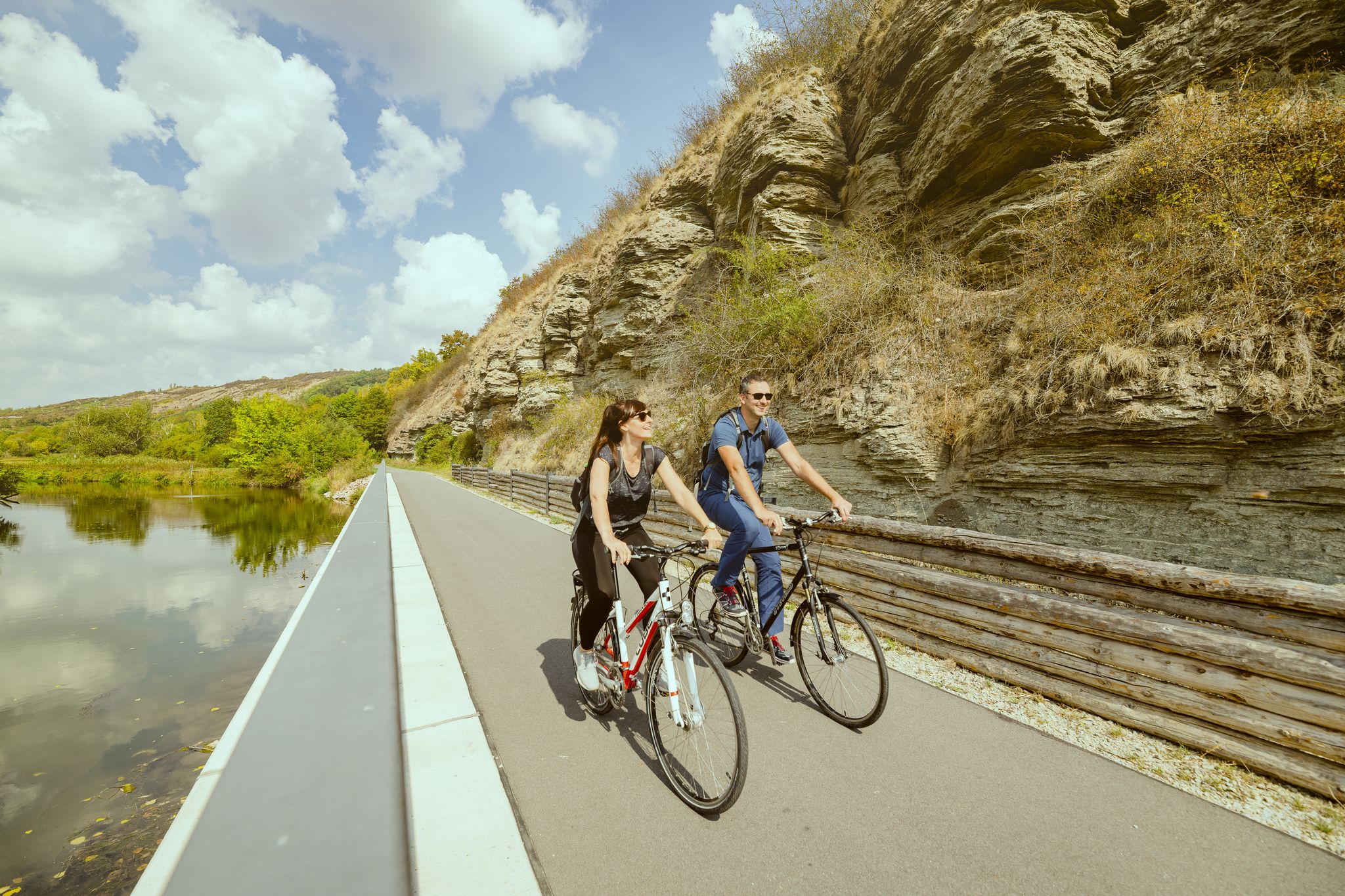
Unstrut Cycle Path – from the source in Eichsfeld to the River Saale
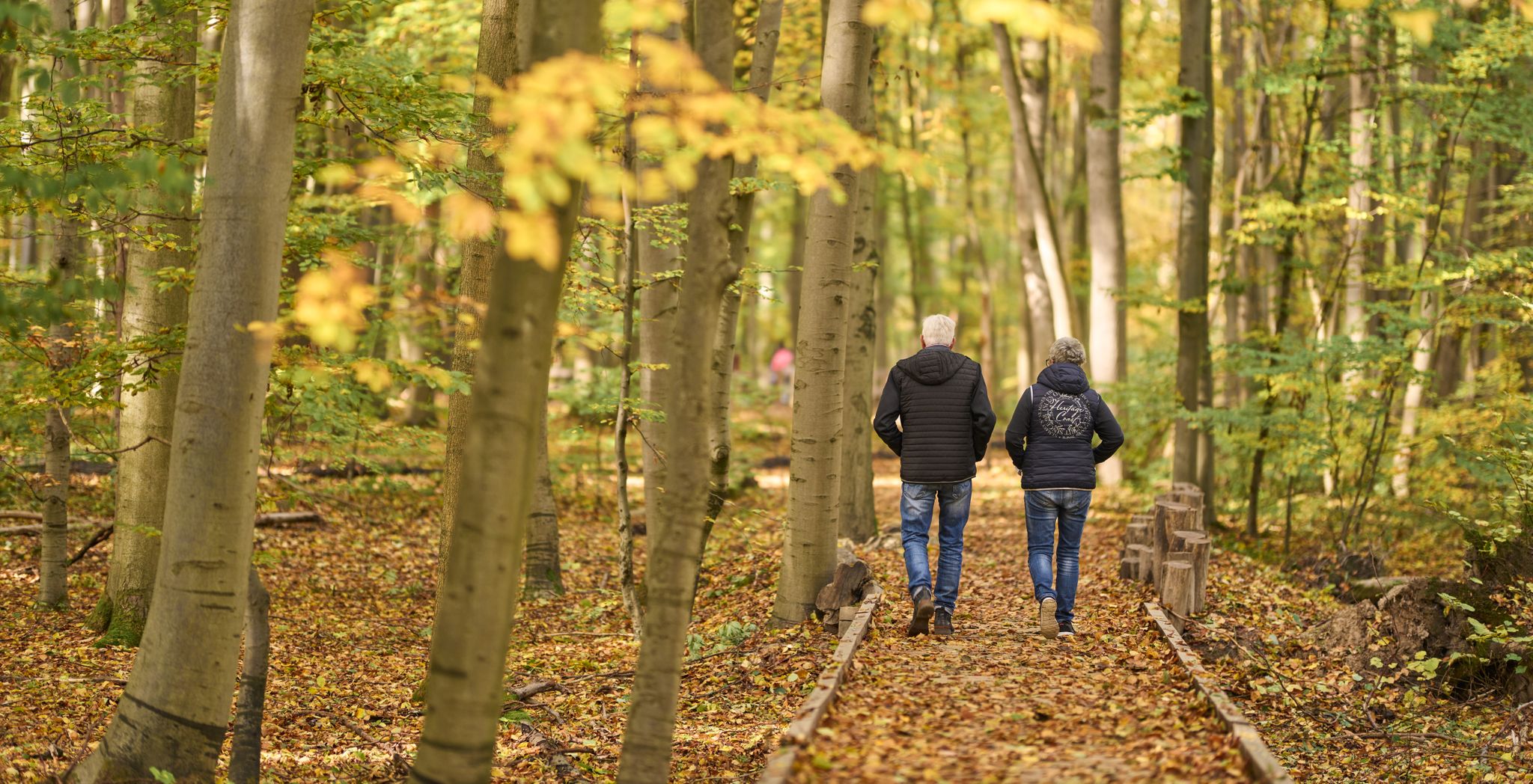
The Waagebalkenweg - in two days through the Hainich
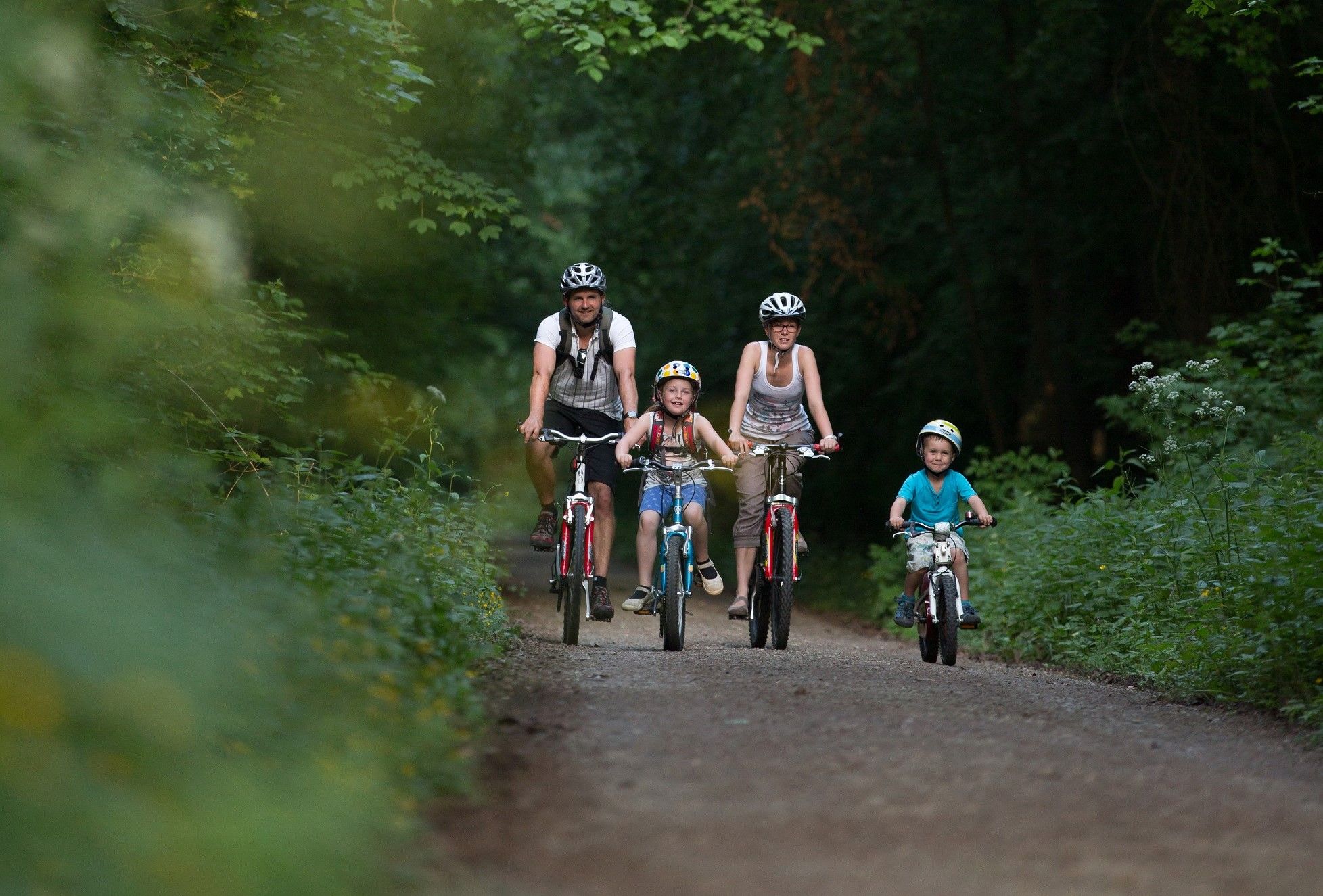
Cycling through Hainich National Park
Fast-paced trails and steep summits – outdoors in Thuringia
Hiking in Germany’s Kyffhäuser hills – 15 days on the Barbarossa Trail
Die schönsten Stadtrundgänge durch die mittelalterliche Stadt Mühlhausen/Thüringen
Cycling around Mühlhausen/Thüringen
Hiking around Mühlhausen/Thüringen
Road Cycling Routes around Mühlhausen/Thüringen
Other adventures around Mühlhausen/Thüringen


Tips from the Community

The mill was first documented in 1631. In 1679, it was rebuilt and subsequently used as both a tanning mill and a grinding mill. The mill wheel remained until 1958. The building complex still exists today: in 1994, the main building was renovated and converted into residential units. The southern, historic half-timbered building now houses commercial spaces, and a millstone is displayed in front of the building.
1
0
The church is the parish church of the Mühlhausen old town and was gifted to the Teutonic Order in 1227. The current building was constructed between 1270 and 1300 as an early Gothic hall church, influenced by French cathedral architecture. It possesses significant art-historical elements such as a rose window, medieval stained glass, a late Gothic carved altar, and tomb slabs of important personalities. After the Reformation, religious expressions changed, and much of the original furnishings were lost. The west towers still date from the predecessor building and house historical bells. The church also developed into an important center for Protestant church music, with a peak in the work of Johann Sebastian Bach in the early 18th century.
1
0
From the Hohen Graben, visitors enjoy a beautiful view of the imposing double-towered St. James' Church. Construction of the present-day St. James' Church began around 1280. An inscription, now lost, attributes the imperial figure in the arch of the north portal to Henry VII. Another inscription names 1363 as the year of completion of the church. The motif of the unequal couple is taken up in the impressive tower group completed in 1418. After the Reformation, the church seems to have been used only sporadically. It lost almost all its furnishings in the last century. St. James' Church was extensively renovated from 1992 to 2004 with financial support from the state of Thuringia, the federal-state program "Urban Monument Protection," and the German Foundation for Monument Protection. Since April 2004, St. James' Church has housed the city library with a children's library and a sound library. Interesting for visitors: so-called "Archaeological Windows" provide insights into the church's construction history. Source: https://www.thueringen.info/kultur/muehlhausen-stadtbibliothek-jakobikirche/
1
0
The Historic Town Hall in Mühlhausen was built around 1270/80, when the city developed strongly through the expansion of the old and new towns and a city council took over the administration. Symbolically, the town hall was erected between the two parts of the city. The basement with the passage remains from the original building. After a fire, the building was renovated around 1330 and later expanded, resulting in a diverse complex. Particularly significant are the richly decorated rooms with wall and ceiling paintings from several centuries, as well as the historical archive. In the 20th century, further furnishings were added, commemorating the city's history. For centuries, the town hall remained the political center and still serves today as an important venue for events and representation.
1
0
Since April 2004, the Mühlhausen city library has been located in the renovated and converted Jakobikirche. Here, the main library, children's library, and phonotheque have been brought together under one roof. As a cultural and educational institution, working with children, particularly promoting reading, is a focus of the library team's activities. The Jakobikirche is also a popular venue for lectures, author readings, and concerts. Since 2021, the city library has also offered a scientific and local history reference library in the Jakobikirche. The user workstations of the Mühlhausen City Archives are also located there. Source: https://www.muehlhausen.de/rathaus-erkunden/stadtverwaltung/stadtarchiv-stadtbibliothek/stadtbibliothek-jakobikirche/
1
0
The fountain house, built in 1614 in Renaissance style, and the amphitheatrically designed spring basin make the Popperöder Quelle one of the most beautiful springs in Thuringia. The annual fountain festival takes place here. An interior visit is not possible. Source: https://world-qr.com/inhalte/new/qr-fuehrer/de/thueringen/unstrut_hainich_kreis/ortsfuehrer/stadtfuehrer_muehlhausen/muehlhausen_brunnenhaus_poppenrode?lat=0&lng=0
1
0
Thomas Müntzer (1489–1525) was a radical reformer of the early Reformation. Born in Stolberg in the Harz Mountains, he initially worked in the circle of Martin Luther, but soon distanced himself from Luther's more moderate approach. Müntzer advocated for a direct experience of God and sided with the oppressed peasants. During the German Peasants' War, he preached social justice and called for resistance against princes and ecclesiastical authorities. In 1525, he participated in the Battle of Frankenhausen, was captured, and executed. His actions made him a controversial but significant figure in the history of the Reformation.
1
0
The main building of the Mühlhausen Museums was originally constructed between 1868 and 1870 as a grammar school in the Neo-Renaissance style. Since the establishment of a local history museum in 1928, the building on Lindenbühl has primarily served as a museum. Following extensive modernization in 2013, the building reopened as a Museum of Cultural History. The redesigned permanent exhibitions showcase the most important pieces from the collection relating to the prehistory and early history of the Unstrut-Hainich district, the history of the town, and 20th-century Thuringian art. The museum's redesign is linked to a modern educational concept. Young visitors will find interactive and listening stations throughout the building, encouraging them to discover, touch, and have fun. Source: https://www.mhl-museen.de/de/museen/kulturhistorisches-museum
1
0
Frequently Asked Questions
How many running routes are available in Mühlhausen/Thüringen?
There are over 130 dedicated running routes around Mühlhausen/Thüringen, catering to various fitness levels. You'll find 18 easy routes, 96 moderate options, and 23 challenging trails to explore.
Are there any easy or beginner-friendly jogging routes in the area?
Yes, Mühlhausen/Thüringen offers 18 easy running routes perfect for beginners or those seeking a relaxed pace. A great option is the Mittelmühle Historic Mill – Swan Pond loop, a moderate 5.7 km trail that offers tranquil settings around the picturesque Swan Pond.
What are some scenic running routes with good viewpoints?
For scenic views, consider routes that traverse the Hainich National Park, which offers panoramic vistas of Wartburg castle and the Thuringian Forest. The St. James' Church, Mühlhausen – White House Forest Inn loop includes ascents through the city forest, providing elevated perspectives.
Are there any long-distance running options around Mühlhausen/Thüringen?
Yes, for longer runs, the Hainich National Park features the 31 km Rennstieg trail, with 8.5 km winding through the forest. Within our komoot routes, the Untermarkt (Lower Market), Mühlhausen – Swan Pond loop is a challenging 16.2 km route that takes you through diverse landscapes.
Can I find circular running routes in Mühlhausen/Thüringen?
Many of the routes in Mühlhausen/Thüringen are designed as loops. For example, the popular Mittelmühle Historic Mill – Swan Pond loop is a 5.7 km circular trail. Another excellent option is the Mittelmühle Historic Mill – St. James' Church, Mühlhausen loop, which covers 11.3 km.
What historical landmarks or attractions can I see while running?
Mühlhausen's rich history is visible along many routes. You can run along the almost completely preserved medieval city wall, which serves as an elevated path. Highlights include the Frauentor, Rabenturm and the City Wall of Mühlhausen, the Inneres Frauentor Mühlhausen, and the broader Mühlhausen City Walls. Some routes also pass by historical points like the Popperode fountain house.
Are there any challenging running trails for experienced runners?
Yes, for those seeking a challenge, the Mühlhausen City Forest offers routes with significant ascents. The Untermarkt (Lower Market), Mühlhausen – Swan Pond loop is classified as difficult, covering 16.2 km with notable elevation changes. Overall, there are 23 difficult routes in the region.
What do other runners say about the trails in Mühlhausen/Thüringen?
The running routes in Mühlhausen/Thüringen are highly regarded by the komoot community, with an average score of 4.6 stars from over 48 reviews. More than 1000 runners have explored the varied terrain, often praising the mix of ancient forests, river floodplains, and historic city walls.
Are there any routes that pass by natural water features?
Absolutely. The Mittelmühle Historic Mill – Swan Pond loop takes you around the tranquil Schwanenteich (Swan Pond). You can also find flat and scenic routes along the Unstrut River floodplain. The Schwemmteich Fish Farming Pond – St. Petrus Church Felchta loop also features a pleasant water body.
Are there places to rest or find shelter along the running paths?
Yes, some routes and areas offer facilities. For instance, the Hünenteich lake provides covered seating areas. You might also find huts and rest areas, such as the Fuchsfarm Juchsturm Grill Hut or the Brunstal Rest Area and Forest Toilets, which can be useful during longer runs.
What kind of terrain can I expect on the running routes?
The terrain is quite diverse. You'll encounter gravel forest roads, especially within Hainich National Park, flat paths along the Unstrut River floodplain, and more challenging ascents and descents in the Mühlhausen City Forest. The historic city wall also provides a unique, elevated running surface.
Are there any unique running experiences, like through tunnels?
Yes, the former Kanonenbahn Rail Trail, now a well-maintained bike path, features five tunnels. While primarily for cycling, sections of this path can offer a unique and enjoyable experience for runners, especially if you're looking for something different.
Most popular routes around Mühlhausen/Thüringen
Most popular attractions around Mühlhausen/Thüringen

Get inspired with the komoot mobile app


Explore more
Browse the best Running Trails & Routes in other regions.
