The 8 Most Amazing Peaks around Larcat
Best mountain peaks around Larcat are found in a commune nestled in the Ariège department of the Occitanie region in southwestern France. Larcat is characterized by its distinct mountain climate and steep terrain, with elevations ranging from 686 to 1840 meters. The commune is situated in a mountainous environment, offering notable viewpoints and serving as a gateway to the Pyrenees. This region provides a preserved natural environment for outdoor activities.
Best mountain peaks around Larcat
- The most popular mountain peaks…
Last updated: July 8, 2026
Plateau de Beille
Highlight • Mountain Pass
Translated by Google •
Tip by

Mount Fourcat
Highlight • Summit
Translated by Google •
Tip by

Sign up now to discover places like this
Get recommendations on the best single tracks, peaks, & plenty of other exciting outdoor places.
Sign up for free
Saint-Barthélemy Peak
Highlight • Summit
Translated by Google •
Tip by
Pic de Risoul
Highlight • Summit
Translated by Google •
Tip by

View of the summit of Crouzille
Highlight (Segment) • Viewpoint
Translated by Google •
Tip by

Sign up for free to discover even more peaks around Larcat.
Sign up for free
Already have an account?
Start today with a free account
Your next adventure awaits.
Login or Signup


Tips from the Community

Very good place to practice skating skiing in winter!
0
0
A must-see in Ariège that you should do at least once in your life. The view of the various mountain ranges is splendid.
0
0
A magnificent location offering stunning views of the Ariège Pyrenees: the Montcalm Massif, the Bassiès Massif, the Beille Plateau, and more. Easily accessible from Croquié in both summer and winter, provided you're well-equipped and at least a little fit (800m+). Its only drawback: it's very crowded, especially in winter.
0
0

Be careful, expert route but what a view
0
0

Possibility of bivouac and magnificent natural spectacle by numerous griffon vultures
1
1


Nice open view and plenty of parking space
1
0

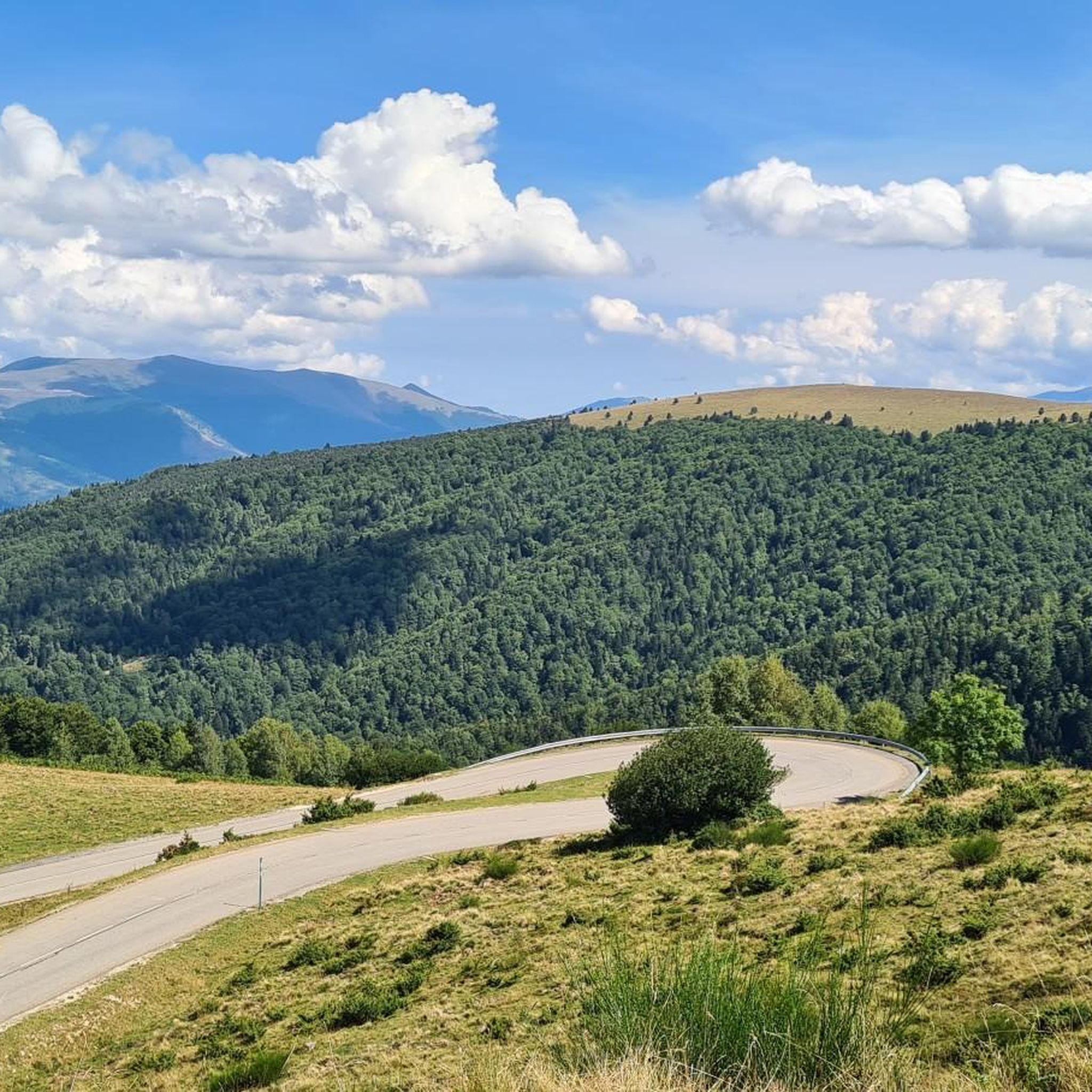
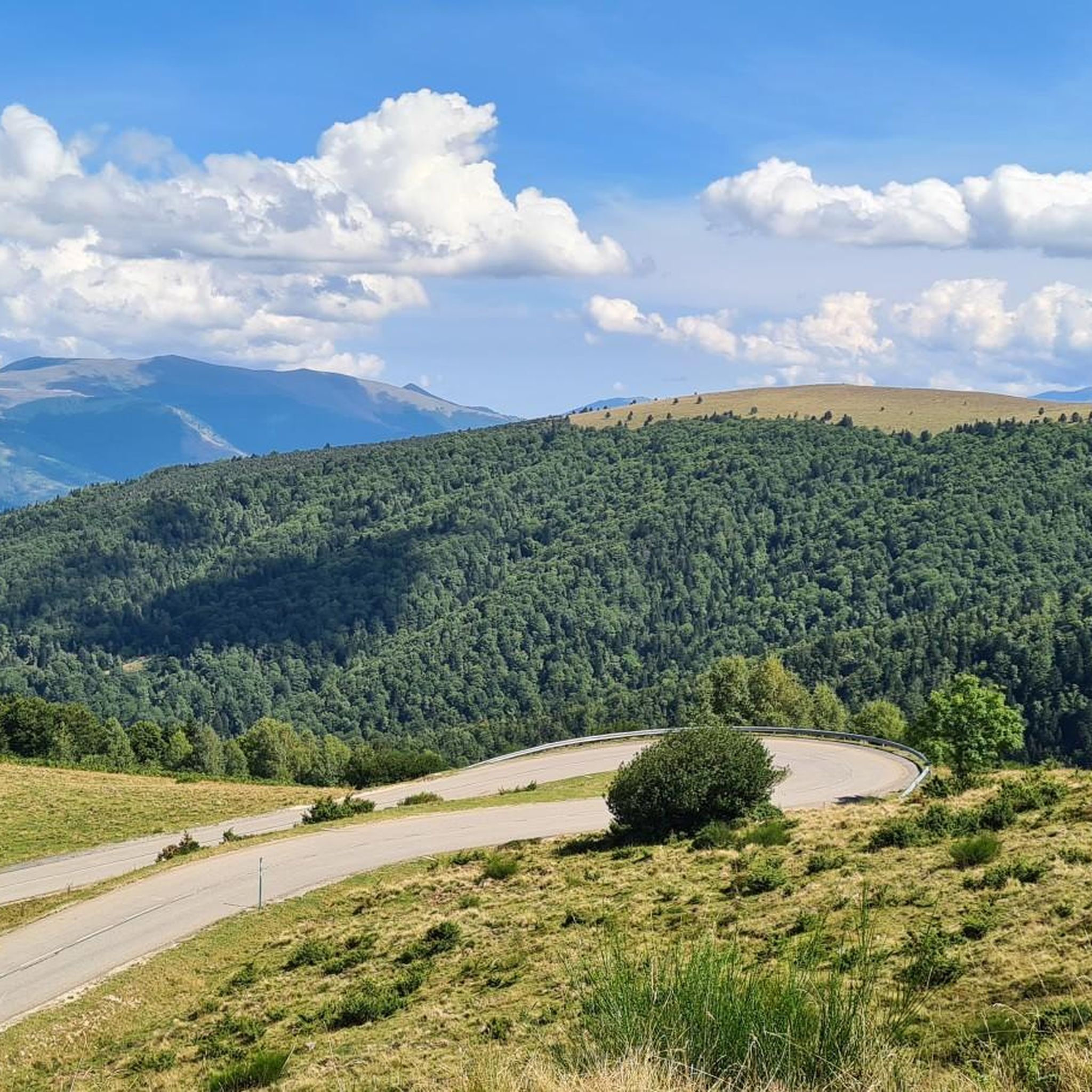
The Beille plateau is a dead end. The road ends there. Besides being a finish of the Tour de France, it is also a ski resort in winter. Its altitude, which exceeds 1,800 meters, guarantees snow cover. In summer, it's more of a paradise for ruminants and hikers.
2
1
Frequently Asked Questions
What are some of the most popular mountain peaks and viewpoints around Larcat?
Visitors to the Larcat region highly appreciate several peaks and viewpoints. Mount Fourcat, a classic in the Tabe massif, offers superb views. Saint-Barthélemy Peak, also in the Tabe massif, culminates at 2,348 meters with magnificent vistas. For breathtaking panoramic views, Roc de Querquéou is a popular natural monument located on a ridge.
What kind of terrain and elevation can I expect in the Larcat mountain region?
Larcat is characterized by a distinct mountain climate and particularly steep terrain. Elevations within the commune range from 686 to 1840 meters. The village itself sits at approximately 900 meters above sea level, offering significant elevation differences and spectacular views of the surrounding Ariège Valley and the wider Pyrenean landscape.
Are there any challenging climbs or expert routes in the area?
Yes, for experienced hikers, Saint-Barthélemy Peak is noted as an expert route, offering a magnificent view from its 2,348-meter summit in the Tabe massif. The wider Ariège Pyrenees, particularly the Montcalm Massif, also offer challenging climbs, with peaks exceeding 3,000 meters like Pique d'Estats and Pic du Montcalm.
What are some notable natural features or landmarks to look out for?
Beyond the peaks, the region boasts several natural highlights. The area around Mount Fourcat is known for the presence of numerous griffon vultures, offering a magnificent natural spectacle. The Dent d'Orlu, a prominent peak near Ax-les-Thermes, is part of a National Game and Wildlife Reserve, allowing visitors to discover diverse animal and plant species.
What outdoor activities can I do near the mountain peaks around Larcat?
The Larcat region is a hub for various outdoor activities. You can explore numerous MTB trails, embark on challenging mountain hikes, or enjoy gravel biking. The Montcalm Massif, accessible from Larcat, also provides opportunities for climbing, mountaineering, and canyoning.
Are there any specific hiking trails recommended for their views?
Absolutely. A marked hiking trail within Larcat leads to the Saint-Barthélemy chapel at 1236 meters, offering an exceptional 180° panoramic view from Tarascon-sur-Ariège to Ax-les-Thermes. Additionally, the Route du Corniche, which passes by the View of the summit of Crouzille, provides constantly magnificent landscapes and splendid views.
What is the best time of year to visit the mountain peaks around Larcat?
The region is ideal for outdoor activities during warmer months. While the peaks can be windy even in summer, the ample sunshine on Larcat's south-east facing slope makes it pleasant. For winter sports enthusiasts, the nearby Plateau de Beille is a well-known cross-country skiing resort.
What are some of the highest peaks accessible from Larcat?
While Larcat itself has high elevations, the wider Ariège Pyrenees offer some impressive peaks. The Montcalm Massif, often called the 'roof of the Ariège,' includes three peaks exceeding 3,000 meters: Pique d'Estats (3,143 m), Pic du Montcalm (3,077 m), and Pic du Port de Sullo (3,085 m).
Are there any mountain peaks that offer views of local villages?
Yes, Pic de Risoul provides a magnificent view of the village of Vicdessos and its valley. It's also a spot where chamois are often seen observing hikers.
What kind of wildlife can I expect to see while hiking?
The preserved natural environment around Larcat is home to diverse wildlife. Keep an eye out for griffon vultures, especially around Mount Fourcat. Chamois are also known to frequent areas like Pic de Risoul. The Orlu National Game and Wildlife Reserve, near the Dent d'Orlu, is specifically dedicated to preserving and showcasing local animal and plant species.
What are the general difficulty levels of hiking trails in the Larcat area?
Hiking trails around Larcat vary in difficulty. Many routes are considered intermediate, such as those leading to Mount Fourcat or Roc de Querquéou. However, more challenging and expert routes exist, particularly for higher peaks like Saint-Barthélemy Peak, which requires careful preparation.
Are there any mountain refuges available for hikers in the wider region?
Yes, for those tackling the higher peaks in the Montcalm Massif, the Refuge de l'étang du Pinet, located at 2242m, offers a resting point and magnificent views. This can be a valuable stop for multi-day treks in the area.
Most popular attractions around Larcat

Get inspired with the komoot mobile app


Explore more
See even more amazing summits around Larcat with these guides:
