Attractions and Places To See around Saint-Épain - Top 17
Best attractions and places to see around Saint-Épain offer a blend of historical sites and natural landscapes in the Indre-et-Loire department. The region features a valley known for its troglodyte dwellings and water mills, alongside preserved villages and ancient castles. These diverse sites provide opportunities to explore local heritage and geological formations. Many of these unique things to do in Saint-Épain are found within the Vallée de Courtineau.
Best attractions and places to see around Saint-Épain
- The most popular attractions…
Last updated: July 7, 2026
Courtineau Valley and Troglodyte Houses
Highlight • Historical Site
Translated by Google •
Tip by

Boisbonnard Castle
Highlight • Castle
This private castle is an old fortress of which only:
- the wide medieval moats in their entirety …
Translated by Google •
Tip by
Sign up now to discover places like this
Get recommendations on the best single tracks, peaks, & plenty of other exciting outdoor places.
Sign up for free
Courtineau Valley
Highlight (Segment) • Other
Translated by Google •
Tip by
Crissay-sur-Manse Village
Highlight • Settlement
Translated by Google •
Tip by
The Troglodyte Valley of Goupillières
Highlight • Historical Site
From the Middle Ages until the last century, peasants from Tours lived in these troglodyte farms.
Translated by Google •
Tip by

Sign up for free to discover even more attractions around Saint-Épain.
Sign up for free
Already have an account?
Start today with a free account
Your next adventure awaits.
Login or Signup

Tips from the Community

Crissay-sur-Manse is one of the most beautiful villages in France. The Manse River, which gives the village its name, flows through the southern part of the municipality. Sights: - Saint-Maurice Church (early 16th century) - Houses from the 15th and 16th centuries - Castle ruins (15th century)
0
0

This private castle is an ancient fortress of which only: the large medieval moat in its entirety and which forms 2 quadrilaterals and a 3-sided figure 5 cylindrical towers including the South-East tower pierced with circular loopholes called “couuvrine tower”. The current castle was built in several stages. The residential house which dates from the 16th century had its facades completely remodeled in 1856. Part of it disappeared at the beginning of the 20th century. To the South-West a main building covered with a 4-sloped roof and presenting stone casement windows on the ground floor had been joined by another building in 1731; these buildings were demolished in 1979
0
0

A simple and pleasant place that allows you to discover lesser known aspects of castle life From the Middle Ages until the last century, peasants from Tours lived in these troglodyte farms. At that time, the poor people only had their arms for wealth and began to dig the tufa hills to make it their living environment and extract this beautiful limestone which will be used for centuries for the construction of beautiful residences and castles of the Loire. All the peasants were quarrymen and worked on the extraction of freestone in order to build the castles.
1
0

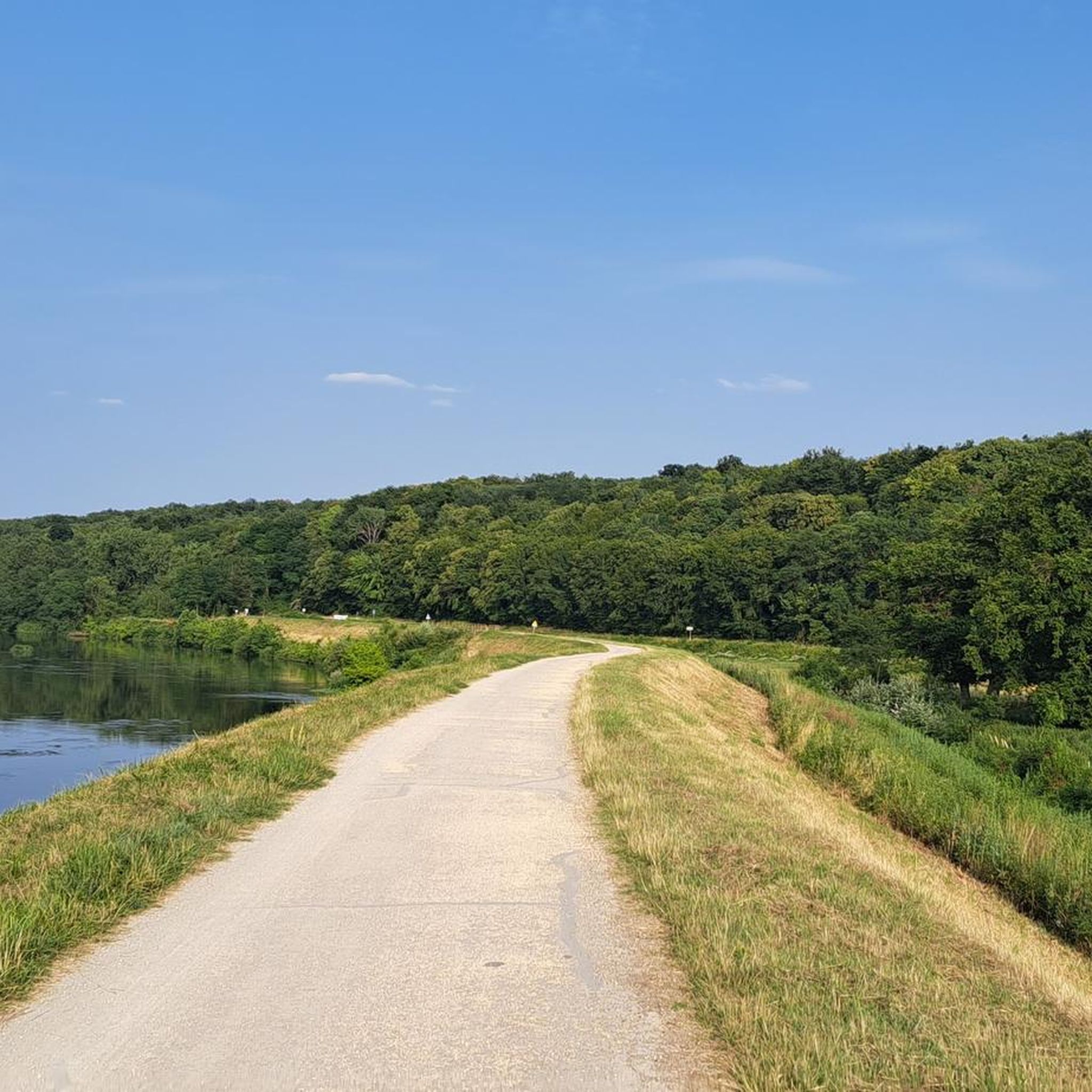
A very nice road
0
0

Crissay sur manse is one of the most beautiful villages in France. These stone houses, its church, its washhouse make it a must in the area.
0
0

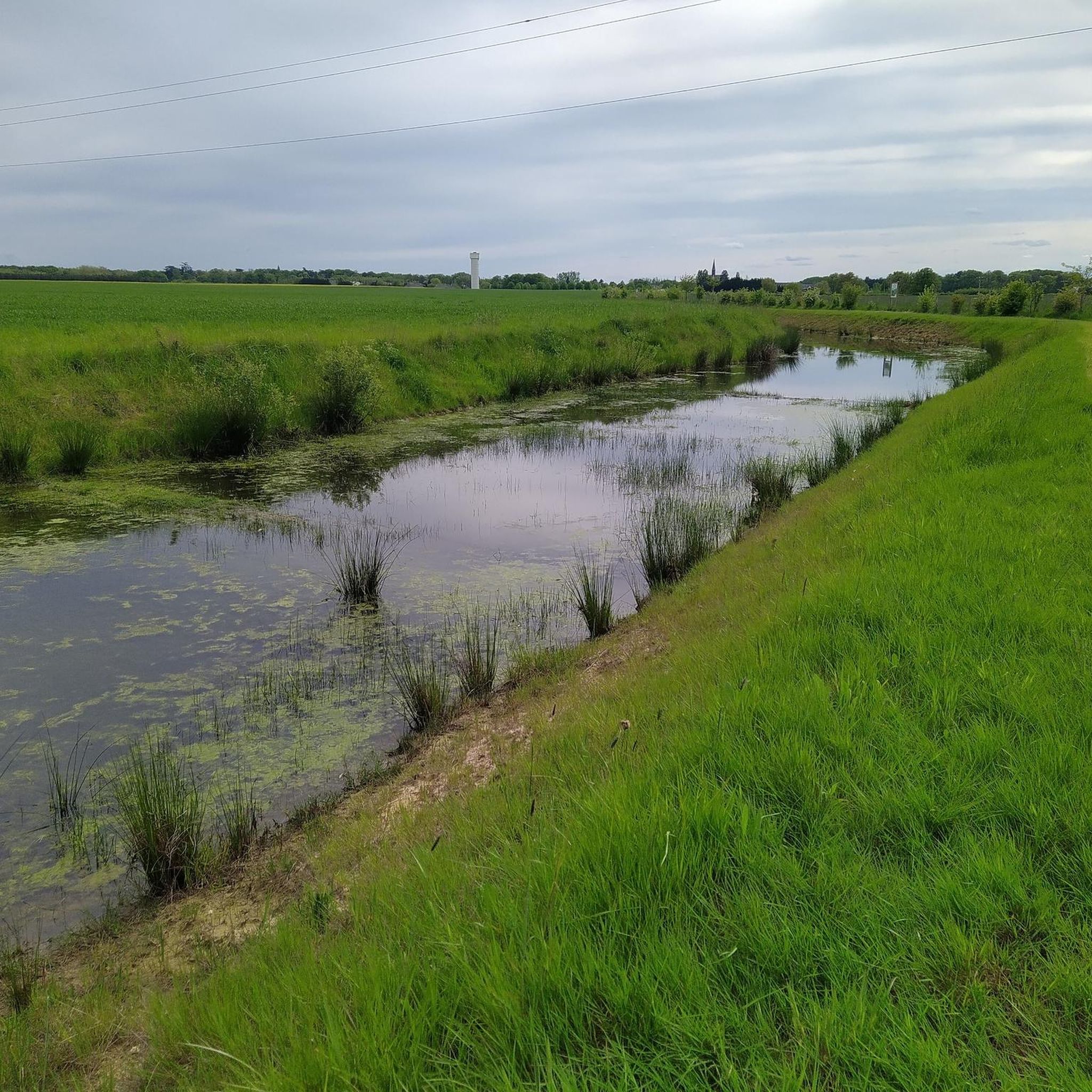
The Courtineau valley is a valley located in the municipalities of Saint-Epain and Sainte-Maure-de-Touraine, in the department of Indre-et-Loire, in the Center-Val de Loire region. Six kilometers long, it has many troglodyte dwellings, water mills, washhouses ... It is classified as a natural area of ecological, faunistic and floristic interest (ZNIEFF) because of its remarkable character. The chapel of Notre-Dame-de-Lorette, carved into the rock, would have been the refuge of a hermit in the fourteenth century2. On March 6, 1429, Joan of Arc would have taken shelter there to protect herself from a downpour while she was traveling the Courtineau valley to go to Chinon to see King Charles VII, after two nights spent in Sainte-Catherine-de -Proudwood. The water mills: - The Moulin de la Chaise: from 1241 to 1789, it belonged to the Chapter of Saint-Martine de Tours and depended on the Provost of Saint-Epain. - The Courtineau mill - The Malicorne mill: in the fourteenth and at least until the seventeenth century, it depended on the seigneury of Sainte-Maure-de-Touraine. We grew hemp there - The Souvres mill. - The mill of Mareille, large building of three floors which appears on the map of Cassini and the Napoleonic land register of 18274. According to the elders, the building was before 1900 a sawmill, the paddle wheel was placed further. The village of Courtineau is made up of troglodyte houses. In the mid-twentieth century he still owned a café, a grocery store and a school.
2
0
The Courtineau valley is a valley located in the municipalities of Saint-Epain and Sainte-Maure-de-Touraine, in the department of Indre-et-Loire, in the Center-Val de Loire region. Six kilometers long, it has many troglodyte dwellings, water mills, washhouses ... It is classified as a natural area of ecological, faunistic and floristic interest (ZNIEFF) because of its remarkable character. The chapel of Notre-Dame-de-Lorette, carved into the rock, would have been the refuge of a hermit in the fourteenth century2. On March 6, 1429, Joan of Arc would have taken shelter there to protect herself from a downpour while she was traveling the Courtineau valley to go to Chinon to see King Charles VII, after two nights spent in Sainte-Catherine-de -Proudwood. The water mills: - The Moulin de la Chaise: from 1241 to 1789, it belonged to the Chapter of Saint-Martine de Tours and depended on the Provost of Saint-Epain. - The Courtineau mill - The Malicorne mill: in the fourteenth and at least until the seventeenth century, it depended on the seigneury of Sainte-Maure-de-Touraine. We grew hemp there - The Souvres mill. - The mill of Mareille, large building of three floors which appears on the map of Cassini and the Napoleonic land register of 18274. According to the elders, the building was before 1900 a sawmill, the paddle wheel was placed further. The village of Courtineau is made up of troglodyte houses. In the mid-twentieth century he still owned a café, a grocery store and a school.
1
0

A nice little village!
0
0
Frequently Asked Questions
What are some unique historical sites to visit around Saint-Épain?
The region is rich in history. You can explore the Courtineau Valley and Troglodyte Houses, a natural monument featuring ancient dwellings carved into the rock, water mills, and washhouses. Another significant site is Crissay-sur-Manse Village, known for its preserved 15th-century castle ruins, 16th-century church, and distinctive white tufa houses.
Are there any castles or fortresses to see near Saint-Épain?
Yes, you can visit Boisbonnard Castle, a private castle with impressive medieval moats and five cylindrical towers. While extensively altered in 1856, it retains elements of its ancient fortress structure, including a wooden footbridge replacing the original drawbridge.
What natural features can I explore in the Saint-Épain area?
The most prominent natural feature is the Courtineau Valley, a 6 km long valley classified as a natural area of ecological, faunistic, and floristic interest (ZNIEFF). It's known for its unique geological formations and the integration of human dwellings into the landscape.
Are there family-friendly activities available around Saint-Épain?
Yes, Crissay-sur-Manse Village is considered family-friendly, offering a charming historical setting to explore. Additionally, The Troglodyte Valley of Goupillières provides an engaging experience to discover how peasants lived in these unique cave dwellings from the Middle Ages.
What kind of outdoor activities can I do near the attractions in Saint-Épain?
You can enjoy various outdoor activities. For road cycling, explore routes like the 'Crissay-sur-Manse Village – Château des Brétignolles loop' or the 'Montgoger Castle – Courtineau Valley loop'. Running enthusiasts can find trails such as the 'Running loop from Sainte-Catherine-de-Fierbois'. For gravel biking, consider the 'Balzac – Allée des Platanes loop'. You can find more details and routes on the respective guides: Road Cycling Routes around Saint-Épain, Running Trails around Saint-Épain, and Gravel biking around Saint-Épain.
Are there any easy hiking or walking trails near Saint-Épain's attractions?
While specific 'easy hikes' aren't detailed for individual attractions, the Courtineau Valley itself offers a relatively flat 6 km stretch that is pleasant for walking and exploring the troglodyte dwellings and natural beauty. For more structured walking, consider the running trails which often double as walking paths, such as the 'Running loop from Noyant-de-Touraine' which is rated easy. You can find more options in the Running Trails around Saint-Épain guide.
What is the best time of year to visit Saint-Épain for outdoor activities?
The Loire Valley, including Saint-Épain, generally experiences mild weather, making spring (April-May) and autumn (September-October) ideal for outdoor activities. Temperatures are pleasant for exploring historical sites and engaging in cycling or walking without the intense heat of summer or the chill of winter.
Are there any hidden gems or lesser-known spots worth discovering?
Beyond the main highlights, the entire Courtineau Valley is considered a hidden gem, with its numerous troglodyte dwellings, water mills, and the Chapel of Notre-Dame-de-Lorette carved into the rock. Exploring the smaller paths and discovering the various historical remnants within the valley can be a rewarding experience.
What do visitors enjoy most about the attractions around Saint-Épain?
Visitors particularly appreciate the blend of historical sites and natural beauty. The unique troglodyte dwellings in the Courtineau Valley and The Troglodyte Valley of Goupillières offer a fascinating glimpse into the past. The preserved charm of Crissay-sur-Manse Village and the historical significance of Boisbonnard Castle are also highly valued by those exploring the region.
Is public transport available to reach tourist spots in Saint-Épain?
Public transport options directly to all individual tourist spots within Saint-Épain and its immediate surroundings can be limited. It is generally recommended to have a car for flexibility when exploring the various attractions, especially those in rural settings like the Courtineau Valley or Boisbonnard Castle. Regional bus services might connect larger towns, but local access to specific highlights often requires private transport.
Are there any dog-friendly trails or attractions in the area?
Many outdoor areas, such as the trails and paths within the Courtineau Valley, are generally dog-friendly, provided dogs are kept on a leash and owners clean up after them. For specific attractions like villages or castles, it's advisable to check their individual policies regarding pets before visiting.
Most popular routes around Saint-Épain

Get inspired with the komoot mobile app


Explore more
Still not found the Highlight you’re looking for? See guides of the top attractions in other regions:
