Top 13 Mountain Passes around Péone
Mountain passes around Péone are located in the Mercantour massif, offering access to the Mercantour National Park. This region features diverse landscapes, including green meadows, forests, and alpine terrain. The passes serve as gateways to various outdoor activities.
Best mountain passes around Péone
- The most popular mountain pass is Col du Raton, a mountain pass that offers a wild and unspoiled route, suitable for mountain bike enthusiasts. The pass reveals panoramas of the surrounding valleys, with views of neighboring peaks.
- Another must-see spot is Col de la Couillole, a mountain pass situated at an altitude of 1,678 m in the Massif du Mercantour-Argentera. The road connection is open for six to seven months of the year, allowing travel between the Cians gorges in the west and the Tinée valley in the east.
- Visitors also love Col de Sainte-Anne, a mountain pass that is 3.9 km long with an elevation gain of 228 m. It features a good road quality towards the Valbonne ski resort with a few switchbacks.
- Péone is known for mountain passes suitable for road cycling, mountain biking, and scenic drives. These include routes with varied terrain, from challenging climbs to more moderate ascents.
- The mountain passes around Péone are appreciated by the komoot community, with over 70 upvotes and 20 photos shared.
Last updated: April 28, 2026
Col de la Couillole
Highlight • Mountain Pass
Translated by Google •
Tip by

Ascent of Col de la Lombarde from Isola via Isola 2000
Highlight (Segment) • Mountain Pass
Translated by Google •
Tip by

Sign up now to discover places like this
Get recommendations on the best single tracks, peaks, & plenty of other exciting outdoor places.
Sign up for free
Ascent of Col de la Bonette from Saint-Étienne-de-Tinée
Highlight (Segment) • Climb
Translated by Google •
Tip by

Col du Raton
Highlight • Mountain Pass
Translated by Google •
Tip by

Col de Sainte-Anne
Highlight • Mountain Pass
Translated by Google •
Tip by
Sign up for free to discover even more mountain passes around Péone.
Sign up for free
Already have an account?
Start today with a free account
Your next adventure awaits.
Login or Signup



Tips from the Community

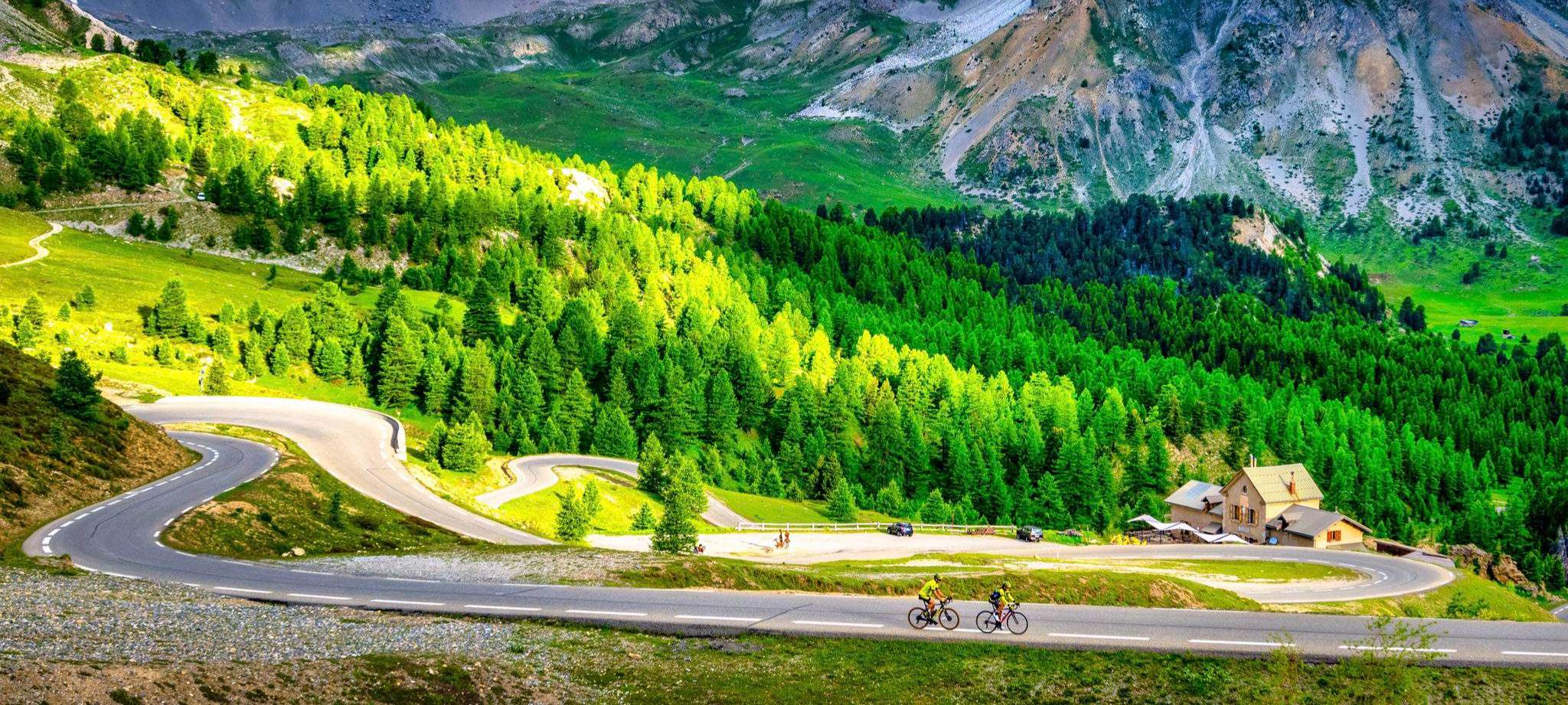
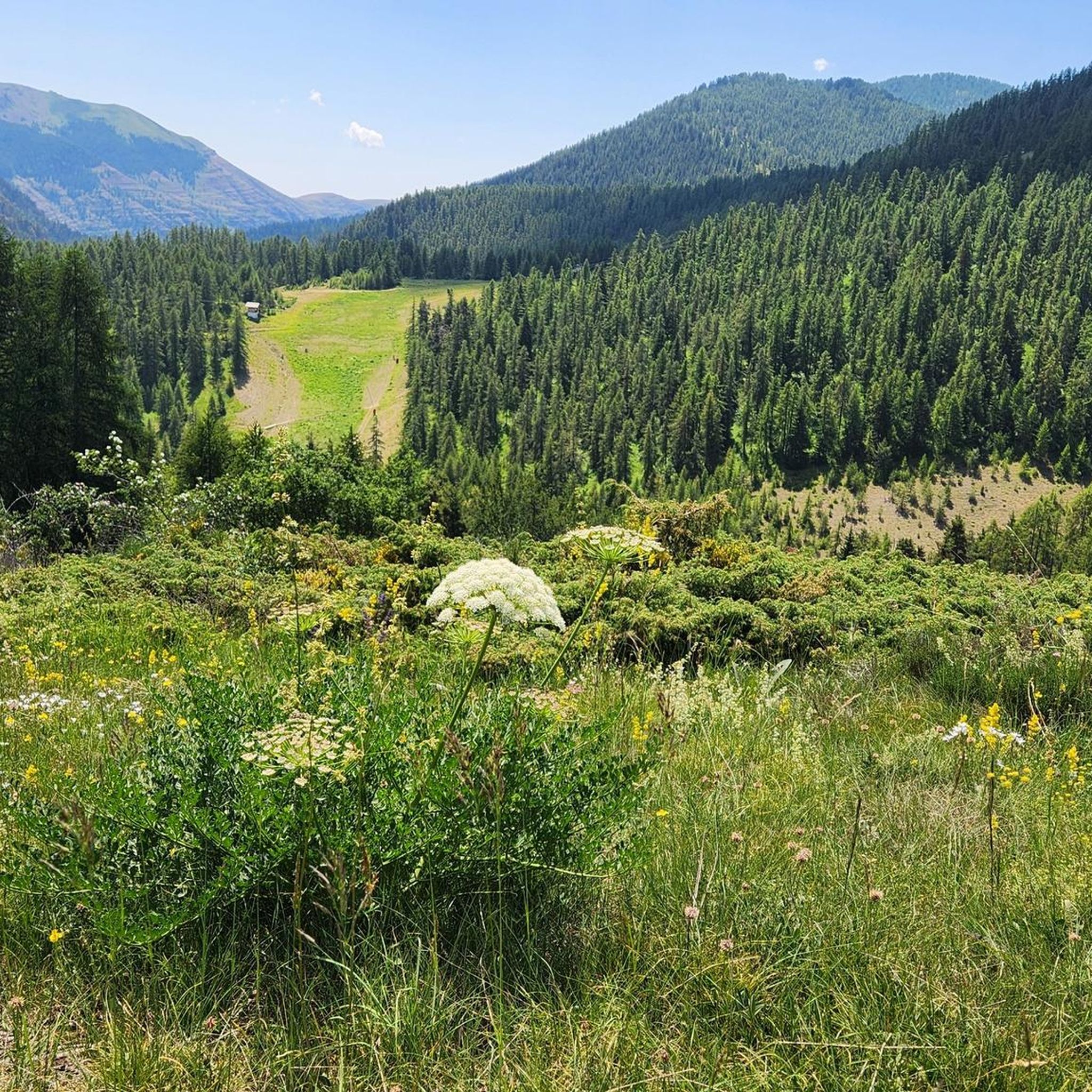
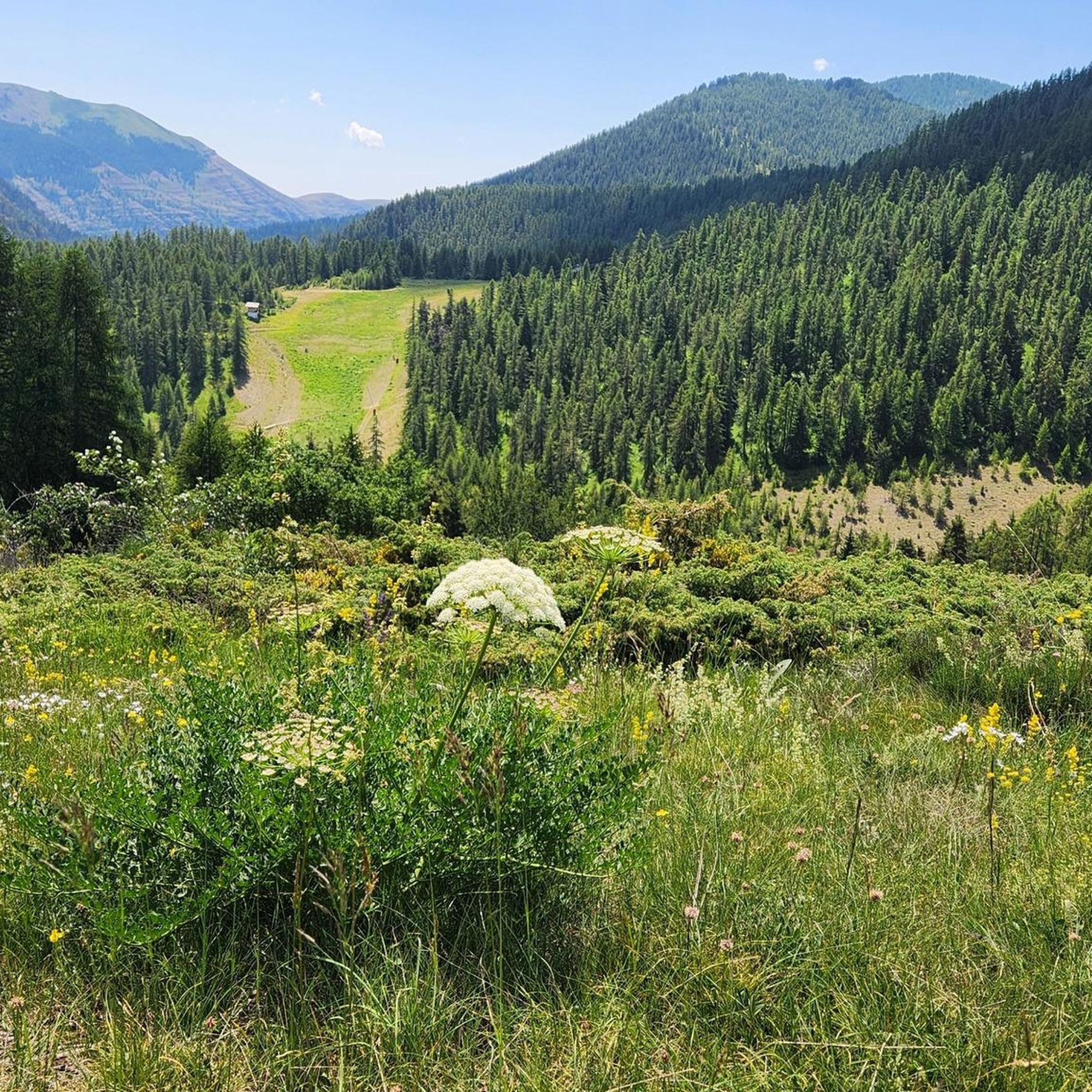
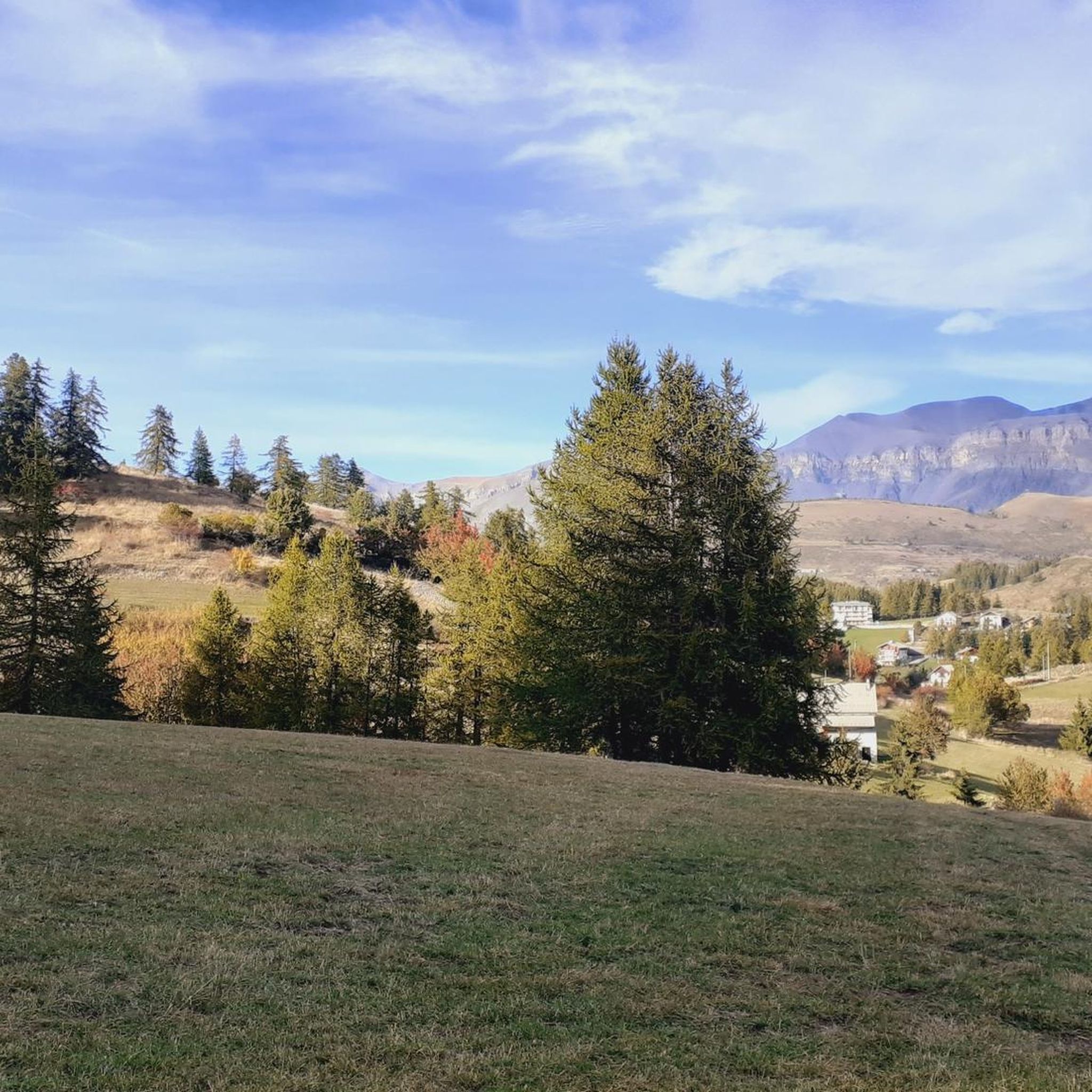
The Col de Sainte-Anne is a pass at an altitude of 425 meters in the French department of Bouches-du-Rhône.
0
0
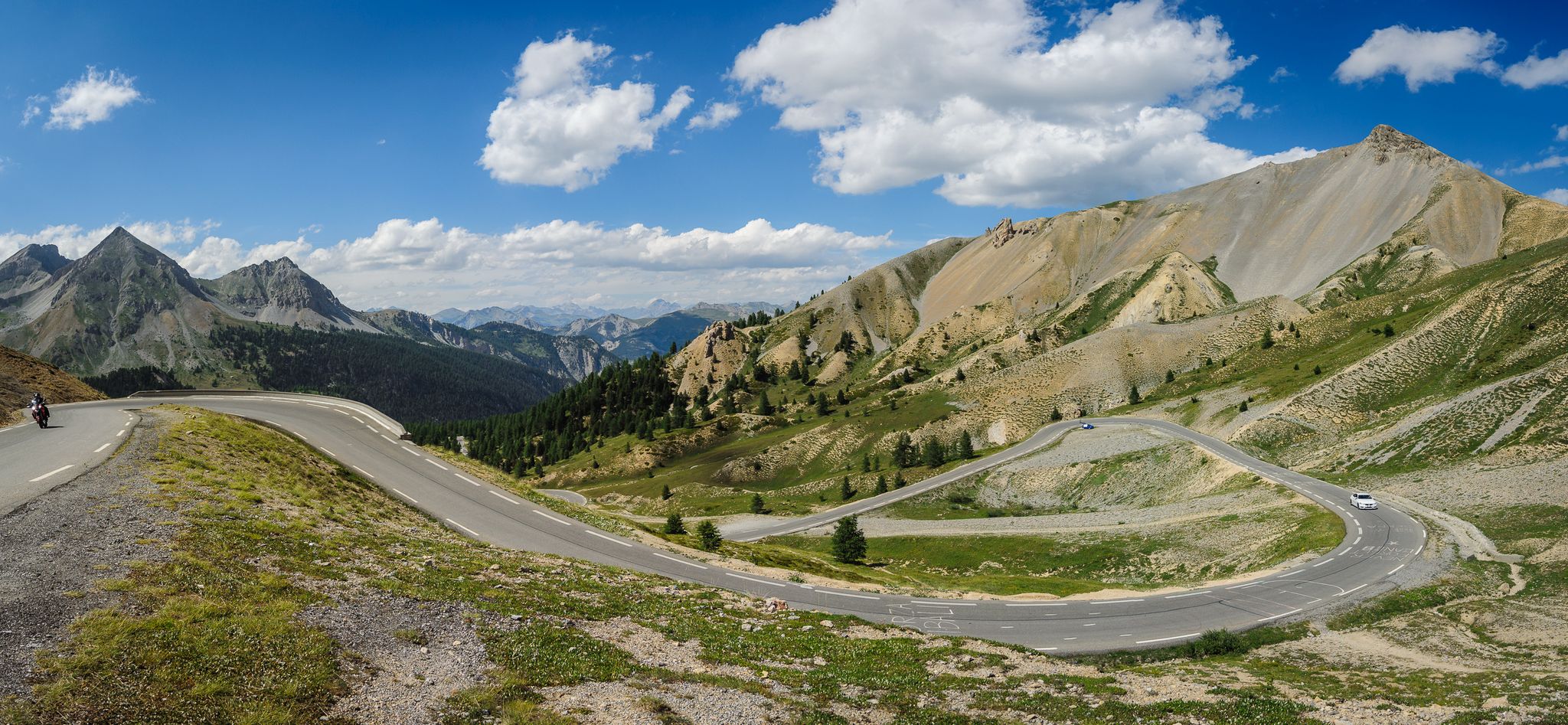
The Col de la Couillole is a mountain pass in the Massif du Mercantour-Argentera of the French Alps, situated at an altitude of 1,678 m (5,505 ft) in the Alpes-Maritimes department, France. The road connection is open for six to seven months of the year, allowing travel between the Cians gorges in the west and the Tinée valley in the east.
0
0

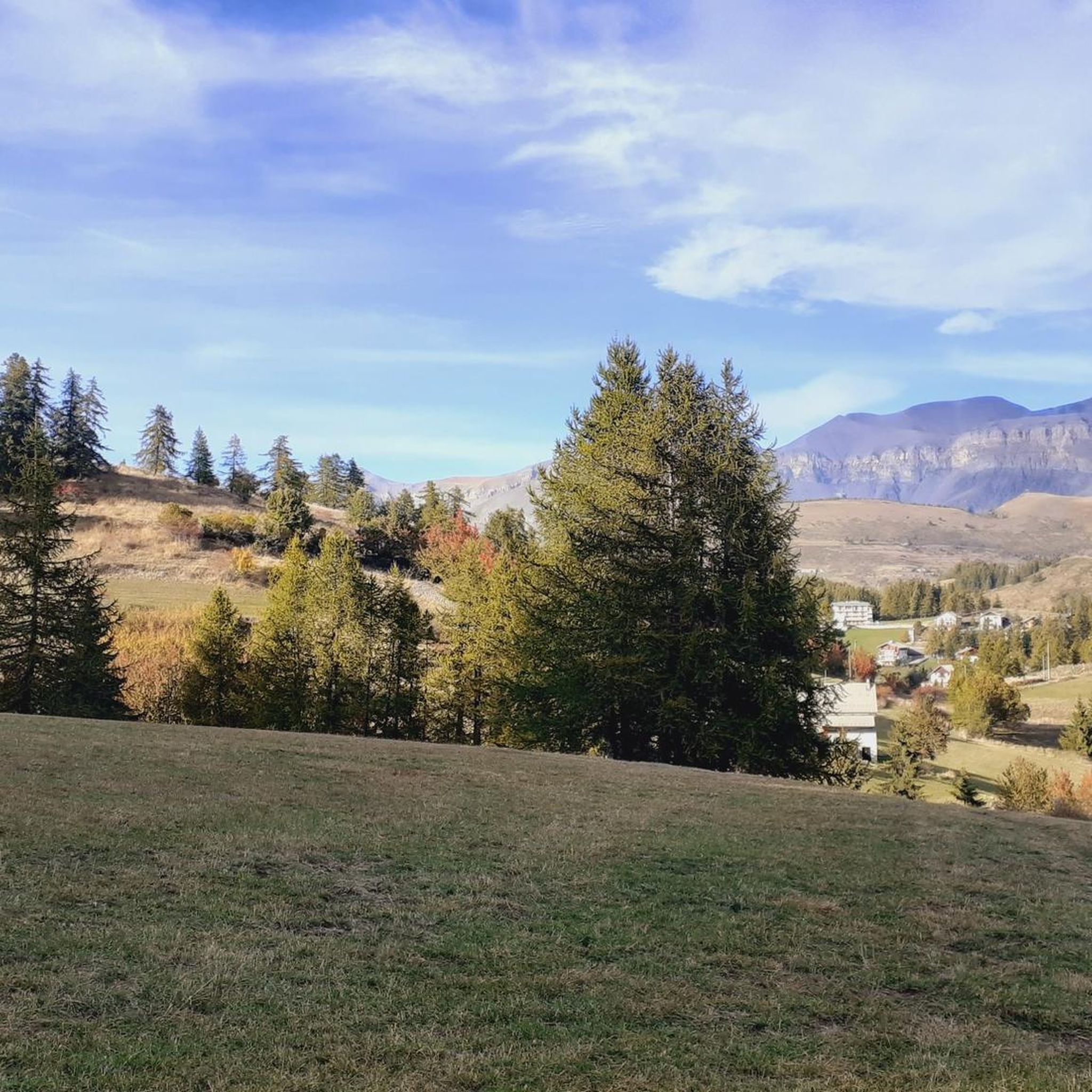
Nestled in the Southern Alps, the Col du Raton offers a wild and unspoiled route, perfect for mountain bike enthusiasts. Culminating at 1,686 meters, it crosses landscapes of steep mountains, pine forests and alpine meadows. The pass reveals breathtaking panoramas of the surrounding valleys, with a clear view of the neighboring peaks. The climb, although sporty, is rewarded by the raw beauty of nature.
0
0

This (southern) face of the Col de la Bonette is more spectacular than the north face and also a bit tougher, as it has more kilometers and more elevation gain. I've always done it downhill, so it's on my list of challenges.
0
0
The western and French slope of the Col de la Lombarde is hard and long with 20 km and almost 1,500m of elevation gain. Until you reach the Isola 2000 ski resort, which is the main part of the climb, you travel along a road that goes up a very narrow valley. The first kms are the hardest, with an average of 9% and ramps above 10%. Afterwards, the slope softens and is very constant, with some rest sections. After the Isola 2000 station, we face the last 4 km where the slope increases to 8%, with several horseshoe curves and very beautiful views of the valley and the ski resort. A port that remembers the old mountain passes. A pleasure for the senses.
1
0

The Col de la Couillole from Saint Sauveur sur tinee is 16km long with 1168m of elevation gain. The average gradient of the climb is 7.3% with maximum gradients of 9.3%.
3
0
The Col de Sainte-Anne is 3.9 km long with an elevation gain of 228 m and an average gradient of 5.8%.
2
0

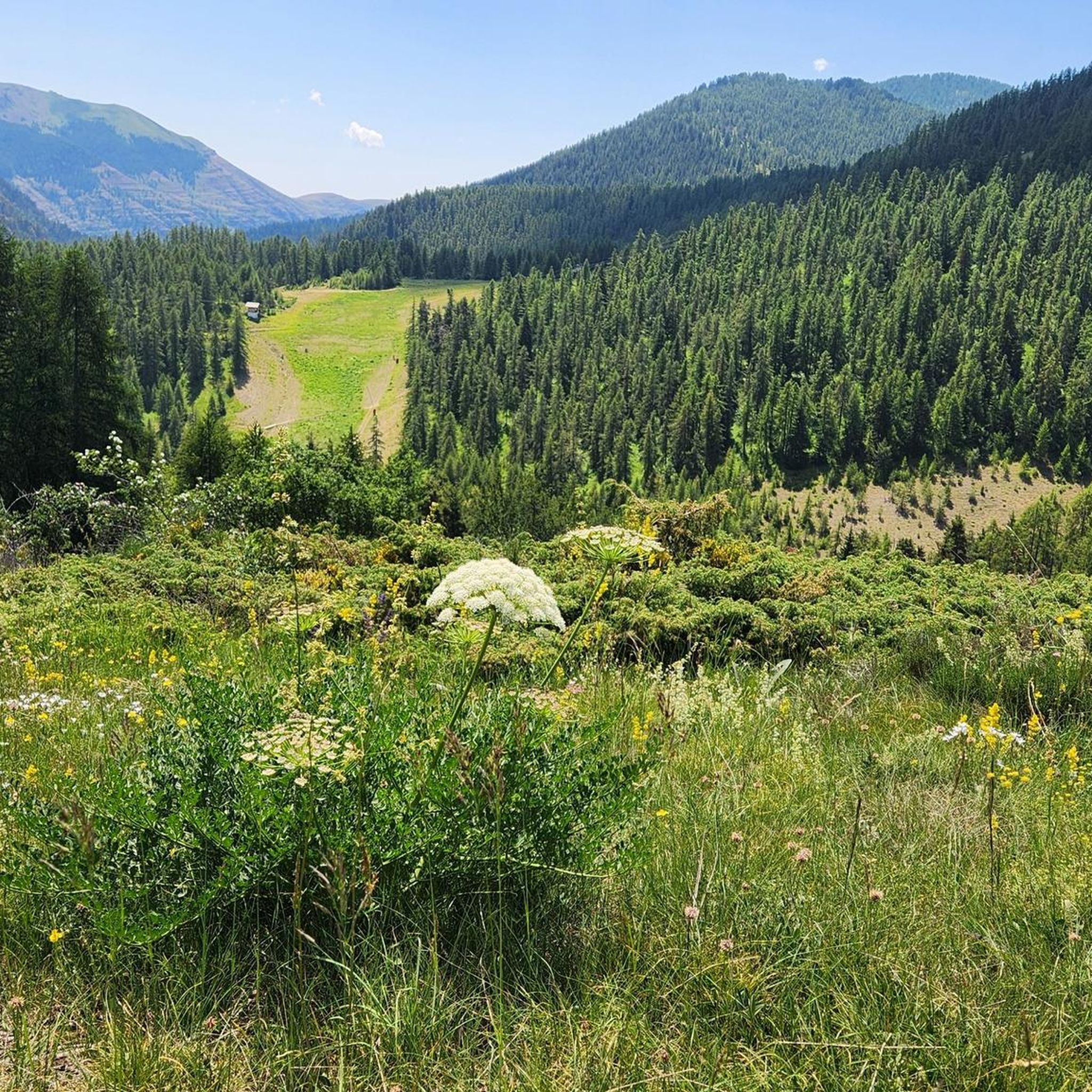
A regular pass, which won't let you rest for more than a few moments between Isola and the top of the pass. For hot weather, the thirsty will find what they are looking for by taking a detour to the Isola 2000 fountain. This wild pass attracts many wildlife photographers in summer.
2
1
Frequently Asked Questions
What outdoor activities can I do around the mountain passes near Péone?
The mountain passes around Péone offer a variety of outdoor activities. You can find numerous hiking trails, including challenging routes like the Mont Mounier hike from Col de l'Espaul, and easier walks such as the "Sentier des marmottes." For cyclists, there are many road cycling routes, with passes like Col de la Couillole and Col de la Cayolle being popular for their challenging ascents. Additionally, there are running trails available, ranging from moderate to difficult.
Are there challenging mountain passes for experienced cyclists near Péone?
Yes, several passes offer challenging ascents for experienced cyclists. The Col de la Couillole is renowned for its demanding climb, having been featured in the Tour de France and Paris–Nice. The ascent from Saint-Sauveur-sur-Tinée is 16 km long with an average gradient of 7.3%. Another significant challenge is the Col de la Lombarde, with its western French slope being 20 km long and gaining almost 1,500m in elevation. The Col de la Cayolle and Col des Champs are also part of a popular and challenging 'Three Passes' cycling loop in the region.
What natural features and viewpoints can I expect to see at these mountain passes?
The mountain passes near Péone are set within the stunning Mercantour National Park, offering diverse landscapes. You'll encounter green meadows, dense pine forests, and dramatic alpine terrain. Passes like Col de l'Espaul provide access to panoramic views, especially from the Mont Mounier summit. Col de la Cayolle is known for its wild and pristine environment, with varied landscapes including waterfalls and picturesque hamlets. From its summit, you can even see the Mediterranean Sea on a clear day. The Col du Raton also offers breathtaking panoramas of surrounding valleys and peaks.
When is the best time to visit the mountain passes around Péone?
The best time to visit largely depends on the pass and your planned activity. Many high mountain passes, such as Col de la Cayolle, are typically closed due to snow from October to June-July. Passes like Col de la Couillole are generally open for six to seven months of the year. For hiking and cycling, the summer months (July to September) usually offer the most reliable access and pleasant weather conditions, allowing you to fully experience the alpine environment.
Are there family-friendly options or easy hikes near the mountain passes?
Yes, there are options suitable for families. From Col de l'Espaul, you can access the "Sentier des marmottes," a relatively easy 2-hour and 5-minute walk where you have a good chance of observing marmots. This trail offers beautiful mountain scenery without extreme difficulty. The Col de Sainte-Anne also features an easy-going road with good quality, making it accessible for a scenic drive or a less strenuous cycling experience.
Can I see wildlife at the mountain passes near Péone?
Yes, the Mercantour National Park, where many of these passes are located, is rich in fauna. Col de la Cayolle is particularly known for its abundant wildlife, including marmots. The "Sentier des marmottes" trail, accessible from Col de l'Espaul, is specifically designed for visitors to observe these animals in their natural habitat. The wild environment of passes like Col de la Lombarde also attracts wildlife photographers in summer.
What are the road conditions like on these mountain passes?
Road conditions vary by pass and season. Many passes, especially higher ones, are closed for several months due to snow. When open, roads like the one to Col de Sainte-Anne are generally of good quality. However, on high-alpine routes such as the Col de la Bonette, caution is advised due to potential boulders and debris, especially in the upper sections. The Col des Champs is noted for having very little traffic, offering a serene experience, while others like Col de la Cayolle can be popular with cyclists.
Are there any historical connections to these mountain passes?
Yes, some passes have notable historical significance, particularly in the world of cycling. The Col de la Couillole has a distinguished history, having been featured multiple times in the Tour de France, including a legendary stage in 1975, and also in Paris–Nice. Col de la Cayolle has also been included in the Tour de France multiple times, adding to its historical allure for cycling enthusiasts.
Where can I find parking when visiting the mountain passes?
For passes directly accessible by road, parking is generally available. For instance, after Valberg, the road to Col de l'Espaul leads to a free parking area, which serves as a starting point for many hikes into the Mercantour National Park. Specific parking information for other passes may vary, but access points for popular routes usually have designated areas.
What makes Col des Champs a unique mountain pass to visit?
The Col des Champs, situated between the Var and Verdon valleys, offers a particularly wild and serene experience. It is characterized by vast mountain pastures and significantly less traffic compared to other popular routes in the Alps. While the climbs on both sides are tough, the pass rewards visitors with stunning views, especially as the landscape transitions from forest to more mineral terrain. It's a key component of the challenging 'Three Passes' cycling loop, making it a favorite for those seeking tranquility and a demanding ride.
Can I access trails leading to lakes from these mountain passes?
Yes, some passes provide access to trails leading to beautiful alpine lakes. From Col de l'Espaul, for example, you can find trails that lead to Lac de Beuil. These routes offer additional opportunities for scenic hiking and enjoying the natural beauty of the Mercantour National Park.
Most popular attractions around Péone

Get inspired with the komoot mobile app


Explore more
See even more epic mountain passes by checking out these guides around Péone:
