Top 9 Mountain Passes around Fos
Best mountain passes around Fos are located in the Pyrenees, offering routes through diverse mountain landscapes. This region features high-altitude passes and challenging climbs, many of which are known from the Tour de France. The passes connect various valleys and provide access to scenic viewpoints. The area is characterized by its mountainous terrain, with routes suitable for cycling and exploring.
Best mountain passes around Fos
- The most popular mountain passes is Ascent to Col du Portillon from Bossòst, a…
Last updated: July 10, 2026
Menté Pass
Highlight • Mountain Pass
Translated by Google •
Tip by

Ascent to Col du Portillon from Bossòst
Highlight (Segment) • Mountain Pass
Translated by Google •
Tip by
Sign up now to discover places like this
Get recommendations on the best single tracks, peaks, & plenty of other exciting outdoor places.
Sign up for free
Arres Pond
Highlight • Lake
Translated by Google •
Tip by

Ascent of the Col de Menté from Lez
Highlight (Segment) • Climb
Translated by Google •
Tip by

Caube Pass
Highlight • Mountain Pass
Translated by Google •
Tip by

Sign up for free to discover even more mountain passes around Fos.
Sign up for free
Already have an account?
Start today with a free account
Your next adventure awaits.
Login or Signup

Tips from the Community

Beautiful road marked on every bend by posts celebrating Spanish winners of the Tour de France, and kilometre markers with gradient, altitude etc. it finishes at the border, which is the col.
0
0

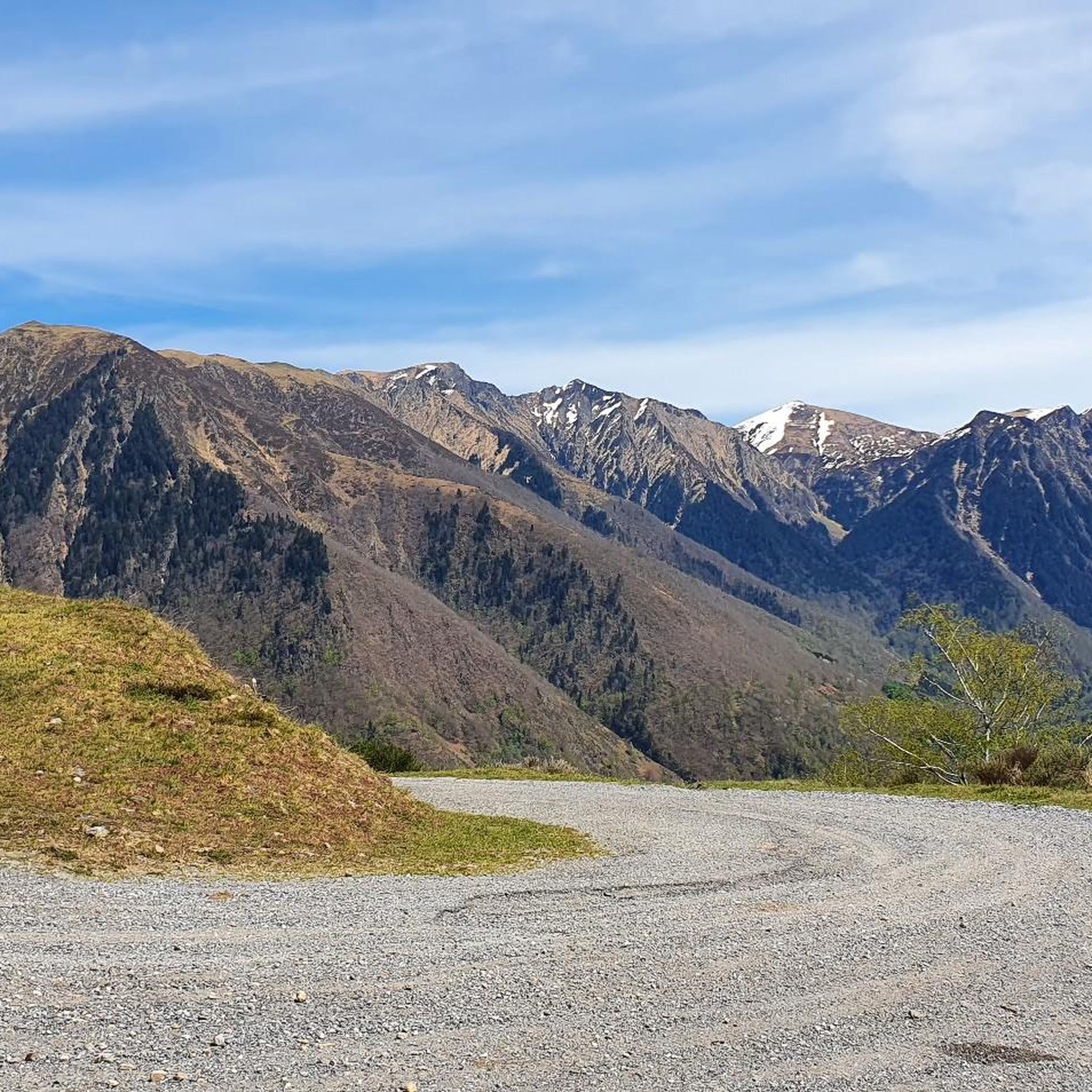
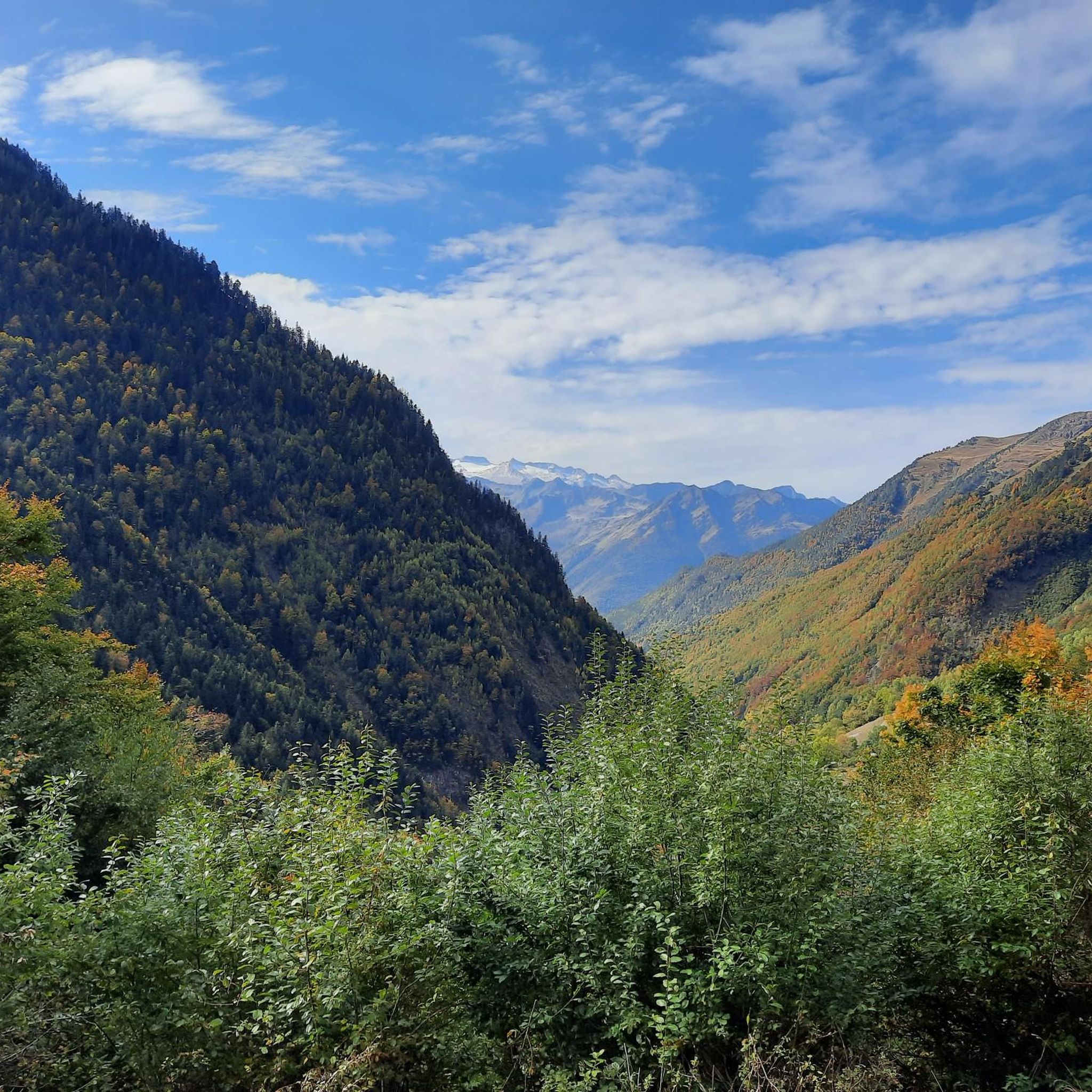
Beautiful climb up Col de Menté. Although not a really famous climb it is a beautiful one, with nice hairpins inside the forest and beautiful views at the end.
0
0

Also, stop at the Là Soulan hostel for a well-deserved break. Very warm welcome. 👍
0
0

From Lez, the ascent of the Col de Menté is classified as first-class, with nine kilometers at an average gradient of 8.7%. Its fairly steady gradient allows you to find your own pace.
1
0

One of the mythical Pyrenean ports of the Tour de France, known largely for the tragic fall of Luis Ocaña in the 1971 Tour when he was leading the general classification. Its 2 aspects have a lot of crumbs: - west slope that starts from Saint Béat: it is the hardest. It is 9.7 km with an average slope of 8.7%. It is a very constant climb, with a small break when passing through Boux. The first part is a little harder and uglier since you barely have any views and you go up through the middle of a valley. The final part is spectacular with its many horseshoe curves, good panoramic views and the monument to the place where Luis Ocaña fell. - east slope: it is longer, with an initial section of 7 km very winding with a slope of 4%. It also has a break in its intermediate zone. Once the hard part starts, it is also very constant, like the west slope, although the average slope is 7-8%. This aspect has even more twists than the previous one. For more information, consult the profile published by cylcingcols.com -- > http://www.cyclingcols.com/col/Mente
0
0

The Col du Portillon is an emblematic pass of the Pyrenees and the Tour de France. Perched on the border between France and Spain, it peaks at 1,293 meters above sea level. The climb from Bagnères-de-Luchon is 10.2 kilometers long with an average of 6.5%, some of which are over 14%. On the descent, on the Spanish side, there is a stele in tribute to all the Spanish winners of the Tour de France.
0
0
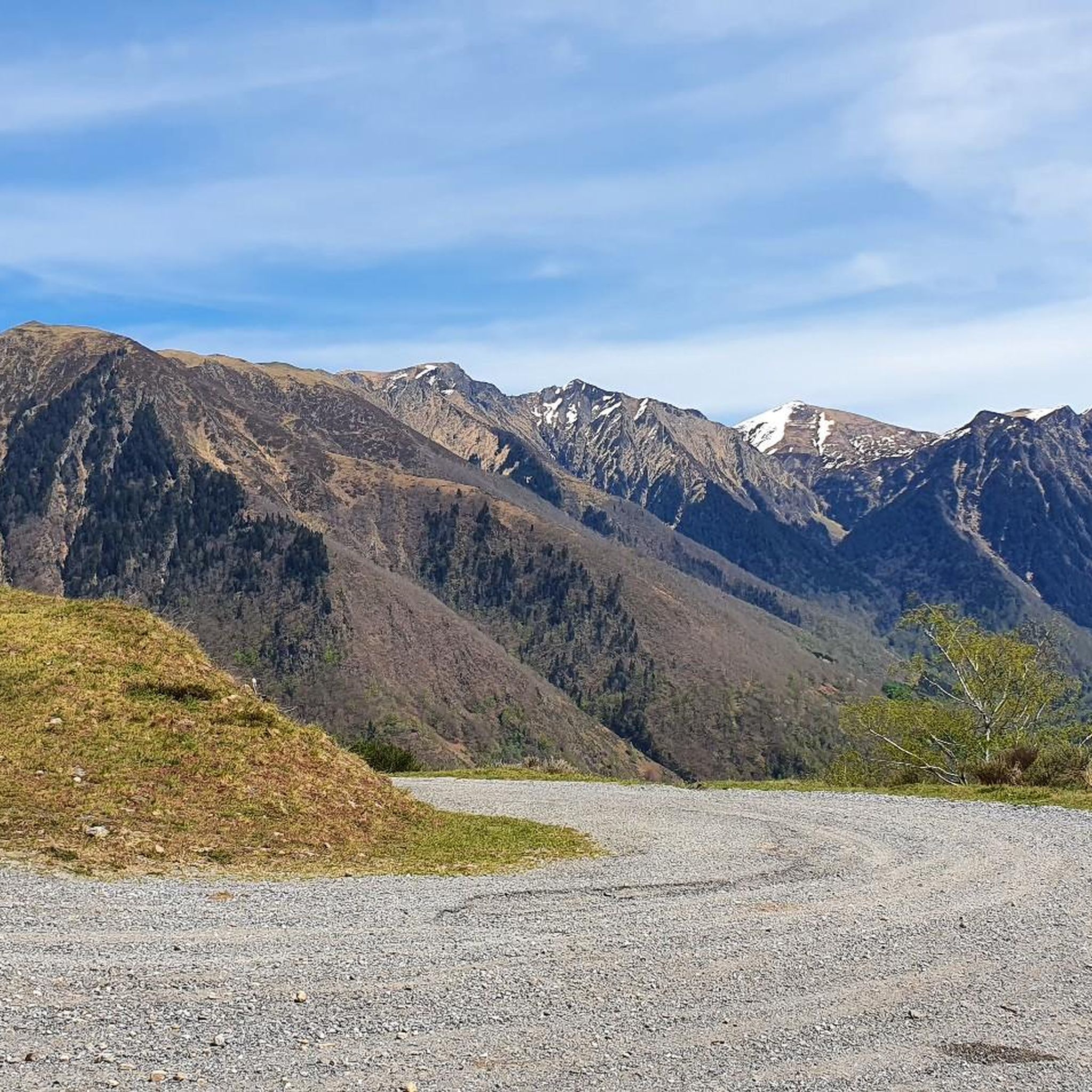
The Col de Menté connects the Garonne valley to that of the Ger, culminating at an altitude of 1,349 meters. Its ascent from the village of Saint-Béat is 9.3 kilometers long with an average of 9.13%, including some passages at more than 11%. It is also possible to climb there from the Oule bridge. The climb extends over 10.9 kilometers with an average of 6.6%.
3
0

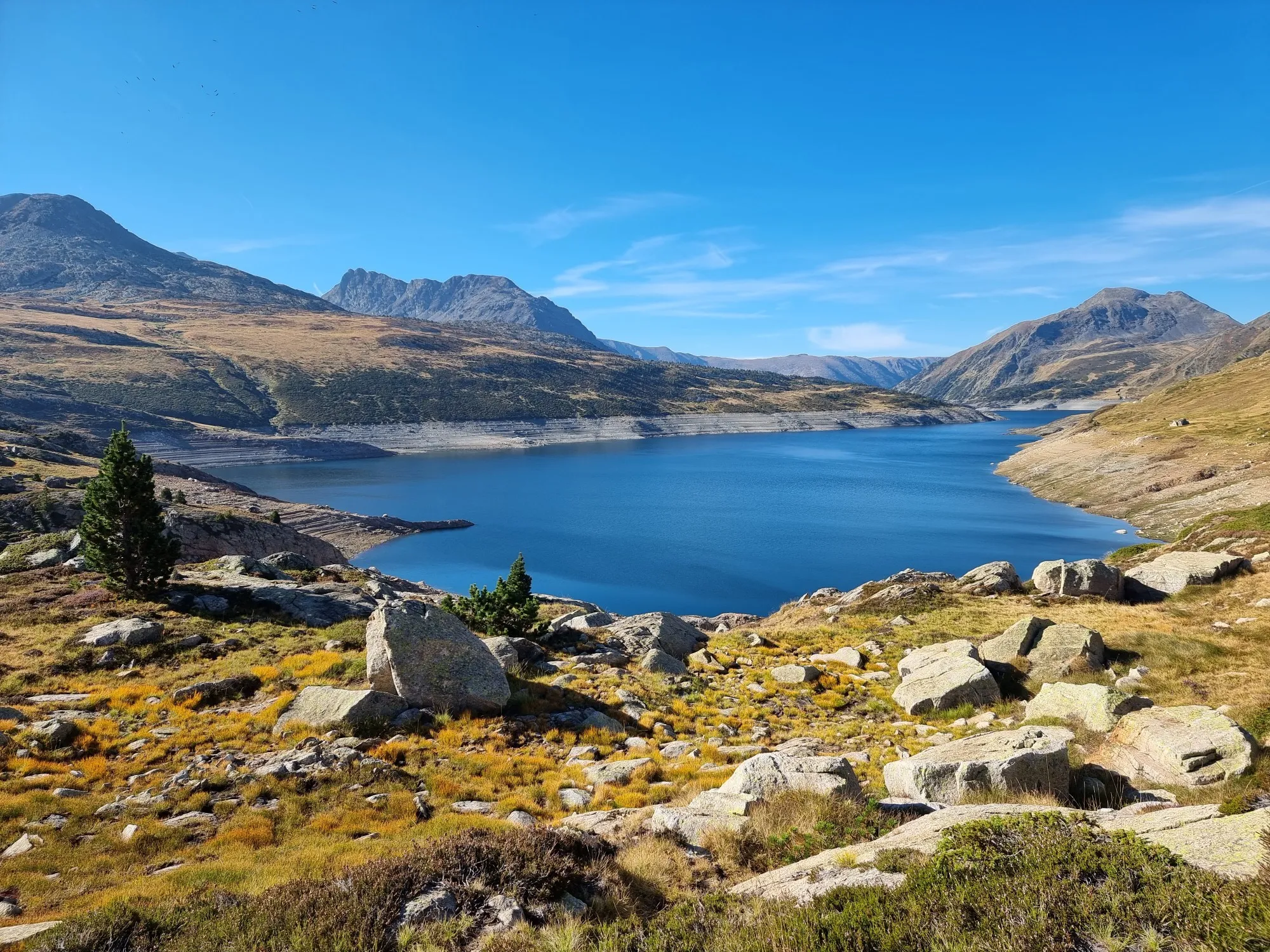
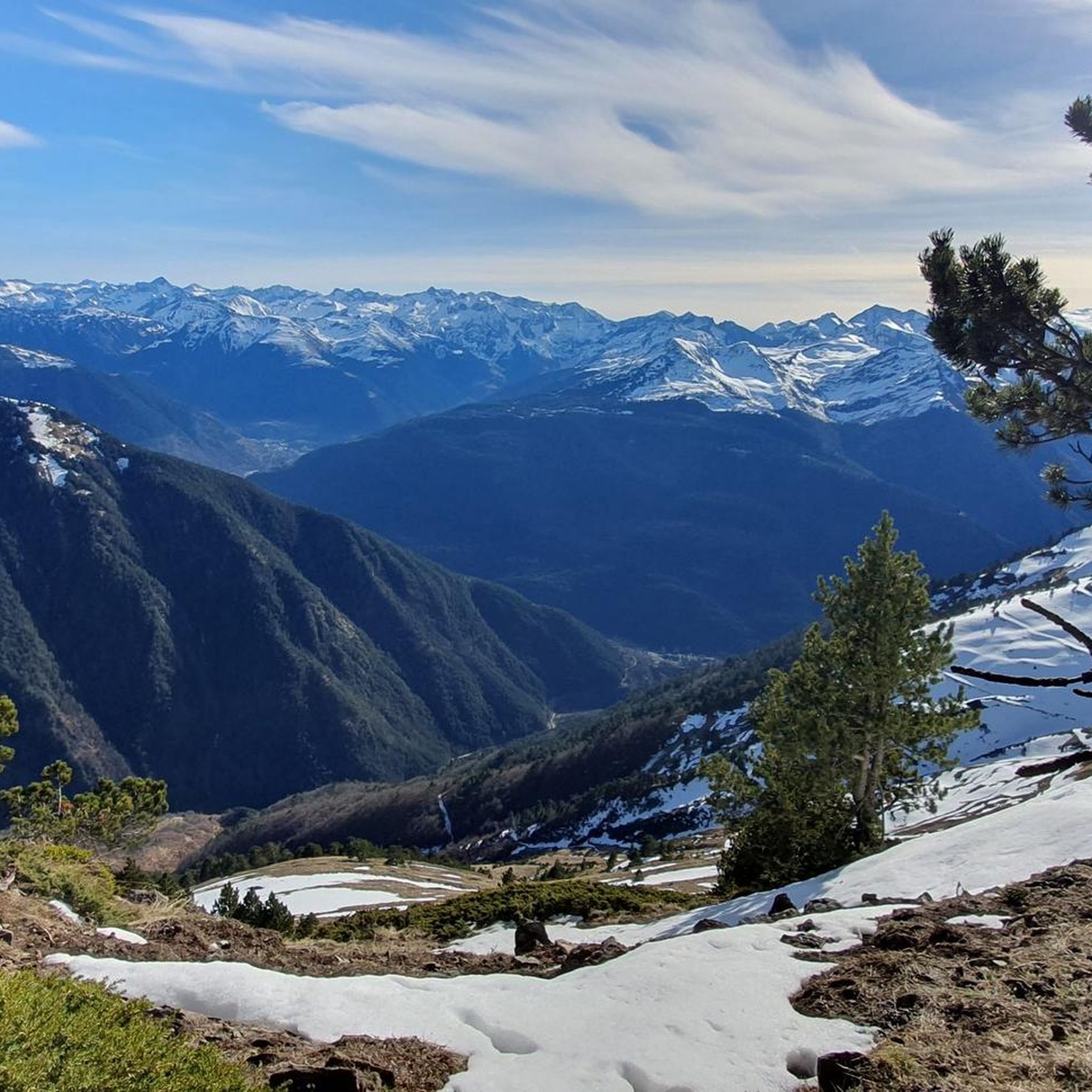
The Col de Caude, accessible from Boutx or Bezins, offers lovely views and provides access to the Pic du Gar to the west and to the Pic de l'Escalette and then to the Pic de Gagire to the east.
0
0
Frequently Asked Questions
Which mountain passes around Fos are most popular with visitors?
Visitors frequently enjoy the challenging climbs and scenic beauty of passes like Ascent to Col du Portillon from Bossòst, an emblematic Pyrenean pass peaking at 1,293 meters, and Menté Pass, known for its demanding slopes and connection between the Garonne and Ger valleys. These passes are highly appreciated by the komoot community.
What kind of views can I expect from the mountain passes near Fos?
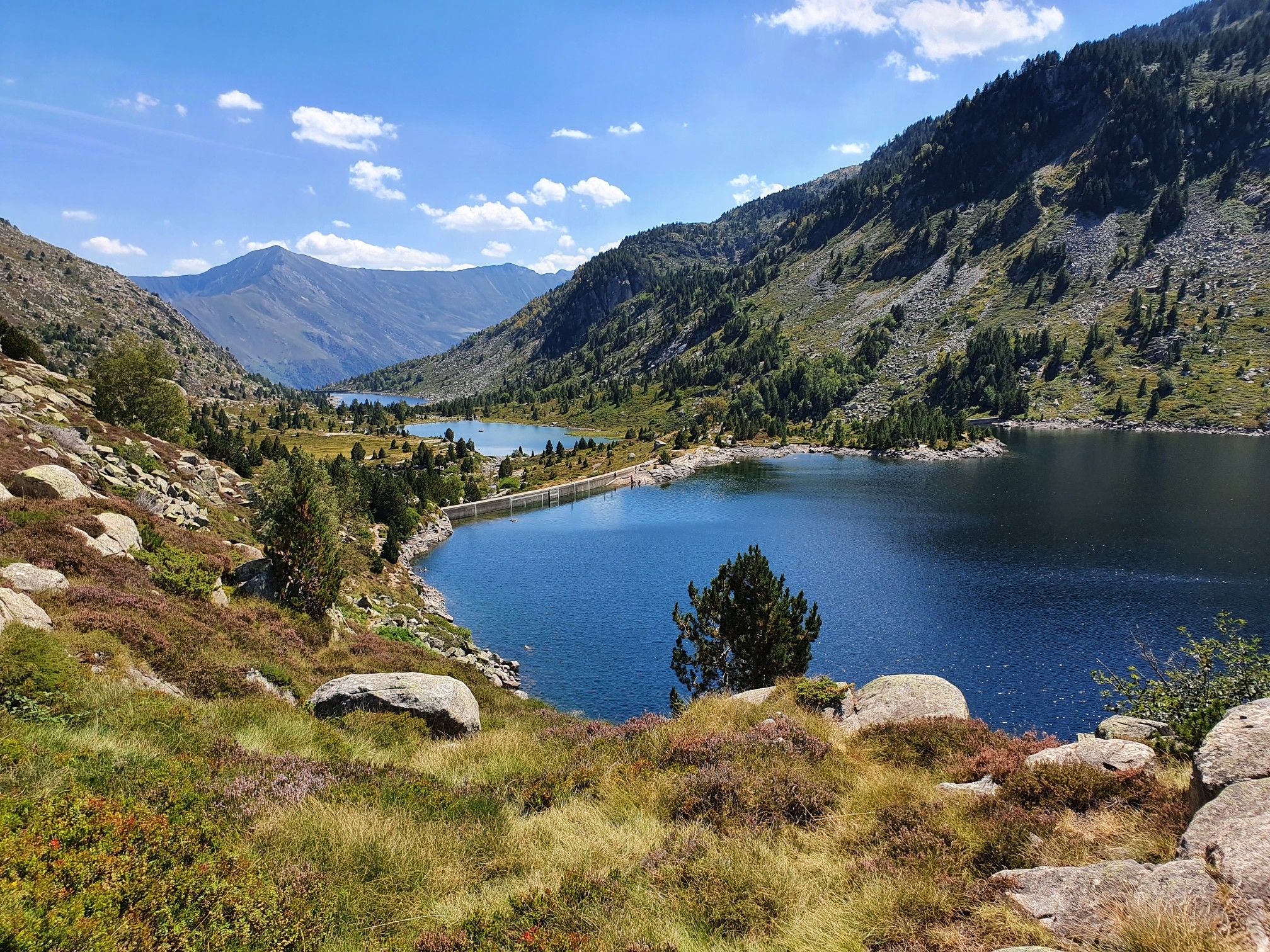
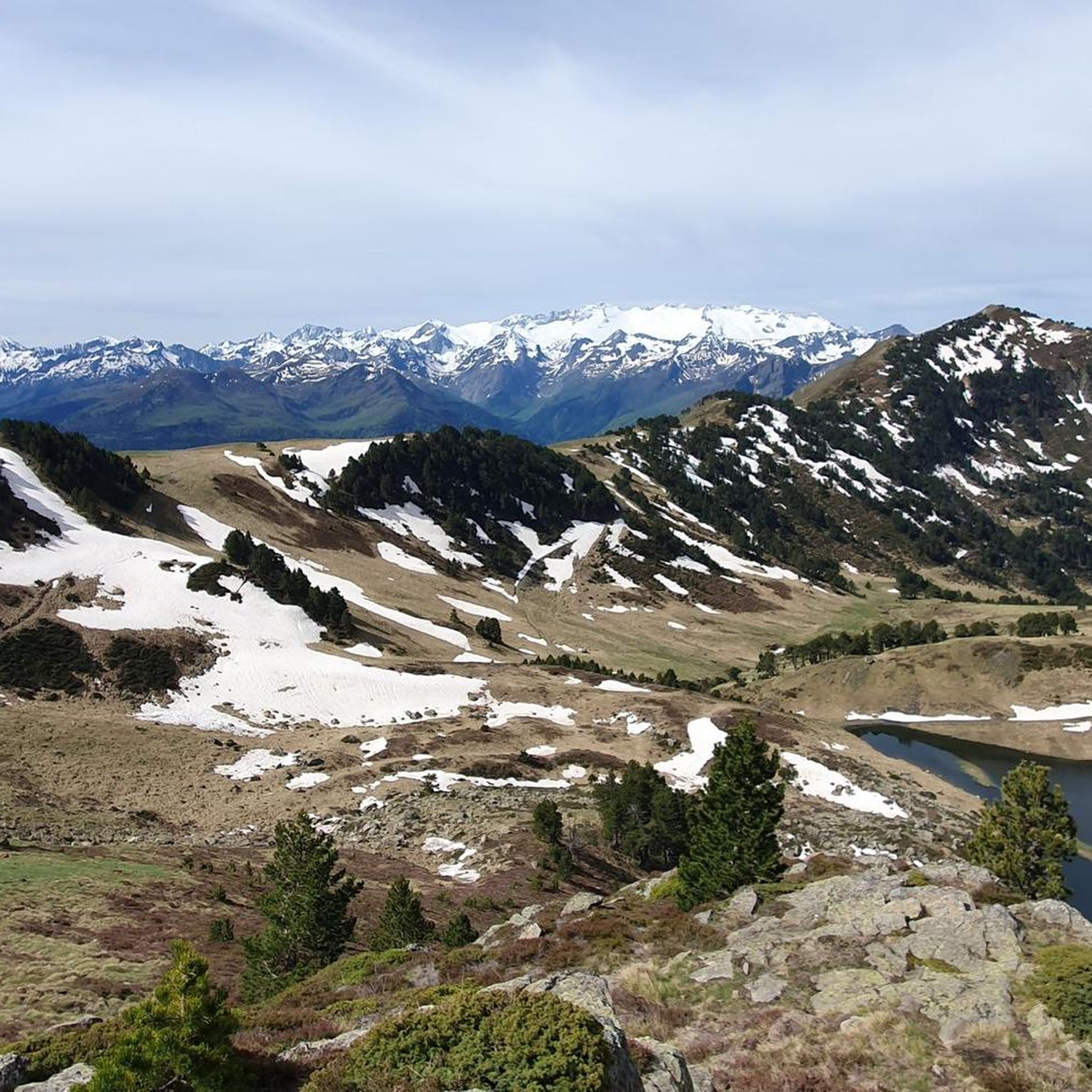
The mountain passes around Fos offer diverse and often breathtaking views. For instance, Caube Pass provides lovely vistas and access to surrounding peaks. Additionally, Arres Pond, though a lake, is located at 1,560 meters and offers picturesque views of the small pond and surrounding nature, perfect for a picnic.
Are there challenging climbs for cyclists in the mountain passes around Fos?
Absolutely. The region is renowned for its challenging climbs, many of which are famous from the Tour de France. The Menté Pass, for example, features sections exceeding 11% gradient. The Ascent to Col du Portillon from Bossòst also includes parts over 14%, making it a true delight for climbers.
Are there family-friendly spots or activities near the mountain passes?
Yes, Arres Pond is a family-friendly highlight located at 1,560 meters altitude. It offers picnic facilities, including grills and tables, and a fountain, allowing families to enjoy the views of the small pond in a relaxed setting.
What outdoor activities can I do near these mountain passes?
The area around Fos offers a variety of outdoor activities. You can explore numerous road cycling routes, including challenging loops like the "Bossòst – Portillón Pass loop from Canejan" or the "Bagnères-de-Luchon – Superbagnères Summit loop." For hiking enthusiasts, there are trails ranging from easy to difficult, such as the "Cap dera Sèrra – San Juan de Torán loop from Canejan." You can find more details on these activities in the Road Cycling Routes around Fos and Hiking around Fos guides.
What is the best time of year to visit the mountain passes around Fos?
The mountain passes in the Pyrenees, where Fos is located, are generally best visited from late spring to early autumn (May to October). During these months, the weather is typically more stable, and the passes are clear of snow, making them ideal for cycling, hiking, and scenic drives. Some passes may have specific closures or recommendations, so it's always good to check local conditions.
Are there any specific tips for cyclists tackling the mountain passes?
Cyclists should be prepared for significant elevation gains and steep gradients. For instance, the Menté Pass has an average gradient of 9.13% from Saint-Béat, with some sections over 11%. The Col du Portillon also features challenging sections over 14%. It's advisable to check the specific climb profiles and ensure your bike is in good condition. Many routes offer stunning views as a reward for your effort.
What do visitors enjoy most about the mountain passes in the Fos area?
Visitors particularly enjoy the challenging nature of the climbs, the stunning Pyrenean landscapes, and the sense of accomplishment after conquering a pass. The historical significance of many passes, especially those featured in the Tour de France, also adds to the appeal. The diverse terrain, from forested sections to open mountain views, provides a rewarding experience for both cyclists and those seeking scenic drives.
Are there any historical or cultural points of interest related to the mountain passes?
Many of the mountain passes in the Pyrenees, including those around Fos, hold significant historical value, particularly in the context of cycling. Passes like the Col du Portillon and Menté Pass are emblematic stages of the Tour de France, with rich histories of legendary races and triumphs. The Spanish side of the Col du Portillon even features a stele dedicated to Spanish Tour de France winners.
Can I find amenities like cafes or restaurants near the mountain passes?
While the passes themselves are often remote, you can typically find amenities in the villages and towns at their base or along the main routes leading to them. For example, Arres Pond offers picnic facilities, including grills and tables. For more extensive options like cafes and restaurants, you would generally look to the larger settlements in the valleys.
Are there options for mountain biking or general cycling beyond road cycling?
Yes, beyond road cycling, the region offers opportunities for general cycling and mountain biking. The varied terrain of the Pyrenees provides a great backdrop for different cycling experiences. You can explore various routes, such as the "Garonne Cycle Route (V83)" for an easier ride, or more challenging touring bicycle routes like the "Climb to Col du Mente – Portet-d'Aspet Pass loop from Melles." More information can be found in the Cycling around Fos guide.
Most popular attractions around Fos

Get inspired with the komoot mobile app


Explore more
See even more epic mountain passes by checking out these guides around Fos:
