The best cycling routes around Gaillan-En-Médoc
4.3
(414)
1,763
riders
128
rides
Touring cycling routes around Gaillan-En-Médoc traverse a diverse landscape characterized by extensive pine and oak forests, renowned vineyards, and the Atlantic coastline. The region features generally flat terrain, making it suitable for cycling, with dedicated cycle paths winding through natural areas and past cultural landmarks. To the east, the Gironde Estuary offers wetlands and marshlands, while the west provides access to sandy beaches and coastal dunes. These varied landscapes offer numerous opportunities for outdoor activities.
Best touring cycling routes around Gaillan-En-Médoc
- The most popular touring cycling route is Beach Soulac-sur-Mer – Pine forest loop from Lesparre, a 115.0 miles (185.1 km) trail that takes 11 hours 3 minutes to complete. This route combines extensive pine forests with sections along the Atlantic coast.
- Another top favourite among local touring cyclists is Goulée Port – The Richard Lighthouse loop from Lesparre, a difficult 29.9 miles (48.1 km) path. This route explores the Gironde Estuary area, passing by Goulée Port and the Richard Lighthouse.
- Local touring cyclists also love the Goulée Port – Beach Soulac-sur-Mer loop from Lesparre, a 50.5 miles (81.3 km) trail leading through marshlands and along the Gironde Estuary, often completed in about 4 hours 35 minutes.
- Touring cycling around Gaillan-En-Médoc is defined by extensive pine forests, vineyards, and the Atlantic coastline. The network offers options for easy, moderate, and difficult routes, catering to various ability levels.
- The routes in Gaillan-En-Médoc are highly rated by the komoot community with an average score of 4.2 stars from over 300 reviews. More than 1600 touring cyclists have used komoot to explore Gaillan-En-Médoc's varied terrain.
Last updated: October 16, 2026
4.1
(27)
24
riders
48.1km
02:49
90m
90m
Hard bike ride. Good fitness required. You may need to push your bike for some segments of this route.
2.0
(2)
13
riders
194km
11:01
530m
530m
Hard bike ride. Very good fitness required. Mostly paved surfaces.

3.0
(1)
6
riders
81.4km
04:35
120m
120m
Moderate bike ride. Good fitness required. Mostly paved surfaces.
4.3
(4)
7
riders
51.4km
02:58
180m
180m
Moderate bike ride. Good fitness required. Mostly paved surfaces.
3.7
(3)
5
riders
31.9km
01:57
40m
40m
Easy bike ride. Mostly paved surfaces.
Get access to more routes and recommendations from other explorers.
Already have an account?
Our route recommendations are based on thousands of hikes, rides, and runs completed by other people on komoot.
Start today with a free account
Your next adventure awaits.
Tips from the Community

The carrelets are today part of the emblematic images of Royan and the Côte de Beauté. However, contrary to what the current landscape might suggest, the large pontoons with huts are relatively recent. A much older fishing The word carrelet originally designates the square net used for very simple fishing. Fishing with a carrelet has been attested in the region since at least the 18th century. At that time, these were not yet the elegant huts on stilts that we know today. The fisherman used a square frame with a net, which he lowered into the water and then quickly pulled up. This fishing was particularly practiced by women and could provide a dietary supplement. The turning point of 1900: the birth of the pontoons It was around 1900 that the carrelet began to change its nature. With the development of sea bathing and seaside tourism in Royan, fixed structures appeared on the quays, rocks, and cliffs. In Royan, they can be found in particular on the rocks of Pigeonnier and at Pontaillac. Initially, they were essentially simple masts equipped with a winch. The users were often merchants, liberal professions, retirees, or wealthy owners rather than professional fishermen. A particularly interesting old photograph shows the conche de Pontaillac in 1918, with fishing installations. The carrelets become leisure spots Between the two wars, and especially after 1945, the carrelets multiplied. The generalization of paid holidays, the increase in free time, and the development of popular holidays favored their transformation into real small holiday resorts. The installations gradually became more substantial: cliff → footbridge → pontoon → hut → mast and winch → square net Owners often built their own installations with wood or salvaged materials. In the 1950s, this practice experienced a real boom around Royan. Why are there so many carrelets around Royan? The relief of the Côte de Beauté is particularly well-suited for this. They can be found in particular: * in Royan, at the Pointe du Chay, at Pigeonnier and at Pontaillac; * in Vaux-sur-Mer, particularly towards the conche de Gilet; * in Saint-Palais-sur-Mer, along the headlands of Terre-Nègre and Perrières, towards the Pont du Diable and the Concié; * in Saint-Georges-de-Didonne, particularly towards Suzac; * in Meschers-sur-Gironde, along the cliffs and coves. The carrelet is indeed identified today as a viewpoint in Royan. The 1999 storm: a catastrophe The carrelets are extremely vulnerable to storms. The storms of 1996 and especially 1999 destroyed a very large part of the installations in Charente-Maritime. On the coasts of Aunis and Saintonge, nearly 90% of the approximately 700 carrelets had been destroyed during the January 2000 storm. They were then gradually rebuilt, with the help of owners and public schemes. Today: a heritage of Royan The carrelet is therefore not just a fishing equipment. It has become an element of the maritime and landscape heritage of Royan. The Musée du patrimoine du Pays Royannais classifies it as 20th-century maritime heritage and points out that the current installations are essentially the result of the development of this practice in the 20th century. An interesting historical point: the carrelets that we spontaneously associate with Royan today are therefore mainly the result of the evolution of seaside tourism after 1900 and their extraordinary development after 1945, and not the intact survival of a very old tradition of fishing huts.
0
0
The carrelets of Saint-Palais-sur-Mer are among the most emblematic elements of the Charente coastline. Their history blends traditional fishing, tourist development, and local heritage. 🐟 Origin of the carrelets Originally, the word "carrelet" referred to a square fishing net used since the 17th century. A precise description can be found as early as 1769, in the writings of the scholar Henri-Louis Duhamel du Monceau, who mentioned this type of fishing on the Saintonge coast. 👉 At that time, these were not yet the current huts, but simply a net operated from rudimentary structures. ⚓ Artisanal fishing structures The first local carrelets were simple wooden platforms, built by the fishermen themselves to stand above the water. They were mainly used to catch shrimp, fish, and crabs near the shore, without going out to sea. 👉 It was a family and coastal fishery, less dangerous than sea fishing. 🏖️ 19th – early 20th century: transition to a leisure activity At the turn of the 20th century, with the rise of seaside resorts like Saint-Palais, the carrelets evolved. Holidaymakers and notable figures adopted this practice: construction of fixed jetties, appearance of huts on stilts. The carrelets then became places for relaxation as much as for fishing. 👉 They already contributed to the postcard image of the coast. 🪵 After 1945: democratization and multiplication After the Second World War, the number of carrelets increased sharply. They became a symbol of popular leisure and conviviality. The transition was gradually made from a means of subsistence to a recreational activity. 🌊 Storms and reconstruction The carrelets are fragile in the face of storms: 1999: massive destruction (up to 90% in some areas) 2010 (Xynthia storm): new damage Many have been rebuilt identically, respecting tradition. 🏛️ Today: protected heritage In Charente-Maritime, there are about 400 carrelets. They are: integrated into the public maritime domain allocated by administrative authorization (often renewed every 5 years) Since 2018, they have been recognized as cultural heritage of the department. 👉 In Saint-Palais, they can be observed in particular: at Pont du Diable at the conche du Concié at the Puits de l’Auture
0
0

A very beautiful old church. Concerts (choirs, orchestras) sometimes take place in the evenings, which are highly recommended.
0
0

Very cute village. Charming village square.
0
0

Long sandy beach and beautiful sunset
1
0

Very beautiful castle, the hedges are beautifully cut in the shape of elephants.
0
0
I suspect that most people simply drive past this Christian site, first mentioned around 1050 AD, later buried by a sand dune and later re-excavated. The church's age is partially apparent, especially from the inside. And pilgrims can also get a stamp here.
0
0

the cycle path is great and comfortable because it is easy and smooth
0
0
Frequently Asked Questions
How many touring cycling routes are available around Gaillan-En-Médoc?
There are over 130 touring cycling routes around Gaillan-En-Médoc, offering a wide range of options for exploring the region's diverse landscapes.
What is the typical terrain and difficulty level for cycling routes in Gaillan-En-Médoc?
The terrain around Gaillan-En-Médoc is generally flat, making it ideal for touring cycling. You'll find a mix of dedicated cycle paths, quiet country roads, and routes through pine forests and vineyards. The routes vary in difficulty, with 77 easy, 48 moderate, and 9 difficult options available, catering to various ability levels.
Are there any family-friendly cycling routes in the area?
Yes, the Médoc Atlantique region, including areas around Gaillan-En-Médoc, boasts over 400 km of cycle paths, many of which are suitable for all ages and skill levels. The generally flat terrain and dedicated paths make it ideal for leisurely family rides. Look for routes categorized as 'easy' for the most family-friendly options.
What natural features and landmarks can I expect to see along the cycling routes?
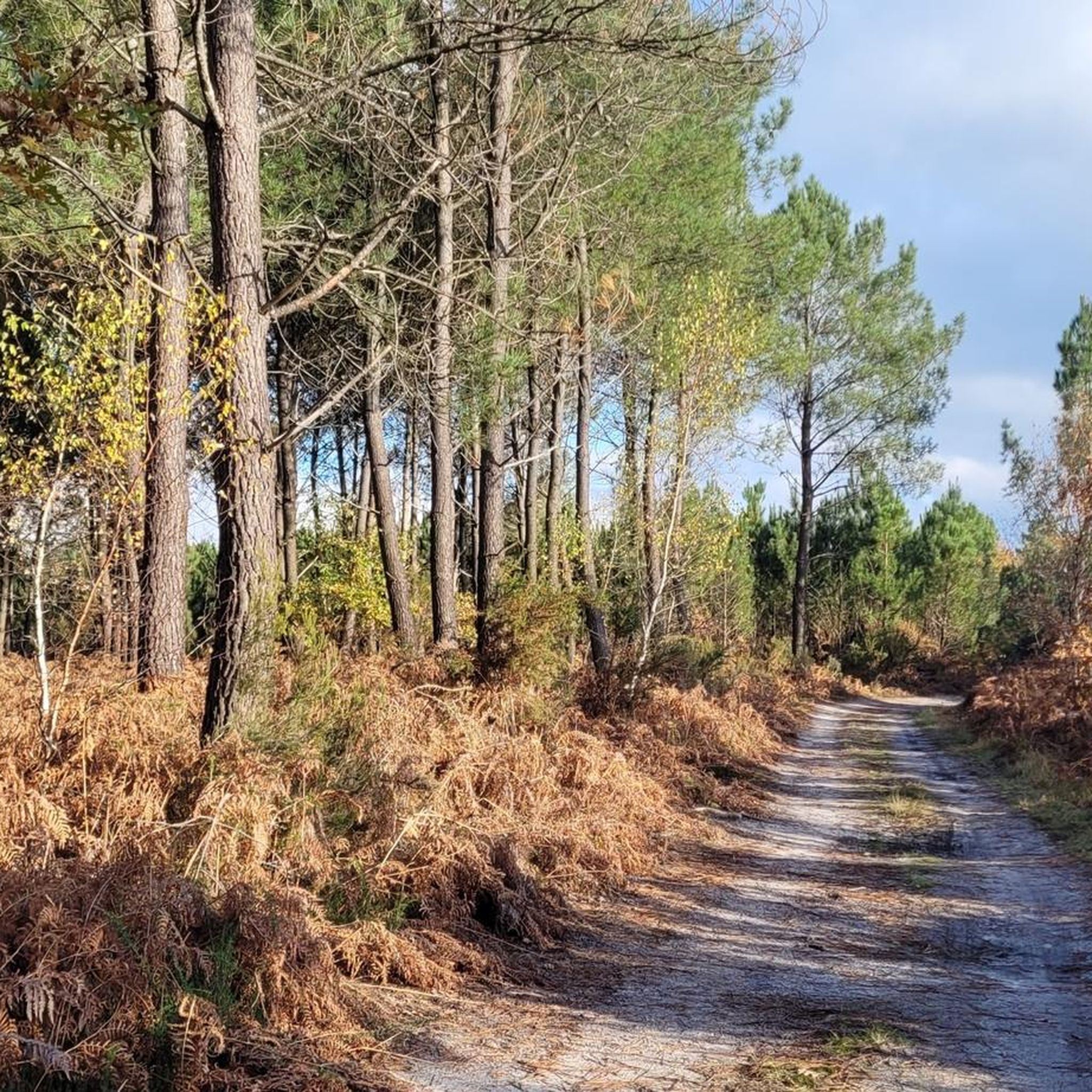
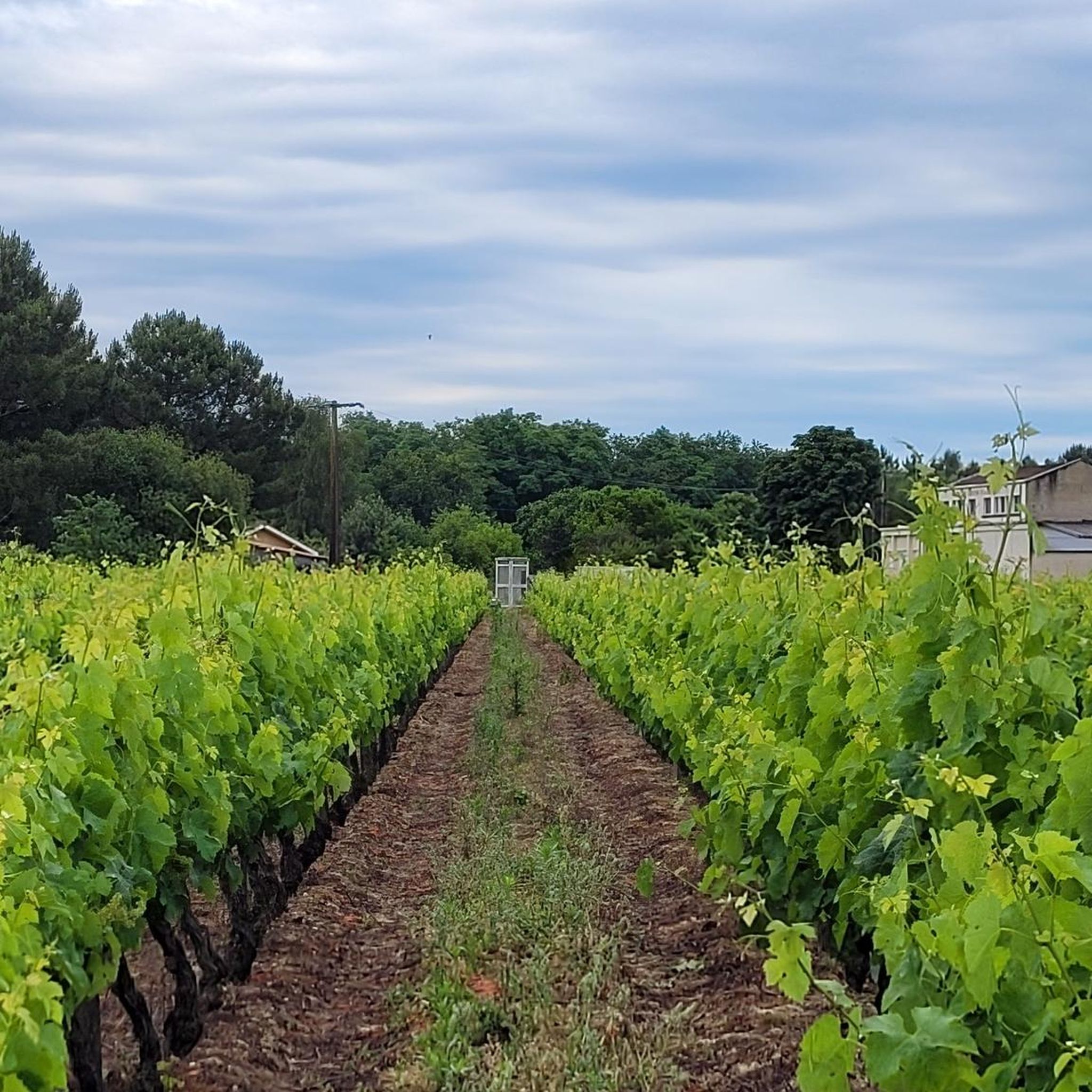
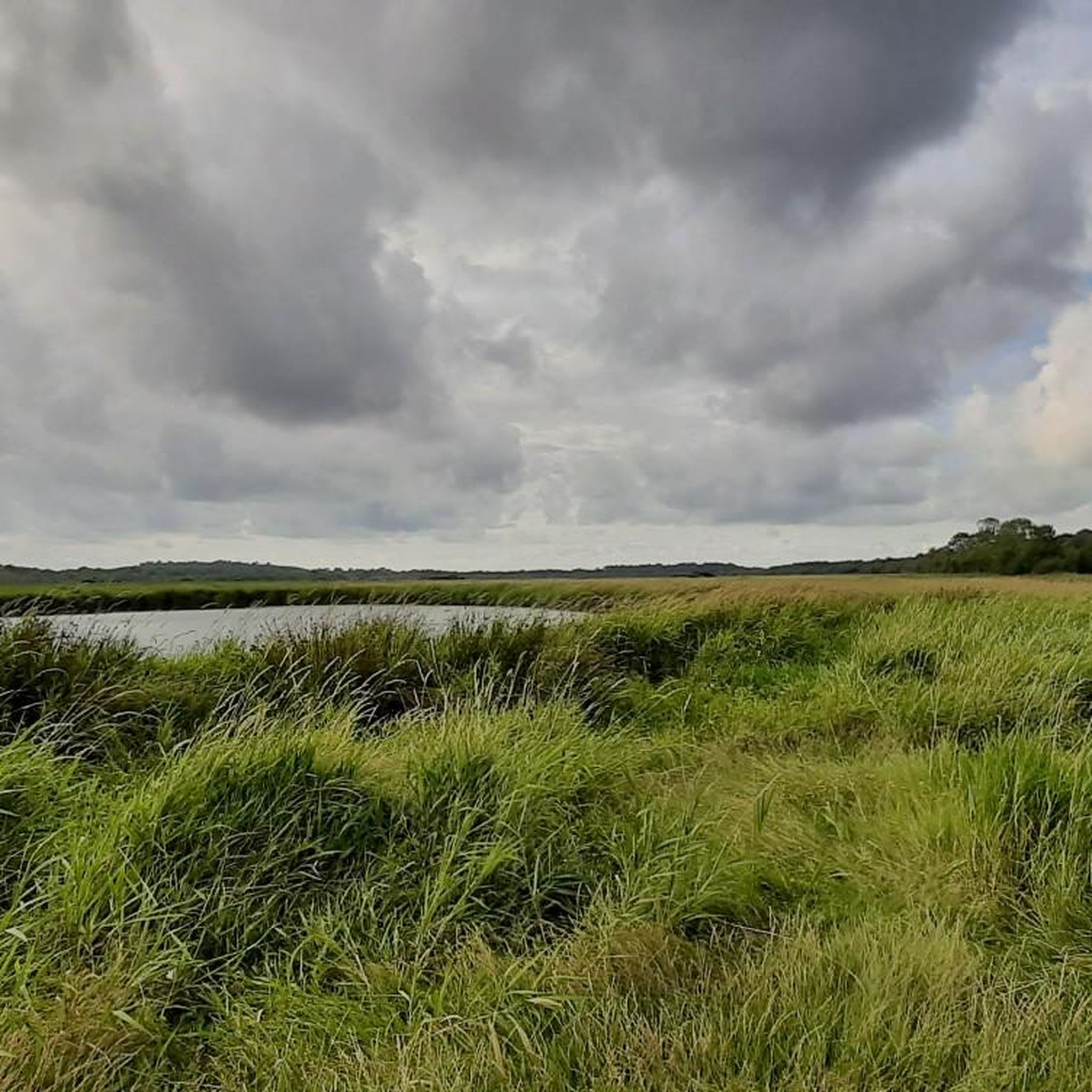
Cycling routes in Gaillan-En-Médoc offer a rich tapestry of natural beauty and cultural landmarks. You can expect to see extensive pine forests, renowned vineyards, and sections along the Atlantic coastline. Highlights include the Moulin de Vensac, the historic Goulée Port along the Gironde Estuary, and the scenic Beautiful bike path in the middle of the marshes. Many routes also pass by prestigious wine châteaux.
Are there any circular cycling routes available?
Yes, many of the touring cycling routes around Gaillan-En-Médoc are designed as loops. For example, the Beach Soulac-sur-Mer – Pine forest loop from Lesparre and the Goulée Port – The Richard Lighthouse loop from Lesparre are popular circular options that allow you to start and end in the same location.
What is the best time of year to go touring cycling in Gaillan-En-Médoc?
The region is popular for cycling during July and August due to the pleasant weather. However, spring and early autumn also offer excellent conditions with milder temperatures and fewer crowds, making it ideal for exploring the vineyards and forests. The extensive pine forests provide shaded paths, which can be a welcome relief during warmer months.
Is public transport available to reach the cycling routes?
While specific public transport options directly to every trailhead might be limited, the Médoc region has some public transport links. For longer-distance cycling, consider routes that connect to the Vélodyssée or Tour de Gironde, which may have better access points via regional transport. It's advisable to check local bus or train services for connections to larger towns like Lesparre-Médoc, from which many routes originate.
Where can I park my car when cycling in Gaillan-En-Médoc?
Many cycling routes around Gaillan-En-Médoc start from towns like Lesparre-Médoc, where public parking is generally available. When planning your tour, look for routes that begin in villages or near popular attractions like Goulée Port, as these often have designated parking areas for visitors.
What do other cyclists say about touring cycling in Gaillan-En-Médoc?
The touring cycling routes around Gaillan-En-Médoc are highly rated by the komoot community, with an average score of 4.2 stars from over 300 reviews. Cyclists often praise the well-maintained paths, the scenic diversity of vineyards, forests, and coastline, and the generally flat terrain that makes for enjoyable rides.
Are there any long-distance or challenging routes for experienced touring cyclists?
Yes, for experienced touring cyclists seeking a challenge, there are several longer and more difficult routes. For instance, the Beach Soulac-sur-Mer – Pine forest loop from Lesparre is a difficult 185.1 km trail, and the Dune landscape and EV1 – Gironde Ferry to Royan loop from Lesparre covers over 109 km, offering extensive distances and varied landscapes.
Can I find routes that combine forest and coastal scenery?
Absolutely. The region is known for its blend of environments. Routes like the Pine forest – Beach Soulac-sur-Mer loop from Lesparre specifically combine extensive pine forests with sections along the Atlantic coast, allowing you to experience both shaded woodland paths and refreshing sea breezes.
Are there routes that explore the famous Médoc vineyards?
Yes, the Médoc is world-renowned for its prestigious Bordeaux vineyards. While specific routes are not listed in the guide data, the region research indicates that routes like the 'Boucle des Châteaux' in Margaux-Cantenac and the 'Road of the Chateaux' guide cyclists past numerous wine estates and through picturesque wine-growing boroughs. Many local routes will naturally traverse these iconic landscapes.
Are there any routes suitable for beginners?
Yes, Gaillan-En-Médoc offers a good selection of routes suitable for beginners. With 77 easy routes available, you can find shorter, flatter paths that are perfect for those new to touring cycling or looking for a relaxed ride. These often utilize dedicated cycle paths away from traffic.
Most popular attractions around Gaillan-En-Médoc

Get inspired with the komoot mobile app


Explore more
Browse the best Cycling routes in other regions.
