Attractions and Places To See around Tonnerre - Top 20
Attractions and places to see around Tonnerre include historical landmarks, cultural sites, and natural features within the Burgundy region of France. The town is situated on the River Armançon and features the Burgundy Canal, offering riverside views and towpaths. Notable natural elements include the Fosse Dionne, a karst spring known for its distinct water. The area provides a range of points of interest for visitors.
Best attractions and places to see around Tonnerre
- The most popular attractions is Château de…
Last updated: August 26, 2026
Towpath of the Canal de Bourgogne
Highlight (Segment) • Trail
Translated by Google •
Tip by

Château de Tanlay
Highlight • Castle
the first of the films "Angélique Marquise des anges" by Bernard Borderie, with Michèle Mercier, Robert Hossein, and Jean Rochefort is …
Translated by Google •
Tip by

Sign up now to discover places like this
Get recommendations on the best single tracks, peaks, & plenty of other exciting outdoor places.
Sign up for free
Fosse Dionne
Highlight • Natural Monument
Translated by Google •
Tip by

Saint-Martin Collegiate Church
Highlight • Religious Site
Translated by Google •
Tip by

Saint Peter's Church
Highlight • Other
Translated by Google •
Tip by
Sign up for free to discover even more attractions around Tonnerre.
Sign up for free
Already have an account?
Start today with a free account
Your next adventure awaits.
Login or Signup


Other adventures around Tonnerre

Tips from the Community

Beautiful church in Chablis currently being renovated
1
0

Magnificent Exterior Trompe l'oeil Gallery
0
0

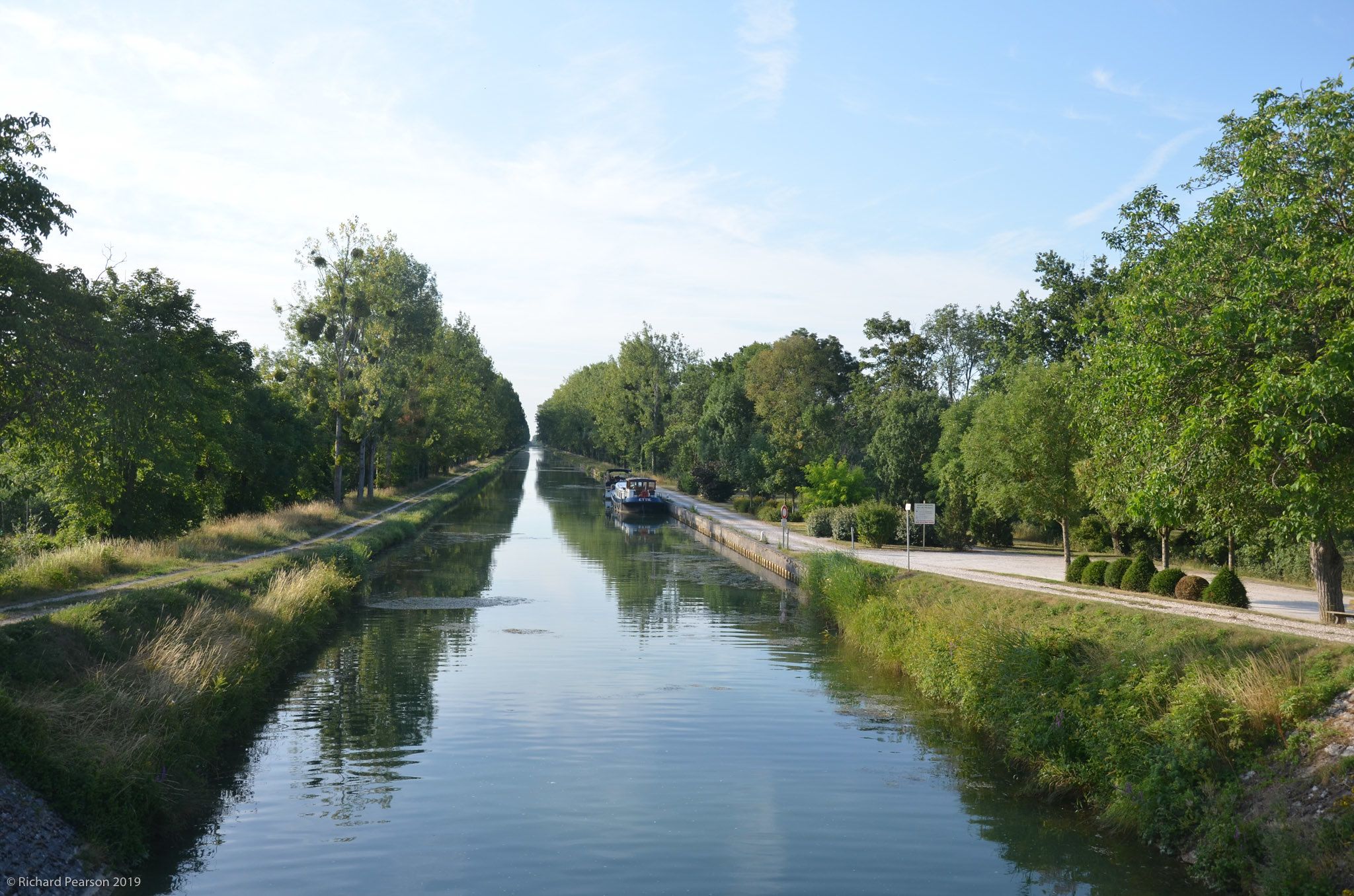
A "chemin de halage", in German "treidelpfad", which runs alongside the waterway right next to the bed of the river or canal, was an indispensable part of the transport infrastructure in earlier times. Before ships could move using motor power, horses ran along the bank and pulled the ship against the current. This was called "treideln", and that is how the "treidelpfad" got its name. Where these paths directly on the bank have been preserved, they are now popular with hikers and cyclists.
1
0

I walked past without seeing it 😂😂
0
0
The church in Tonnerre was dedicated to Saint Peter / “Saint-PIERRE”. Simon, nicknamed Peter (the word means "rock"), was a fisherman on the Sea of Galilee when he - together with his brother Andrew - was called by Jesus Christ to be "fishers of men". According to Catholic understanding, he is the supreme apostle, and the two millennia-long line of popes - currently Francis - are his successor. On statues and paintings, Peter is almost always depicted with two keys in his hand; this attribute refers to the biblical saying in Matthew: “I will give you the keys of the kingdom of heaven; Whatever you bind on earth will be bound in heaven, and whatever you loose on earth will be loosed in heaven” (Chapter 16, verse 19). Saint-Pierre is - together with Saint-Paul - also known as the “Princes of the Apostles”, their common feast day in the saints' calendar is on June 29th.
0
0

The Saint-Martin collegiate church from the 12th and 13th centuries is very well preserved. The church is definitely worth a visit. A special feature is the south portal, whose door wings are decorated with various horseshoes. Built in 1160, rebuilt from 1220. Apart from the tower, all the walls date from the Middle Ages. The paintings from the 13th century and the horseshoes on the side gate identify the building as a stage on the St. James pilgrimage to Santiago de Compostela. The various restorations have not changed the building, with the exception of the tower, which was added in 1852. https://www.moulindelacoudre.fr/de/2017/02/11/die-stiftskirche-saint-martin/
3
0
The Saint-Martin collegiate church from the 12th and 13th centuries is very well preserved. The church is definitely worth a visit. A special feature is the south portal, whose door wings are decorated with various horseshoes. Like many church buildings from the early Middle Ages, the Saint-Martin collegiate church (built in 1160, rebuilt from 1220) was inspired by the cathedral of Sens. Apart from the tower, all the walls date from the Middle Ages. The paintings from the 13th century and the horseshoes on the side gate identify the building as a stage on the St. James pilgrimage to Santiago de Compostela. The various restorations have not changed the building, except for the tower, added in 1852, whose top is 50 meters high. https://www.moulindelacoudre.fr/de/2017/02/11/die-stiftskirche-saint-martin/
1
0
We were there in the morning and the church was still closed. The building from the outside and the beautiful view of the city from there made up for it.
3
0
Frequently Asked Questions
What historical sites can I explore in Tonnerre?
Tonnerre is rich in history. You can visit the medieval Hôtel-Dieu, founded in 1293, which was once one of France's largest hospitals. The town also features several significant churches, including the 16th-century Church of Saint-Pierre, offering views from its hilltop perch, and the 12th-century Church of Notre-Dame. The Hôtel d'Uzès, though only its facade and courtyard remain, is another historical monument.
Are there any unique natural attractions in Tonnerre?
Absolutely. The Fosse Dionne is a primary natural attraction, an enigmatic karst spring known for its deep green-blue water and an 18th-century circular lavoir built around it. The River Armançon flows through Tonnerre, and the Burgundy Canal, with its scenic towpath, adds to the town's charm, earning it the nickname 'Burgundy's Little Venice'.
What outdoor activities are available near Tonnerre's attractions?
The region around Tonnerre offers various outdoor activities. You can enjoy hiking, running, and cycling along the Towpath of the Canal de Bourgogne. For more structured routes, consider exploring the many trails available. For hiking, you can find routes like the 'Saint Peter's Church – Notre-Dame Church loop from Tonnerre' which is an easy 4.8 km walk, or more challenging options. Cyclists can enjoy the 'Burgundy Canal and Tonnerrois Vineyards Loop' covering nearly 29 km. You can find more details on these activities in the Hiking around Tonnerre, Running Trails around Tonnerre, and Cycling around Tonnerre guides.
Are there family-friendly attractions in the Tonnerre area?
Yes, several attractions around Tonnerre are suitable for families. The Château de Tanlay, with its moats and historical significance, can be an engaging visit. The Towpath of the Canal de Bourgogne is excellent for family walks or bike rides. The Fosse Dionne, with its mysterious spring and lavoir, also captivates visitors of all ages.
What are some notable castles or châteaux near Tonnerre?
The region boasts impressive châteaux. The most popular is Château de Tanlay, a stunning moated castle celebrated for its Renaissance architecture, frescoes, and interior decoration. Another significant Renaissance castle nearby is Château d'Ancy-le-Franc, dating from the 15th century.
Can I find opportunities for wine tasting near Tonnerre?
Yes, the Tonnerrois region is known for its vineyards, particularly its white wines. It is conveniently close to the famous vineyards of Chablis, offering excellent opportunities for wine tasting and exploring the local viticulture.
What is the best time of year to visit Tonnerre and its attractions?
The best time to visit Tonnerre is generally during the spring (April to June) and autumn (September to October) months. During these periods, the weather is pleasant for exploring historical sites and enjoying outdoor activities along the canal or in the vineyards. Summer (July and August) is also popular, though it can be warmer.
Are there any hidden gems or less-known places to discover in the Tonnerre region?
Beyond the main attractions, consider visiting the picturesque village of Noyers-sur-Serein, known for its half-timbered houses and riverside setting. The Abbey at Pontigny, one of France's most substantial Cistercian abbeys, is also located near Tonnerre and offers a profound historical experience.
What kind of terrain can I expect when hiking or cycling around Tonnerre?
The terrain around Tonnerre is varied. You'll find relatively flat paths along the River Armançon and the Burgundy Canal, which are ideal for easy walks and cycling. However, the town itself is built on hills, with the Church of Saint-Pierre perched on one, offering some inclines. The surrounding countryside features rolling hills and vineyards, providing moderate challenges for hikers and cyclists.
Is public transport available to reach attractions in Tonnerre?
Within Tonnerre, many key attractions like the Hôtel-Dieu, Fosse Dionne, and the churches are centrally located and accessible on foot. For attractions further afield, such as the châteaux, public transport options might be limited, and a car is often recommended for greater flexibility in exploring the wider region.
What do visitors enjoy most about the attractions around Tonnerre?
Visitors frequently praise the historical depth and natural beauty of Tonnerre. The unique turquoise waters of the Fosse Dionne are a particular highlight, often described as a 'must-see' and 'unique in its kind'. The grandeur of Château de Tanlay, with its stunning architecture and rich history, also receives high acclaim. The peaceful and scenic Towpath of the Canal de Bourgogne is cherished for walks and bike rides.
Are there any specific historical figures associated with Tonnerre?
Tonnerre is notably associated with the Chevalier d'Éon, a fascinating diplomat and spy for Louis XV. His birthplace and home can still be seen in the town, adding another layer of historical intrigue to your visit.
Most popular routes around Tonnerre

Get inspired with the komoot mobile app


Explore more
Still not found the Highlight you’re looking for? See guides of the top attractions in other regions:
