Attractions and Places To See around Guimiliau - Top 20
Best attractions and places to see around Guimiliau, a commune in the Finistère department of Brittany, France, are centered around its exceptional *enclos paroissial*. This historical complex, dating from the 16th and 17th centuries, showcases significant Breton religious architecture and artistry. The region offers a blend of cultural sites and nearby natural landscapes. Visitors can explore a variety of historical and religious monuments, reflecting the area's rich heritage.
Best attractions and places to see around Guimiliau
- The most popular attractions…
Last updated: May 5, 2026
Saint-Thégonnec Church
Highlight • Religious Site
Translated by Google •
Tip by

Sizun
Highlight • Other
Translated by Google •
Tip by

Sign up now to discover places like this
Get recommendations on the best single tracks, peaks, & plenty of other exciting outdoor places.
Sign up for free
Gateway to the Flax Trail
Highlight • Other
Tip by

Church, Parish Enclosure and Ossuary of Lampaul-Guimilau
Highlight • Religious Site
Translated by Google •
Tip by
Saint-Miliau Church
Highlight • Other
Translated by Google •
Tip by

Sign up for free to discover even more attractions around Guimiliau.
Sign up for free
Already have an account?
Start today with a free account
Your next adventure awaits.
Login or Signup
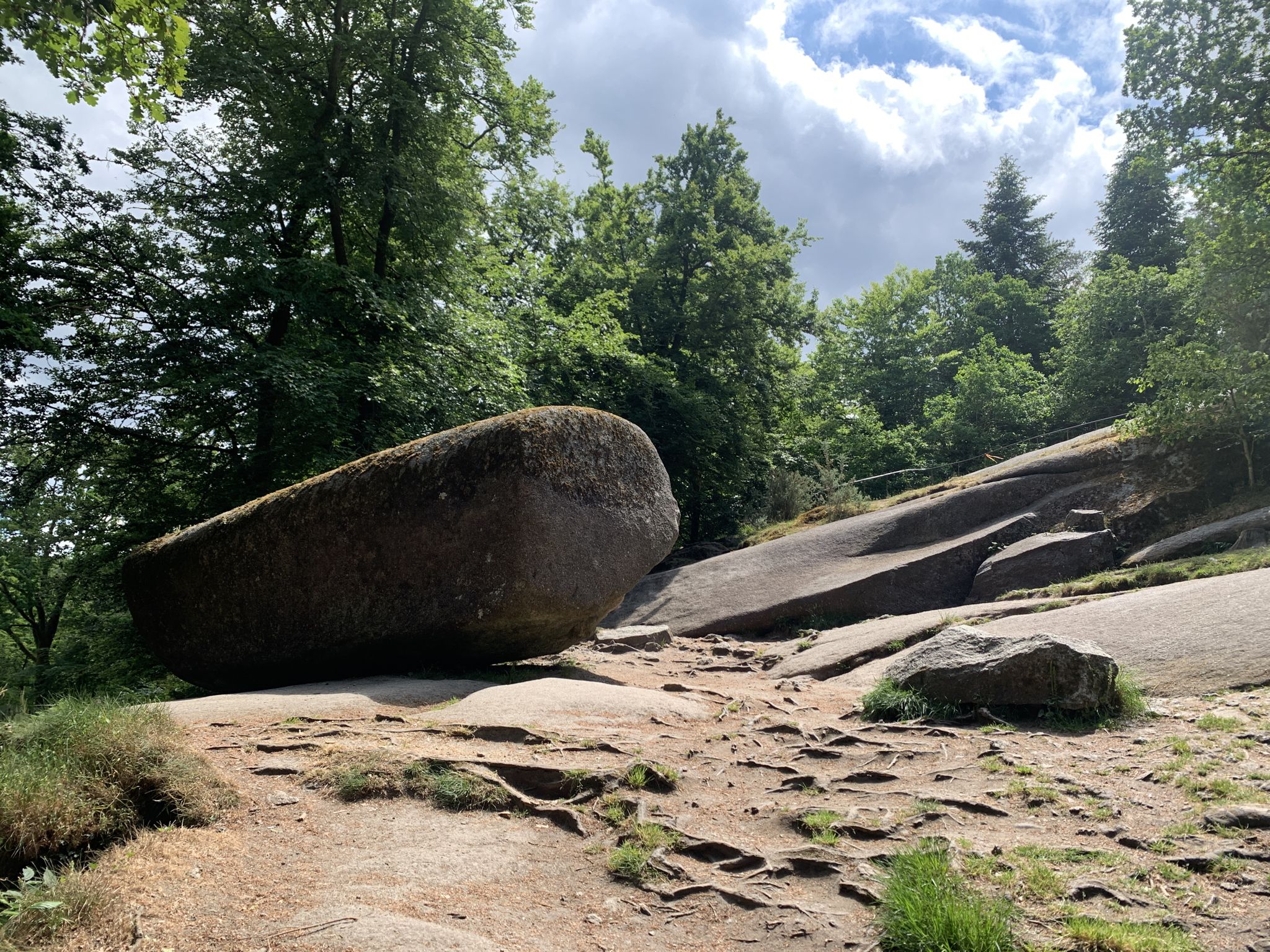
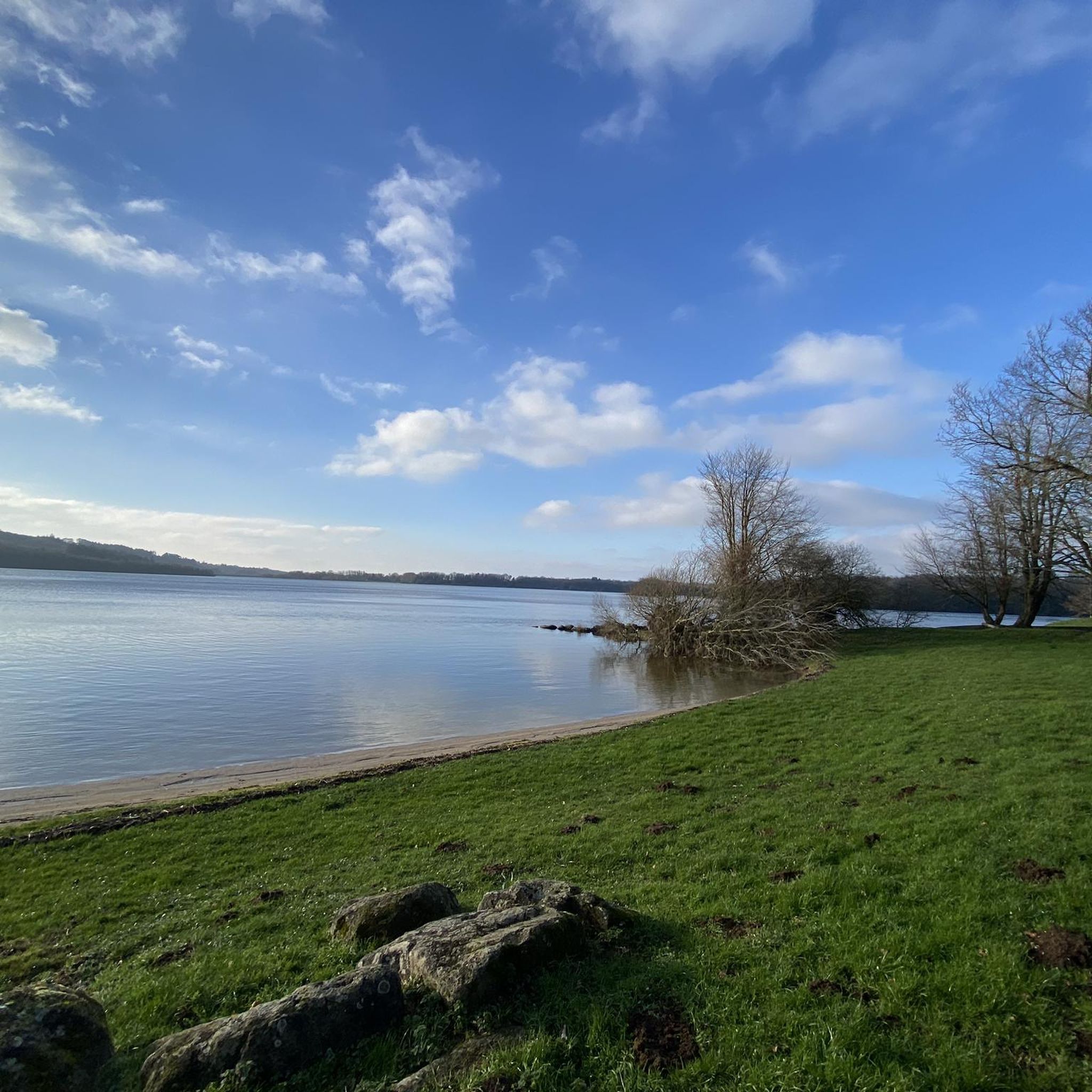
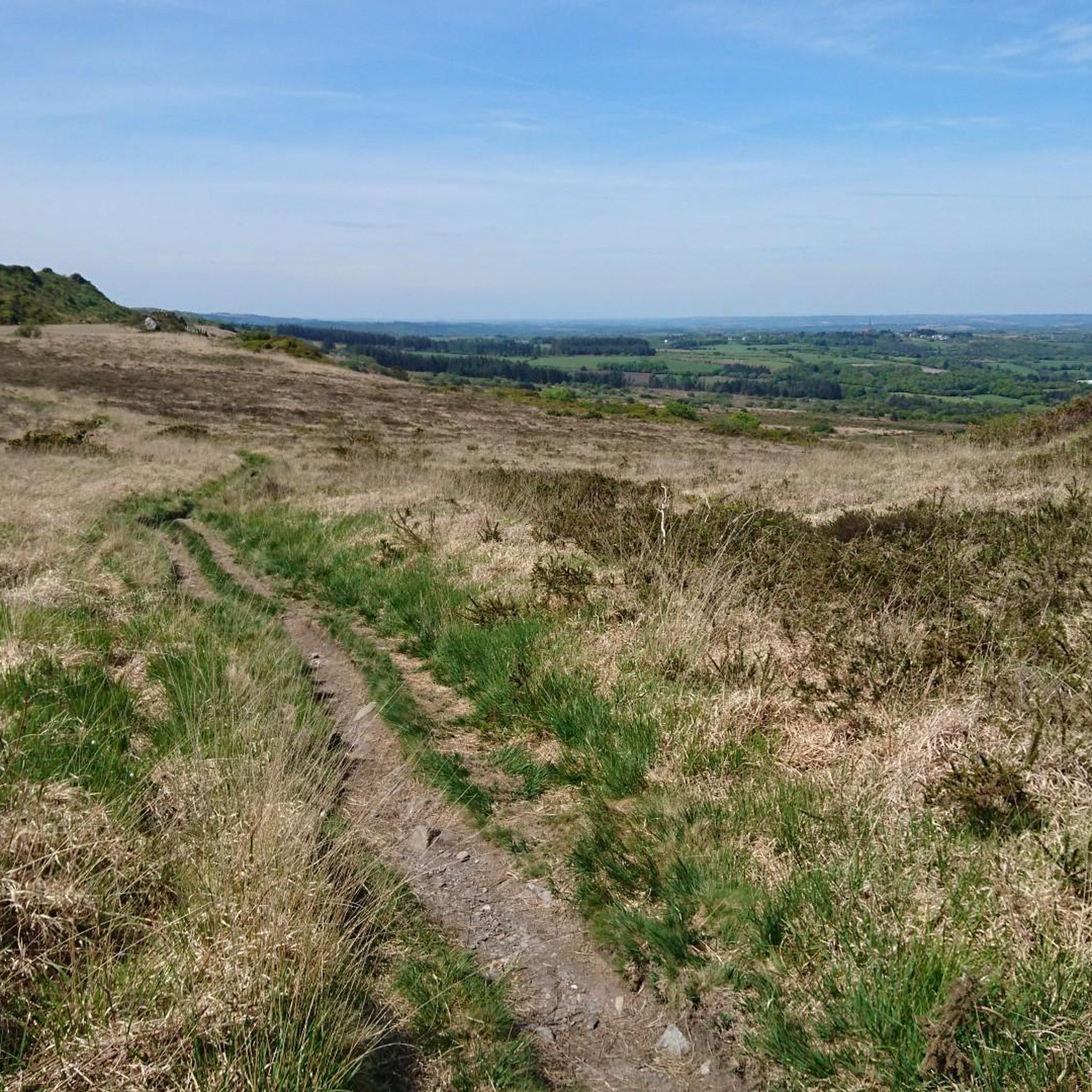
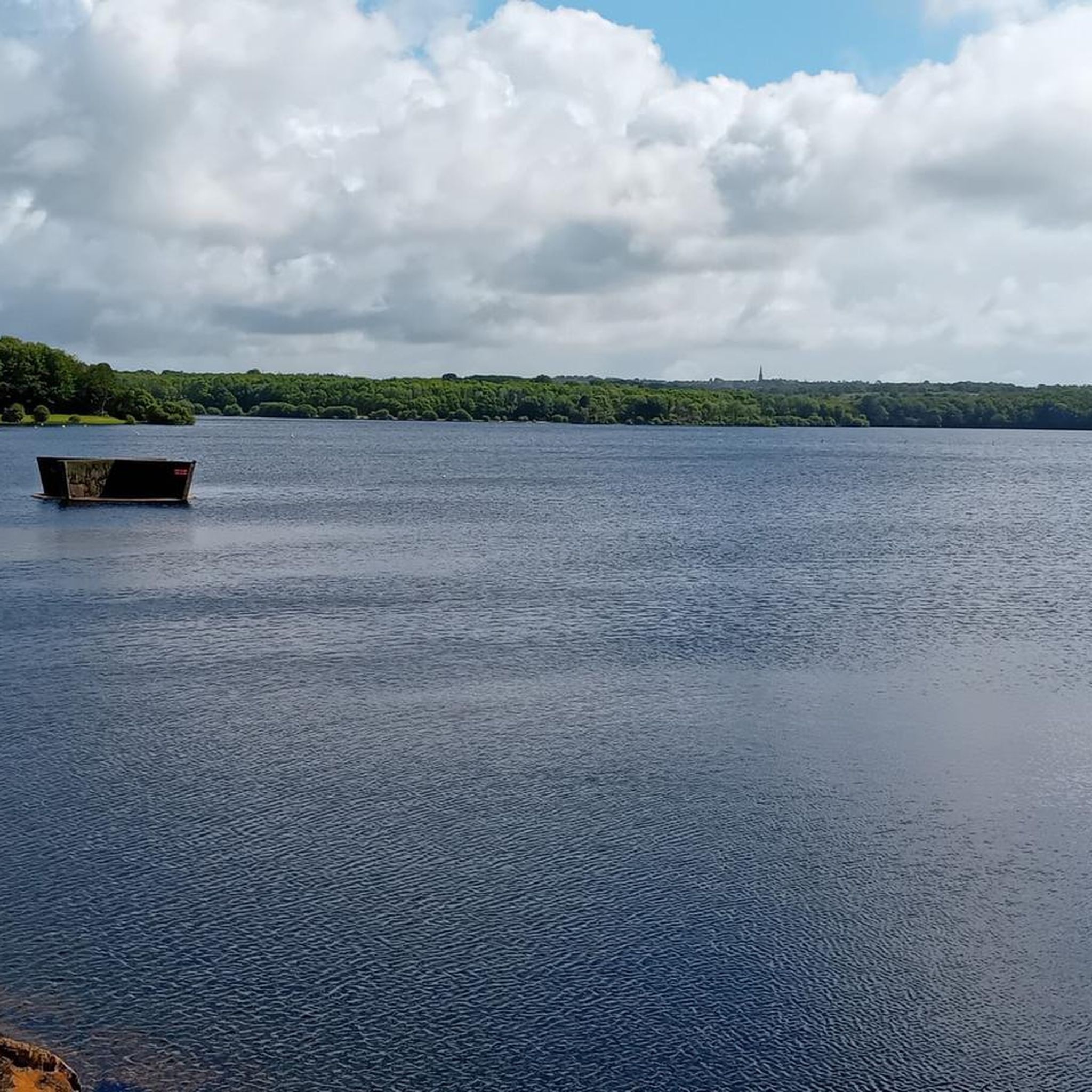


Other adventures around Guimiliau

Tips from the Community

Church of SANT-SERVAIS Impressive ensemble consisting of church, ossuary (now museum) and adjoining triumphal arch. The church also reveals numerous original carpentry works with decorations, such as the theatricality of the interior or the literally fantastic stonework that adorns the façade.
0
0

"Located near Saint-Thégonnec, the Kanndi du Fers walk takes you to discover these typical laundry houses of Léon. Linen thread was bleached there, while everywhere in Brittany and elsewhere, canvas was bleached. This particularity resulted in the construction of specific buildings: the “laundry houses” or kanndi in Breton (from kanna, to whiten, and ti, house). The walk can be done freely. Interpretation panels created by the Au Fil du Queffleuth et de la Penzé association inform you about the canvas history of this area. (Text: https://linchanvrebretagne.org/lin-chanvre-bretagne_a-voir-a-faire_balades-et-randos_kanndi-du-fers.htm)
0
0
This church is dedicated to a saint with many names: Mélar, Méliau, Melair, Mélaire, Melard, Meleuc, Méloar, Méloir, Meloire, and Miliau are French variants of "MELIAVUS of LANMEUR" (the official church name). The recorded dates of life of the Breton king and martyr are * 470, + 583. The feast day of Saint-MILIAU in the calendar of saints is October 26th.
3
0

This portal provides information about the historical background of the area which is surrounded by several hiking trails.
0
0

superb building, guided tours possible in July and August
1
0

The architecture of the church is rather sober, but it is rich with altarpieces, altars, statues, stained glass windows, paintings, etc. It contains, among other things, a carved baptistery made of oak from 1675, a pulpit from 1677 and an organ built in 1670 by Jacques Mascard, organ builders at Landerneau, but was rebuilt several times between 1681 and 1683, notably by Thomas Dallam. then remodeled in 1789 by Florentin Grimont and in 1863 by Heyer. Source: https://fr.m.wikipedia.org/wiki/Enclos_paroissial_de_Saint-Th%C3%A9gonnec
0
0

For a change from the churchyards of the past few days, feel free to visit the interior of this magnificent church and spend more time inside rather than outside on this tour. The pulpit of the church as well as the organ are absolutely beautiful and their gilding and statuary decorations will inevitably catch your eye. A nice surprise that we discover as soon as we cross the doors of the religious building.
1
1
The parish close is the religious space which is dedicated to the passer-by, to all comers. It allows the illiterate to understand the strong and important moments of the Catholic religion. It is still located in the village, in the center of the parish. We say enclosed, because always closed and surrounded by a wall. In central Brittany, we always find this triptych associated: church, ossuary and parish enclosure. The ossuary is also a Breton particularity: it is an openwork granite monument where the skulls, shins and various bones of the dead are carefully stored. A stylish way to make room in the cemetery. Some ossuaries are filled, others have been emptied of their contents. The parish enclosure of Lampaul-Guimillau is absolutely remarkable. You can see the many character details of the statues. It is an art that is both naive and severe. It's a bit like a comic book but sculpted. A real architectural and religious treasure of the rich Breton culture. This enclosure is nicknamed "the tanners' enclosure". In 1780, there were more than 146 tanneries in the commune. The profits from this activity enabled the construction of this enclosure and the exceptional brilliance of its sculptures.
1
0
Frequently Asked Questions
What are the main historical and cultural attractions in Guimiliau?
Guimiliau is most famous for its exceptional enclos paroissial (parish close), a significant example of Breton religious architecture from the 16th and 17th centuries. This complex includes a Triumphal Arch, a detailed Calvary with over 200 figures, the Saint-Miliau Church with its 17th-century organ and altarpieces, and distinctive ossuaries. You can also find the Guimiliau Parish Close on Wikipedia for more details.
Are there other notable parish closes to visit near Guimiliau?
Yes, the region is rich in these unique architectural ensembles. Just 3 km away, Lampaul-Guimiliau boasts an exceptional parish close, often nicknamed 'the tanners' enclosure' due to the wealth that funded its construction. Another impressive example is found in Sizun, featuring a magnificent parish enclosure with a triumphal arch and the Saint-Servais church.
What natural features or viewpoints can I explore around Guimiliau?
While Guimiliau itself is known for its cultural sites, the surrounding area offers natural beauty. Approximately 16 km away, Mont Saint-Michel de Brasparts is a notable natural site offering scenic views. The Armorique Regional Park, about 28 km from Guimiliau, provides lovely opportunities to enjoy the Brittany countryside.
What outdoor activities can I do near these attractions?
The area around Guimiliau is excellent for various outdoor activities. You can find numerous MTB trails, such as the 'Guimilau – Saint-Miliau Church loop' or the 'Pleasant Farm Track loop'. For gravel biking, routes like 'Penzé – Morlaix Viaduct loop' are available. Road cycling enthusiasts can enjoy routes like 'Élorn Valley Road' or 'Sainte-Anne Chapel loop'. For more details on these and other routes, explore the MTB Trails around Guimiliau, Gravel biking around Guimiliau, and Road Cycling Routes around Guimiliau guides.
Are there family-friendly attractions in the Guimiliau area?
Many of the historical sites, particularly the parish closes, can be engaging for families due to their intricate sculptures and historical significance. The Saint-Thégonnec Church, for instance, features a Calvary with over 200 figures depicting scenes from the life of Christ, which can be a fascinating visual experience for all ages. Exploring the detailed figures and learning about the stories they tell can be an educational and interesting activity for families.
How long should I plan for a visit to the Guimiliau Parish Close?
To fully appreciate the intricate details of the Guimiliau Parish Close, including the Calvary, church interior, ossuaries, and grand porch, it is recommended to allocate at least 1.5 to 2 hours. This allows time to explore the various elements and understand their historical and artistic significance.
What is the best time of year to visit Guimiliau and its surroundings?
The best time to visit Guimiliau and the Finistère department of Brittany is generally during the spring (April-June) and autumn (September-October) months. During these periods, the weather is typically mild and pleasant for exploring outdoor sites and historical complexes. Summer (July-August) is also popular, offering warmer temperatures, though it can be busier with tourists.
What do visitors enjoy most about the attractions around Guimiliau?
Visitors often highlight the exceptional artistry and expressiveness of the objects within and outside the 'Enclos paroissial' in Guimiliau. The intricate details of the sculptures, the historical depth, and the unique Breton architectural style are frequently praised. For instance, the Saint-Thégonnec Church is noted for its superb building and the beauty of its pulpit and organ, while the Lampaul-Guimiliau Parish Enclosure is admired for its remarkable character details and the 'comic book' style of its sculpted narratives.
Are there any unique historical information points in the area?
Yes, the Gateway to the Flax Trail is a historical information point that provides insight into the area's past, particularly its connection to the linen industry. It details the historical background of the region and is surrounded by several hiking trails, offering both historical context and outdoor activity opportunities.
What other towns or sites are worth visiting for a day trip from Guimiliau?
Several charming towns and sites are within a short drive. Morlaix, about 16 km away, offers a lively town center and a pleasure port. Landerneau, 19 km away, is known for its medieval houses. Huelgoat, roughly 23 km away, is famous for its ancient forest, providing a beautiful walking experience. These locations offer a diverse range of historical, cultural, and natural attractions for a day trip.
Where can I find parking when visiting attractions in Guimiliau?
Parking is generally available near the main attractions in Guimiliau, particularly around the Parish Close. Look for designated parking areas within the village. For specific details on parking availability, it's advisable to check local signage upon arrival.
Most popular routes around Guimiliau

Get inspired with the komoot mobile app


Explore more
Still not found the Highlight you’re looking for? See guides of the top attractions in other regions:
