Attractions and Places To See around Saint-Servais - Top 20
Best attractions and places to see around Saint-Servais, a commune in Brittany, France, include historical landmarks and natural features. The area is characterized by forests and varying altitudes, offering diverse exploration opportunities. Notable landmarks include ancient churches and megalithic monuments, alongside cultural sites in nearby towns. This region provides a blend of historical and natural points of interest.
Best attractions and places to see around Saint-Servais
- The most popular attractions is Kerjean Castle, a castle known for its dovecotes,…
Last updated: July 7, 2026
Château de La Roche-Maurice
Highlight • Castle
Translated by Google •
Tip by

Saint-Yves Church of La Roche-Maurice
Highlight • Religious Site
Translated by Google •
Tip by

Sign up now to discover places like this
Get recommendations on the best single tracks, peaks, & plenty of other exciting outdoor places.
Sign up for free
Landerneau's Inhabited Bridge
Highlight • Settlement
Translated by Google •
Tip by

Church, Parish Enclosure and Ossuary of Lampaul-Guimilau
Highlight • Religious Site
Translated by Google •
Tip by

Kerjean Castle
Highlight • Castle
These were always at the entrance of the castle or homestead and should indicate the wealth of the owner by the size and design. Pigeons were used …
Translated by Google •
Tip by

Sign up for free to discover even more attractions around Saint-Servais.
Sign up for free
Already have an account?
Start today with a free account
Your next adventure awaits.
Login or Signup



Tips from the Community

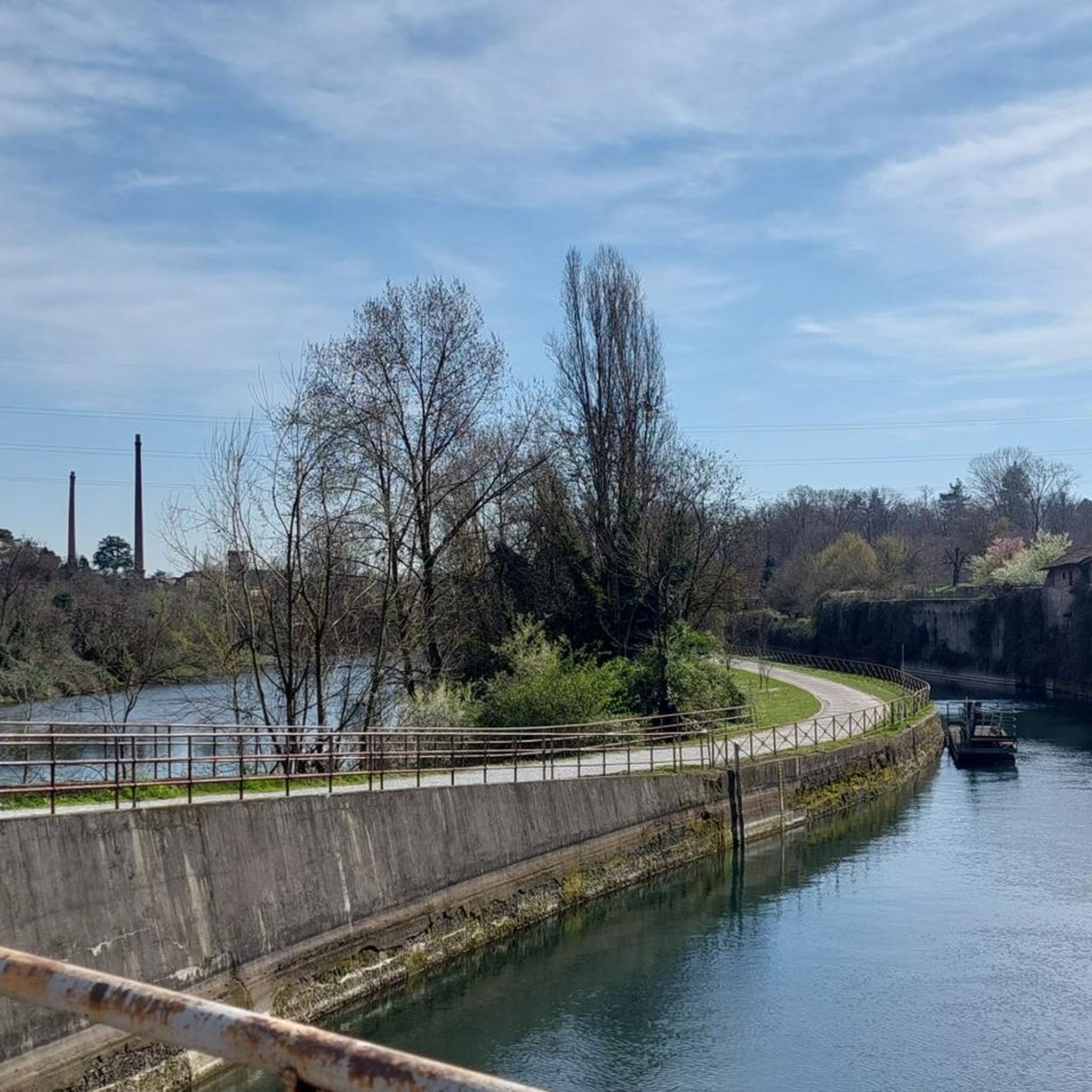
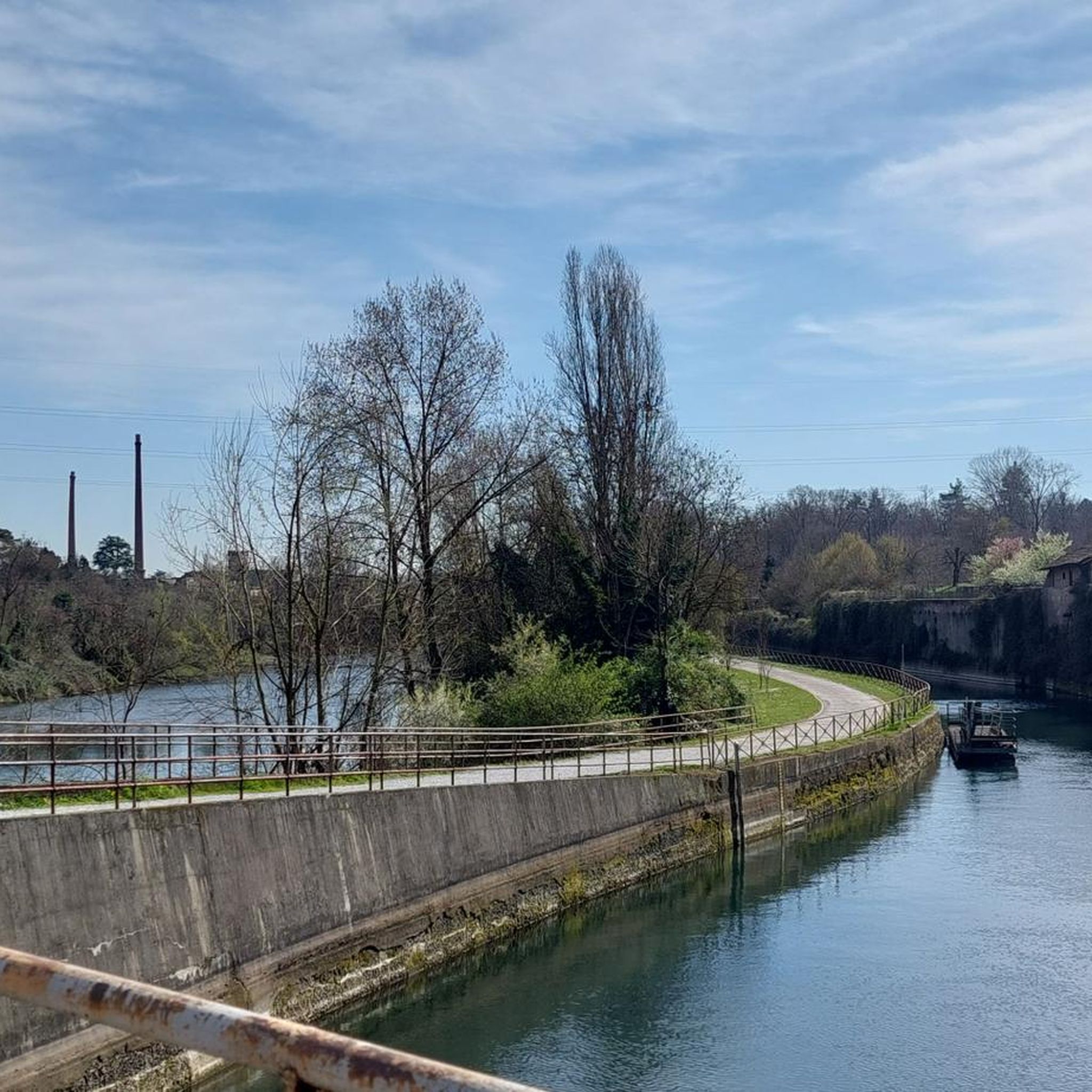
Being on the bridge, one does not notice that one is on a bridge
0
0

The Château de La Roche-Maurice, a historic Breton jewel from the 13th century, dazzles with its medieval architecture. Nestled in lush greenery, it offers an immersive experience in the feudal past.
0
0

The commune of LA ROCHE MAURICE located in the Pays du Léon reveals on a hill the ruins of its castle built in the 5th century which overlooks the Elon valley. Its history is linked to the counts of Léon and deserves to be known. The visit takes place at the foot of the ruins and the walker can see the efforts it took to build this castle currently under construction. If you want to know a little more, here is one of the sites which will immerse you in the history of the Roc'h Morvan castle (https://larochemaurice.fr/chateau). Good reading
0
0

This bridge crossing the Elorn is one of the oldest in Europe. It is also one of the few still inhabited.
0
0

The Elorn flows under this bridge which has retained its medieval appearance. The alleys surrounding old Landerneau complete the picture.
0
0

Nice to see when you drive past it in the valley. It's impressive how the dilapidated castle 🏰 sits at the top of the hill. La Roche Maurice, residence of the Viscounts of Léon The castle was first mentioned in 1263, but it is undoubtedly older. With those of MORLAIX, BREST and LESNEVEN, it was one of the most important fortresses of the Viscounts of Léon. These lords wielded considerable power: in addition to their land income, they possessed the right to control ships that ran aground on the shores of Léon, the monopoly of salt production and the catching of large fish, the right to high, middle and low justice, the law , to mint money and build fortresses without requiring the Duke's permission. As a result, this prince could hardly control the actions of these powerful feudal lords, which explains why Henry II Plantagenet, King of England, wanted to get his hands on the duchy in the third quarter of the 12th century, they were among his most ardent opponents. Source: https://larochemaurice.fr/chateau/
0
1
The current parish church has replaced a 14th-century medieval chapel dedicated to Saint-Yves (Testament of Hervé de Léon, dated 1363). It was built in the 16th century. It was at first the Trevial Church of Ploudiry until 1791. The Rohans ceded the land free of charge and paid numerous subsidies to support the building's reconstruction, which took almost half a century to complete. In fact, the stained glass window in the apse dates from 1589; the south portal dates from 1550, the 60 meter high bell tower from 1589. With its double gallery and double bell chamber, it is characteristic of the Leonardo Renaissance. The south portal consists of two double doors framed by an extravagant Renaissance arcade in which the twelve apostles nestle. Source: https://larochemaurice.fr/leglise-saint-yves-et-lenclos-paroissial
0
0
The current parish church has replaced a 14th-century medieval chapel dedicated to Saint-Yves (Testament of Hervé de Léon, of 1363). It was built in the 16th century. It was at first the Trevial Church of Ploudiry until 1791. The Rohans ceded the land free of charge and paid numerous subsidies to support the building's reconstruction, which took almost half a century to complete. In fact, the stained glass window in the apse dates from 1589; the south portal dates from 1550, the 60 meter high bell tower from 1589. With its double gallery and double bell chamber, it is characteristic of the Leonardo Renaissance. The south portal consists of two double doors framed by an extravagant Renaissance arcade in which the twelve apostles nestle. Source: https://larochemaurice.fr/leglise-saint-yves-et-lenclos-paroissial/
0
0
Frequently Asked Questions
What historical sites can I visit around Saint-Servais?
Saint-Servais and its surroundings are rich in history. You can explore the 13th-century Château de La Roche-Maurice, which was once a significant fortress. Another notable historical landmark is the Kerjean Castle, known for its impressive dovecotes. The area also features the historic Church of St. Servatius, consecrated in 1549, and the Old Church of Tréviale Burthulet, dating back to 1518.
Are there any unique religious buildings to explore?
Yes, the region offers several distinctive religious sites. The Saint-Yves Church of La Roche-Maurice, built in the 16th century, features a 60-meter high bell tower characteristic of the Leonardo Renaissance. Another remarkable site is the Church, Parish Enclosure and Ossuary of Lampaul-Guimilau, an absolutely remarkable ensemble with intricate sculptures and a unique ossuary tradition.
Where can I find megalithic monuments or ancient structures?
The local forests around Saint-Servais are home to several ancient megalithic structures. You can discover impressive sites such as the 'Tooth of Saint Servais,' a standing stone over 7 meters high, and the twin menhirs of Kerbernès, offering a glimpse into the region's prehistoric past.
Are there family-friendly attractions around Saint-Servais?
Families will find several engaging options. The Kerjean Castle is considered family-friendly, offering a historical experience. The Church, Parish Enclosure and Ossuary of Lampaul-Guimilau is also noted as family-friendly, providing an interesting cultural insight. Additionally, the Epagneul Breton House in nearby Callac offers an interactive learning path about the dog breed, which can be fun for all ages.
What kind of outdoor activities can I do near Saint-Servais?
The area around Saint-Servais is great for outdoor enthusiasts. You can find various routes for gravel biking, running, and cycling. For gravel biking, explore routes like the 'Nice view of the canal – Plabennec Natural Lake loop' or the 'Albert Louppe Bridge – Iroise Bridge loop'. Runners can enjoy routes such as the 'Running loop from Saint-Servais' or the 'Étang de Brezal loop'. Cyclists have options like the 'Élorn Valley Road loop'. You can find more details on these activities on the respective guide pages for gravel biking, running, and cycling.
Where can I learn about local Breton culture and heritage?
To immerse yourself in Breton culture, consider visiting the Museum of Bretons Manor in Bulat-Pestivien. Another unique cultural experience is the Valley of the Saints in Carnoët, an ambitious project featuring monumental granite statues of Brittany's founding saints, often referred to as a 'Breton Easter Island'.
Are there any unique bridges or architectural marvels to see?
Yes, Landerneau is home to the Landerneau's Inhabited Bridge, one of the oldest inhabited bridges in Europe. It has retained its medieval appearance over the Elorn river and offers a fascinating architectural sight.
What natural features characterize the Saint-Servais area?
Saint-Servais is situated in a region with varying altitudes, ranging from 130m to 292m. The area is characterized by its local forests, which are ideal for exploration, especially those containing the megalithic monuments. The surroundings of the Old Church of Tréviale Burthulet are notably windy, adding to the natural character of the landscape.
What do visitors enjoy most about the attractions around Saint-Servais?
Visitors appreciate the blend of historical depth and natural beauty. They often highlight the impressive medieval architecture of castles like Château de La Roche-Maurice and the unique cultural insights offered by sites such as the Parish Enclosure of Lampaul-Guimilau. The scenic routes around the attractions are also popular for cycling and walking, allowing visitors to enjoy the picturesque Breton countryside.
Are there any local markets nearby to experience local life?
For those interested in local life and produce, several nearby towns host markets. You can visit Callac on Wednesdays, Rostrenen on Tuesdays, and Carhaix-Plouguer on Saturdays to experience the vibrant local atmosphere and discover regional products.
Is there a specific time of year that is best to visit Saint-Servais?
While Saint-Servais can be visited year-round, the spring and summer months (May to September) generally offer the most pleasant weather for exploring outdoor attractions, historical sites, and enjoying activities like hiking and cycling. May 13th, known as 'holy ice,' was historically a day when people implored Saint Servatius to protect crops from frost, indicating the potential for cooler weather in early spring.
Most popular routes around Saint-Servais

Get inspired with the komoot mobile app


Explore more
Still not found the Highlight you’re looking for? See guides of the top attractions in other regions:
