Attractions and Places To See around Spézet - Top 15
Best attractions and places to see around Spézet include a blend of historical landmarks, natural features, and cultural sites. Situated between the Black Mountains and the Nantes-Brest Canal, Spézet offers picturesque streets and verdant landscapes. The area is known for its megalithic sites, traditional bread ovens, and the highest point of the Black Mountains, Roc'h Toullaëron. Visitors can explore various chapels, churches, and natural woodlands.
Best attractions and places to see around Spézet
- The most popular attractions is Châteauneuf-du-Faou,…
Last updated: July 2, 2026
Châteauneuf-du-Faou
Highlight • Castle
Translated by Google •
Tip by

Carhaix-Plouguer
Highlight • Historical Site
Tip by

Sign up now to discover places like this
Get recommendations on the best single tracks, peaks, & plenty of other exciting outdoor places.
Sign up for free
Stone Arch Bridge on the Nantes–Brest Canal
Highlight • Bridge
Translated by Google •
Tip by

Saint-Tremeur Church, Carhaix-Plouguer
Highlight • Other
Tip by

Place de la Tour d'Auvergne
Highlight • Historical Site
Translated by Google •
Tip by

Sign up for free to discover even more attractions around Spézet.
Sign up for free
Already have an account?
Start today with a free account
Your next adventure awaits.
Login or Signup



Tips from the Community

Built under Louis XIII, in the 17th century
0
0

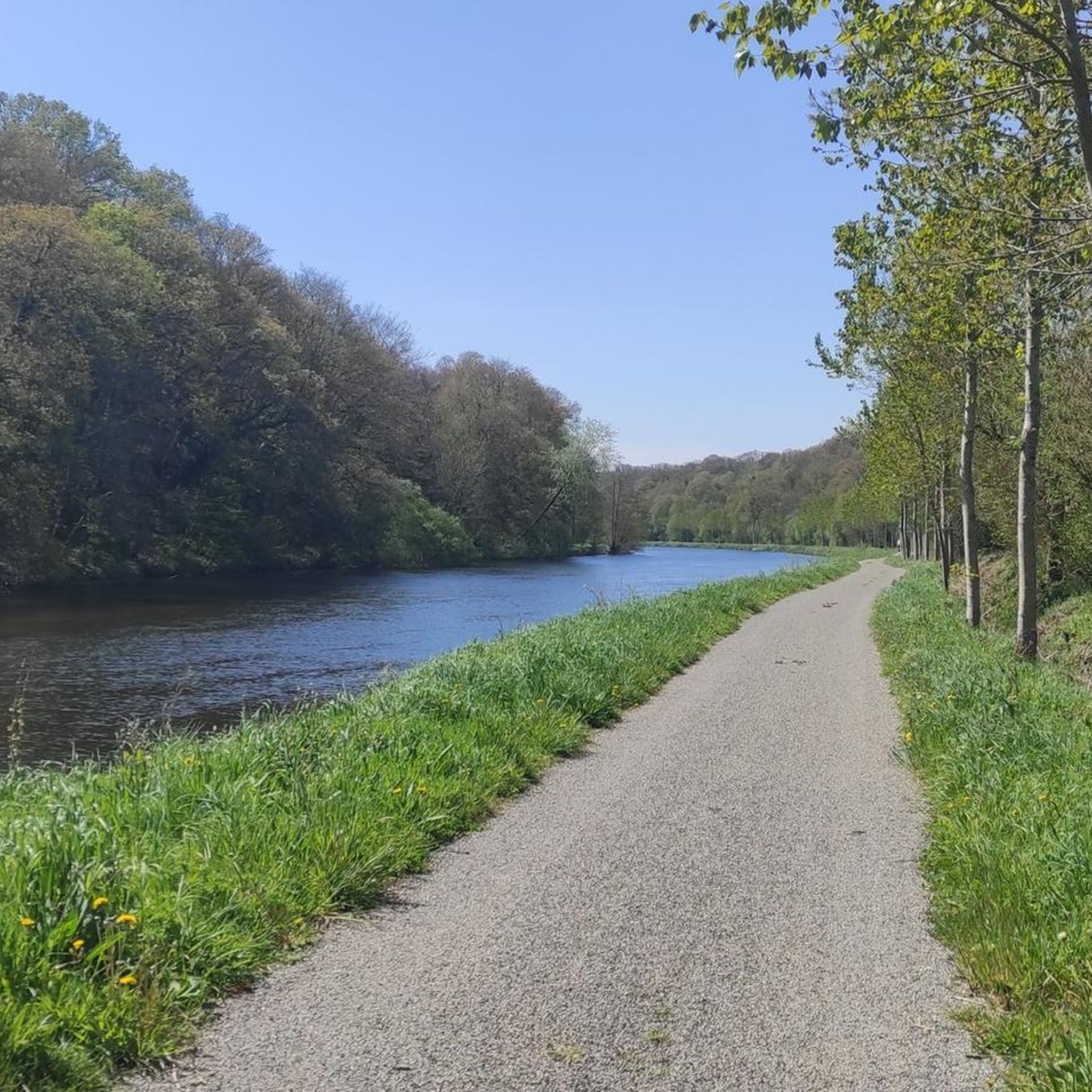
quiet place in summer easy walk along the canal
0
0

Carhaix-Plouguer (/kaʁɛ pluɡɛʁ/Note 1), commonly called Carhaix, is known to be one of the most flourishing cities of Gallo-Roman Armorica during Antiquity, then bearing the name Vorgium (Latin name of the capital of the Gallic and then Gallo-Roman people of the Osismes). It is today known for hosting, since 1992, the Vieilles Charrues festival, one of the main music festivals in Europe.
0
0
On this square in La Tour-d’Auvergne in Carhaix, the convent of the Hospitallers once stood. The Notre-Dame des Grâces chapel, located near the Post Office, is the last vestige. Victim in 1875 of a fire which almost destroyed it, the hospital was definitively abandoned in 1920 and its ruins were completely leveled. Probably used as a fairground since the Middle Ages, this ancient square adjoined the moat of the Carhaix castle. It was in 1841 that the bronze statue executed by the sculptor Charles Marochetti of Théophile Malo Corret de La-Tour-d'Auvergne was erected. This place was also called Martroy or Martret, a term which means market in old French. It therefore logically had to fulfill this function. Logical, given its location in the city.
0
0

Bathed by the Alder, the town of Châteauneuf-du-Faou is an ideal stopover on the Nantes-Brest canal. Below, a campsite and a bistro await you. If you want more, you can always tackle the steep climb that brings you downtown. The shops are more numerous there and, on Thursday afternoon, the weekly market is held there.
1
0

This huge church is particularly eye-catching, lying in the heart of Carhaix. You can pause here to admire it's twin doors and fantastic architecture.
0
0

Historic ensemble centered on the old city chateau, next to the monastery of the hospitalière order
0
0

Small bridge whose arc forms a semicircle, and whose reflection perfectly completes the circle. A beautiful shot to take along the Vélodyssée greenway.
0
0
Frequently Asked Questions
What historical landmarks can I explore in and around Spézet?
Spézet is rich in history. You can visit the Chapelle Notre-Dame-du-Crann, a classified historical monument from 1535, known for its stained-glass windows and altarpieces. The Église Saint-Pierre, built between 1709 and 1719, and a 16th-century Ossuary next to it are also notable. Don't miss the megalithic sites like the Alignement des menhirs du "Bois du Duc" and Allée couverte de Kerbasquet for a glimpse into the region's prehistoric past. Further afield, Carhaix-Plouguer is a historical site known for its Gallo-Roman past.
Are there any natural attractions or viewpoints near Spézet?
Absolutely! Spézet is nestled within the Montagnes Noires (Black Mountains). The highest point, Roc'h Toullaëron, offers panoramic views. Another great viewpoint is the Éperon rocheux de Kudel, where you'll find the "Notre-Dame-des-Montagnes-Noires" statue. The Bois de Toulaëron is a significant natural woodland, and the Tourbière de Kudel is a unique peat bog. The nearby Nantes-Brest Canal also offers scenic views and opportunities for walks.
What outdoor activities can I do near Spézet's attractions?
The area around Spézet is excellent for outdoor activities. You can enjoy various cycling routes, including mountain biking, road cycling, and gravel biking. For example, there are routes like the 'Rocher de la vierge loop from Spézet' for MTB, or the 'Toullaeron Pass loop from Spézet' for road cycling. Many of these routes utilize the scenic Nantes-Brest Canal. You can find more details on these and other routes in the MTB Trails around Spézet, Road Cycling Routes around Spézet, and Gravel biking around Spézet guides.
Are there family-friendly attractions or activities in Spézet?
Yes, Spézet offers several family-friendly options. The Stone Arch Bridge on the Nantes–Brest Canal is a great spot for a family photo and a gentle walk along the Vélodyssée greenway. Exploring the restored Fours à pain (Bread Ovens) can be an interesting educational activity. The Circuit découverte du patrimoine, a 3.2 km walking trail with informational panels, is also suitable for families to learn about local heritage.
What cultural experiences does Spézet offer?
Spézet has a vibrant cultural scene. The Pôle culturel de la « Maison bleue » hosts exhibitions, such as "Histoires de beurre," showcasing the region's butter-making heritage. The commune is also known for its various cultural and festive events, including the Fêtes de la Montagne, which celebrates local music, dance, and traditions. The Chapelle Notre-Dame-du-Crann is famous for its "pardon du beurre," a unique local tradition.
What is the best time of year to visit Spézet for outdoor activities?
The period from May 15th to September 22nd is generally ideal for visiting Spézet, as many attractions like the Chapelle Notre-Dame-du-Crann are open daily during this time. The warmer months are also perfect for exploring the Montagnes Noires, walking along the Nantes-Brest Canal, and enjoying the various cycling routes when the weather is most favorable.
Where can I find information about local heritage walks in Spézet?
You can embark on the Circuit découverte du patrimoine, a 3.2 km walking trail that starts from Place Roundwood. This trail features 11 informational panels that provide insights into Spézet's local heritage, making it a great way to explore the area's history and culture on foot.
Are there any castles or manors to visit near Spézet?
Yes, Spézet and its surroundings feature several historical manors and a notable castle. Within Spézet, you can find the Château du Menez-Kamm and the Manoir du Bois Garin. Just 8 km away, the Château de Trévarez is also a recommended visit, known for its remarkable gardens. Additionally, Châteauneuf-du-Faou, a town with a castle, serves as an ideal stopover on the Nantes-Brest canal.
What is special about the Chapelle Notre-Dame-du-Crann?
The Chapelle Notre-Dame-du-Crann, dating back to 1535, is a classified historical monument. It is particularly renowned for its exquisite 16th-century stained-glass windows and two magnificent polychrome wooden altarpieces. It also hosts the unique "pardon du beurre" (butter pardon), one of Brittany's last, where a sculpted butter mound is displayed on the altar of St. Laurent.
What is there to see in <a href="https://www.komoot.com/highlight/2331584" target="_blank" rel="noopener">Châteauneuf-du-Faou</a>?
Châteauneuf-du-Faou is a charming town bathed by the Alder river, making it an ideal stopover on the Nantes-Brest Canal. It offers a campsite and bistro, and its downtown area has shops and a weekly market on Thursday afternoons. It's a quiet place perfect for a break or a walk along the canal.
What is the significance of <a href="https://www.komoot.com/highlight/461800" target="_blank" rel="noopener">Carhaix-Plouguer</a>?
Carhaix-Plouguer, often called Carhaix, was one of the most flourishing cities of Gallo-Roman Armorica in Antiquity, known then as Vorgium. Today, it is famous for hosting the Vieilles Charrues festival, one of Europe's major music festivals. The town also features historical architecture, including the imposing Saint-Tremeur Church and the historic Place de la Tour d'Auvergne.
Can I find any unique natural features like peat bogs near Spézet?
Yes, Spézet is home to the Tourbière de Kudel, a significant peat bog identified as part of the commune's natural heritage. This unique ecosystem offers a different natural experience compared to the woodlands and mountains in the area.
Are there any forests worth visiting near Spézet?
Beyond the local Bois de Toulaëron, the ancient Huelgoat Forest is highly recommended for a visit, located about 19 km from Spézet. It's known for its unique rock formations and mystical atmosphere, making it a popular destination for nature lovers.

Get inspired with the komoot mobile app


Explore more
Still not found the Highlight you’re looking for? See guides of the top attractions in other regions:
