Top 3 Castles around Plouzané
Best castles around Plouzané are primarily coastal fortifications and historical manors, reflecting the region's strategic importance and rich heritage. Located near the Goulet de Brest, the area features structures ranging from medieval origins to 19th-century military installations. These sites offer insights into coastal defense strategies and local architectural evolution. The commune and its surroundings provide a diverse array of historical sites for exploration.
Best castles around Plouzané
- The most popular castles is Fort des Capucins, a historical site known…
Last updated: July 1, 2026
Fort des Capucins
Highlight • Historical Site
Translated by Google •
Tip by

Fort Bertheaume
Highlight • Castle
Information: fort-de-bertheaume.bzh
Translated by Google •
Tip by

Sign up now to discover places like this
Get recommendations on the best single tracks, peaks, & plenty of other exciting outdoor places.
Sign up for free
Fort at Pointe des Espagnols
Highlight • Monument
Translated by Google •
Tip by

Fort Robert
Highlight • Castle
Translated by Google •
Tip by

Manoir de Keroual
Highlight • Historical Site
Translated by Google •
Tip by
Sign up for free to discover even more castles around Plouzané.
Sign up for free
Already have an account?
Start today with a free account
Your next adventure awaits.
Login or Signup
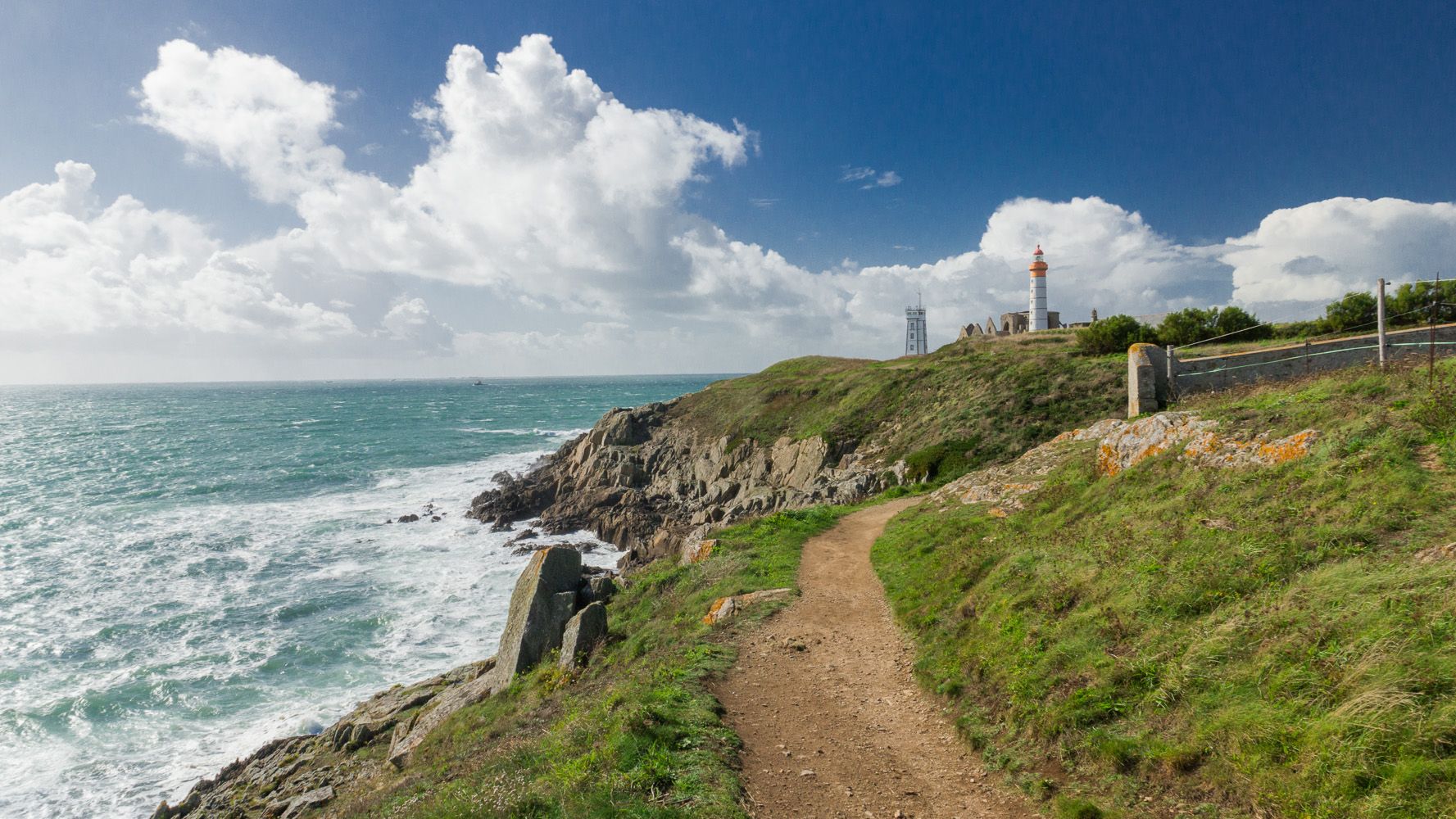
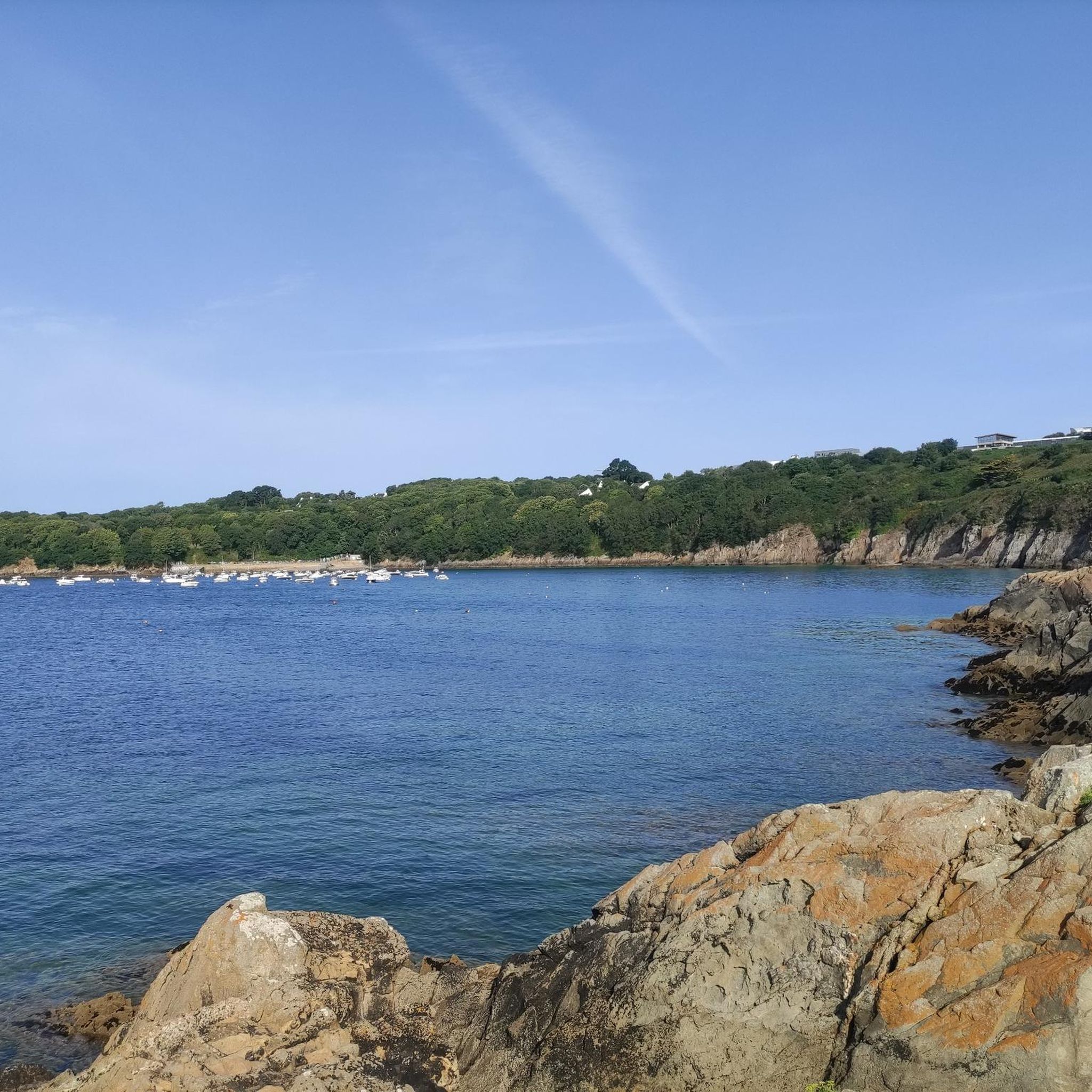
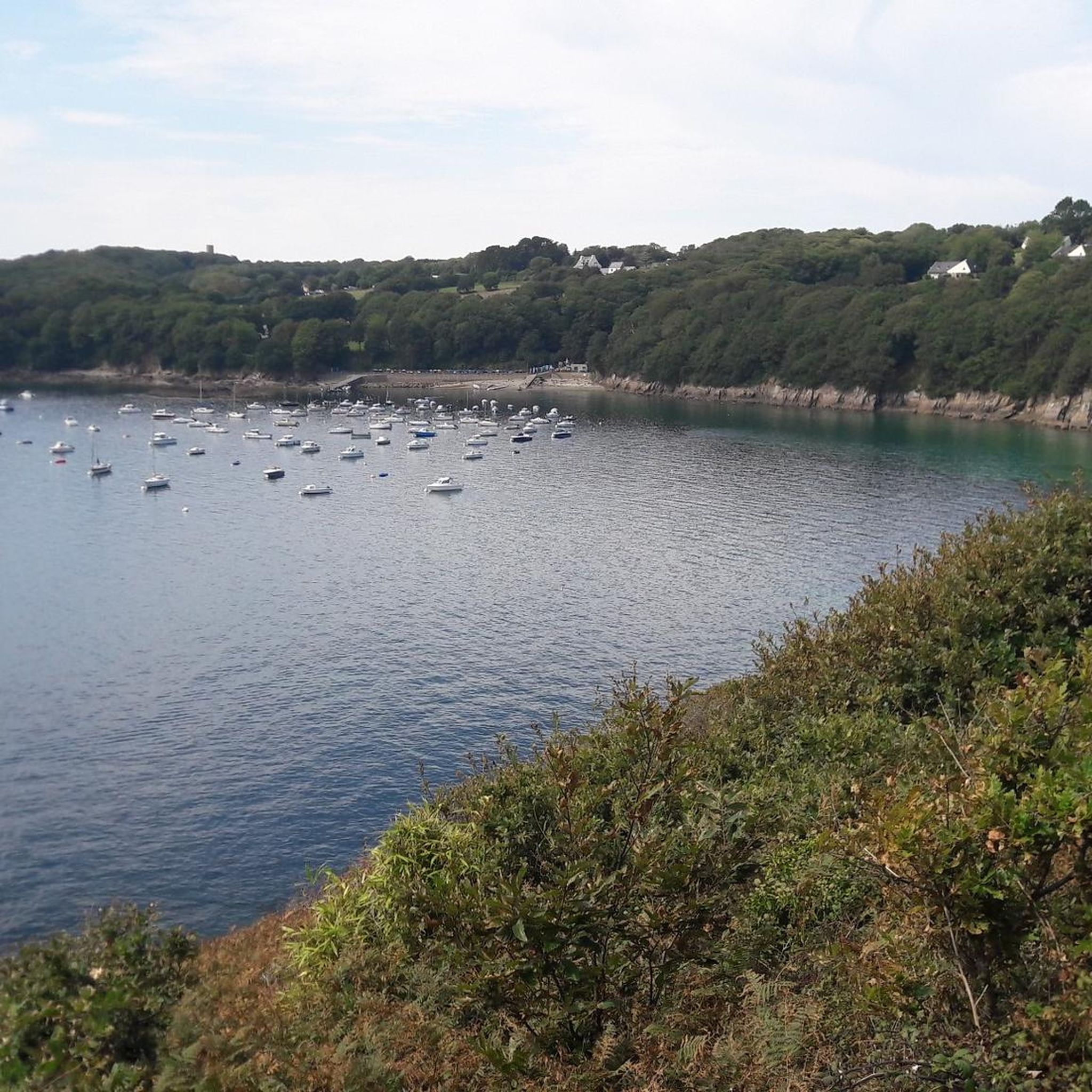
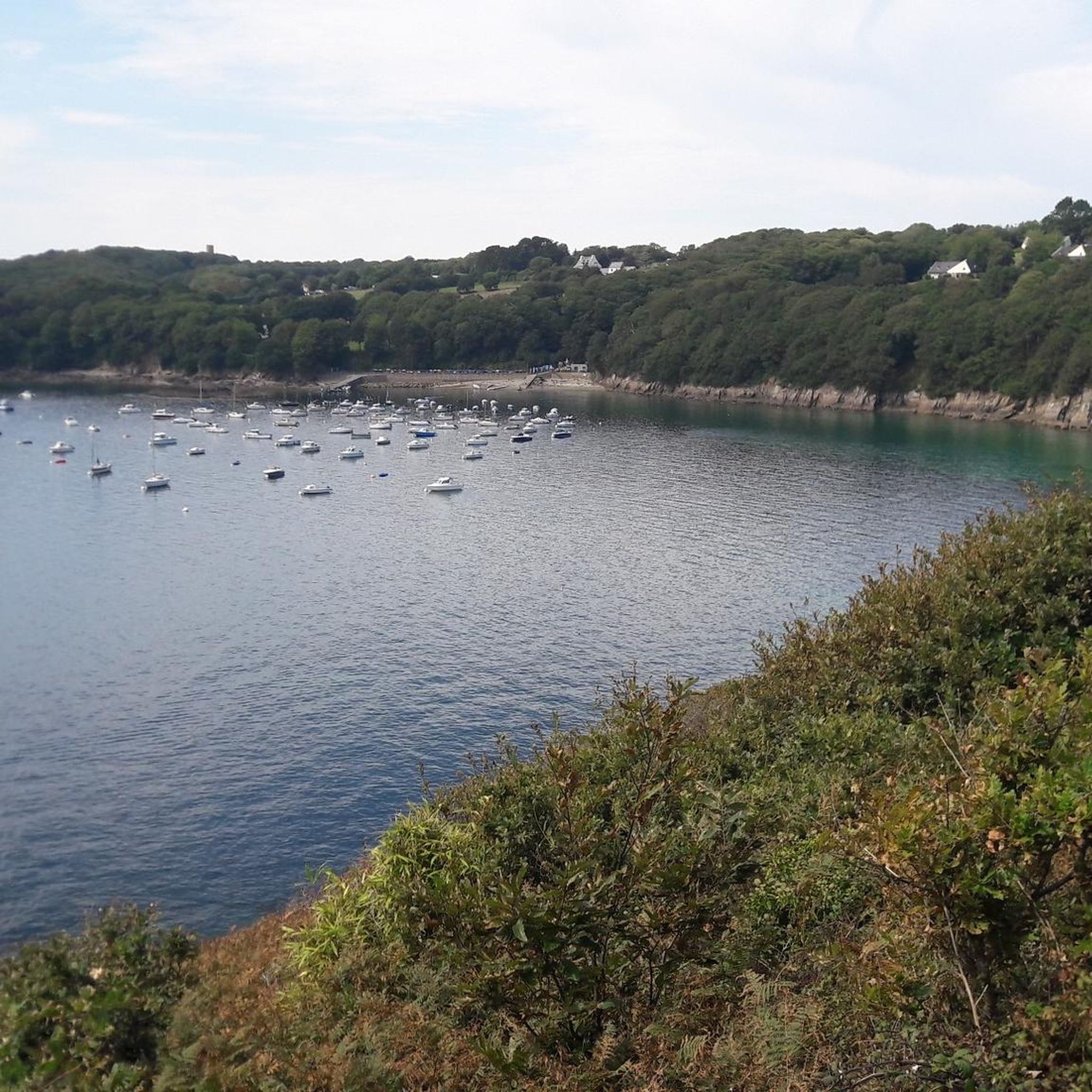
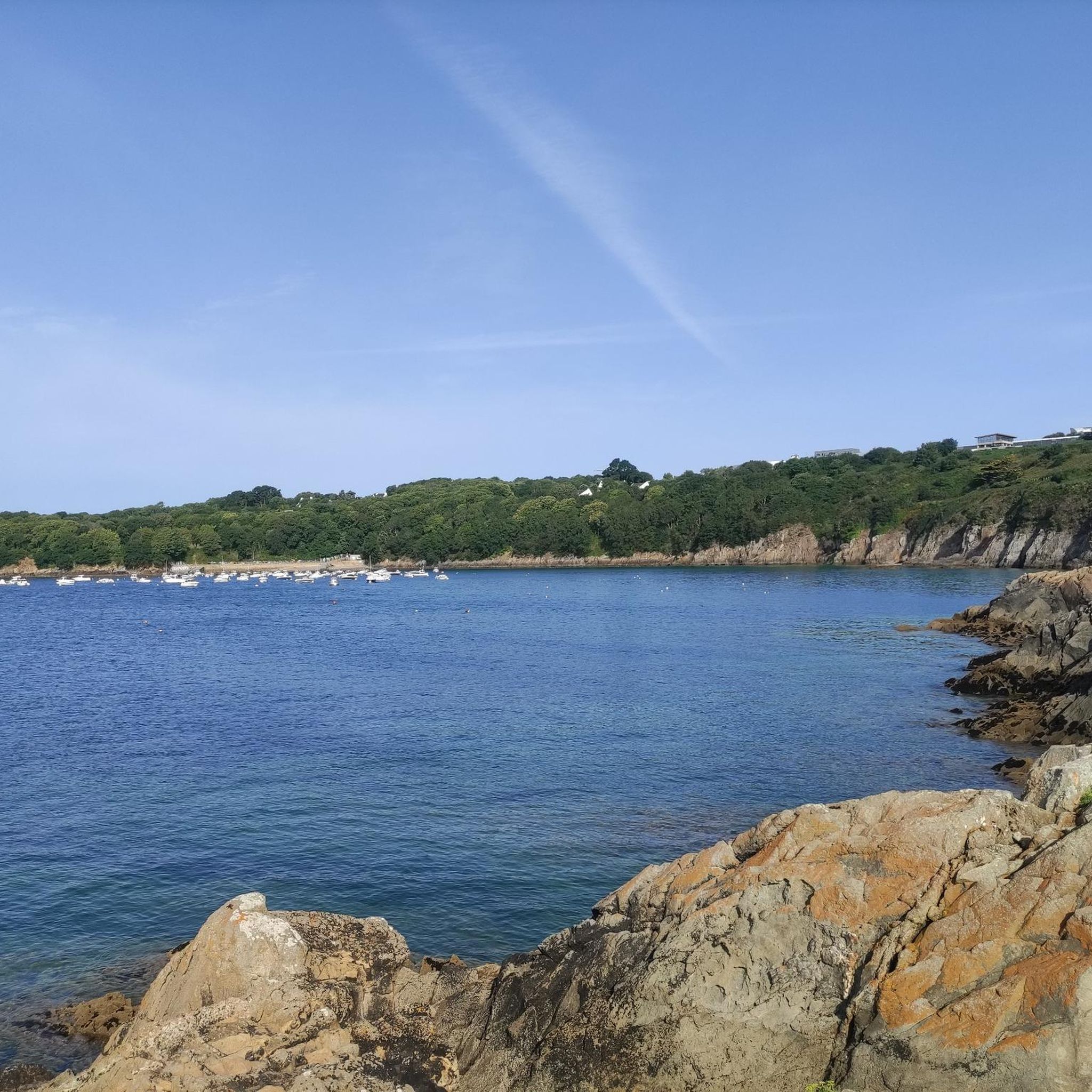

Other adventures around Plouzané

Tips from the Community

Certainly a historically interesting fortification.
0
0
The fort dates back to the 19th century and takes its name from a rock that is said to look like a praying monk - an impressive backdrop in any case.
1
0


When Napoleon I noted the problems with the defense of the French coasts, he decided to implement a vast fortification program. About a hundred standardized structures, known as "model towers and redoubts of 1811", were to be built. One of them was erected in 1812 at Pointe des Espagnols. The point evolved with the performance of artillery, and the fortifications were improved until the end of the 19th century. The model tower remained unchanged until the German occupation. The Germans deployed numerous bunkers in the perimeter and razed the fort's firing platform, depriving it of its parapets and bretaches. https://www.cestenfrance.fr/fort-de-la-pointe-des-espagnols-1812/
0
0


Built by Vauban in the 17th century on a rocky islet to monitor the port of Brest. Its geographical position allows it to always have an eye on the entrance to the Goulet de Brest, an arm of the sea which connects the harbor of Brest to the Atlantic Ocean. Today the fort is accessible by a footbridge and can be visited in summer. For many centuries, the harbor of Brest attracted the desires of invaders. Since the Middle Ages, protection posts have been set up on the coasts to control its entry. The most effective of them: Bertheaume, a rocky islet located thirty meters from the shore, in Plougonvelin. In the 17th century, around 1690, at the request of Louis XIV, Vauban built a formidable fort there, which would be used militarily until 1944.
0
0

One of 45 forts and batteries located along the Iroise coast, Fort de Bertheaume was built in 1689 to guard the entrance to the Goulet de Brest. A footbridge connects the islet to the mainland.
1
0

Beautiful trails at this point. The outpost at the fort has a climbing course and long zipline.
1
0
Frequently Asked Questions
What types of historical sites can I expect to find around Plouzané?
The Plouzané area is rich in coastal fortifications and historical manors, rather than traditional fairy-tale castles. These sites reflect the region's strategic importance for defense and its agricultural history, offering a glimpse into military architecture from the 17th to 19th centuries, as well as medieval and 16th-century manor houses.
Are there any family-friendly castles or forts to visit near Plouzané?
Yes, several sites are great for families. Fort Bertheaume offers guided tours and summer activities like 'accroroche' and zip-lining. The Fort at Pointe des Espagnols is also considered family-friendly and provides an educational historical visit. Additionally, Manoir de Keroual has a magnificent park that families can enjoy.
Which sites offer the best historical insights into the region's past?
For deep historical insights, the Fort at Pointe des Espagnols is excellent, showcasing coastal defense strategies from Napoleon I's era through WWII. Fort Bertheaume, dating back to the 17th century, also played a crucial role in guarding the Goulet de Brest. For medieval history, the Manoir de Kerscao, a protected Historical Monument, offers a glimpse into earlier periods of regional architecture.
Are there any castles or forts with impressive views?
Absolutely. Fort Bertheaume provides stunning panoramic views over the Goulet de Brest. Fort des Capucins is known for its picturesque setting on a rock, offering a visually striking experience. Fort Dellec also features belvederes with excellent views of boats arriving in the Brest gully.
What are some unique or 'hidden gem' historical sites in the area?
The Manoir de Coaténez, also known as 'Château du Diable,' is a unique site steeped in local legend with distinctive Gothic architectural elements. Fort des Capucins, while popular, is sometimes described as attracting less attention than it deserves, despite its dramatic setting on a built rock.
Can I combine a visit to a historical site with outdoor activities?
Yes, many sites are located along the coast, offering opportunities for walks. For more structured outdoor activities, you can find various routes nearby. For example, there are numerous running trails, gravel biking routes, and road cycling routes around Plouzané that can be explored before or after visiting a fort or manor.
Is there a more traditional large-scale castle nearby?
While Plouzané itself features forts and manors, the nearby city of Brest is home to the Château de Brest. This impressive fortress offers over 1700 years of history, from Roman times to a Vauban citadel, and houses the National Navy Museum. You can learn more about it on Wikipedia.
What is the best time of year to visit the castles and forts around Plouzané?
The summer months are generally ideal for visiting, as many sites like Fort Bertheaume offer guided tours and additional activities. The weather is also more favorable for exploring the coastal locations and their panoramic views. However, the historical significance and dramatic settings can be appreciated year-round.
Are there any sites that host cultural events?
Yes, Fort Dellec, now open to the public, functions as a cultural and recreational space. It regularly hosts festivities, including musical and artistic evenings. The Manoir de Keroual also has an artistic vocation and is known to host events like the Astropolis electronic music festival.
What kind of military history can I learn about at these sites?
The coastal forts like Fort Bertheaume, Fort at Pointe des Espagnols, and Fort Dellec provide extensive insights into coastal defense strategies. They showcase fortifications from the 17th century, Napoleon I's vast defense programs, and their roles during WWII, including occupation by German forces and the evolution of artillery defenses.
Are there any sites that are particularly good for photography?
The dramatic setting of Fort des Capucins on a built rock makes it an excellent spot for photography, capturing the rugged beauty of the Breton coast combined with military architecture. The panoramic views from Fort Bertheaume also offer fantastic photo opportunities.
Most popular routes around Plouzané
Most popular attractions around Plouzané

Get inspired with the komoot mobile app


Explore more
Looking for the best castles somewhere else? Discover other guides around Plouzané:
