Attractions and Places To See around Biville - Top 20
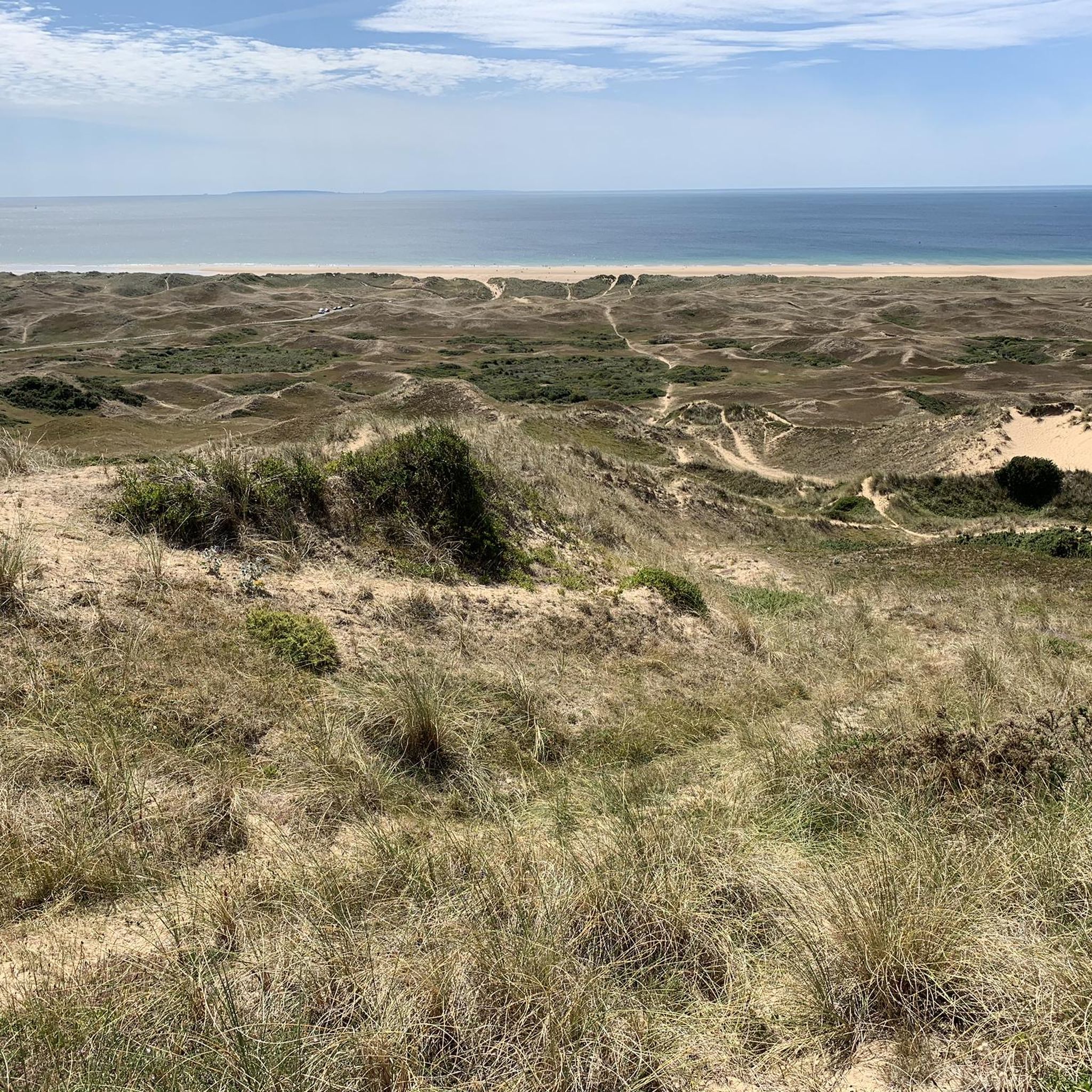
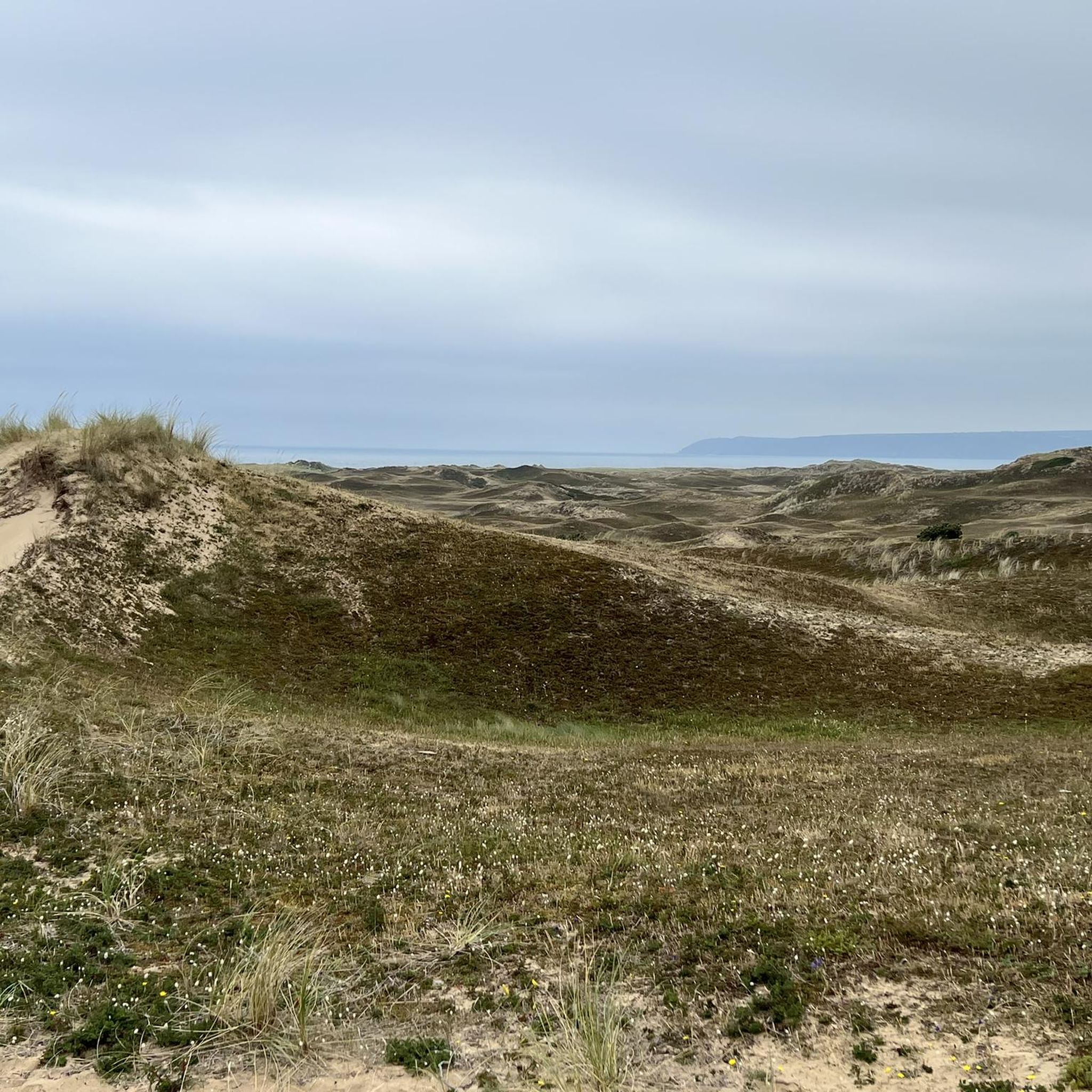
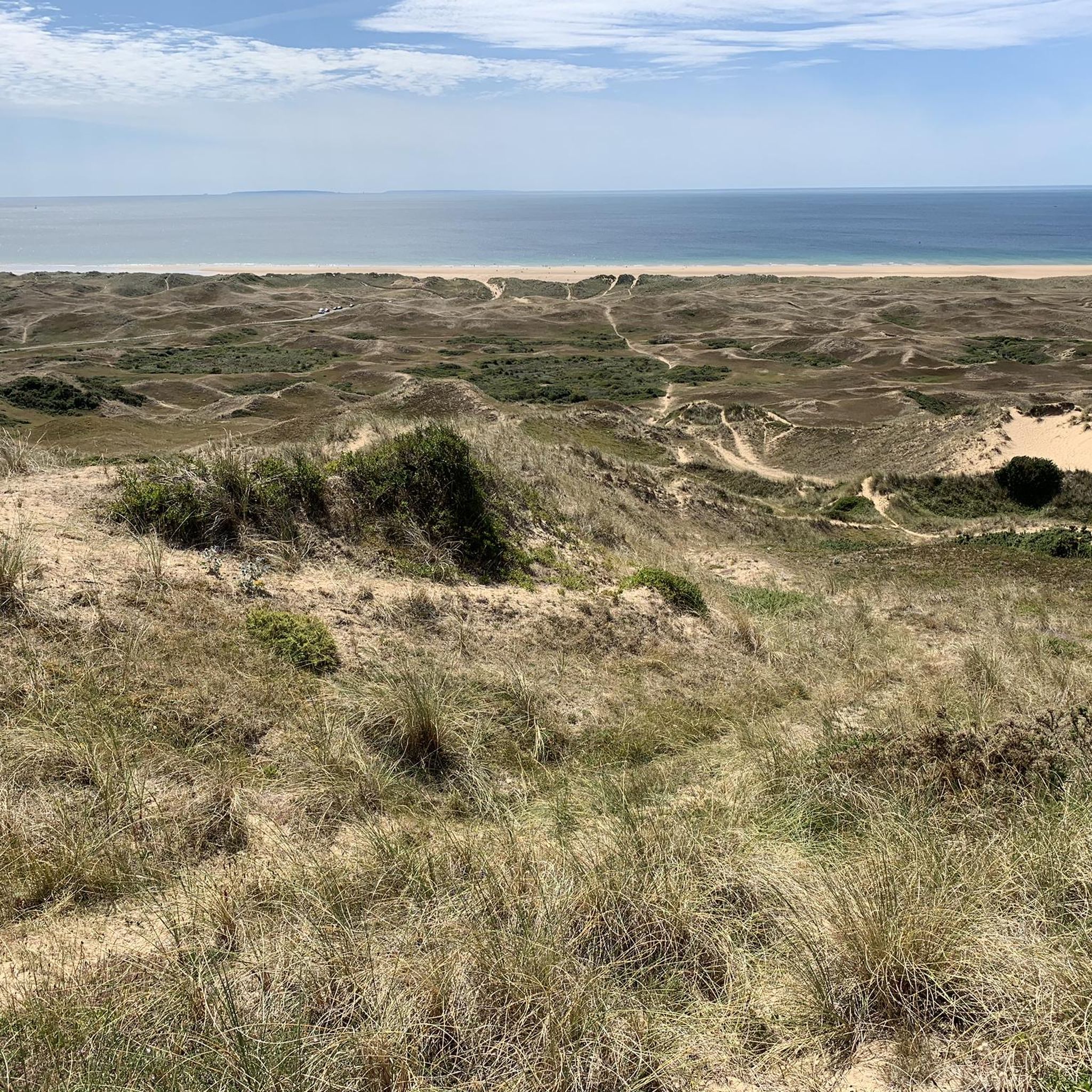
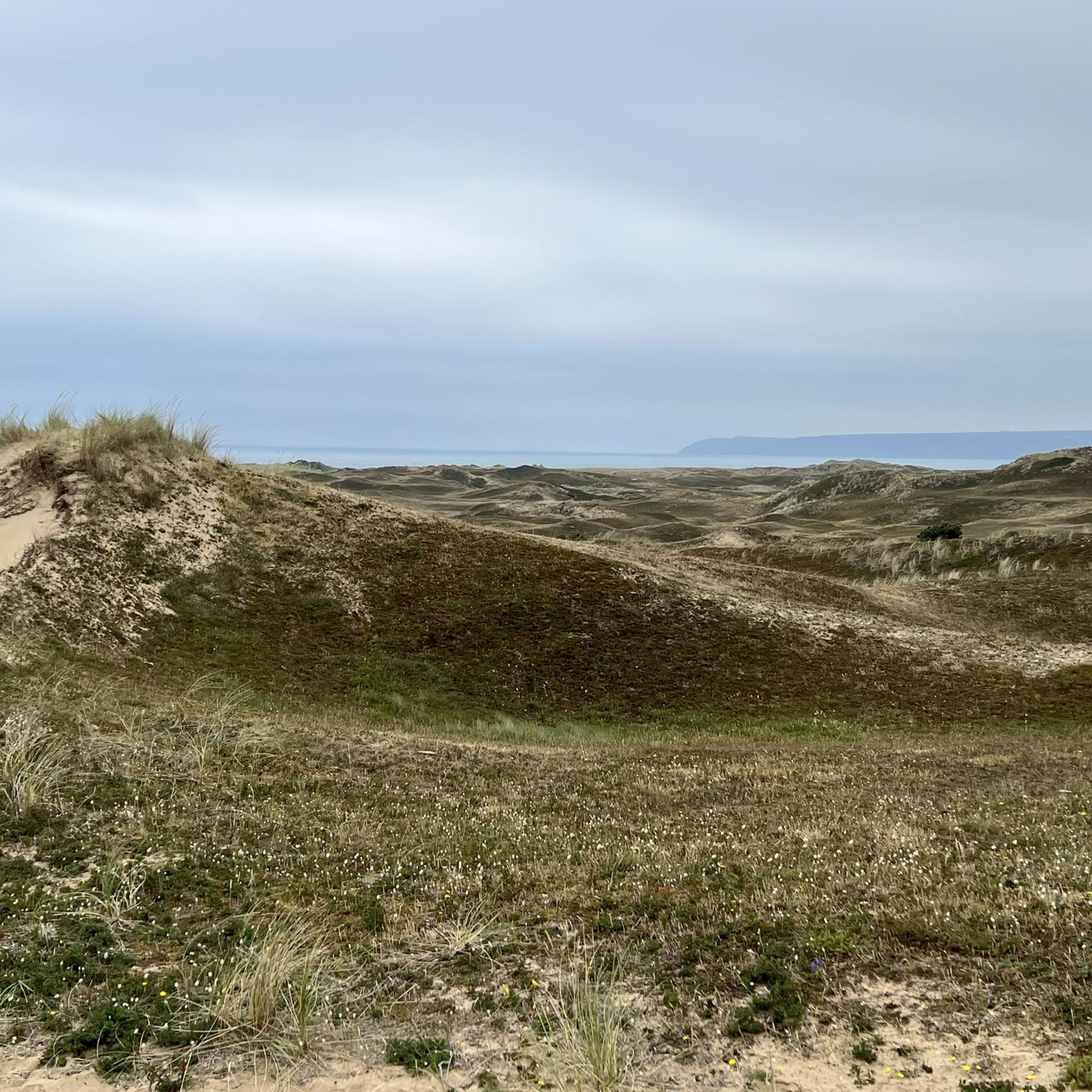
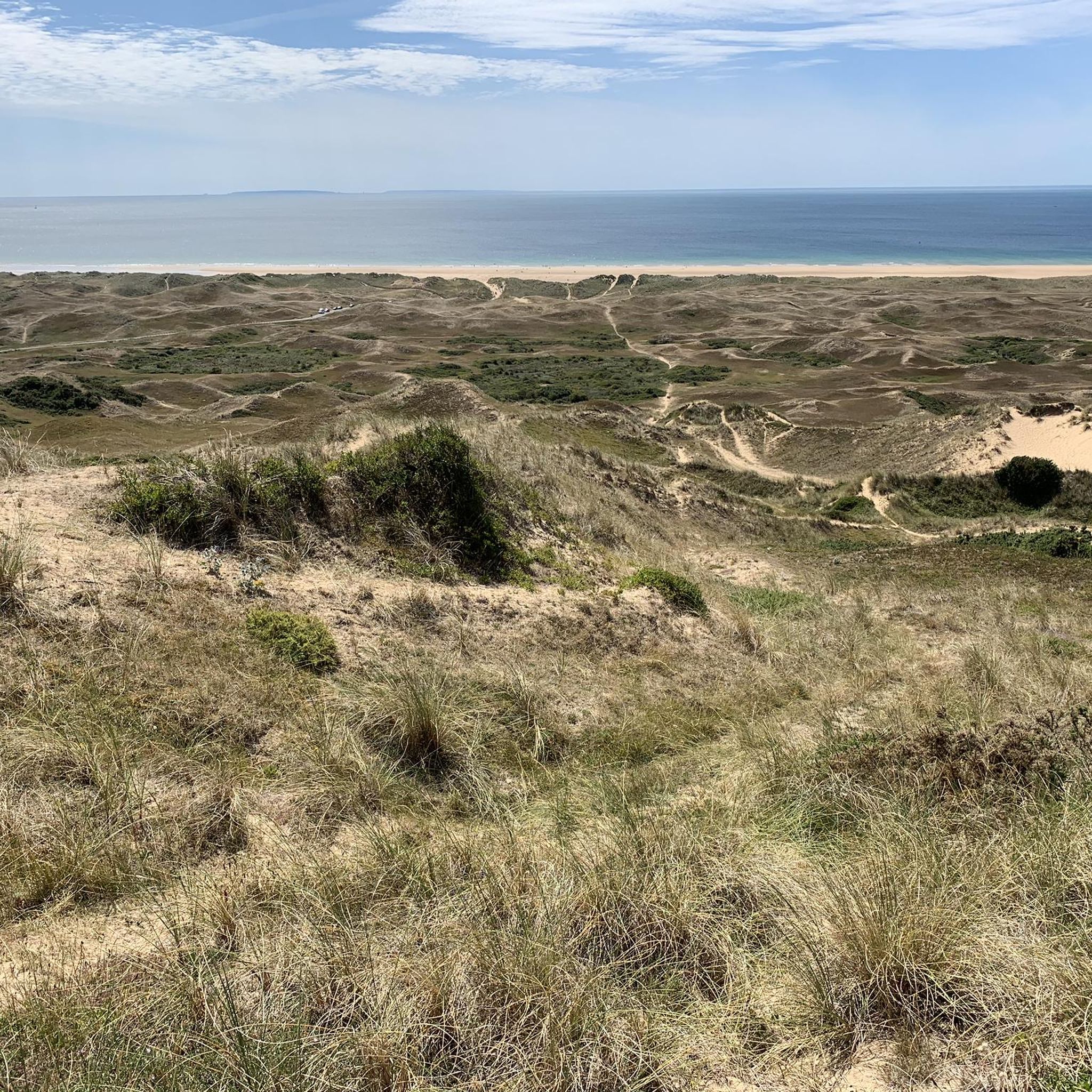
Best attractions and places to see around Biville include a diverse range of natural landscapes and historical sites within the Manche department of Normandy, France. The region is characterized by its distinctive natural features, such as the extensive Dunes of Biville, and traditional architecture built from grey granite. Visitors can explore significant historical landmarks and enjoy outdoor activities along the coast.
Best attractions and places to see around Biville
- The most popular attractions is Vauville Pond Nature Reserve, a…
Last updated: July 6, 2026
Manoir du Dur-Écu
Highlight • Castle
Translated by Google •
Tip by

Omonville-la-Rogue
Highlight • Other
Translated by Google •
Tip by

Sign up now to discover places like this
Get recommendations on the best single tracks, peaks, & plenty of other exciting outdoor places.
Sign up for free
Vauville Pond Nature Reserve
Highlight • Natural Monument
Translated by Google •
Tip by

Pierres Pouquelées Covered Passage
Highlight • Historical Site
Translated by Google •
Tip by

Along the customs path
Highlight (Segment) • Other
Translated by Google •
Tip by
Sign up for free to discover even more attractions around Biville.
Sign up for free
Already have an account?
Start today with a free account
Your next adventure awaits.
Login or Signup

Tips from the Community


This ancient tomb is partly collapsed. A covered walkway was always covered with stones or earth. What you can see now is what remains of the structure of this Neolithic monument. This dolmen is dated 4,500 years before present time. You have a beautiful 360 degree view when you are on site.
1
0

Imposing manor house, made up of ten buildings with three mills and a dovecote, for architecture and history buffs, it is worth the detour!
1
0

Omonville-la-Rogue has a rich history and heritage, dating back to the Middle Ages. It owes its name to a Viking settler named Osmundr, who owned an estate there. The suffix -la-Rogue comes from a family name, Rogues, which was probably linked to the lord of the place. The village has several historical monuments, such as the Saint-Martin church, built in the 12th century, the Omonville-la-Rogue fort, built in the 17th century, and the Tourp manor, built in the 18th century. The village is also known for its natural beauty and its port, called le Hâble. The port is one of the few on this rugged coast, and it is the smallest port in France. It is a popular destination for sailors and fishermen, as well as tourists who want to enjoy the scenery and tranquility. The village is surrounded by green hills and valleys, where there are old water mills and lush vegetation.
2
0

It was rebuilt in the 16th century on older foundations, in a stronghold cited in the 14th century. It consists of ten buildings, including three mills, and a granite and blue stone dovecote with 2,000 balls. Its raison d'être is its positioning on the edge of the old royal path leading to the Hague, where this path moves away from the strike to climb the first cliffs. The legend attributes its name to a warlike episode during which William the Conqueror would have had his life saved by Robert Le Fort who protected him with his shield (it was then said a shield) Source: Wikimanche
1
0

More information at https://www.durecu.com/
0
0

This partly 16th-century country house with its strangely grouped towers was later built on the 9th-century foundations. Only the courtyard and the dovecote of the complex are accessible to the public. The labyrinth in the cornfield opposite the mansion, on the other hand, can be explored at will.
2
0

The Pierres Pouquelées are a Neolithic covered walkway dating around 4500 BC. There is a beautiful view of Vauville and the Manche The covered walkway faces north-west/south-east. Very ruined, it is currently 14.50 m long for an interior width of about 1.25 m and an exterior width of 2.40 m for a height under the table of 1.20 m. The entrance appears to be sideways to the southwest. The slabs are in quartz sandstone, except for two cover tables which are in granite and probably come from a site 3 km away, located at sea level. The covered walkway was excavated in 1755, before the covering tables were removed, by the Royal Academic Society of Cherbourg. At the beginning of the 19th century (around 1830), the cover tables were recovered by the inhabitants in order to build a bridge. Alerted, the sub-prefect of Valognes ordered it to be put back in place, but the blocks were simply deposited on the site: they are certainly those lying on the ground a few meters from the alley1. A good part of the orthostats disappeared in 1833.
1
0
Frequently Asked Questions
What natural features can I explore around Biville?
Biville is renowned for its natural landscapes. You can explore the extensive Dunes of Biville, one of Europe's oldest dune massifs, offering serene walks and diverse flora. Another significant natural site is the Vauville Pond Nature Reserve, where you can observe various plant and animal life, including colorful dragonflies and bird species from a dedicated observatory.
Are there any historical sites or cultural landmarks to visit in the area?
Yes, the region boasts several historical and cultural sites. The Manoir du Dur-Écu is an imposing manor house with a rich history, featuring ten buildings, three mills, and a dovecote. You can also visit the Saint-Pierre Gothic Church in Biville, known for its 13th-century choir and the tomb of the Blessed Thomas Hélye. The Pierres Pouquelées Covered Passage, a Neolithic monument, offers a glimpse into ancient history with a beautiful 360-degree view.
What kind of outdoor activities can I do near Biville?
The area around Biville is excellent for outdoor activities. You can enjoy hiking and cycling along coastal paths, including sections of the "Grande Randonnée 223" (GR 223). For more specific routes, you can find various hiking trails, MTB trails, and running routes that explore the dunes, coastlines, and surrounding countryside.
Where can I find panoramic views of the coastline and surrounding areas?
For breathtaking panoramic views, head to the Calvaire des Dunes. From this elevated point, you can see the Anse de Vauville, the cliffs of Flamanville, the Nez de Jobourg, and even the Anglo-Norman islands. The Pierres Pouquelées Covered Passage also offers a beautiful 360-degree vista.
Are there any family-friendly attractions or activities in Biville?
While Biville itself is a quiet village, the surrounding area offers family-friendly options. The Vauville Pond Nature Reserve provides marked paths for observing wildlife, which can be an engaging activity for families. Additionally, the extensive Dunes of Biville are perfect for serene walks and picnics, offering plenty of space for children to explore the natural environment.
What is Omonville-la-Rogue known for?
Omonville-la-Rogue is a historic village with a rich heritage dating back to the Middle Ages. It features the 12th-century Saint-Martin church, the 17th-century Omonville-la-Rogue fort, and the 18th-century Tourp manor. It's also notable for its natural beauty and "le Hâble," recognized as the smallest port in France.
Can I observe wildlife in the Biville area?
Yes, the Vauville Pond Nature Reserve is an excellent spot for wildlife observation. It features marked paths and a dedicated observatory where you can spot diverse plant and animal life, including colorful dragonflies, green frogs, and various bird species. The Dunes of Biville also support a unique ecosystem with specific flora and fauna.
What are the best places for easy walks near Biville?
For easy walks, the marked paths within the Vauville Pond Nature Reserve are a great option. You can also find several easy hiking routes around Biville, such as the "Calvary of the Dunes loop from Biville" or the "Pond loop from La Croix Frimot," which are suitable for a relaxed stroll.
Are there any notable gardens or parks nearby?
Yes, within a short drive from Biville, you can visit several beautiful gardens and parks. These include the Jardin botanique du château de Vauville (approximately 3 km away), Parc du château de Nacqueville (about 9 km), and Parc du château des Ravalet (around 18 km).
What is the GR 223 and where can I access it?
The GR 223, also known as the "Sentier des Douaniers" or "Sentier du Littoral," is a long-distance coastal path that offers extensive hiking and cycling opportunities. It winds through picturesque landscapes, including coves, towering cliffs, and hidden karst caves. You can access sections of this path along the coast near Biville, leading down from the Dunes of Biville to the sea.
What kind of architecture can I expect to see in Biville?
Biville is characterized by its traditional architecture, featuring stout houses built of grey granite. This distinctive style is common throughout the village and the surrounding region, giving it a unique Norman charm. You can also see historical architectural examples like the Saint-Pierre Gothic Church and the Manoir du Dur-Écu.
Most popular routes around Biville
Most popular attractions around Biville

Get inspired with the komoot mobile app


Explore more
Still not found the Highlight you’re looking for? See guides of the top attractions in other regions:
