Top 5 Castles around Biville
Best castles around Biville provide insights into Normandy's diverse architectural heritage and historical contexts. The region, while not hosting large castles directly in Biville, is surrounded by notable châteaux. These historical sites range from medieval foundations to Renaissance-inspired designs, reflecting centuries of history. Visitors can explore various castles, many featuring extensive gardens and unique historical details.
Best castles around Biville
- The most popular castles is Château de Flamanville, a castle built on the remains of an 11th-century manor house.…
Last updated: July 1, 2026
Manoir du Dur-Écu
Highlight • Castle
Translated by Google •
Tip by

Château de Flamanville
Highlight • Castle
Translated by Google •
Tip by

Sign up now to discover places like this
Get recommendations on the best single tracks, peaks, & plenty of other exciting outdoor places.
Sign up for free
Vauville
Highlight • Settlement
Translated by Google •
Tip by

Vauville, its castle and its remarkable gardens
Highlight • Castle
Translated by Google •
Tip by

Vauville Botanical Garden
Highlight • Natural
Translated by Google •
Tip by

Sign up for free to discover even more castles around Biville.
Sign up for free
Already have an account?
Start today with a free account
Your next adventure awaits.
Login or Signup
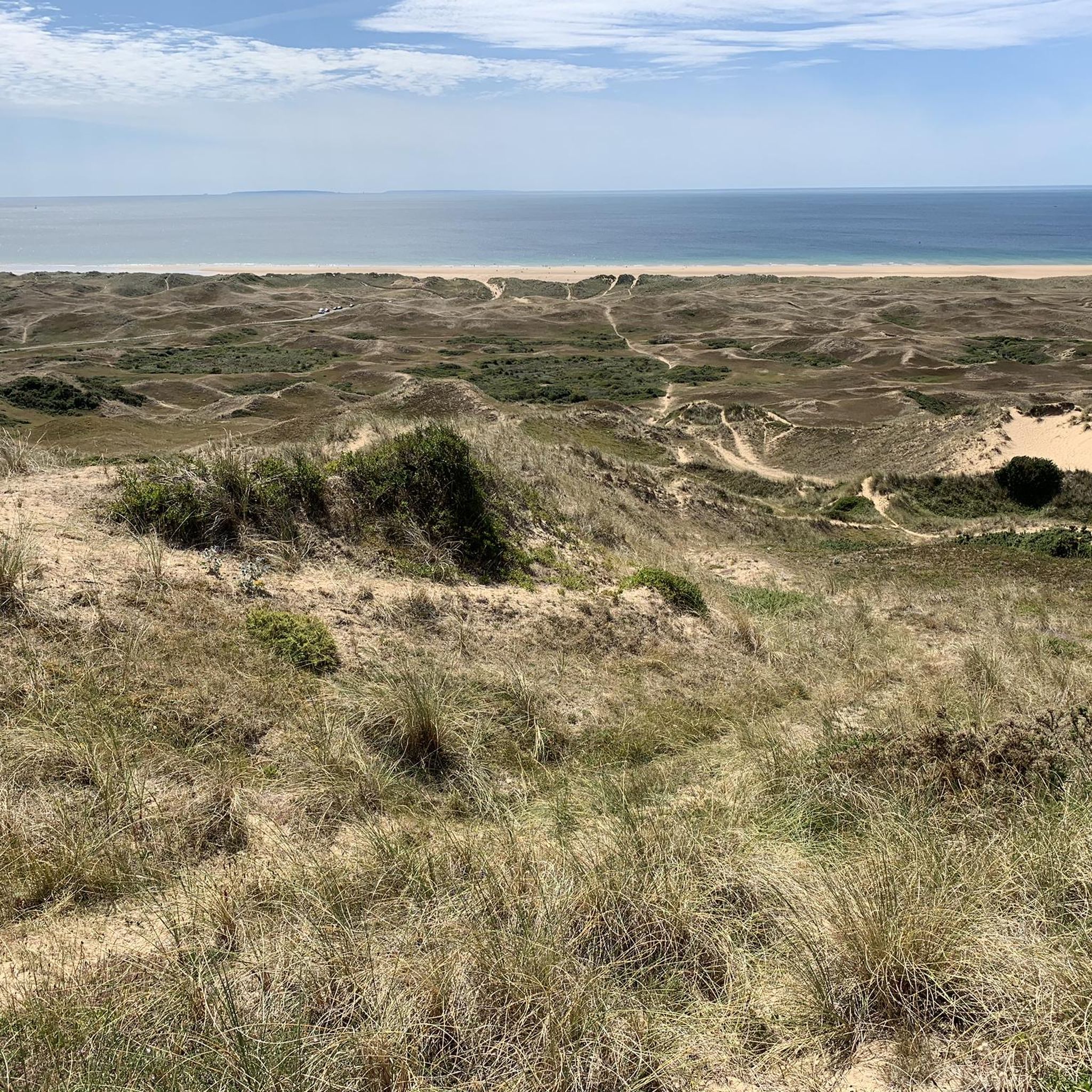
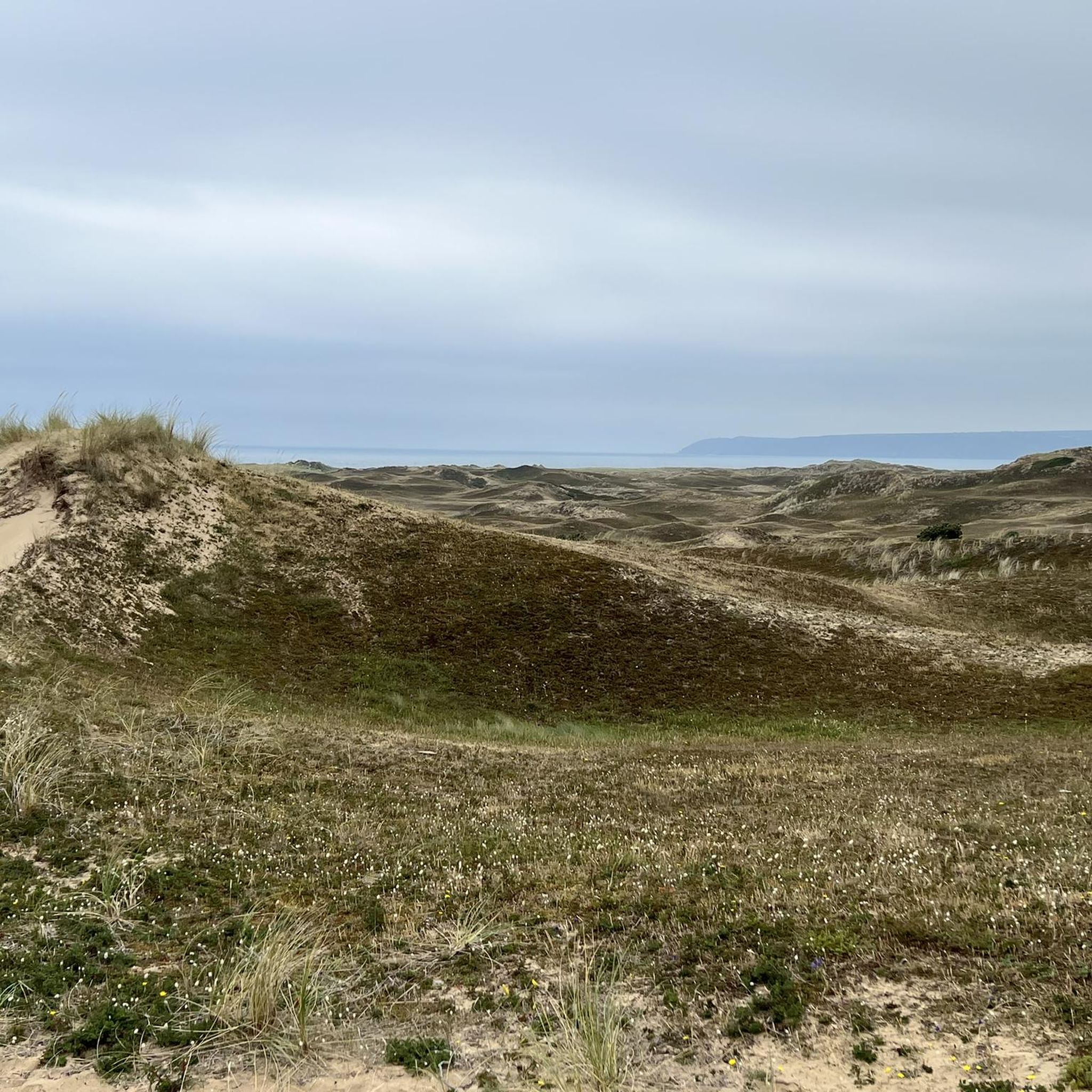
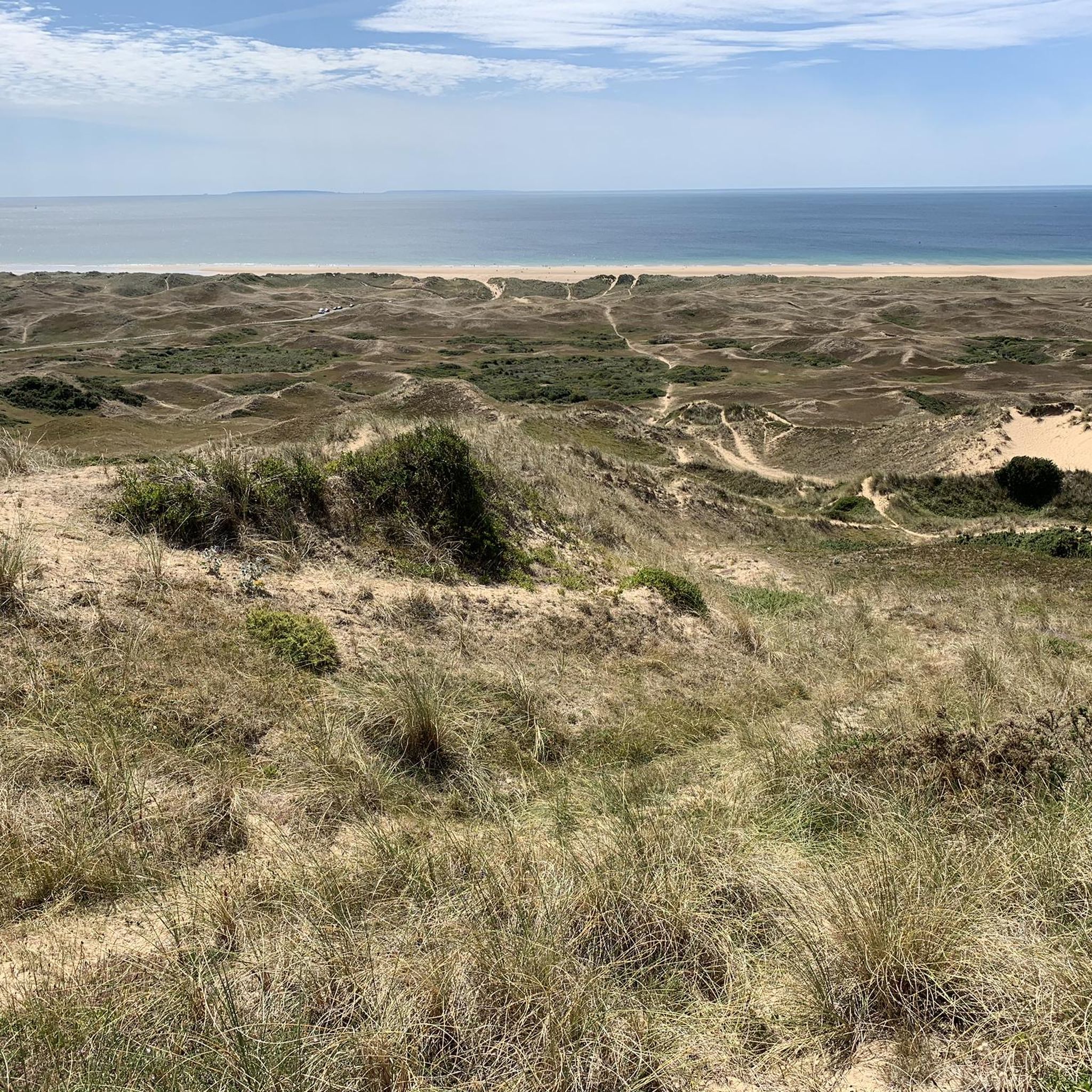
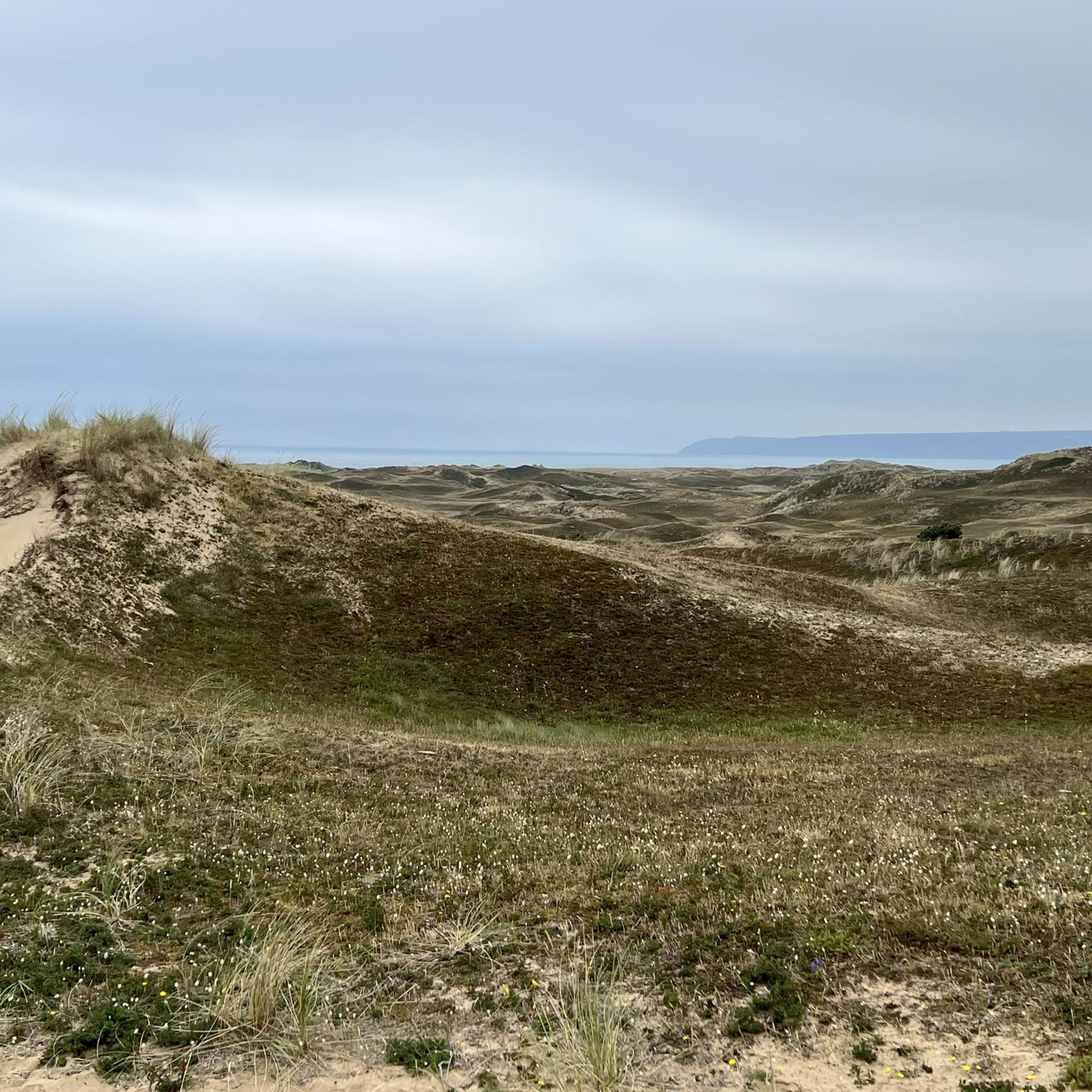

Tips from the Community


Five hectare botanical garden and animal farm. The audio guide tells a lot about the history and the plants and trees in the garden.
1
0

Imposing manor house, made up of ten buildings with three mills and a dovecote, for architecture and history buffs, it is worth the detour!
1
0

Castle from the 12th century. More info at: https://www.jardin-vauville.fr/
0
0

It was rebuilt in the 16th century on older foundations, in a stronghold cited in the 14th century. It consists of ten buildings, including three mills, and a granite and blue stone dovecote with 2,000 balls. Its raison d'être is its positioning on the edge of the old royal path leading to the Hague, where this path moves away from the strike to climb the first cliffs. The legend attributes its name to a warlike episode during which William the Conqueror would have had his life saved by Robert Le Fort who protected him with his shield (it was then said a shield) Source: Wikimanche
1
0
More information at https://www.durecu.com/
0
0

This partly 16th-century country house with its strangely grouped towers was later built on the 9th-century foundations. Only the courtyard and the dovecote of the complex are accessible to the public. The labyrinth in the cornfield opposite the mansion, on the other hand, can be explored at will.
2
0
Frequently Asked Questions
Which castles around Biville offer unique historical insights?
The region boasts several castles with rich histories. The Manoir du Dur-Écu, for instance, is a partly 16th-century country house built on 9th-century foundations, known for its strangely grouped towers. Another significant site is the Château d'Imbleville, a medieval-style castle founded in 1491 and redeveloped in the 19th century, surrounded by water gardens.
Are there castles with notable gardens near Biville?
Yes, several castles in the area are renowned for their gardens. The Château d'Imbleville features a three-hectare water garden, known locally as 'La Perle de la Saâne'. The Château de Flamanville has a dahlia garden with over 100 different species. Additionally, the Vauville castle is surrounded by remarkable gardens laid out by the Pellerin family, featuring over 1,200 plant species. The Château de Mesnil Geoffroy is particularly famous for its 10-hectare French-style park and a private rose garden with over 2,900 roses.
What kind of outdoor activities can I do near these castles?
The area around Biville offers various outdoor activities. You can find numerous hiking trails, including easy routes like the 'Calvary of the Dunes loop from Biville'. For cycling enthusiasts, there are cycling routes such as the 'Vauville – Panorama of the Thirteen Winds loop'. If you enjoy running, explore running trails like the 'Vauville Castle – Vauville loop from Biville'.
Are there family-friendly castles to visit around Biville?
Many castles in the region are suitable for families. The Château de Flamanville and the Vauville castle and its gardens are both categorized as family-friendly. The Château de Mesnil Geoffroy also offers aviaries with exotic birds and collector's hens, which can be engaging for children.
What architectural styles can I expect to see among the castles?
The castles around Biville showcase a diverse range of architectural styles. You'll find medieval-style foundations, 16th and 17th-century country houses like the Manoir du Dur-Écu, and even Renaissance-inspired designs. The Château de Bailleul, for example, built in 1543, distinctly evokes the Italian Renaissance with its square main building and projecting corner pavilions.
Which castles offer a glimpse into the daily life of historical residents?
The Château de Mesnil Geoffroy provides a unique opportunity to visit a historic monument where the princely family still resides. This allows guests to experience the furnishings and objects that have witnessed centuries of history and notable personalities, offering a more intimate look into the past.
Are there any castles near Biville that are particularly known for their natural surroundings?
Yes, the Château d'Imbleville is notable for its setting along the banks of the Saâne, surrounded by a three-hectare water garden where its ancient towers are reflected in the moats. The Vauville castle is also set within a remarkable 4-hectare garden, benefiting from the warm Gulf Stream, allowing for a diverse collection of plant species.
What do visitors enjoy most about the castles around Biville?
Visitors particularly appreciate the unique historical and architectural details of the castles, such as the imposing structure of the Manoir du Dur-Écu and the fairytale appearance of the Château de Flamanville. The extensive and beautiful gardens, like those at Vauville and Mesnil Geoffroy, are also highly valued for their beauty and variety.
Is there a castle with a dovecote near Biville?
Yes, the Manoir du Dur-Écu features a granite and blue stone dovecote with 2,000 balls, which is accessible to the public. The Château de Crasville-la-Rocquefort is also noted for its remarkable dovecote.
What is the best time to visit the castles and their gardens in the Biville area?
The spring and summer months are generally ideal for visiting the castles, especially to fully appreciate their gardens when they are in bloom. For instance, the dahlia garden at Château de Flamanville and the rose garden at Château de Mesnil Geoffroy are at their best during these seasons. The mild climate of Normandy, influenced by the Gulf Stream, also makes for pleasant exploration.
Are there any castles that are particularly well-preserved or restored?
The Château de Bailleul, constructed in 1543, suffered during the French Revolution but was restored in the 19th century and has been protected as a historical monument since 2010, indicating its well-preserved state. The Château de Flamanville is a 17th-century fairytale castle built on 11th-century remains, suggesting careful maintenance over time.
Most popular routes around Biville
Most popular attractions around Biville

Get inspired with the komoot mobile app


Explore more
Looking for the best castles somewhere else? Discover other guides around Biville:
