Top 5 Castles around Plougonvelin
Best castles around Plougonvelin are primarily historical fortifications, offering a glimpse into Brittany's strategic past. The commune, located in Finistère, France, is known for its dramatic coastal landscapes and significant military architecture. These sites are often situated on rocky islets or prominent headlands, providing expansive views of the Iroise Sea. The area's history is deeply intertwined with its defensive structures, built to protect the vital Goulet de Brest.
Best castles around Plougonvelin
- The most popular castles is Fort des Capucins…
Last updated: July 1, 2026
Fort des Capucins
Highlight • Historical Site
Translated by Google •
Tip by

Fort Bertheaume
Highlight • Castle
Information: fort-de-bertheaume.bzh
Translated by Google •
Tip by

Sign up now to discover places like this
Get recommendations on the best single tracks, peaks, & plenty of other exciting outdoor places.
Sign up for free
Maison des Seigneurs
Highlight • Historical Site
Translated by Google •
Tip by

Fort de l'Îlette
Highlight • Historical Site
Translated by Google •
Tip by

Fort Robert
Highlight • Castle
Translated by Google •
Tip by

Sign up for free to discover even more castles around Plougonvelin.
Sign up for free
Already have an account?
Start today with a free account
Your next adventure awaits.
Login or Signup
Popular around Plougonvelin
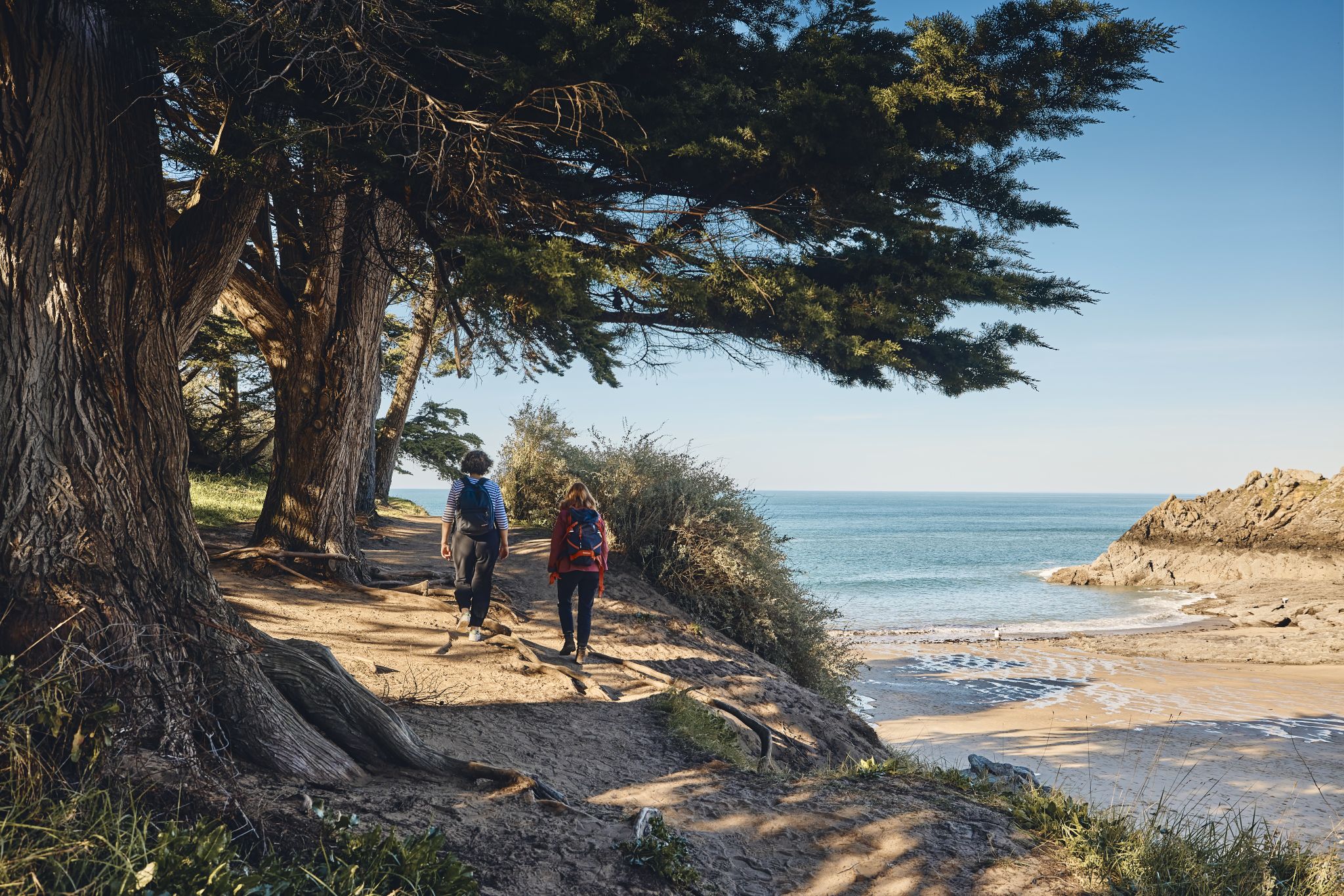
10 of the most beautiful walks in Brittany
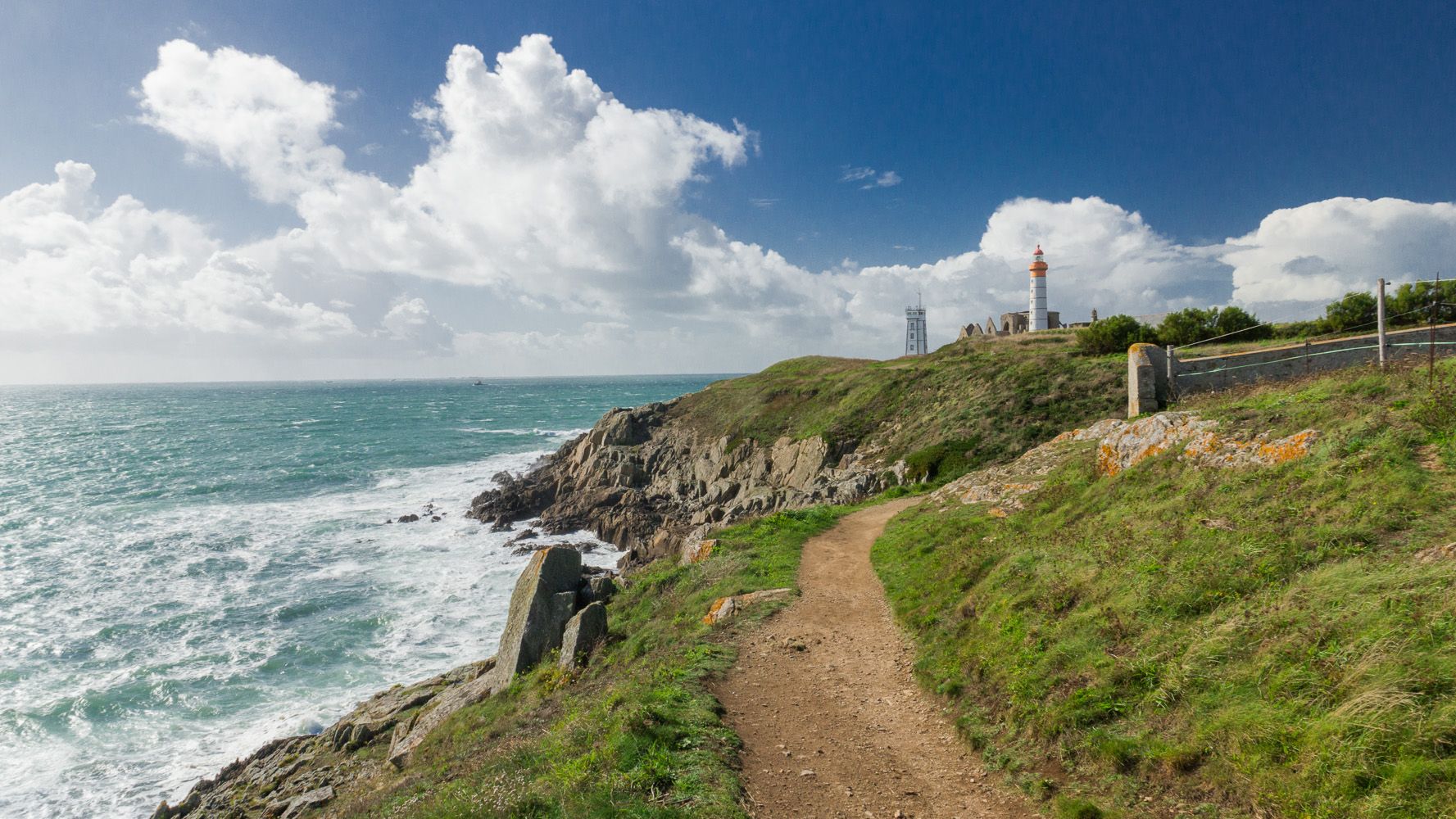
Running along the edge of the world – Trail du Bout du Monde in Finistère
Running Trails around Plougonvelin
Hiking around Plougonvelin
Cycling around Plougonvelin
Road Cycling Routes around Plougonvelin
MTB Trails around Plougonvelin

Gravel biking around Plougonvelin


Tips from the Community

The fort dates back to the 19th century and takes its name from a rock that is said to look like a praying monk - an impressive backdrop in any case.
1
0


Can be done by bike or on foot
2
0


Built by Vauban in the 17th century on a rocky islet to monitor the port of Brest. Its geographical position allows it to always have an eye on the entrance to the Goulet de Brest, an arm of the sea which connects the harbor of Brest to the Atlantic Ocean. Today the fort is accessible by a footbridge and can be visited in summer. For many centuries, the harbor of Brest attracted the desires of invaders. Since the Middle Ages, protection posts have been set up on the coasts to control its entry. The most effective of them: Bertheaume, a rocky islet located thirty meters from the shore, in Plougonvelin. In the 17th century, around 1690, at the request of Louis XIV, Vauban built a formidable fort there, which would be used militarily until 1944.
0
0

One of 45 forts and batteries located along the Iroise coast, Fort de Bertheaume was built in 1689 to guard the entrance to the Goulet de Brest. A footbridge connects the islet to the mainland.
1
0

beautiful paths on the circuit of the island - the fort is a great backdrop
2
0
Beautiful trails at this point. The outpost at the fort has a climbing course and long zipline.
1
0
Frequently Asked Questions
What kind of historical sites can I expect to see around Plougonvelin?
Around Plougonvelin, you'll primarily find impressive historical fortifications and fortified houses rather than traditional castles. These structures, like Fort Bertheaume and Fort des Capucins, showcase centuries of military engineering and strategic coastal defense, offering a deep dive into Brittany's past.
What is the historical significance of Fort de Bertheaume?
Fort Bertheaume has a rich military history, dating back to a 14th-century ducal castle. The current fort was largely constructed in the late 17th century by the renowned military engineer Vauban to protect the vital Goulet de Brest. It played a crucial role in various conflicts, including World War II, when it was incorporated into the Atlantic Wall.
Are there family-friendly activities available at these fortifications?
Yes, Fort Bertheaume is particularly family-friendly. Beyond its historical exploration, it offers adventurous activities like ziplines and a via ferrata (Accro Rocher Fun Park) since 2005, providing an exhilarating way to experience the site and its surroundings.
Which fortifications offer the best panoramic views?
Fort Bertheaume, perched dramatically on a rocky islet, offers breathtaking panoramic views of the Iroise Sea and the surrounding coastline. Similarly, Fort de l'Îlette provides superb views of Blancs Sablons beach and the Kermorvan lighthouse, especially at low tide.
When is the best time to visit the fortifications around Plougonvelin?
The summer months are generally ideal for visiting, as many sites, including Fort Bertheaume, often host exhibitions and 'sound and light' shows during this period. For example, Fort de Bertheaume is scheduled to be open daily from July 7 to August 29 in 2025, with special openings for Heritage Days in September.
Can I access Fort de Bertheaume easily?
Yes, Fort Bertheaume is accessible via a footbridge that connects the rocky islet to the mainland. This makes it easy to explore the fort and enjoy its unique location.
What outdoor activities can I do near these historical sites?
The area around Plougonvelin offers a variety of outdoor activities. You can find numerous hiking routes, including easy loops like 'View of Fort de Bertheaume – Fort Bertheaume loop'. There are also cycling tours and MTB trails that allow you to explore the coastal landscapes and natural features near these fortifications.
Are there any fortifications that are less known but worth visiting?
Fort des Capucins is a picturesque fort built into the rock that often attracts less attention but offers an impressive backdrop and unique architectural features. Another interesting site is Maison des Seigneurs, a fortified house that was part of a complex protecting the port of Le Conquet.
What is unique about Fort des Capucins?
Fort des Capucins is notable for being built directly into the rock on a peninsula. Dating back to the 19th century, its unique construction creates a truly impressive and picturesque backdrop, making it a fascinating site to observe from a distance.
Can I visit Fort de l'Îlette?
Fort de l'Îlette is accessible at low tide, offering a unique opportunity to explore this mid-19th-century fortification. From there, you can enjoy superb views of Blancs Sablons beach and the Kermorvan lighthouse. Remember to be mindful of the rising tide and potentially slippery, algae-covered rocks.
What kind of historical events are associated with Fort Robert?
Fort Robert consists of old French fortifications that guarded the entrance to the Brest gully. These fortifications were notably taken over by the German army during the Second World War, and the site even housed a torpedo launching station at the base of the cliffs, highlighting its strategic importance during that conflict.
Most popular routes around Plougonvelin
Most popular attractions around Plougonvelin

Get inspired with the komoot mobile app


Explore more
Looking for the best castles somewhere else? Discover other guides around Plougonvelin:
