Top 4 Castles around Saint-Renan
Best castles around Saint-Renan are found in the wider Finistère department, a region in Brittany known for its rich historical heritage. While Saint-Renan itself is a town with historical roots, prominent medieval castles within its immediate limits are largely ruins or no longer exist. The surrounding area, however, offers a variety of historical sites, including forts and manors, that provide insight into the region's past. These structures are often situated in scenic locations, reflecting their strategic importance or architectural significance.
…Last updated: June 29, 2026
Fort Bertheaume
Highlight • Castle
Information: fort-de-bertheaume.bzh
Translated by Google •
Tip by

Fort at Pointe des Espagnols
Highlight • Monument
Translated by Google •
Tip by

Sign up now to discover places like this
Get recommendations on the best single tracks, peaks, & plenty of other exciting outdoor places.
Sign up for free
Fort Robert
Highlight • Castle
Translated by Google •
Tip by

Manoir de Keroual
Highlight • Historical Site
Translated by Google •
Tip by
Château de Bel Air
Highlight • Castle
Translated by Google •
Tip by

Sign up for free to discover even more castles around Saint-Renan.
Sign up for free
Already have an account?
Start today with a free account
Your next adventure awaits.
Login or Signup
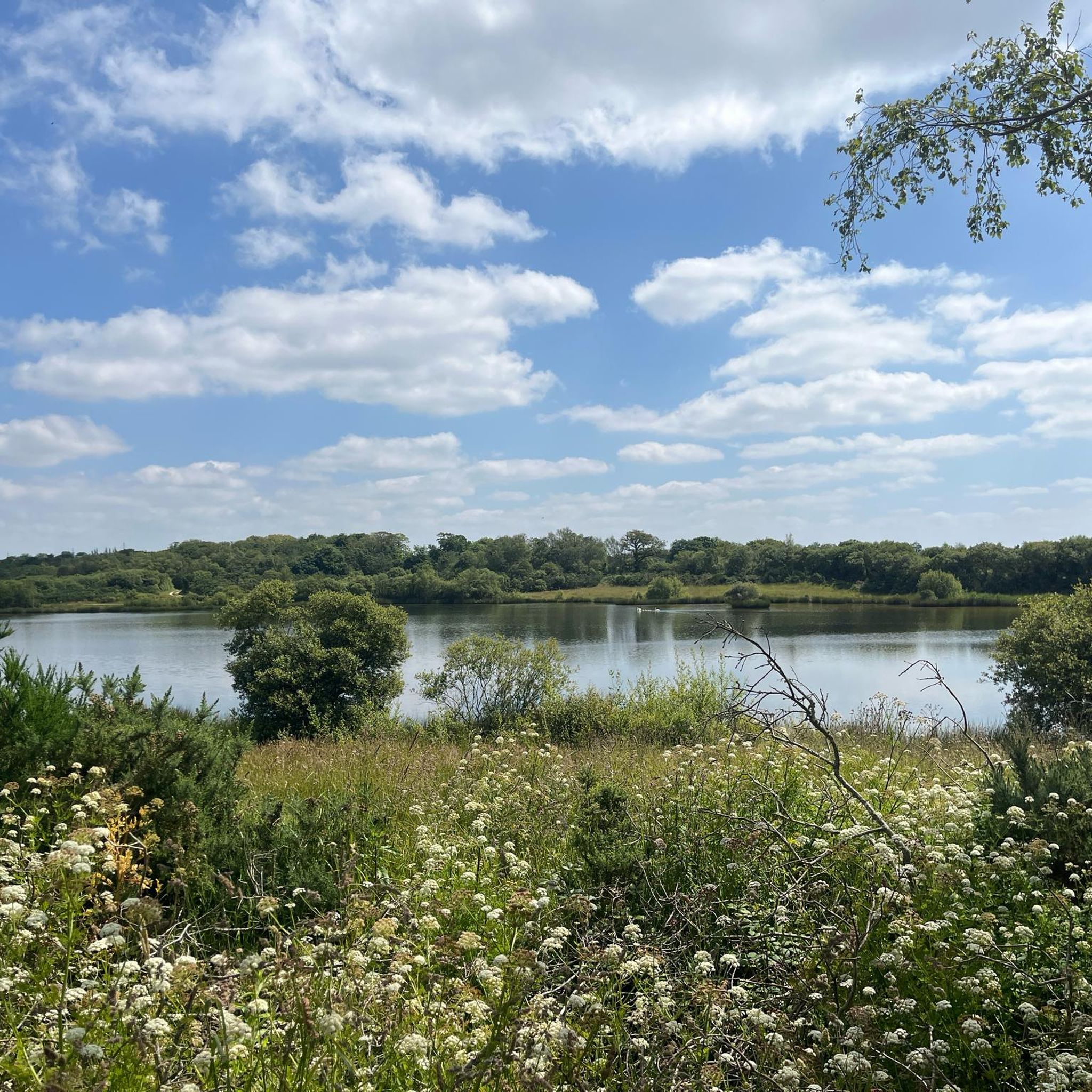
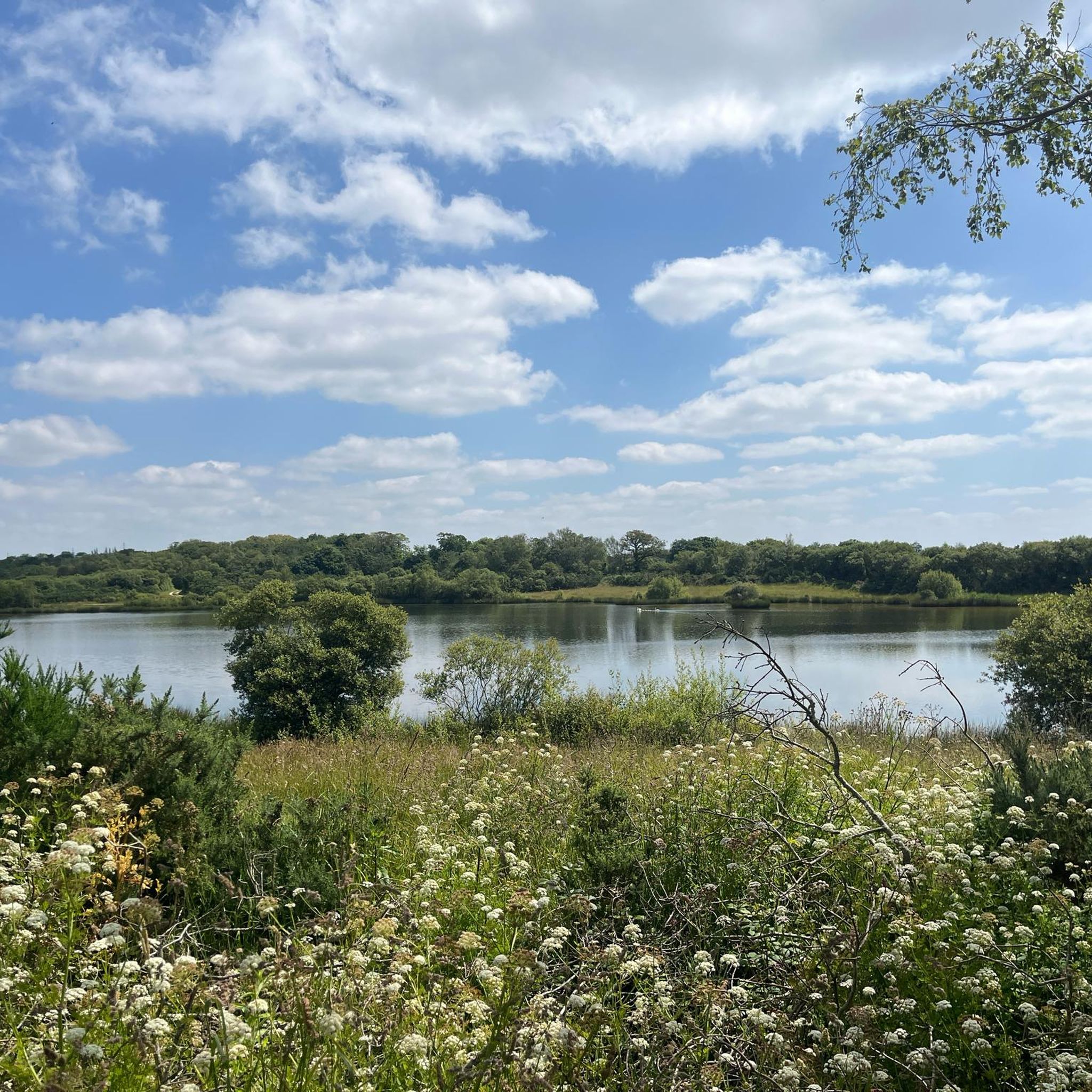
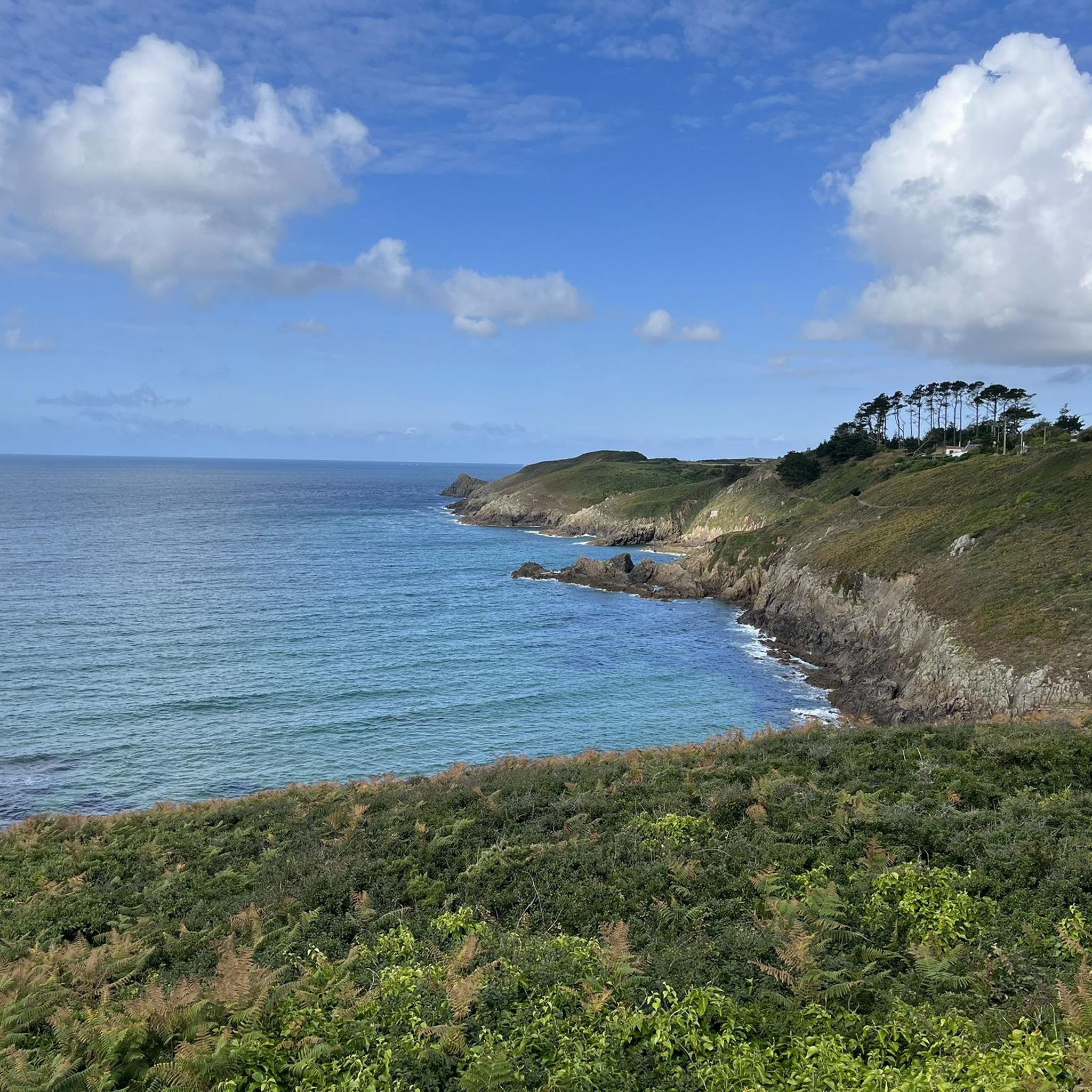
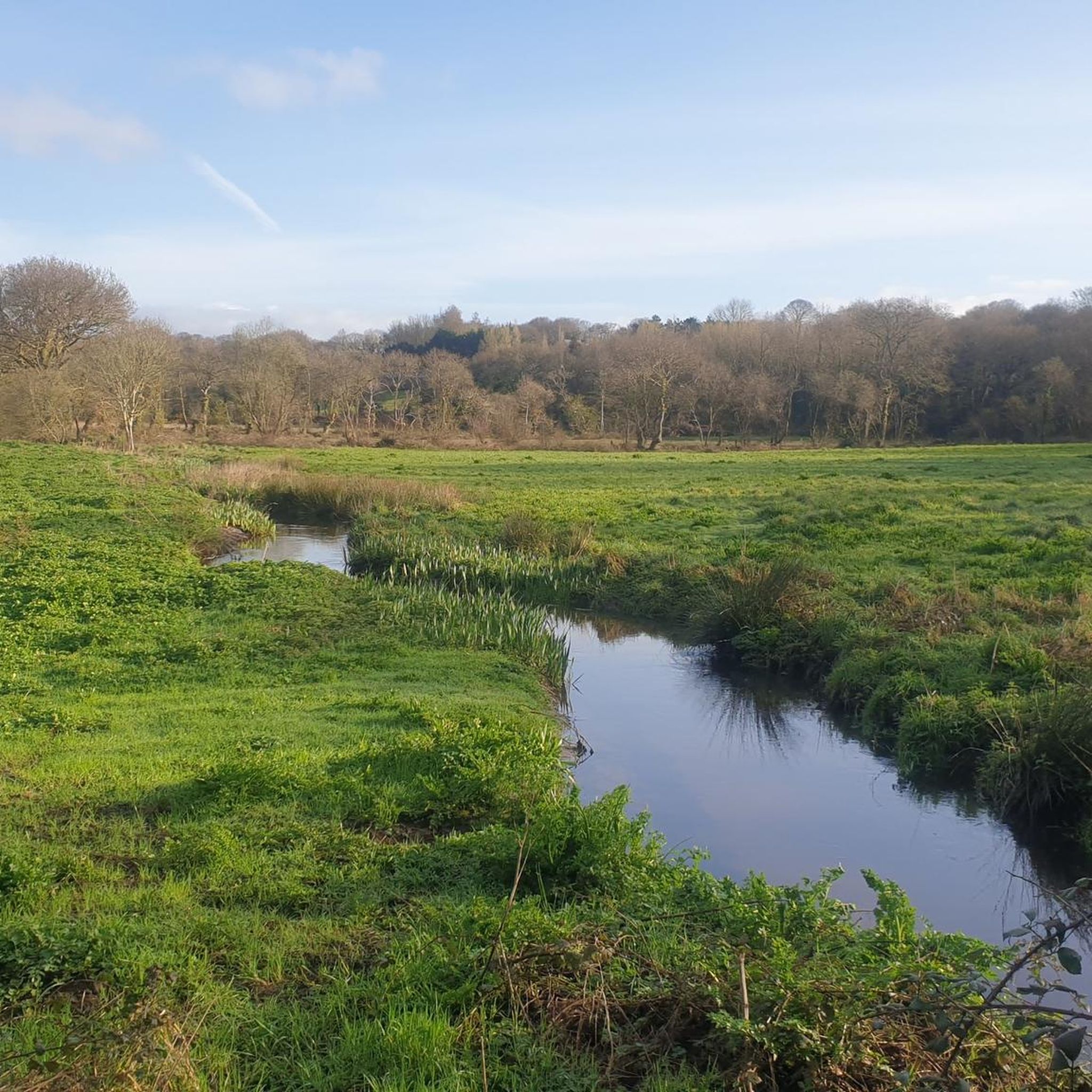

Tips from the Community

Certainly a historically interesting fortification.
0
0

When Napoleon I noted the problems with the defense of the French coasts, he decided to implement a vast fortification program. About a hundred standardized structures, known as "model towers and redoubts of 1811", were to be built. One of them was erected in 1812 at Pointe des Espagnols. The point evolved with the performance of artillery, and the fortifications were improved until the end of the 19th century. The model tower remained unchanged until the German occupation. The Germans deployed numerous bunkers in the perimeter and razed the fort's firing platform, depriving it of its parapets and bretaches. https://www.cestenfrance.fr/fort-de-la-pointe-des-espagnols-1812/
0
0

Built by Vauban in the 17th century on a rocky islet to monitor the port of Brest. Its geographical position allows it to always have an eye on the entrance to the Goulet de Brest, an arm of the sea which connects the harbor of Brest to the Atlantic Ocean. Today the fort is accessible by a footbridge and can be visited in summer. For many centuries, the harbor of Brest attracted the desires of invaders. Since the Middle Ages, protection posts have been set up on the coasts to control its entry. The most effective of them: Bertheaume, a rocky islet located thirty meters from the shore, in Plougonvelin. In the 17th century, around 1690, at the request of Louis XIV, Vauban built a formidable fort there, which would be used militarily until 1944.
0
0

One of 45 forts and batteries located along the Iroise coast, Fort de Bertheaume was built in 1689 to guard the entrance to the Goulet de Brest. A footbridge connects the islet to the mainland.
1
0

Beautiful trails at this point. The outpost at the fort has a climbing course and long zipline.
1
0


It's worth the detour just for the view.
0
0

These are old French fortifications that guard the entrance to the goulet de Brest. They were of course taken over by the German army during the Second World War. There was even a torpedo launching station at the base of the cliffs.
2
0
Frequently Asked Questions
What are the most popular castles and historical sites to visit around Saint-Renan?
While Saint-Renan itself has historical roots, the most prominent and well-preserved sites are found in the wider Finistère department. Highly rated by visitors are Fort Bertheaume, known for guarding the entrance to the Goulet de Brest, and the Fort at Pointe des Espagnols, a significant fortification from Napoleon's era. The 16th-century Manoir de Keroual, now an artistic venue, is also a favorite.
Are there any family-friendly castles or historical sites near Saint-Renan?
Yes, several sites are suitable for families. Fort Bertheaume offers activities like ziplining in summer, making it engaging for children. The Fort at Pointe des Espagnols provides an interesting historical exploration with open spaces. The Manoir de Keroual, with its park and artistic events, can also be a pleasant family outing.
What natural features or viewpoints can I enjoy near these castles?
Many of the historical sites offer stunning natural views. Fort Bertheaume provides beautiful views of the surroundings and the Goulet de Brest. The Fort at Pointe des Espagnols is also a great viewpoint. Additionally, the Château de Bel Air is noted for its sublime views of the landscape along the Aber Ildut, especially recommended at low tide for bird and plant observation.
What is the best time of year to visit castles in the Finistère region?
Spring and summer are generally ideal. Spring allows you to see magnificent gardens, such as those at Château de Trévarez, in full bloom. Summer often brings additional activities and longer opening hours, like those offered at Fort Bertheaume. However, some sites like Château de Trévarez also host illuminations during Christmas, offering a unique winter experience.
Are there any castles or manors with unique architectural styles?
Yes, the region boasts diverse architectural styles. The Château de Kerjean (Saint-Vougay) is a prime example of 16th-century Renaissance architecture. The Château de Trévarez (Saint-Goazec) stands out with its pink brick Belle Epoque design, blending Victorian, Neo-Gothic, and Breton styles. The Manoir de Bel Air, built in 1599, has undergone very few alterations, preserving its original character.
What outdoor activities can I do near these historical sites?
The area around Saint-Renan offers various outdoor activities. You can find numerous running trails, such as the Lac de Lannéon loop, or explore gravel biking routes like the Portez Beach loop. Cycling is also popular, with routes like the Saint‑Mathieu Point loop. For more details and routes, you can check the Running Trails around Saint-Renan, Gravel biking around Saint-Renan, and Cycling around Saint-Renan guides.
Are there any hidden gem castles or lesser-known historical sites worth exploring?
The Manoir de Bel Air in Brélès, built in 1599, is a fascinating hidden gem. It served as a hideout for smugglers during the French Revolution and even hosted Victor Hugo. While generally open during European Heritage Days, its preserved state and historical anecdotes make it a unique visit. Fort Robert, with its history as old French fortifications taken over during WWII, also offers a glimpse into a less-publicized past.
What kind of history do these castles and forts represent?
The castles and forts in the Finistère region cover a broad spectrum of history. Sites like the Château de la Roche-Maurice represent medieval architecture. Fort Bertheaume and Fort at Pointe des Espagnols showcase military fortifications from the 17th to 19th centuries, including Napoleon's defense programs. Manors like Manoir de Keroual and Manoir de Kérazan offer insights into 16th-century noble residences and 19th-century Breton art of living.
What do visitors appreciate most about the castles and historical sites around Saint-Renan?
Visitors frequently praise the historical significance and the beautiful views offered by these sites. The strategic locations of forts like Fort Bertheaume and Fort at Pointe des Espagnols are often highlighted. The preserved architecture and the immersive experience into the past, whether it's a Renaissance castle or a 16th-century manor, are also highly valued by the komoot community.
Are there any castles or manors that are particularly known for their gardens?
Yes, the Château de Trévarez (Saint-Goazec) is renowned for its magnificent 85-hectare gardens, which have received a 'remarkable garden' label. Visiting in spring is especially recommended to see the gardens in full bloom. The Manoir de Keroual also features a magnificent park that visitors enjoy.
Is public transport available to reach these castles from Saint-Renan?
While Saint-Renan is a central point, direct public transport to all individual castles and manors in the wider Finistère region can be limited. Many of these sites are best accessed by car. For specific locations, it's advisable to check local bus schedules or consider taxi services. Some sites might be accessible via regional bus lines with a short walk.
Are there any castles that offer insights into 19th-century life or art?
The Manoir de Kérazan (Loctudy) is an excellent example, providing a genuine testament to the 19th-century Breton art of living. It houses a large collection of Breton-inspired paintings and exceptional Quimper earthenware, including a unique cello. Its preserved reception rooms, smoking room, library, and billiard room offer a detailed look into the period.
Most popular routes around Saint-Renan
Most popular attractions around Saint-Renan

Get inspired with the komoot mobile app


Explore more
Looking for the best castles somewhere else? Discover other guides around Saint-Renan:
