Attractions and Places To See around Brélès - Top 20
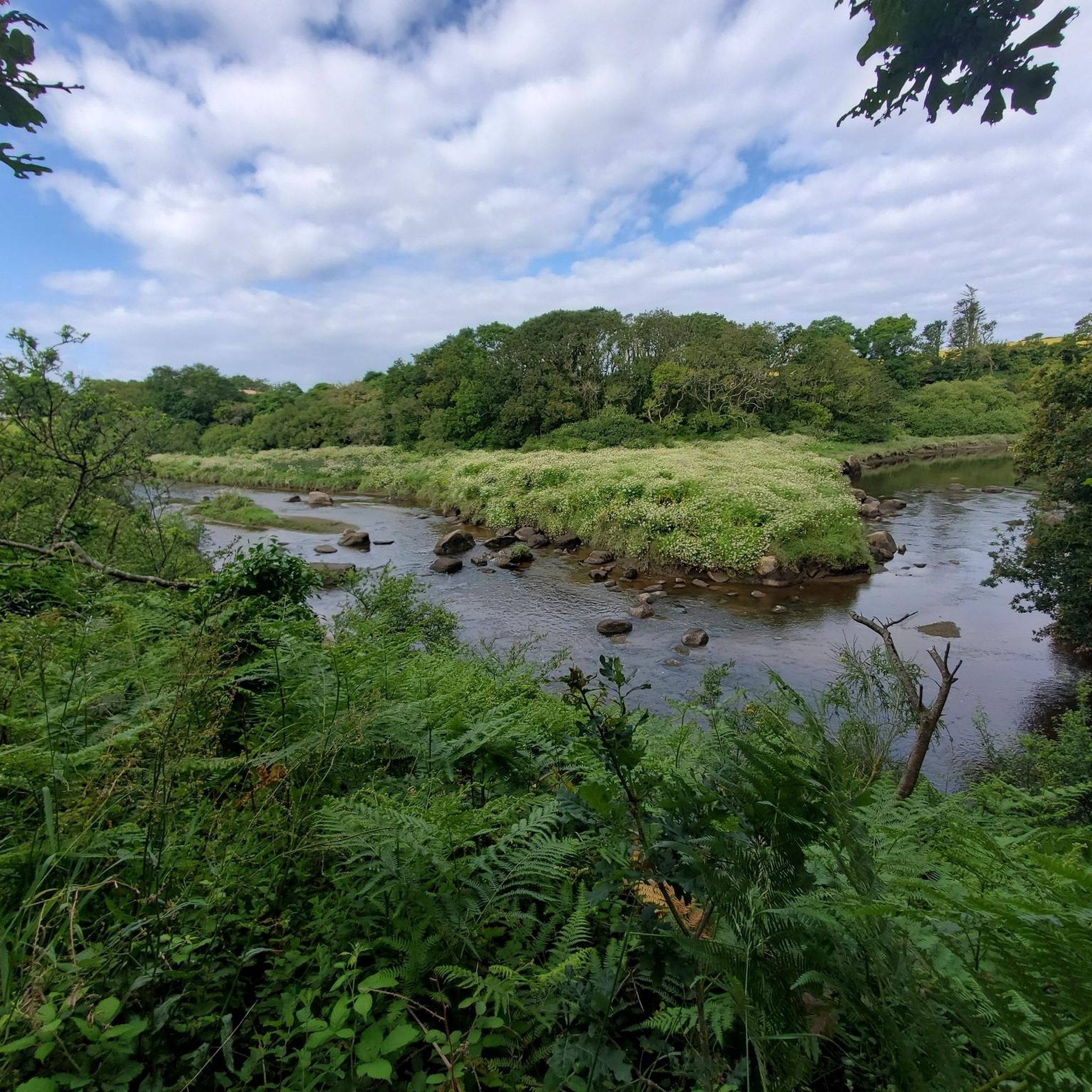
Best attractions and places to see around Brélès include a variety of historical sites, natural landscapes, and coastal features. This commune in Finistère, Brittany, is situated at the head of the Aber Ildut, an estuary offering a tranquil green setting. Visitors can explore significant landmarks and enjoy activities along its coastline. The region provides diverse points of interest, from ancient chapels to expansive beaches.
Best attractions and places to see around Brélès
- The most popular attractions is Corsen Point,…
Last updated: August 31, 2026
Port de Portsall
Highlight • Other
Translated by Google •
Tip by

Saint-Samson Chapel
Highlight • Other
Translated by Google •
Tip by

Sign up now to discover places like this
Get recommendations on the best single tracks, peaks, & plenty of other exciting outdoor places.
Sign up for free
Guilliguy Dolmen Viewpoint
Highlight • Viewpoint
Translated by Google •
Tip by

Plage des Blancs Sablons
Highlight • Beach
Translated by Google •
Tip by
Kerloas Menhir
Highlight • Historical Site
It was erected around 5,000 …
Tip by

Sign up for free to discover even more attractions around Brélès.
Sign up for free
Already have an account?
Start today with a free account
Your next adventure awaits.
Login or Signup

Tips from the Community

The chapel is open, so it can also be visited from the inside
1
0

Only the two stone beams form a cross in its simplest form, yet in a highly exposed location overlooking the bay that extends inland here. And of course, this small sacred monument—like all crosses encountered by hikers along the way—is an essential Christian symbol. It stands for the memory of his crucifixion, but at the same time also for the resurrection of Jesus Christ. The following quote comes from the important French order founder and doctor of the Church, Saint Bernard of Clairvaux: + "With us on earth there is His memory, but in the kingdom of heaven is His presence: This presence is the joy of those who have already attained salvation. The memory is our consolation, we who are still wanderers, traveling toward the Fatherland."
0
0


This is a 17th-century chapel. It stands on the wild coast and is a jewel of our religious heritage. Thanks to the association's efforts, it is often open, allowing many visitors, hikers (the chapel is located along the GR 34 hiking trail), and tourists to spend a few moments in their prayers. The chapel is open daily from 10 a.m. to 6 p.m., from Palm Sunday to All Saints' Day and during the Christmas holidays. Outside of these periods, the chapel is open every Sunday. The site and location of the chapel were already a place of worship in prehistoric times. A menhir, now lost, located near the chapel was long venerated. The presence of a Gallic stele to the south attests to a sacred place in the Celtic period. The site was later Christianized: two granite crosses dating from the early Middle Ages can be found next to the fountain and next to the chapel. In the fountain below the chapel, young children, or simply their shirts, were dipped to ensure their strength and health, help them speak or walk, or cure eye ailments. Read about this below the bottom of the parish letter, dating from 1856. https://www.chapelleslandunvez.fr/saint-samson
0
0

Two benches inside and a beautiful place of meditation 😍
0
0

Past the menhir, breathtaking view of Ouessant (in clear weather:))
0
0

Facing the vastness of the sea, the Saint-Samson chapel makes us feel infinitely small. It is no wonder that the site has been a place of worship since prehistoric times. The chapel itself was built in the 17th century.
1
0

It is so large that it can be seen from far away. There is a parking lot with space for about eight cars two hundred meters from the Menhir. A circle of stones surrounds the monument. A group of trees and a couple of benches invite you to stay a while and marvel at the colossus...
0
0
Frequently Asked Questions
What historical sites can I visit in Brélès?
Brélès is rich in history. You can explore the impressive 17th-century Château de Kergroadez, known for its Renaissance architecture and extensive park. Other notable historical sites include the 16th-century Manoir de Bel-Air overlooking the Aber Ildut, the Manoir de Brescanvel, and the Manoir de Kéroulas. The Église Notre-Dame, with its 14th-century origins and 17th-century triumphal arch, is also a significant landmark.
What natural landscapes are worth seeing near Brélès?
The region offers diverse natural beauty. The Corsen Point is the westernmost point of mainland France, offering exceptional views of Ouessant and the Molène archipelago on clear days. The Aber Ildut, a tranquil estuary, provides a green setting for activities like kayaking and walking. You can also visit Plage des Blancs Sablons, a 2.5-kilometer sandy beach perfect for watersports and shore fishing.
Are there good hiking or cycling routes around Brélès?
Yes, Brélès is excellent for outdoor activities. The GR 34, also known as the 'sentier des Douaniers,' follows the Aber Ildut and the coastline, providing exceptional sea views. For cycling, the Véloroute V45 runs parallel to the coast. You can find various routes, including easy to moderate options, for hiking and road cycling, such as the 'Château de Bel Air – View of the Aber River loop' for hiking or the 'Presqu'île St. Laurent loop' for road cycling.
What family-friendly activities are available in Brélès?
Families can enjoy several attractions. Corsen Point is a family-friendly viewpoint. The Plage des Blancs Sablons is ideal for swimming and playing in the sand. The Château de Kergroadez offers guided tours and workshops, and its 22-hectare park with a hornbeam labyrinth is fun for all ages. Exploring the Aber Ildut by kayak or paddleboard can also be a great family adventure.
What is the Aber Ildut, and what can I do there?
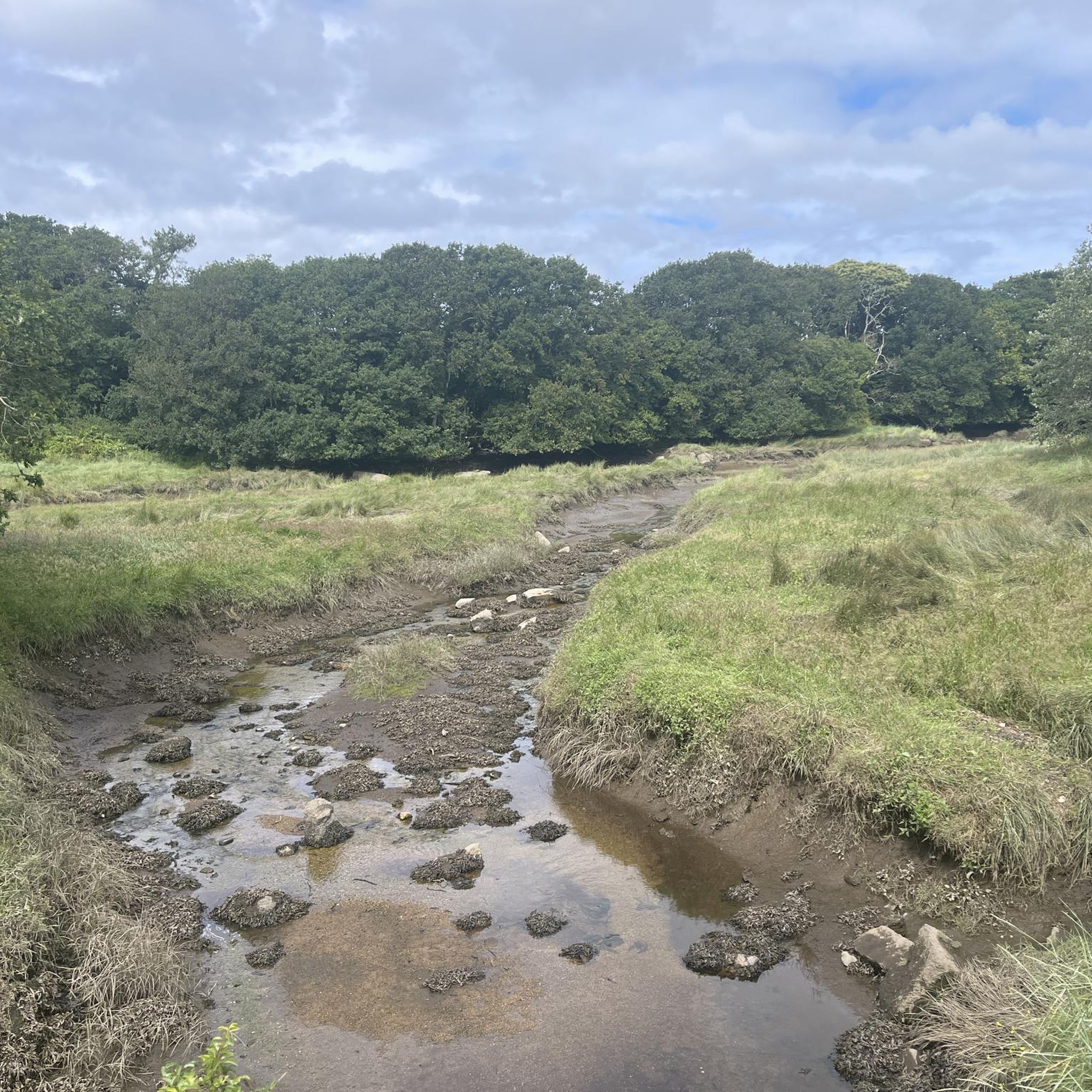
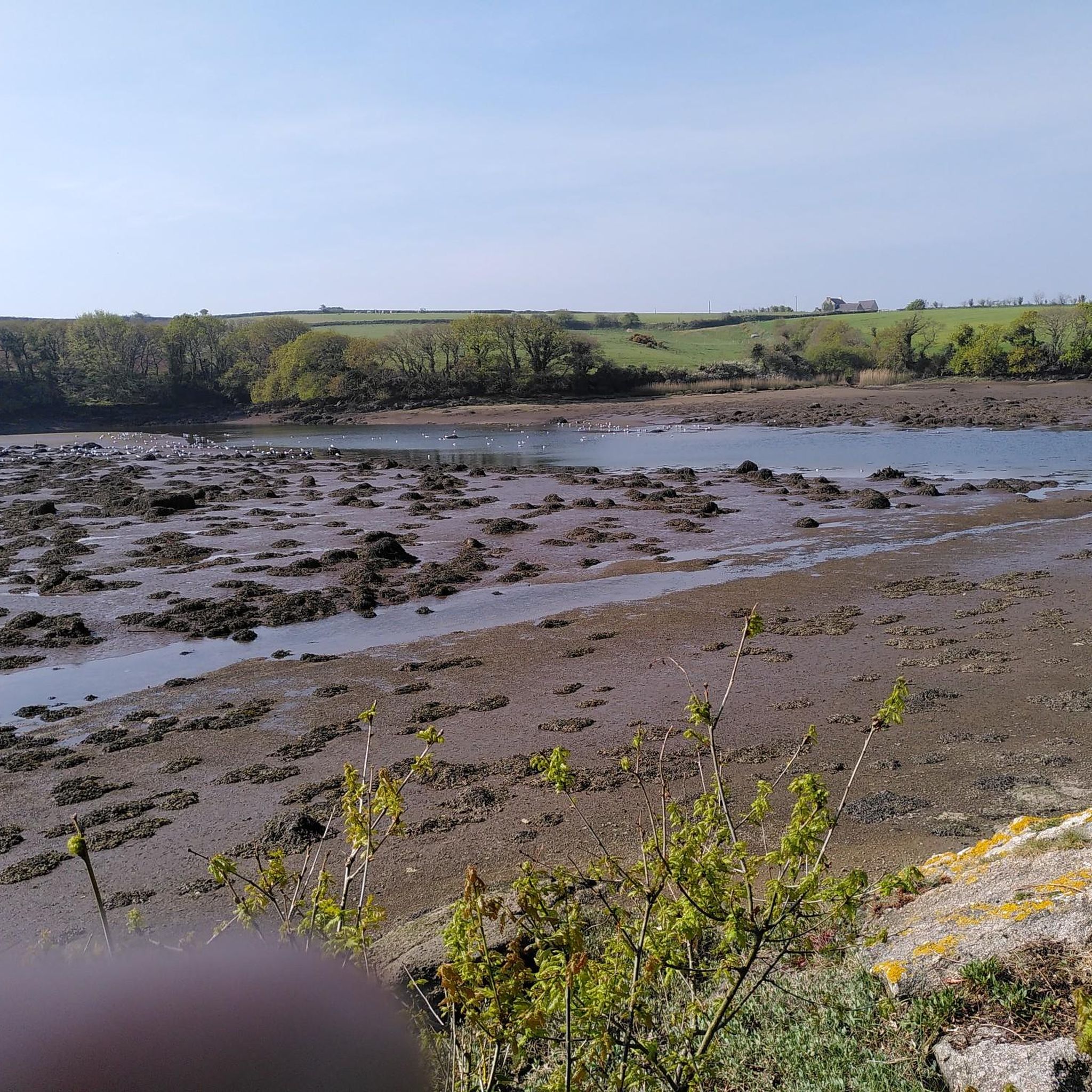
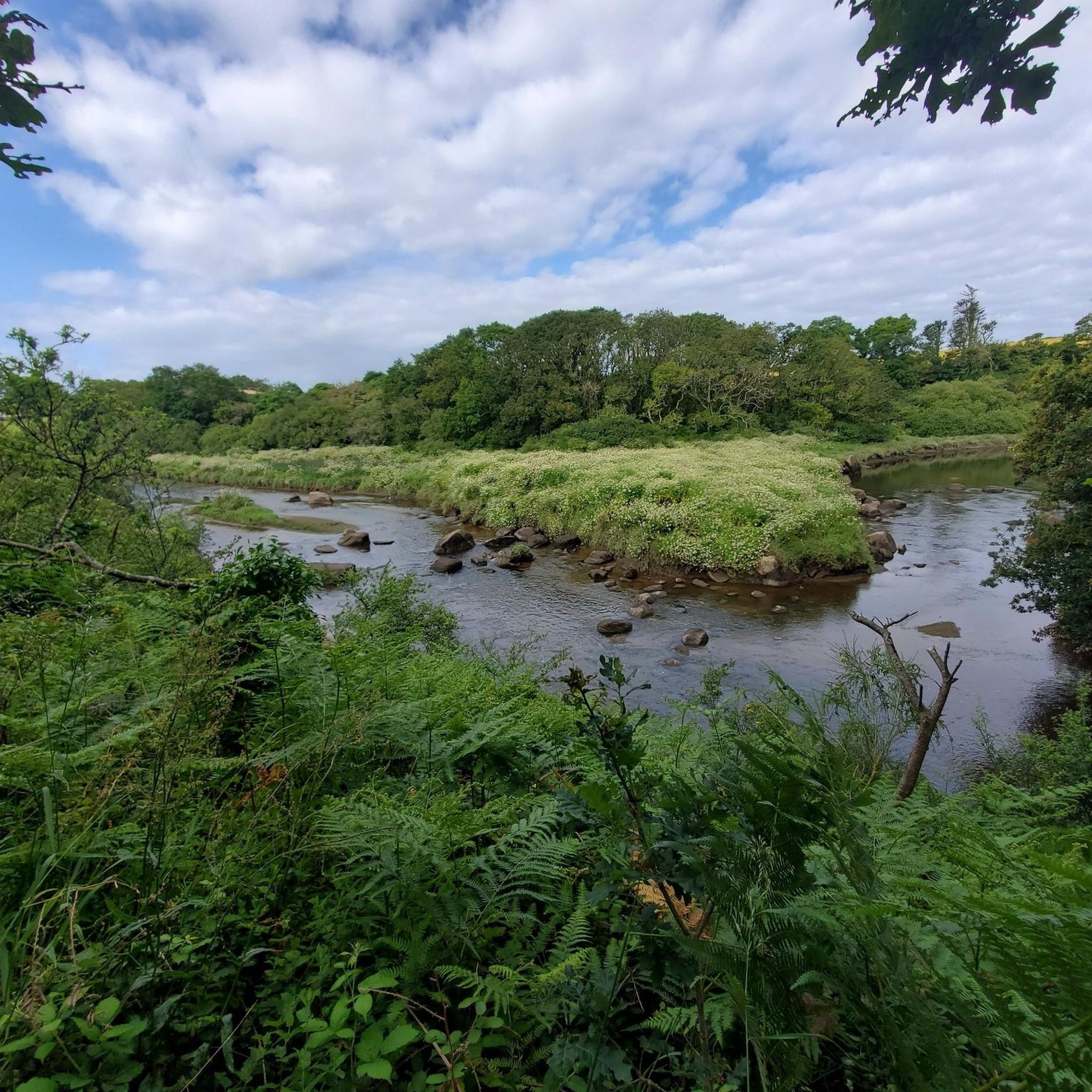
The Aber Ildut is the smallest of Finistère's three 'abers' (estuaries), where the sea deeply penetrates at high tide. It offers a tranquil green setting with oak and willow trees, contrasting with the more exposed coastal walks. It's an ideal spot for activities like kayaking, paddleboarding, walking, and hiking along its banks.
Are there any unique cultural experiences in Brélès?
Yes, Brélès offers unique cultural insights. Every August 15th, the commune hosts a re-enactment of Breton weddings, where visitors can admire traditional costumes. You can also explore the village's historic center with its beautiful old granite houses and octagonal spire, and discover numerous smaller historical elements like crosses, calvaries, washhouses, and mills throughout the area.
What is the best time of year to visit Brélès for outdoor activities?
The warmer months, particularly late spring to early autumn (May to September), are generally ideal for outdoor activities in Brélès. The weather is more favorable for hiking, cycling, beach activities, and exploring the natural landscapes. The Breton wedding re-enactment takes place on August 15th, adding a cultural highlight to a summer visit.
What do visitors particularly enjoy about the attractions in Brélès?
Visitors frequently praise the stunning views from Corsen Point, noting its significance as the westernmost point of mainland France. The serene atmosphere and pleasant strolls at Port de Portsall are also highly appreciated. Many enjoy the expansive sandy stretch of Plage des Blancs Sablons for its beauty and recreational opportunities.
Can I learn about local marine life or industries?
While not directly in Brélès, the nearby Maison de l'Algue (House of Algae) in Lanildut offers fascinating insights into the world of algae, from harvesting to transformation, including their culinary uses. This site provides a deeper understanding of the marine environment and its importance to the region.
Are there any significant viewpoints in the region?
Absolutely. The Corsen Point is a primary viewpoint, offering panoramic vistas of the sea and islands. Another notable spot is the Guilliguy Dolmen Viewpoint, which provides a great view of the harbor and features ancient stone structures.
What is the history behind Portsall Harbor?
Portsall Harbor, located in a small natural cove, has a significant history. It was the site of the Amoco Cadiz oil spill in 1978, one of the largest oil spills in history. Today, the water has recovered, and it's a pleasant place to stroll, enjoy a drink, or dine with a view, with reminders of its past still present, such as an exposed anchor from the Amoco Cadiz.
Are there any ancient religious sites or chapels to visit?
Yes, Brélès has several ancient religious sites. The Église Notre-Dame, originally a 14th-century seigniorial chapel, features polychrome statues from the 16th and 17th centuries and a well-preserved 17th-century triumphal arch. The Saint-Samson Chapel, dating from the 17th century, stands on a site that has been a place of worship since prehistoric times, facing the sea.
Most popular attractions around Brélès

Get inspired with the komoot mobile app


Explore more
Still not found the Highlight you’re looking for? See guides of the top attractions in other regions:
